
Thick Ceramic Coffee Mugs: Weight, Heat, and Everyday Fit
Reading time: about 8 minutes
A mug can look substantial in a product photo and still feel wrong during the first morning coffee. The rim may be bulky, the handle may squeeze your knuckles, or the filled mug may be heavier than expected. Those practical details matter more with thick ceramic coffee mugs, especially if the mug will move between a kitchen counter, an office desk, and a dishwasher several times a week.
In our store, we assess this category by looking beyond the general impression of sturdiness. We check the drinking rim, handle opening, foot ring, stated capacity, exterior dimensions, and published care instructions. Thickness can affect heat behavior and hand feel, but it does not automatically make a mug more durable or better for every drinker.
What do thick ceramic coffee mugs change at the breakfast table?
A thicker ceramic body generally has more thermal mass than a thinner body of similar size and material. That creates a trade-off: a room-temperature mug can absorb noticeable heat from freshly poured coffee, while a prewarmed mug may help create a steadier drinking experience. Shape, fill volume, starting temperature, room temperature, and the presence of a lid still matter, so wall thickness alone cannot guarantee long heat retention.
- Cold starts: A brief rinse with warm water can reduce the initial heat absorbed by a cool mug. Avoid abrupt temperature changes because ceramic can crack under thermal shock.
- Filled weight: More ceramic plus a large serving of coffee can produce a heavy one-handed lift. This becomes especially noticeable with 16 oz and 20 oz capacities.
- Rim feel: A wide, rounded lip may feel comfortable to one drinker and bulky to another. Smooth glaze coverage at the rim matters because that surface touches the mouth every time the mug is used.
- Desk stability: A broad base can feel planted on a desk, but the foot ring must sit evenly. Even a substantial mug is irritating if it rocks on a flat countertop.
A thick ceramic mug is also not a direct replacement for a lidded, insulated travel mug. If the main goal is keeping a drink hot through a long commute or preventing spills around electronics, insulation and a secure lid are more relevant than ceramic wall thickness.
Rim, handle, and base: which measurements decide daily comfort?
Capacity is only one measurement. Two mugs with the same stated volume can have very different proportions, including a tall narrow body, a low broad bowl, or a handle that changes the overall width. Check each product page for published measurements rather than estimating exact scale from photos.
| Area | Detail to inspect | Why it matters |
|---|---|---|
| Rim | Visible thickness, edge shape, and continuous glaze | Affects drinking comfort and how the mug directs each sip |
| Handle | Opening height, opening width, and attachment points | Determines finger clearance and leverage when the mug is full |
| Base | Footprint, foot ring, and contact with the table | Affects stability, cabinet fit, and the chance of scratching a surface |
| Body | Maximum diameter and overall height | Helps predict cabinet, shelf, coffee-machine, and cup-holder fit |
| Capacity | Brim capacity versus a comfortable fill line | Allows room for milk, foam, stirring, and carrying without spills |
Handle geometry deserves particular attention. A small opening can work for a two-finger grip but frustrate someone expecting room for three or four fingers. A handle positioned far from the body provides leverage, yet it also increases the mug's total width and storage footprint.
Which CoffeifyMug page fits your shopping situation?
We keep product-specific claims tied to the information shown on each listing. A product name alone does not confirm wall thickness, capacity, microwave compatibility, or dishwasher care, so use the page photos and published details as the source of truth.
- You prefer evaluating one strongly named design at a time: Start with The Rock Coffee/Tea Mug product page. Compare its displayed profile, rim, handle, and listed specifications with the fit checks above before deciding.
- You want a second individual design for a direct visual comparison: Open The Flow Coffee/Tea Mug product page in another tab. This gives you a focused way to compare the two listings without relying on memory.
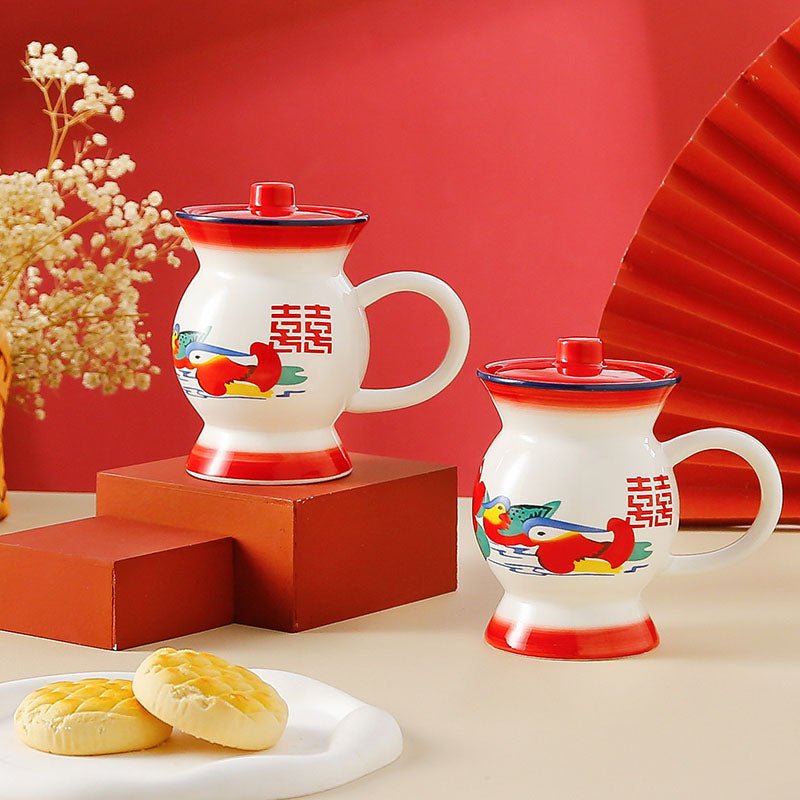
- You are shopping for someone who appreciates an unconventional product name: Review the Spittoon Coffee/Tea Mug product page. For gifting, confirm that the listing photos, stated size, and care information suit the recipient rather than choosing on the name alone.
- You do not yet know which design direction fits: Browse the unique coffee mugs collection and shortlist options by visible shape first. Then open the individual listings to verify material, dimensions, capacity, and care.
This page-by-page approach is useful for gifts. During gift unboxings, a memorable shape can make the first impression, but daily satisfaction usually comes down to comfortable handling, sensible capacity, and care requirements that fit the recipient's routine.
Does 12 oz, 16 oz, or 20 oz suit your routine?
Do not select capacity by the largest number available. Think about the drink after milk, foam, or creamer is added, then leave enough headroom to carry the mug without coffee reaching the rim. Also remember that a larger drink and a thicker ceramic body combine to increase total lifting weight.
- 12 oz: A practical starting point for shoppers who value a smaller footprint and lower filled weight. Our 12 oz ceramic coffee mug fit, shape, and care guide explains how proportions can change the experience even at the same capacity.
- 16 oz: Useful for buyers who regularly add milk or want a longer desk drink without moving to an oversized format. Check the trade-offs in our 16 ounce ceramic coffee mug buying guide.
- 20 oz: Better suited to someone who intentionally wants a large serving and is comfortable with the extra filled weight. Before ordering, review the cabinet, desk, and care considerations in our 20 oz ceramic coffee mug guide.
If a listing gives only one capacity figure, treat it cautiously until you know whether it represents a brim-full measurement or normal usable space. A mug filled to the absolute edge leaves no practical room for walking, stirring, or adding milk.
How should you assess dishwasher cycles, glaze wear, and thermal shock?
Repeated use exposes details that are easy to miss in a listing photo. On mugs we handle, we look for a level foot ring, a smooth drinking edge, clean handle attachment points, and glaze that matches the product description. Common issues worth checking after delivery include rocking on a flat counter, a sharp unglazed foot, rim chips, glaze pinholes, or unexpected crazing. Intentional crackle glaze can be a design feature, so compare the actual finish with the listing before labeling variation a defect.
- Follow the stated care instructions. Do not assume a ceramic mug is dishwasher or microwave safe unless the product page or packaging confirms it.
- Avoid abrupt temperature swings. Moving cold ceramic directly into very hot conditions can create thermal stress, even if the walls feel substantial.
- Load the dishwasher with clearance. Keep the rim and handle from knocking against plates, cutlery, or another mug during the cycle.
- Dry the base before storage. Check the foot ring for trapped water before placing the mug in a closed cabinet or on a moisture-sensitive surface.
- Keep metallic decoration out of the microwave. If a mug has metallic-looking trim or artwork, rely on the maker's explicit microwave guidance.
Thickness does not prevent chipping at exposed points. The rim and handle remain vulnerable when they strike a sink, countertop, or neighboring dish. A heavy mug can also hit with more force when dropped.
Who should not buy a heavy, thick-walled mug?
A different style may be a better purchase if any of these situations sound familiar:
- You have limited grip strength, hand pain, or prefer lifting a mug with one finger. A lighter, thinner-walled mug may be easier to control.
- You need reliable car cup-holder fit or spill protection. Choose a measured travel mug with a lid instead.
- You have shallow cabinets or tightly spaced hooks. Check total height, body diameter, and handle projection before ordering.
- You want coffee to remain hot for several hours. A vacuum-insulated vessel with a lid is better suited to that job.
- You prefer a fine, narrow drinking edge. A visibly substantial rim may not deliver the mouthfeel you enjoy.
These are not minor objections. A mug used every day should match the drinker's hands, storage, cleaning habits, and preferred serving size. Visual appeal cannot compensate for an uncomfortable full-weight grip.
What should you verify before adding one to cart?
- Confirm the listing identifies the material rather than inferring it from appearance.
- Check the stated capacity and allow for a usable fill line below the rim.
- Compare overall height and diameter with your cabinet, brewer, or shelf.
- Inspect the handle opening in the photos and review any published dimensions.
- Look at the rim profile from side and top views where available.
- Read the dishwasher, microwave, and temperature-care instructions.
- Decide whether the mug will stay at a desk or needs to fit a vehicle cup holder.
- For a gift, match the recipient's grip, usual drink size, and tolerance for heavier tableware.
Frequently asked questions
Do thick ceramic coffee mugs keep coffee hot longer?
They can provide steadier heat behavior after being prewarmed, but thickness alone does not guarantee a hotter drink for longer. A cold ceramic mug initially absorbs heat, while mug shape, beverage volume, room temperature, and the lack of a lid can have a noticeable effect.
Are thick ceramic mugs less likely to break?
Not in every situation. A substantial body may feel sturdy, but the rim, handle joints, and exposed foot can still chip or crack from impact or thermal shock. Construction quality and careful handling matter alongside wall thickness.
Can I put a thick ceramic mug in the dishwasher and microwave?
Only if the individual product's instructions confirm those uses. Glaze, applied artwork, metallic decoration, and construction can change care requirements, so thickness is not evidence of dishwasher or microwave compatibility.
Which CoffeifyMug mug should I compare first?
Start with the individual product whose presentation best matches your taste, then verify its listed material, size, capacity, and care. If you are still undecided, open the CoffeifyMug unique coffee mugs collection and compare your shortlist using the eight-point cart checklist above.
Read more

12 oz Ceramic Coffee Mugs: Fit, Shape, and Care Guide
Compare 12 oz ceramic mugs by usable capacity, profile, handle clearance, care needs, and everyday fit. Includes practical checks for desks, brewers, gifts, and dishwashers.
Weiterlesen
Oversized Ceramic Coffee Mugs: Fit, Capacity and Style
Compare usable capacity, brewer clearance, grip, care and three CoffeifyMug styles. This practical guide helps you avoid a mug that looks right but fits the daily routine poorly.
Weiterlesen
Hinterlasse einen Kommentar
Diese Website ist durch hCaptcha geschützt und es gelten die allgemeinen Geschäftsbedingungen und Datenschutzbestimmungen von hCaptcha.