
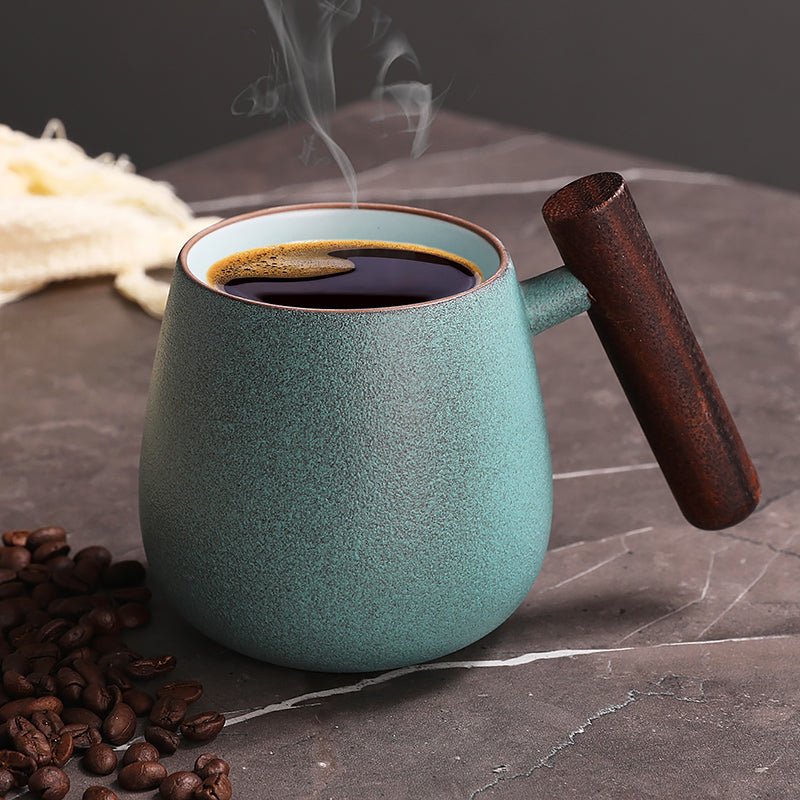
Thermos Coffee Travel Mug: What to Check Before You Buy
Reading time: about 9 minutes
A coffee that is still hot at the office, in the car, or on a cold morning walk usually comes down to one thing: the right thermos coffee travel mug, not just any insulated cup. We see the same problems over and over in our store notes and buyer questions: lids that dribble, mugs that do not fit cup holders, and interiors that are annoying to clean after milk drinks.
If you are comparing options, the smart move is to focus on how the mug will actually be used. A thermos coffee travel mug can be a great daily carry, but the best one for a desk is not always the best one for a backpack, and the best one for black coffee is not always the best one for latte drinks.
If you want to compare our current drinkware lineup while you read, start with our full collection. If you are narrowing the search around travel use specifically, our guide on what to check before you buy covers the same buying logic from a broader angle.
What makes a thermos coffee travel mug worth buying?
The short answer is insulation, lid design, and the shape of the mug. A useful thermos coffee travel mug should hold heat without becoming awkward to drink from. In practice, that usually means double-wall construction, a tight sealing lid, and a body profile that works with car cup holders and bag side pockets.
We look for details that affect everyday use, not just the product photo. Stainless steel bodies are common because they handle knocks well and resist flavor carryover better than bare plastic. A good lid should open and close with one hand if you commute, and the drinking edge should feel controlled rather than splashy.
Some buyers want maximum heat retention. Others want a mug that is easy to wash every night. Those are not the same thing. A heavily sealed travel mug may stay hot longer, but it can also be slower to clean and may have more parts to rinse.
Which materials hold up best for daily use?
For most shoppers, the best starting point is a stainless steel body with a BPA-free lid. That combination is durable, practical, and easy to live with. Inside the category, you will also see ceramic-lined options, which are worth considering if you dislike the metallic note that some steel mugs can leave behind with lighter roasts.
Here is how the main material choices tend to compare in real use:
- Stainless steel: Durable, travel-friendly, and usually the best all-around choice for commuting and office use.
- Ceramic-lined interiors: Better for coffee flavor purists, but they can feel less rugged if you toss gear into a packed bag.
- Plastic-heavy builds: Often lighter and cheaper, but they usually feel less substantial and may show wear sooner.
- Glass inserts: Rare in travel mugs for a reason. They are not ideal for drops, bumpy car rides, or busy mornings.
Our article on ceramic-lined coffee travel mug choices goes deeper on taste, cleanup, and when a lined interior makes sense. We also cover related trade-offs in our ceramic coffee travel mug guide if you are deciding between steel and ceramic-style drinking surfaces.
One detail shoppers often miss: the lid material matters almost as much as the body. A mug can have a strong stainless shell but still feel cheap if the lid flexes, squeaks, or traps coffee around a hinge.
What lid style is best for commuting?
For commuting, the lid is where most disappointments show up. A leak-resistant slide lid or push-top lid is usually more practical than a completely open sip top, especially if you carry the mug in a tote or move between a parking lot, elevator, and desk.
There is a trade-off, though. The more secure the lid, the more attention it needs when cleaning. Hinges, seals, and small drinking channels can trap milk residue or coffee oils if they are not rinsed well after use.
These are the lid details we recommend checking before buying:
- Does it seal well enough for a bag, or only for a cup holder?
- Can you drink from it with one hand while driving or walking?
- Are the gasket and gasket groove easy to remove and clean?
- Does the lid thread on smoothly, or does it cross-thread when you are in a hurry?
For shoppers deciding between coffee-first travel mugs and more general insulated cups, our article on what to buy and what to skip is a useful comparison point. It is especially helpful if you are trying to avoid a mug that looks good online but is annoying in the car.
A travel mug that never leaks on the product page but leaks after two weeks in a work bag usually had a weak lid design from the start.
What size should you choose for coffee and commuting?
Most buyers end up choosing between 12 oz, 16 oz, and 20 oz sizes. The right size depends on how you drink coffee, not just how much coffee you pour at home. A 12 oz mug is compact and fits easily in many cup holders. A 16 oz mug is the common everyday middle ground. A 20 oz mug gives you more runway between refills, but it can feel bulky in a small hand or crowded car console.
We usually tell shoppers to think about two questions: how long do you want the coffee to stay hot before the last sip, and where will the mug live most of the day? A desk mug can be a little wider. A commuter mug should be slimmer and less top-heavy.
Size also affects usability with milk drinks. If you like cappuccinos, cortados, or smaller pours, a huge thermos coffee travel mug can feel excessive. If you take black coffee for a long drive or a long shift, the bigger capacity starts to make more sense.
| Size | Best for | Main trade-off |
|---|---|---|
| 12 oz | Short commutes, small cup holders, lighter carry | Less capacity for long mornings |
| 16 oz | Most daily coffee drinkers | May be slightly bulkier than you expect |
| 20 oz | Long drives, work shifts, fewer refills | Can feel heavy and take more bag space |
How do you clean one without ruining the lid or interior?
Cleaning is where many mugs fall apart in real life. A thermos coffee travel mug should be easy enough to rinse daily, and ideally easy enough to deep clean weekly. If the lid has small channels, a silicone gasket, or a flip mechanism, those pieces need attention or stale coffee will linger.
Our practical cleaning advice is simple:
- Rinse the mug soon after use so coffee oils do not dry on the walls.
- Separate the lid pieces if the design allows it.
- Use a soft brush for the drinking edge and any grooves.
- Dry the parts fully before reassembling to avoid trapped moisture.
Dishwasher safety is another area where buyers should read closely. Some mugs are dishwasher safe, but that does not always mean the finish, seal, or print will age well under repeated heat cycles. If a mug has a ceramic lining or decorative exterior coating, hand washing may be the safer long-term choice.
If you want a broader checklist for daily use, our post on what shoppers should check before buying is a good companion read. It covers the details people often overlook until after the first week of use.
What should a thermos coffee travel mug not be used for?
This is where honesty matters. A thermos coffee travel mug is not the best choice for everything. If you need a true leakproof vessel for a backpack full of electronics, make sure the lid is designed for that use specifically. Many travel mugs are leak-resistant, not fully spillproof under pressure or when turned upside down for a long period.
It is also not ideal for drinks that need frequent stirring, such as sugar-heavy recipes or coffee with a lot of foam, unless the opening is generous. Narrow-mouth mugs can make cleanup and pouring awkward. If you mainly want a bedside cup, a commuter-optimized mug may be overbuilt for your needs.
One more limitation: a thermos coffee travel mug is not automatically the best choice for people who are sensitive to flavor transfer. Stainless steel performs well overall, but some drinkers still prefer ceramic-lined interiors because they taste more neutral from the first sip to the last.
How do you choose the right one from our store?
We suggest using the same filter we use when helping customers compare options in the store: daily routine first, style second. Start with the practical question of where the mug will be used most often. Then narrow by lid type, size, and interior material.
A simple buying sequence looks like this:
- Choose the main use case: car commute, office desk, walk-and-carry, or gift.
- Pick a size that matches your usual pour, not your biggest occasional refill.
- Decide whether you prefer stainless steel, ceramic-lined, or another interior style.
- Check the lid for one-handed use, seal quality, and easy cleaning.
- Confirm the body shape works with cup holders and bags.
If you are comparing travel mugs across styles, our broader collection at CoffeifyMug products is the fastest place to compare what we currently carry. For buyers who want more background before choosing, the article on what to check before you buy is another useful reference.
Frequently asked questions
How long should a thermos coffee travel mug keep coffee hot?
That depends on the construction, lid seal, starting temperature, and how often you open it. A good mug should keep coffee pleasantly warm for a typical commute and morning at the desk, but repeated opening will reduce heat retention. If you need all-day heat, look for stronger insulation and a tight lid rather than relying on size alone.
Is stainless steel or ceramic-lined better for coffee taste?
Stainless steel is usually more durable and easier to carry every day. Ceramic-lined mugs can feel more neutral in taste, which some coffee drinkers prefer for lighter roasts or black coffee. If you are rough on gear, steel is the safer pick; if flavor is your top priority, ceramic-lined is worth a look.
Can I put a thermos coffee travel mug in the dishwasher?
Some are dishwasher safe, but that does not mean every part will age the same way under heat and detergent. Lids, seals, and coated finishes are the parts most likely to wear first. If the mug has a complex lid or a ceramic-lined interior, hand washing is often the more careful choice.
What size is best for a daily commuter mug?
For most people, 16 oz is the most balanced option. It gives enough capacity for a normal coffee run without feeling oversized in a car cup holder or work bag. If you drink smaller portions, 12 oz may be easier to carry.
What should I check before buying one as a gift?
Check the lid style, size, and overall look first. Gift mugs are best when they feel easy to use right away, not like a project the recipient has to figure out. If you are unsure, a neutral stainless steel model is usually safer than a niche lid system or an oversized format.
If you want a quick next step, compare three things before you buy: lid seal, cup-holder fit, and cleaning effort. Then browse our collection and choose the mug that matches how you actually drink coffee, not how it looks on a shelf.
More from our blog
Read more
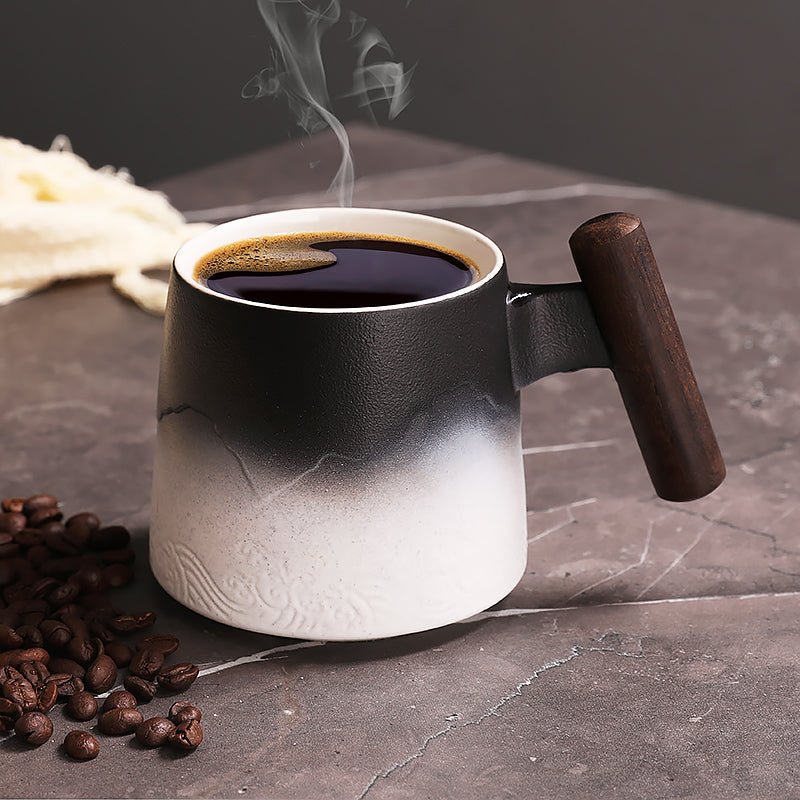
Porcelain Coffee Mug: What Buyers Should Check Before They Buy
A porcelain coffee mug should feel smooth, balanced, and easy to rinse clean. We cover size, glaze, weight, care, and the trade-offs that matter for daily coffee and gifting.
Weiterlesen
Largest Coffee Mug: How to Choose the Right Oversized Cup
A large mug can solve a real coffee routine problem, but only if it fits your brewer, hand, and shelf space. We break down what the largest coffee mug really means, what 20 oz and 24 oz mugs are go...
Weiterlesen
Hinterlasse einen Kommentar
Diese Website ist durch hCaptcha geschützt und es gelten die allgemeinen Geschäftsbedingungen und Datenschutzbestimmungen von hCaptcha.