
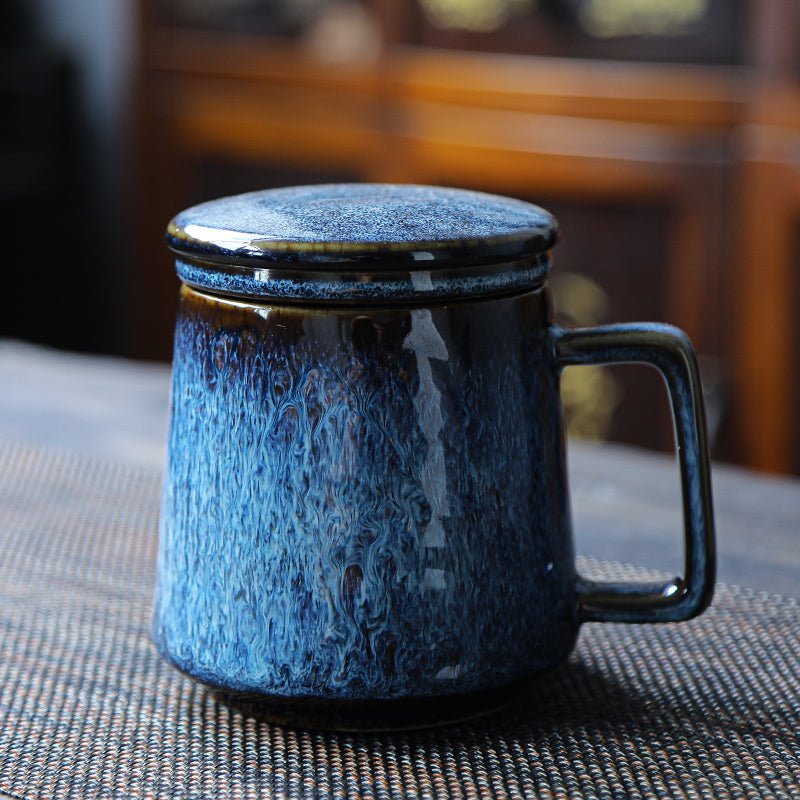
Textured Coffee Mugs: What to Look For Before You Buy
Reading time: about 10 minutes
A mug with texture changes the whole hand feel. Smooth glaze is easy to like in a product photo, but the first thing most people notice at home is grip, weight, and whether the mug feels steady on a desk, in the dishwasher, and during a rushed morning refill.
That is why we treat textured coffee mugs as more than a style choice in our store. The right one should feel good to hold, pour cleanly, and hold up to daily use without turning into a shelf piece you avoid because it is awkward to wash or too delicate for the office.
If you are comparing options, start with our full collection of coffee mugs, then narrow down by shape and handle style. For a softer modern look, the Gradient Coffee Tea Mug is a good place to start. If you want a more nostalgic profile, the Retro Coffee Tea Cup is a cleaner fit. And if you care most about grip and hand support, the Ball Handled Coffee Tea Mug stands out right away.
What makes textured coffee mugs feel different in daily use?
Texture changes how a mug behaves in the hand. A lightly ridged body can make a mug feel more secure when your fingers are wet, while a more pronounced surface can add visual depth and a little extra insulation from a hot wall. That does not mean every textured mug is better. It means the right texture depends on how you actually drink coffee.
In our experience, buyers usually notice three things first:
- Grip: subtle grooves or faceted surfaces can help prevent slipping, especially on a glossy desk or kitchen counter.
- Heat feel: thicker ceramic and stoneware bodies tend to stay comfortable longer, while very thin walls can feel hotter sooner.
- Cleaning: deeper grooves and matte textures may need a quick rinse before the dishwasher so dried coffee does not settle into the surface.
That last point matters. A textured mug can look premium, but if the surface has heavy relief or a deep rib, you may spend more time wiping around the pattern. If you want a mug that is easier to maintain, choose texture that is visual and light to the touch rather than highly sculpted.
Which material works best for textured coffee mugs?
Most shoppers are choosing between ceramic, stoneware, and occasionally porcelain. The right pick depends on how you use the mug, not just how it photographs.
| Material | What it does well | Where it falls short |
|---|---|---|
| Ceramic | Balanced weight, familiar feel, easy everyday use | Can chip at the rim or base if knocked against a sink or counter |
| Stoneware | Heavier hand feel, strong table presence, usually better for a cozy desktop mug | Weight can bother people who want a lighter cup |
| Porcelain | Cleaner, finer rim and a more refined sip | Often less forgiving if you want a rugged, tactile mug |
If you want a mug for the office, stoneware often makes sense because it feels stable and less flimsy. If you want a lighter mug for tea or smaller pours, ceramic can be the more practical middle ground. If your priority is a sharper drinking edge and a dressier look, porcelain usually wins, but it is not the best choice if you want a chunky, textured grip.
One trade-off we see often: the more texture and mass a mug has, the less minimal it feels. That is the point for many buyers. It is also why a textured mug is not the best fit for someone who wants a feather-light cup that disappears in the hand.
How do you choose the right handle and shape?
Handle shape changes comfort more than most people expect. A good handle should let you hold the mug with three fingers easily, without forcing your knuckles against the cup body. If the handle opening is too tight, the mug will feel clumsy no matter how nice the finish looks.
Here is how we usually guide shoppers:
- Check finger clearance. A handle that fits at least three fingers comfortably is usually easier for everyday use.
- Look at the balance. A mug with a wider base and a solid handle feels steadier on a desk or tray.
- Match the rim to the drink. A slightly flared rim suits coffee and tea that you sip quickly; a narrower opening helps retain warmth a little longer.
- Think about storage. Chunkier handles take more shelf room and can crowd a packed cabinet.
The Ball Handled Coffee Tea Mug is a good example of why handle design matters. The handle gives the mug a distinct feel in hand, which some people love right away. Others will prefer a simpler loop handle because it stacks or stores more easily. That is a real trade-off, not a design flaw.
If mug size is part of your decision, our size guides can help you compare what fits your routine. We also cover practical sizing in 10 oz Coffee Mugs: How to Choose the Right Fit for Daily Use and 16 oz Coffee Mugs: How to Choose the Right Mug for Daily Use, which are useful if you are deciding whether a smaller or larger daily mug fits your routine better.
Which textured coffee mugs fit a real kitchen or office setup?
We think about use cases because that is where a mug succeeds or fails. A mug that looks great in a gift box can still be the wrong buy if it is too heavy for a long workday or too decorative for dishwashing every night.
These are the most common scenarios we see:
- Kitchen counter use: choose a mug with a stable base and enough wall thickness to handle a hot pour without feeling fragile.
- Office desk use: a textured finish helps with grip when you set it down beside a keyboard, but a bulky handle can get in the way of laptop space.
- Gift unboxing: textured mugs photograph well and feel more premium in hand, which makes them strong candidates for birthdays, housewarmings, and holiday gifting.
- Tea drinkers: a mug with a comfortable rim and moderate capacity often works better than a very large cup that cools too slowly or gets awkward to finish.
The Gradient Coffee Tea Mug fits buyers who want a cleaner modern look with some visual movement. The Retro Coffee Tea Cup makes more sense if you want a design that leans warm and familiar. If grip is the priority, the Ball Handled option is the most distinct of the three.
If you are still comparing everyday mug sizes alongside texture, the articles on 12 oz Coffee Mugs: How to Choose the Right Mug for Daily Use and 14 Ounce Coffee Mugs: Fit, Materials, and Buying Guide are useful cross-checks before you buy.
What should you check before buying textured coffee mugs online?
Product photos only tell part of the story. Before you buy, we recommend checking the same details we look at when we decide whether a mug is worth carrying in our store.
- Surface finish: decide whether you want subtle texture, visible ridging, or a more sculpted profile.
- Rim thickness: a very thick rim feels sturdy but can change the sip; a thinner rim feels more refined but may not suit everyone.
- Base stability: the mug should sit flat without rocking on a counter or desk.
- Care instructions: if a mug needs special hand washing, that should fit your routine before you commit.
- Glaze behavior: textured glazes can show variation from piece to piece, which is part of the appeal, but also means each mug may look slightly different.
Common defect modes in this category are worth watching for: uneven glaze at the foot, rough spots on the rim, and small chips around the handle join. Those are the kinds of issues that can make a mug feel unfinished even if the design is attractive. We prefer products that look good and feel smooth where your lips and fingers actually touch them.
For a broader comparison across our drinkware, the full collection of coffee mugs is the best next stop if you want to compare texture against plain-glazed options in one place.
How do you care for textured coffee mugs without wearing them down?
Care is straightforward, but texture changes the routine a little. Smooth mugs wipe down quickly. Textured mugs may hold onto coffee oils in the grooves, especially around the handle and near any raised pattern.
Our practical care advice is simple:
- Rinse soon after use so coffee does not dry into the texture.
- Use a soft sponge rather than an abrasive pad if the surface is matte or detailed.
- Load mugs with enough space in the dishwasher so the handle and rim do not knock against other items.
- Inspect the rim and foot occasionally for chips if you stack mugs tightly in a cabinet.
Textured mugs are not the best choice if you want a completely maintenance-free cup for heavy travel use. They are better for home, desk, and gifting settings where you can enjoy the finish and clean it properly. If you need something for constant carry, a travel tumbler is the better tool.
Which textured coffee mug style should you buy?
Pick the mug that matches how you actually drink. Style matters, but daily use matters more.
- Choose the Gradient Coffee Tea Mug if you want a modern look with visual softness and a mug that feels easy to place in a contemporary kitchen.
- Choose the Retro Coffee Tea Cup if you like a more nostalgic silhouette and a mug that reads warmer and more classic.
- Choose the Ball Handled Coffee Tea Mug if grip, handle character, and hand feel are the main reasons you are shopping for textured coffee mugs.
If you want to compare these with other sizes and shapes before deciding, the related buying guides on 12 oz Coffee Mugs: What to Check Before You Buy and 16 Ounce Coffee Mugs for Daily Use: Size, Fit, and Shape Guide are a good companion read.
Frequently asked questions
Are textured coffee mugs hard to clean?
Not usually, but deeper grooves and matte finishes can hold coffee oils a little longer than a smooth glaze. A quick rinse after use and a soft sponge in the wash is usually enough. If you do not want any extra cleaning step, choose a lightly textured surface instead of a heavily sculpted one.
Do textured coffee mugs get hotter to hold?
They can, depending on wall thickness and material. A thicker stoneware mug often feels more insulated in the hand than a thin ceramic cup. If you plan to drink very hot coffee right away, look for a mug with substantial walls and a handle that keeps your fingers clear of the body.
Are textured coffee mugs good for gifting?
Yes, especially when you want the gift to feel more finished than a plain everyday mug. Texture adds visual interest in the box and in use, which makes the mug feel more considered. They are a better gift choice than a travel cup if the person drinks mostly at home or at a desk.
What is the best material for textured coffee mugs?
For most daily buyers, ceramic or stoneware is the safest choice because it balances weight, comfort, and style. Stoneware feels more substantial; ceramic often feels a little lighter. Porcelain is better if you want a finer sip and a cleaner look, but it is not as forgiving if you want a chunky tactile mug.
Should I choose texture or a larger size first?
Choose the size first if you are sensitive to capacity, then use texture to narrow the final pick. A mug that fits your coffee habit will get used more than one that just looks good. If you are unsure about size, compare the size-focused guides before you decide on texture.
If you are ready to compare styles, start with the full mug collection and shortlist the mug that fits your hand, your sink, and your daily routine. That is the fastest way to choose textured coffee mugs you will actually keep using.
Read more
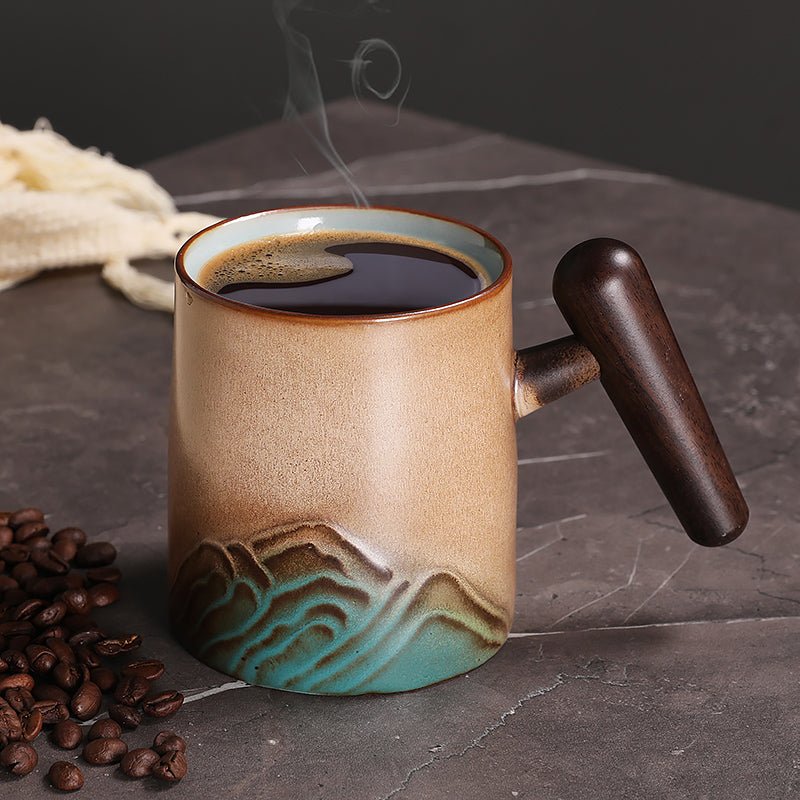
Mushroom Coffee Mug Buying Guide: What to Check Before You Buy
A mushroom coffee mug should feel good in the hand, sit flat on the desk, and hold up to daily use. Here’s how we compare styles, sizes, and finishes before we stock them.
Weiterlesen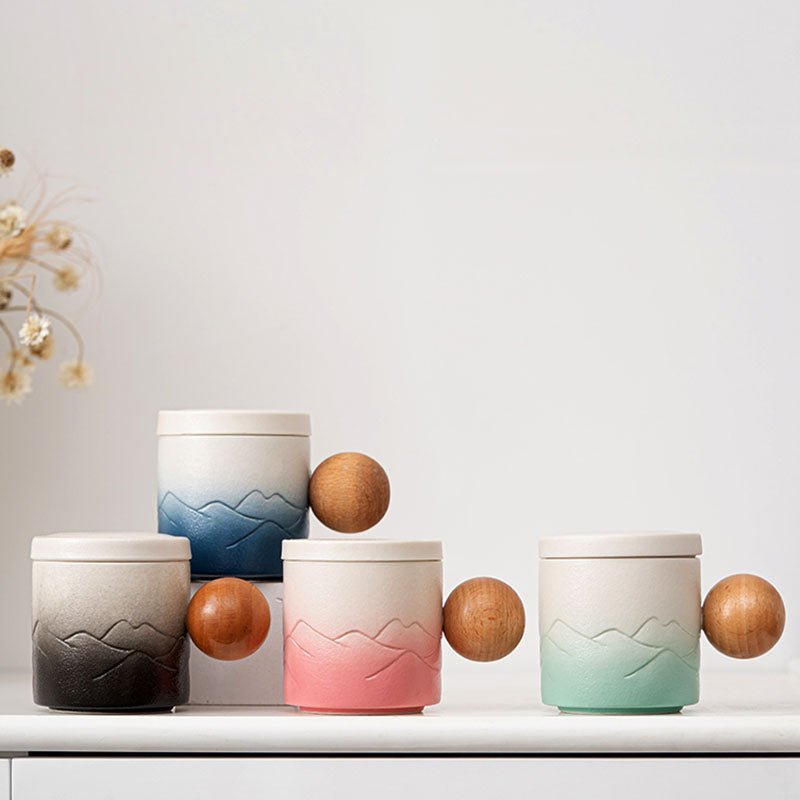
Easter Coffee Mug Buying Guide for Gifts, Brunch, and Daily Use
Pick an easter coffee mug that looks right on the brunch table and still feels useful after the holiday. We break down size, comfort, care, and gift value so you can buy with less guesswork.
Weiterlesen
Hinterlasse einen Kommentar
Diese Website ist durch hCaptcha geschützt und es gelten die allgemeinen Geschäftsbedingungen und Datenschutzbestimmungen von hCaptcha.