
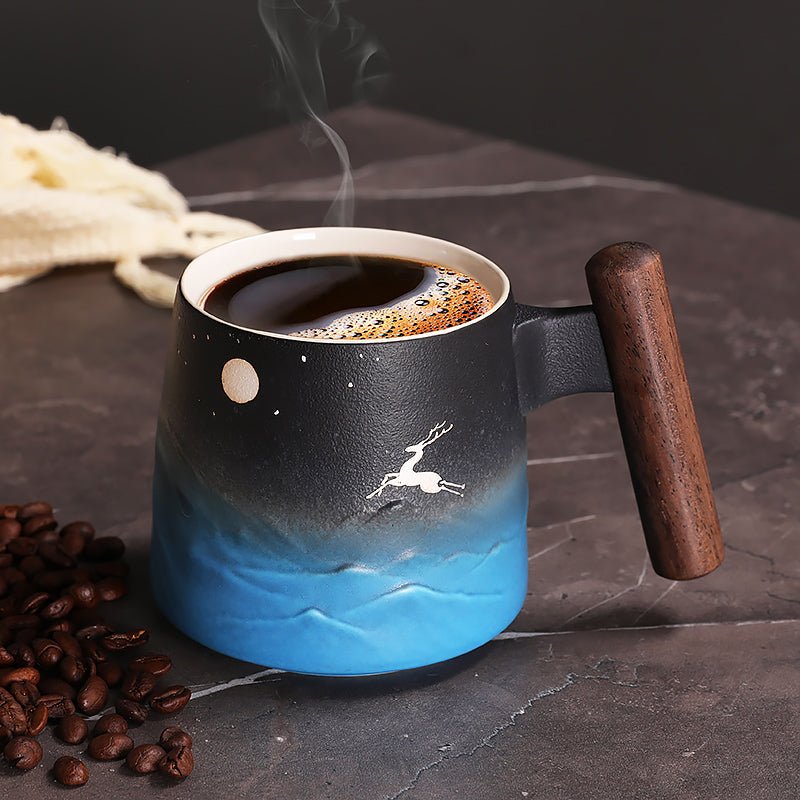
Tea Mugs: How to Choose the Right Size, Material, and Style
Reading time: about 9 minutes
A mug that works well for coffee can still miss the mark for tea. The handle feels too small with hot fingers, the cup cools down before you finish, or the shape makes it awkward to add a tea bag or a strainer.
That is the problem we see most often in our store. People want tea mugs that feel easy to use every day, not just nice on a shelf. The best choice depends on how you drink tea, how much you pour, and how much cleanup you want.
If you are comparing options, our broader guide to Coffee Mugs: How to Choose the Right Size, Material, and Style is a good starting point. For buyers focused on ceramic, Ceramic Coffee Mugs: What to Look For Before You Buy covers the parts that tend to matter most in daily use.
What should a good tea mug do?
A good tea mug should hold heat reasonably well, feel balanced in the hand, and give you enough room for a tea bag, infuser, or a little extra water. The drink should taste right and the mug should be easy to live with. That sounds obvious, but many mugs miss one of those points.
In practice, we look for four things.
- A comfortable handle that leaves room for two or three fingers without forcing a tight grip.
- A usable capacity, often around 10 to 16 ounces, depending on whether you like a standard cup or a larger pour.
- A stable base so the mug does not feel top-heavy on a desk or tray.
- A finish that cleans easily, especially if you use tea that stains, like black tea, chai, or turmeric blends.
Tea mugs are not ideal if you want to brew and carry tea in the same container all day. For that job, a travel mug with insulation and a tighter lid is the better fit. Our article on Coffee Travel Mugs: How to Choose the Right One for Daily Use explains the trade-offs clearly, and the same logic applies to tea.
Which material is best for tea mugs?
Material changes the drinking experience more than most shoppers expect. It affects heat retention, weight, durability, and how the mug ages after repeated dishwasher cycles.
| Material | What it feels like | Best for | Main trade-off |
|---|---|---|---|
| Ceramic | Balanced weight, familiar feel, holds heat well enough for everyday tea | Daily use, gifting, most home kitchens | Can chip if knocked against a sink or counter |
| Stoneware | Heavier, sturdier feel, often a bit thicker at the wall | Longer sipping sessions, rustic styles | Less delicate in hand, which some buyers love and others do not |
| Porcelain | Lighter, smoother, more refined presentation | Gift sets, formal settings, smaller servings | Usually feels more fragile than thicker ceramic |
| Glass | Lets you see the color of the tea | Loose-leaf tea, visual presentation | Shows water spots and does not hold heat as long as thicker ceramic |
For most shoppers, ceramic is the safest all-around choice. It is easy to live with, easy to pair with everyday kitchenware, and usually comfortable for both tea bags and infusers. If you prefer a more solid, handcrafted feel, stoneware is worth considering. If the mug is going to be part of a gift, porcelain can look cleaner and more polished.
There is a limit to each one. Glass is not the best choice for someone who wants tea to stay hot for a long stretch at a desk. A thin porcelain cup can feel elegant, but it is not the mug we would hand to someone who is rough on dishes.
What size tea mug should you buy?
Size is where a lot of buyers overthink or underthink the purchase. A mug that is too small forces you into repeated refills. One that is too large can make a standard tea bag taste weak if you do not steep it carefully.
Here is how we usually break it down.
- 8 to 10 ounces for smaller servings, strong black tea, or people who prefer a cup that feels close to traditional tea service.
- 10 to 12 ounces for the most flexible daily use. This is a practical middle ground for black tea, green tea, and herbal blends.
- 12 to 16 ounces for buyers who want a larger, more relaxed drink or who add milk, honey, or a tea bag plus extra hot water.
If your tea tends to go cold before you finish, a slightly thicker mug or a larger fill volume can help a little. It will not act like an insulated tumbler, but it can buy you a few extra minutes at the table or desk. If you actually need a larger vessel for long drinks, our guide to A Buyer's Guide to Large Capacity Coffee Mugs is useful because the same sizing logic applies.
Oversized mugs are not always better. They can make tea look underfilled, and loose-leaf tea can taste diluted if the steeping ratio is not adjusted. For someone who likes a classic cup of tea, a moderate size usually works best.
Which features matter most for daily use?
Daily-use tea mugs are judged in small moments: the first morning pour, the dish rack after dinner, the one-hand carry to a sofa, the rinse after a tea stain. That is where quality shows up.
We pay attention to these details when we handle mugs in our store.
- Handle clearance: If the handle opening is too tight, the mug becomes annoying fast, especially when the tea is hot.
- Rim comfort: A smooth, even rim makes a bigger difference than many shoppers expect, particularly for frequent sipping.
- Glaze consistency: Uneven glaze can be a sign of a rough finish, and rough spots collect residue more easily.
- Base flatness: A mug that rocks slightly on the counter is frustrating and can be a sign of poor finishing.
- Care labeling: If a printed design is included, confirm whether repeated dishwasher cycles are likely to fade it sooner than an unprinted glaze.
In our experience, the most common defect modes are small chips on the rim, hairline cracks from thermal shock, and weak handles on thin forms. Thermal shock usually shows up when a very cold mug gets filled immediately with boiling water. That is one reason we tell shoppers to avoid yanking a mug straight from the refrigerator into a full pour of boiling tea.
For shoppers who care about style as much as usability, our article on Best Coffee Mugs for Daily Use, Gifts, and Office Desks is a good companion read. The same everyday criteria apply, even if the drink changes.
What tea mug style fits your routine?
Style is not just decoration. It changes how the mug feels in use and where it fits best.
Minimal ceramic mugs work best for kitchens that already have a clean, simple look. They disappear into the routine and do not fight the rest of the table.
Heavier stoneware mugs suit a slower tea ritual. They feel grounded on a breakfast table and are forgiving if you like your cup to stay warm while you answer emails.
Printed or novelty mugs are usually better for gifts or a personal desk than for a shared kitchen. They can be fun, but some printed designs do not age as gracefully after repeated washing. If you want a mug mainly as a present, our post on Christmas Coffee Mugs: How to Choose Gifts, Sets, and Everyday Favorites is a useful reference for the gift side of the decision.
Clear glass mugs are the right pick for loose-leaf tea drinkers who enjoy seeing color and infusion. They are not the right pick for people who want the longest heat retention or the least maintenance.
If you are choosing between tea mugs as part of a wider mug purchase, our store page at https://coffeifymug.com/products is the place to compare current options, while https://coffeifymug.com/collections/all helps you browse everything in one place.
How should you care for tea mugs so they last?
Good care is mostly about avoiding the mistakes that cause early wear.
- Rinse after strong tea, especially chai, black tea, or anything with turmeric or spice.
- Do not shock a cold mug with boiling water if the material feels thin or fragile.
- Dry the base if you store mugs stacked, because trapped moisture can leave marks over time.
- If the mug has decoration, check whether the print is holding up after the dishwasher instead of assuming all finishes age the same way.
Hand-washing is gentler for printed mugs and for pieces with metallic accents, if the design includes them. Plain glazed ceramic is usually easier to run through the dishwasher, but even then, stacking too tightly can cause chips at the rim or handle. A small amount of care goes further than most people expect.
Tea staining is not always a quality problem. Some lighter glazes simply show it more. That is one reason we tell buyers to separate appearance from performance. A mug can still be excellent even if it needs an occasional baking soda scrub to stay bright.
Frequently asked questions
What size tea mug is best for everyday use?
For most people, 10 to 12 ounces is the sweet spot. It is large enough for a standard tea bag or infuser, but not so large that the drink feels diluted or goes lukewarm before you finish.
Are ceramic tea mugs better than glass?
Ceramic is better for everyday heat retention and durability at the sink. Glass is better if you want to watch the tea steep, but it usually loses heat faster and shows spots more easily.
Can I use the same mug for tea and coffee?
Yes, if the mug has a neutral shape and a glaze that cleans well. The main downside is flavor carryover if you use strongly scented teas or flavored coffee and do not wash promptly.
What should I avoid when buying tea mugs?
Avoid handles that feel too narrow, rims that feel uneven, and very thin walls if you want better heat retention. Also avoid mugs that look decorative but are awkward to clean or too small for the way you actually drink tea.
Are large tea mugs a good idea?
They can be, especially for milk tea or long desk sessions. They are not ideal for someone who prefers a strong, concentrated cup, because a very large mug can make standard brewing ratios taste weak.
If you want the most practical next step, compare mugs by material, capacity, and handle comfort first, then browse our current selection on the collection page or start with the products on our product page.
More from our blog
Read more
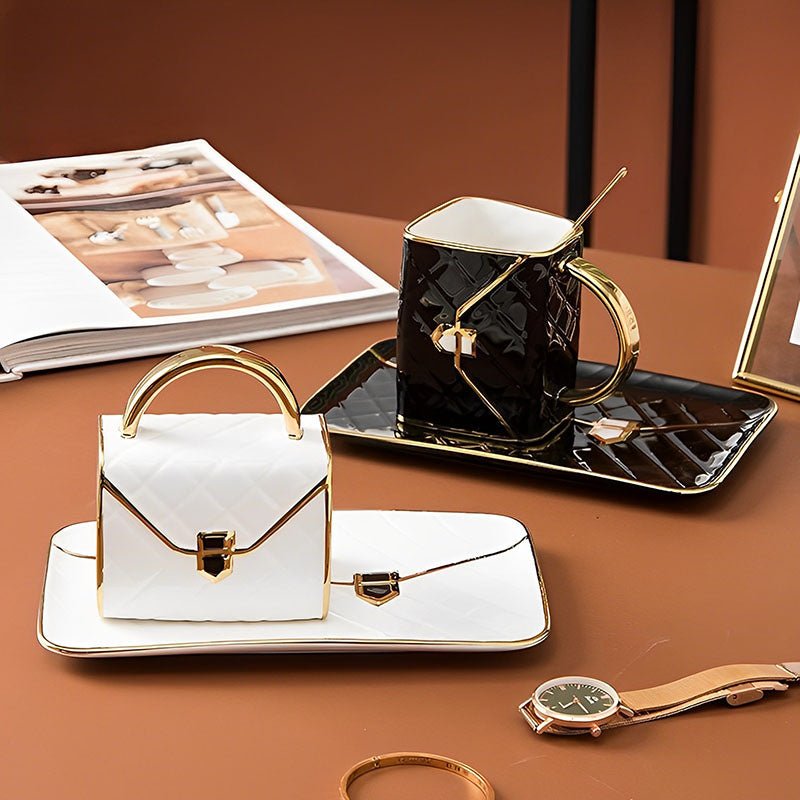
Unique Coffee Mugs: What Actually Makes One Worth Buying
A practical guide to choosing unique coffee mugs that look distinctive and still hold up to daily use. We cover materials, size, handle comfort, care, and the trade-offs that matter before you buy.
Weiterlesen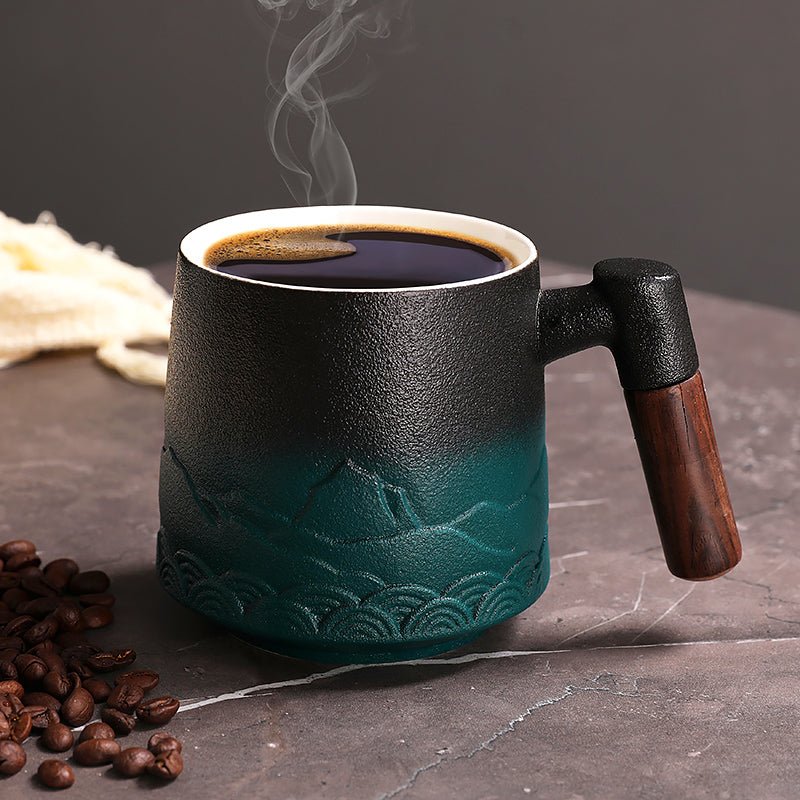
Bad Dragon Coffee Mug: What to Check Before You Buy
A practical buyer’s guide for shoppers comparing a bad dragon coffee mug for daily use, gifting, or desk display. We cover materials, size, print durability, and the trade-offs that matter before y...
Weiterlesen
Hinterlasse einen Kommentar
Diese Website ist durch hCaptcha geschützt und es gelten die allgemeinen Geschäftsbedingungen und Datenschutzbestimmungen von hCaptcha.