
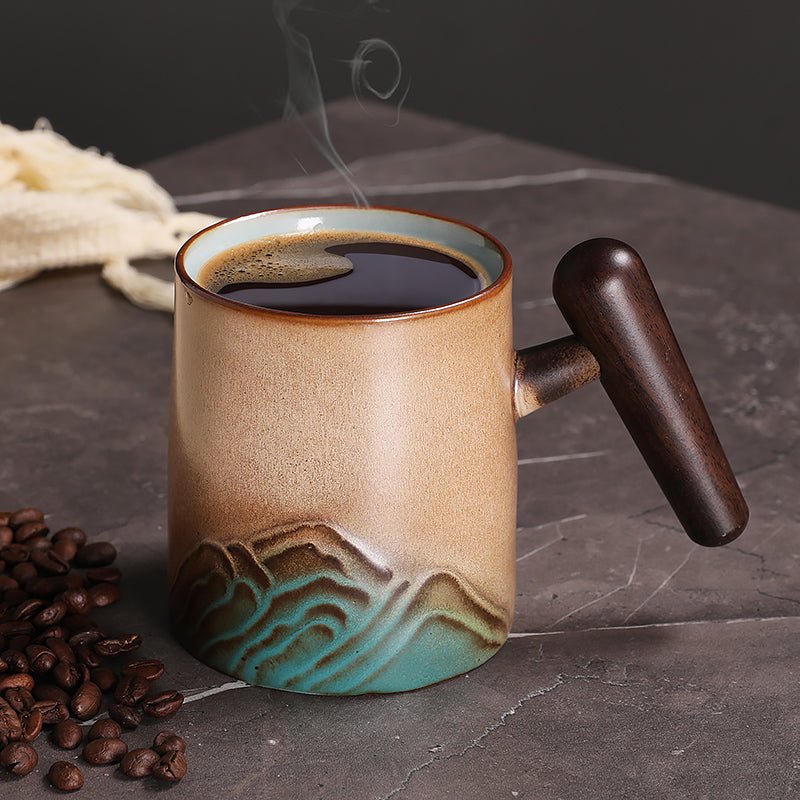
Tea in a Big Mug: What to Buy for Comfort, Heat, and Daily Use
Reading time: about 9 minutes
A mug that looks perfect in photos can feel wrong the first time you fill it with tea and try to carry it from the kettle to your desk. If the handle pinches, the rim feels too wide, or the mug is so large that the tea cools before you finish it, the size you thought would be convenient turns into a daily annoyance.
We see that often in our store. People want tea in a big mug because they drink slowly, like a generous refill-free serving, or simply prefer one vessel for the whole morning. The right pick depends on more than capacity. Shape, wall thickness, handle clearance, and cleaning all matter.
If you are comparing options right now, our mug collection is the fastest place to compare styles side by side, and our full collection is useful if you want to filter beyond just large tea mugs. If you want a broader comparison first, our Big Tea Mug Buying Guide for Size, Comfort, and Daily Use covers the basics before you decide.
What size actually works for tea in a big mug?
For most shoppers, the sweet spot is a mug that feels generous without becoming awkward. A larger tea mug often sits in the 14 to 20 oz range, while extra-large mugs can go beyond that. That does not automatically make them better. A mug that is too big can cool faster, especially if the walls are thin or the mouth opening is very wide.
We usually tell buyers to think about how they drink tea, not just how much they want in the cup. If you finish one mug before taking a break, a larger capacity helps. If you sip over an hour, a slightly smaller mug with thicker walls may keep the experience better.
- Choose a mid-large mug if you want one comfortable serving that still feels balanced in hand.
- Choose an oversized mug if you like long desk sessions and do not want to refill.
- Choose a narrower shape if heat retention matters more than maximum volume.
A big mug is not ideal for everyone. If you only drink a small, very hot cup of delicate green tea, a huge open mug can make that tea feel lukewarm too quickly. For that use, a smaller cup may be the better choice.
Which mug materials hold up best for daily tea use?
For everyday tea, we usually see shoppers lean toward ceramic and stoneware. They are dependable, comfortable to hold, and easy to live with on a kitchen counter or office desk. Ceramic tends to give a smoother finish and a lighter feel. Stoneware often has a denser body and can feel sturdier in the hand.
If you buy a large mug, material matters even more than it does with a smaller one. Bigger mugs hold more liquid, so weak handles, uneven bases, and thin rims show up fast in daily use. We pay close attention to the handle join, the glaze finish, and whether the mug sits flat without rocking.
| Material | What it does well | Trade-off |
|---|---|---|
| Ceramic | Comfortable feel, everyday versatility, easy styling | Can chip if stacked carelessly |
| Stoneware | Solid feel, good heat retention, durable look | Often heavier in a large size |
| Porcelain | Cleaner look, usually lighter, refined rim feel | Can feel less substantial for heavy daily use |
| Glass | Shows tea color, modern look | Usually less insulating and easier to handle with heat |
Our honest take: if you want tea in a big mug for workdays, ceramic or stoneware is usually the safest bet. If your priority is a lightweight feel, porcelain can be appealing, but it is not always the best choice for a mug that gets stacked, carried, and washed constantly.
What shape makes a big mug easier to drink from?
Shape changes the whole experience. A very wide mug can feel generous, but it also exposes more surface area, which lets tea lose heat faster. A tall, slightly narrower mug often feels more practical because it holds warmth better and is easier to grip without wrapping your whole hand around a hot wall.
We look for three details when we handle big mugs in our store:
- Rim comfort — A smooth, even rim feels better when you drink directly from the mug.
- Handle clearance — Your fingers should fit cleanly without brushing the mug wall.
- Base stability — A wider, flat base reduces wobble on a desk or tray.
The wrong shape can turn a mug into a nuisance. If the mug flares too much at the top, it can cool quickly and feel bulky under a cabinet. If the handle is too small for the mug’s size, it becomes uncomfortable once the mug is full.
For shoppers comparing styles, our Big Mug Buying Guide: Sizes, Materials, and Daily Use Trade-Offs is a helpful next read because it breaks down the shape-and-material choices that matter in real use.
How do you keep a large tea mug practical on a desk or counter?
Big mugs work best when they fit your real routine. On a desk, they need enough stability to sit beside a keyboard, notebook, or laptop without feeling like they take over the whole workspace. On a kitchen counter, they need to be easy to rinse, stack, and dry.
In our experience, the features that matter most for daily tea are not flashy:
- Dishwasher-safe care is a real convenience if you use the mug every day.
- A smooth glazed interior helps tea stains rinse out more easily.
- A handle that stays cool enough to hold makes a difference with hot pours.
- A flat, stable base matters more than most shoppers expect, especially on office desks.
There are also limits. A large mug is not the best pick if you rely on a cup holder, want to pack it in a lunch bag, or need something that fits a small under-cabinet shelf. Bigger is not automatically better for portability.
We tell customers to picture a normal weekday, not a styled kitchen photo. If the mug is easy to fill, easy to wash, and comfortable at your desk, it is probably the right size.
What defects should you check before buying a big tea mug?
Large mugs reveal flaws quickly. A tiny glaze issue on a small cup may be harmless, but on a big tea mug it can affect comfort and durability. Before you buy, look for the same details we inspect when we handle inventory:
- Uneven glaze around the rim or handle join
- Hairline cracks near the base or handle attachment
- Wobble on a flat surface
- Sharp seam lines on the handle
- Thick or uneven rim finish that feels rough when drinking
These issues do not always mean a mug is unusable, but they do affect everyday satisfaction. A mug with a slightly rough handle or a base that rocks on the table is one you notice every morning.
Another practical point: check whether the mug is safe for your dishwasher and microwave habits. If you routinely reheat tea, a mug that handles microwave use is more convenient than one that only looks decorative.
Is a big mug good for every type of tea?
No, and that is worth saying plainly. A big mug is a great fit for black tea, herbal blends, chai, and casual daily drinking. It is less ideal for teas where temperature and aroma need more control. Delicate green teas, some white teas, and traditional serving styles can feel better in a smaller vessel.
Here is the practical trade-off:
- Better for big mugs: breakfast tea, tea with milk, herbal tea, long desk drinking sessions
- Better for smaller cups: short pours, teas served very hot, or teas you want to finish while the aroma is at its peak
If you mostly drink tea while working, a large mug makes sense. If you treat tea as a timed ritual, you may want a different format. That is not a failure of the mug; it is just the wrong tool for the job.
What should you compare before placing an order?
If you are ready to buy, compare the mug the same way we would in-store: by use case first, then by looks. A pretty mug that feels wrong in your hand usually gets left behind after the first week.
- Capacity: Decide whether you want a large daily mug or an extra-large pour.
- Shape: Narrower shapes hold heat better; wider shapes feel open but cool faster.
- Handle: Check finger room and grip comfort when the mug is full.
- Material: Ceramic and stoneware are the most practical for most tea drinkers.
- Care: Confirm dishwasher and microwave habits match your routine.
If you want a quicker side-by-side browse, our products page is the best place to start. For a broader pass through our drinkware selection, the collection page makes it easier to compare mug styles and find a shape that suits tea, coffee, or both.
For shoppers comparing gifting options too, our Best Tea Mug: What to Buy for Daily Tea, Desk Use, and Gifts is useful because it focuses on the balance between presentation and everyday usability.
Frequently asked questions
What size mug is best for tea in a big mug?
For most people, a mug in the 14 to 20 oz range is the most practical starting point. It gives you a generous pour without becoming so large that the tea cools too quickly or feels awkward in hand. If you drink slowly, you may prefer a slightly thicker-walled mug to help hold heat longer.
Is ceramic or stoneware better for a large tea mug?
Both work well, but ceramic usually feels a bit lighter while stoneware feels sturdier and often holds heat nicely. If the mug is going to live on a desk or kitchen counter and get used daily, both are solid choices. If you want a lighter feel, ceramic may be the better fit.
Can I put a big tea mug in the dishwasher?
Many large mugs are dishwasher-safe, but you should still check the care details before buying. Bigger mugs can take up more rack space, so handle shape and base size matter during washing and drying. If you use your mug every day, dishwasher-safe care is a real convenience.
Why does a large mug sometimes make tea taste worse?
A mug that is too wide or thin-walled can let tea cool before you finish it, which changes the flavor and aroma. That is especially noticeable with delicate teas. A slightly narrower mug with a comfortable handle often gives a better daily drinking experience.
What should I avoid if I want tea in a big mug for desk use?
Avoid mugs with a wobbly base, a tiny handle, or a very wide opening if you sip slowly at your desk. Those details make the mug harder to live with over time. Also avoid overly heavy mugs if you carry them full from the kitchen to your workspace often.
If you are ready to compare actual styles, start with our products and then check the broader collection to match size, material, and handle comfort to your routine. The best mug is the one you will still enjoy after a week of real use, not just the one that looks largest on the shelf.
Related from our store
Read more
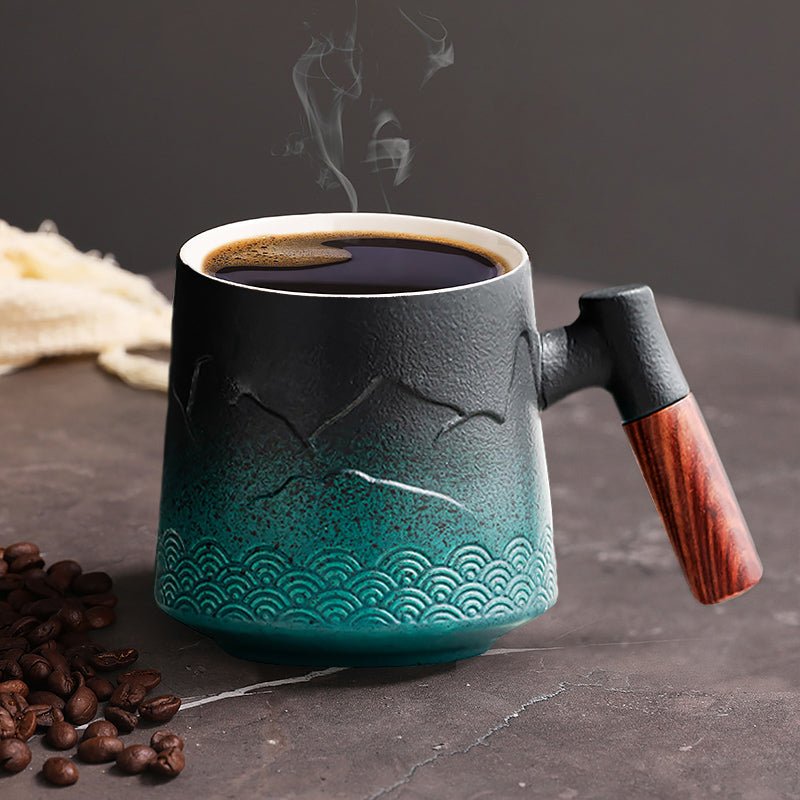
Handle Mug Buying Guide: What to Check Before You Buy
A practical guide to choosing a handle mug that feels steady in the hand, works for your routine, and avoids common build problems. We cover material, handle shape, lid use, care, and the trade-off...
Weiterlesen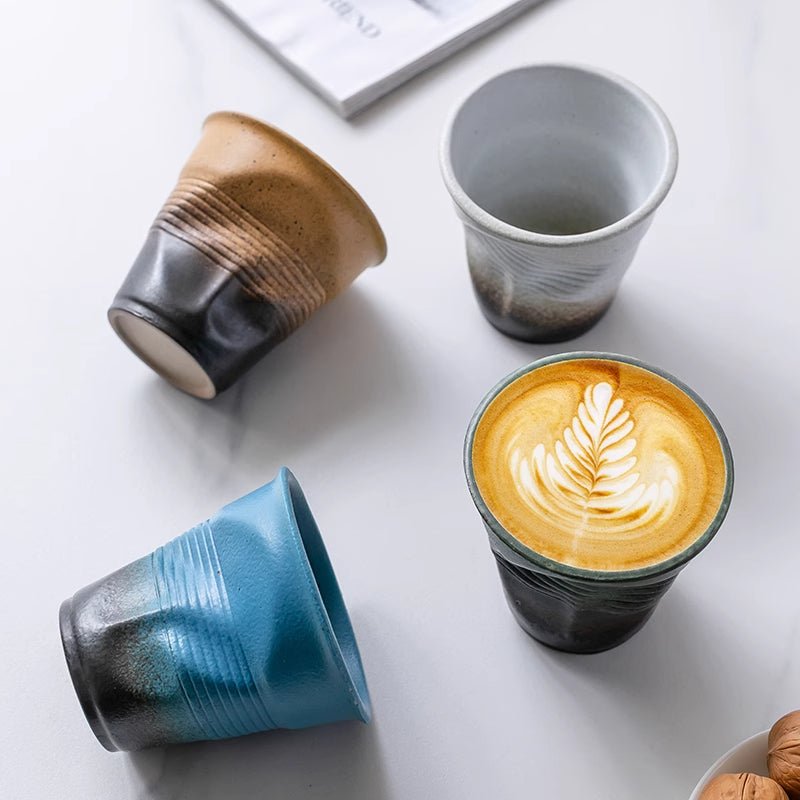
Tea Cups for Sale: How to Choose the Right Style, Size, and Material
Compare tea cups for sale by material, size, handle comfort, and care needs before you buy. See which styles work best for daily tea, gifting, office use, and display.
Weiterlesen
Hinterlasse einen Kommentar
Diese Website ist durch hCaptcha geschützt und es gelten die allgemeinen Geschäftsbedingungen und Datenschutzbestimmungen von hCaptcha.