
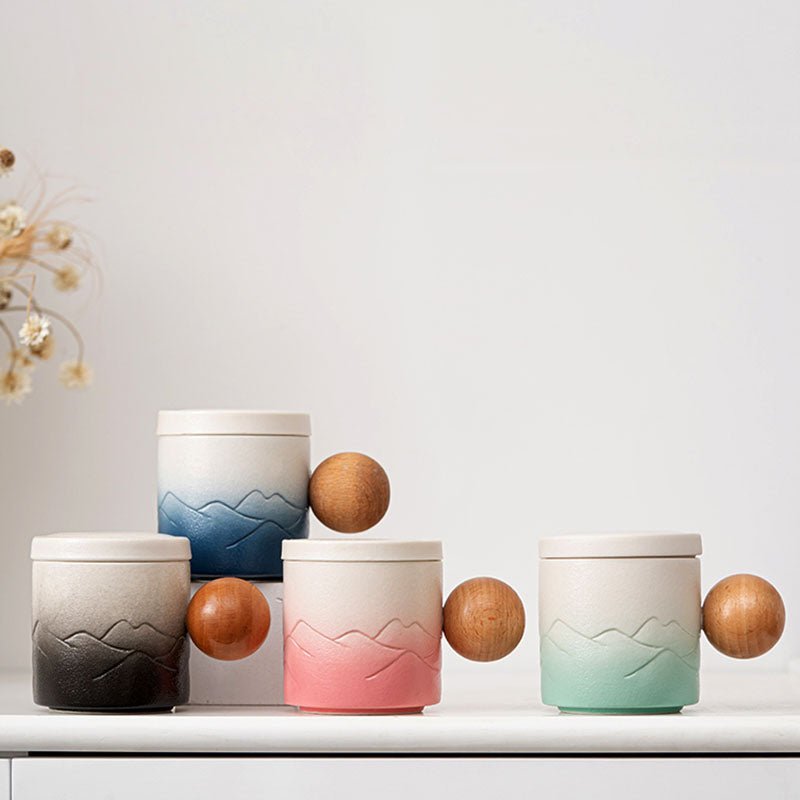
Standard Coffee Mug Size: What Fits Daily Coffee Best
Reading time: about 9 minutes
A mug that looks normal on a product page can feel too small on a Monday morning and too bulky on a cramped office desk. That is usually where the real sizing question starts: not with the label, but with how the mug fits your coffee routine.
At our store, we treat the size of standard coffee mug as the everyday middle ground for most buyers. In practice, that usually means roughly 11 to 13 ounces of usable capacity, though the exact feel depends on wall thickness, rim shape, handle size, and whether the capacity is measured to the brim or to a sensible pour line.
If you are comparing mugs for drip coffee, tea, or a desk-side refill, the right size is the one that stays comfortable in the hand, fits your cabinet, and does not force you to choose between a half-full mug and a spill-prone brim.
What does standard coffee mug size actually mean?
There is no single global standard stamped into every mug. In real buying terms, though, a standard coffee mug usually sits in the 11 to 13 ounce range and covers the everyday mug most people picture on a kitchen shelf. That size is large enough for a normal coffee pour, but not so large that the mug starts feeling like a bowl.
The important distinction is between usable capacity and brimful capacity. A mug can be listed as 12 ounces, but once you account for the lip, the curve of the interior, and the headspace you want to avoid spills, the practical fill may feel a little less generous. That is normal. It is one reason two mugs with the same ounce label can feel very different in use.
We see this most often with ceramic mugs. A thicker-walled ceramic mug may feel sturdier and retain heat a bit longer, but the interior opening can be slightly narrower than the outside profile suggests. A mug with a wider bowl can feel more open and easier to sip from, while a tall narrow mug may look larger without actually giving you much more room.
If you want a deeper sizing breakdown, our guide on Standard Coffee Mug Size: How to Choose the Right Everyday Mug compares the everyday fit in more detail.
How does mug size change the way you use it?
The right mug size changes more than capacity. It changes how hot the coffee feels, how the mug sits on a desk, and how likely you are to use it every day without thinking about it.
- Heat retention: A larger mug exposes more surface area, so coffee can cool faster if you sip slowly. A thicker ceramic wall helps, but it does not replace a lid or insulation.
- Grip comfort: A handle should leave enough room for your fingers without forcing your knuckles against the mug body. If the handle opening is tight, the mug can feel awkward even when the capacity is right.
- Cabinet and shelf fit: Tall mugs can save horizontal space, while wider mugs are easier to stack visually on open shelving. A mug with a wide base is usually less annoying on a crowded countertop.
- Microwave and dishwasher use: Ceramic mugs are simple to clean, but a printed glaze, a rough foot ring, or a narrow handle can change how they feel after repeated wash cycles.
- Serving style: If you top coffee with milk or foam, a standard mug can start to feel cramped fast. If you drink black coffee, the same mug may feel perfectly sized.
There is also a practical limit to what a standard mug is good for. It is not the right choice for commuters, for coffee you want to keep hot for a long stretch, or for oversized milk drinks that need more room than a normal handle mug can comfortably offer. In those cases, a travel tumbler or a larger latte-style cup makes more sense.
For buyers who want the broader sizing picture, Average Coffee Mug Size: What Buyers Should Expect and Coffee Mug Ounces: How to Pick the Right Size for Daily Use are useful follow-ups.
Which mug size fits different drink routines?
If you are buying for a specific routine, the best mug size becomes easier to narrow down. We usually frame it like this:
| Approximate size | Best for | Trade-off |
|---|---|---|
| 8 to 10 oz | Short pours, espresso-based drinks, small tea servings | Feels small for drip coffee and may need frequent refills |
| 11 to 13 oz | Everyday drip coffee, black tea, balanced all-purpose use | Not ideal if you add a lot of milk or want extra headroom |
| 14 to 16 oz | Large coffee pours, milky drinks, longer desk sessions | Can feel heavy when full and take more cabinet space |
The middle range is where most shoppers land because it does not force a compromise in either direction. It is small enough to feel like a normal mug and large enough to handle a real serving of coffee without constant topping off.
If your routine is a single cup before work, the standard size usually makes the most sense. If you treat coffee like a slow desk companion and refill less often, a larger mug can be a better fit. If you prefer strong coffee in a small amount, the standard size may actually be too much.
For people comparing shape and footprint, our article on Best Ceramic Mug Size for a Small Coffee Corner is useful if cabinet space is part of the decision.
What should you check on a product page before buying?
Size labels are only the starting point. In our experience, the buyers who are happiest with their mugs usually check the details that do not always look important at first glance.
- Usable capacity, not just the number in the title: A mug listed at 12 ounces may not feel the same as another 12-ounce mug if one has a wider bowl or more upright sides.
- Handle clearance: A handle should be large enough for a comfortable grip, especially if you drink from it while standing at the sink, at a desk, or on a couch with one hand.
- Base stability: A flat, even base matters more than most shoppers expect. A mug that rocks slightly can feel cheap and is more annoying in a dishwasher rack.
- Material and finish: Ceramic is the usual everyday choice because it is durable, easy to wash, and familiar in the hand. Watch for smooth glaze coverage, because rough spots, pinholes, or pooling glaze can affect the feel.
- Care instructions: If a mug is dishwasher-safe and microwave-safe, it will usually be easier to keep in daily rotation. Printed designs still deserve a close look, because repeated heat and detergents can reveal weak glaze work over time.
There are a few common defect modes we look for when we handle mug samples: hairline cracks near the rim or handle join, uneven glaze at the foot ring, and a handle that is technically attached but does not feel balanced in the hand. Those details are worth checking because they affect long-term use more than the graphic on the outside.
A standard mug is also not the best option if you are trying to solve a heat-retention problem. If you need coffee to stay hot for a long commute, an insulated tumbler is the better tool. If you want a mug for a very small cabinet or a narrow espresso machine clearance, a smaller shape may be more practical than a classic everyday cup.
Which mugs in our store are closest to standard size?
If you want a starting point that matches the standard coffee mug size conversation, these are the mugs we would look at first in our store:
- Round Coffee Tea Mug is the closest to the classic everyday mug shape. It is the easiest choice if you want a familiar silhouette, a balanced hand feel, and a mug that will not look out of place on most kitchen counters.
- Landscape Tall Coffee Tea Mug is a better fit if you like a taller profile and want a mug that takes up less counter width. Tall mugs can be nice on small shelves, but they may feel a little less stable if the base is narrow.
- Elk and Moon Coffee Tea Mug works well if you want a giftable printed mug that still behaves like a real everyday cup. It is a stronger choice for a desk, kitchen shelf, or housewarming gift than for someone who wants a plain utility mug.
You can also browse the full all mugs collection if you want to compare shapes, artwork, and everyday sizes in one place.
If you are still deciding, use the sizing angle first and the design angle second. That is usually the cleanest way to buy a mug you will keep using. For more background, the guides Standard Coffee Mug Size: What Buyers Should Know Before Ordering and Average Coffee Mug Size: What Buyers Should Know Before Ordering help separate label language from the mug you will actually hold.
Frequently asked questions
What is the standard coffee mug size in ounces?
For everyday use, standard coffee mug size usually falls around 11 to 13 ounces. Some brands call 12 ounces standard, but the usable pour can feel a little smaller once you leave room at the top. That is why capacity and shape should be checked together.
Is a 12 oz mug big enough for drip coffee?
Yes, a 12 oz mug is a solid match for most drip coffee servings. If you add a lot of milk or like extra headspace so the coffee does not come close to the rim, moving up to 14 or 16 ounces can feel more comfortable.
Are ceramic mugs good for everyday use?
Ceramic is one of the best everyday materials because it is familiar, easy to wash, and comfortable to hold. It is not the best choice for commuting or for keeping coffee hot for a long time, but for home and desk use it is usually the most practical option.
What mug size is best for a small kitchen or office desk?
A standard mug in the 11 to 13 ounce range is usually the safest pick for a small space. It gives you enough capacity without crowding a cabinet shelf or taking over a narrow desk setup. Tall mugs can help if horizontal space is tight, but they need a stable base.
What should I check if I buy a mug online?
Check the listed capacity, the mug dimensions, the handle opening, and the care instructions. If those details are missing, that is a warning sign. A mug should be easy to hold, stable on a flat surface, and suitable for the way you plan to wash and use it.
What should you compare before you buy?
If you want the shortest path to the right pick, compare these four things before adding a mug to cart:
- Capacity: Decide whether you want a true everyday standard or something larger for milk-heavy drinks.
- Shape: Choose between a classic round mug, a taller profile, or a more gift-focused printed mug.
- Comfort: Check handle space, rim feel, and base stability, since those are the details you notice every morning.
- Care: Confirm whether the mug fits your dishwasher and microwave routine so it stays in rotation instead of sitting unused.
If you want a sensible starting point, open the all mugs collection, compare the round and tall shapes against your cabinet space, and choose the mug that matches how you actually drink coffee at home or at your desk.
Read more
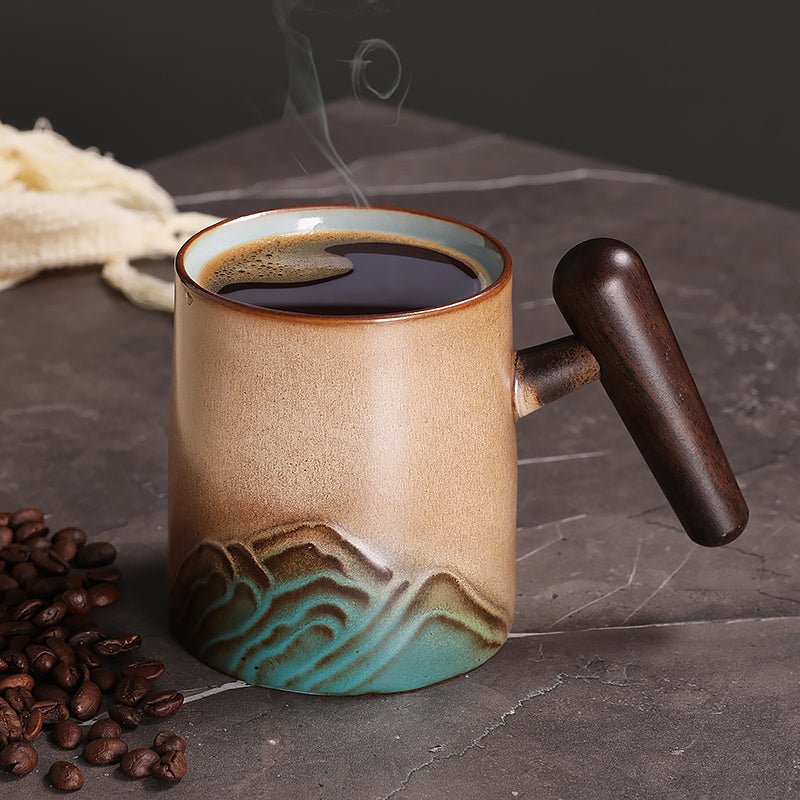
Enormous Coffee Mug Buying Guide: What to Check Before You Buy
An enormous coffee mug changes how your morning setup works, but only if the shape, handle, and finish suit real daily use. We break down what to check before you buy and which oversized mugs fit d...
Weiterlesen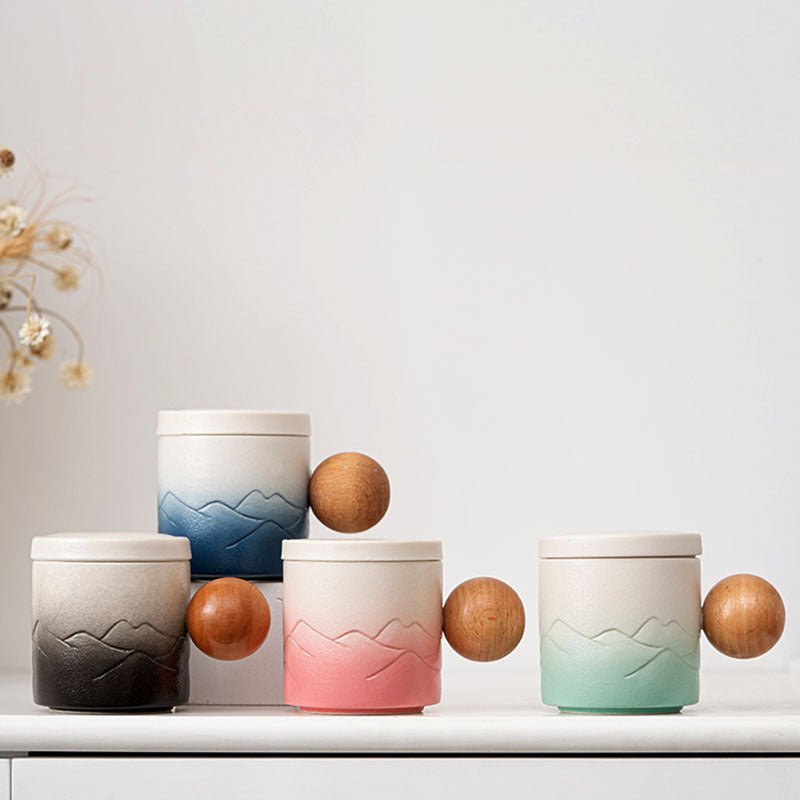
Japanese Coffee Mugs: What to Buy for Daily Coffee and Tea
Japanese coffee mugs work best when the shape fits real use, not just the photo. We break down the practical differences, what to check before buying, and which CoffeifyMug picks make sense for dai...
Weiterlesen
Hinterlasse einen Kommentar
Diese Website ist durch hCaptcha geschützt und es gelten die allgemeinen Geschäftsbedingungen und Datenschutzbestimmungen von hCaptcha.