
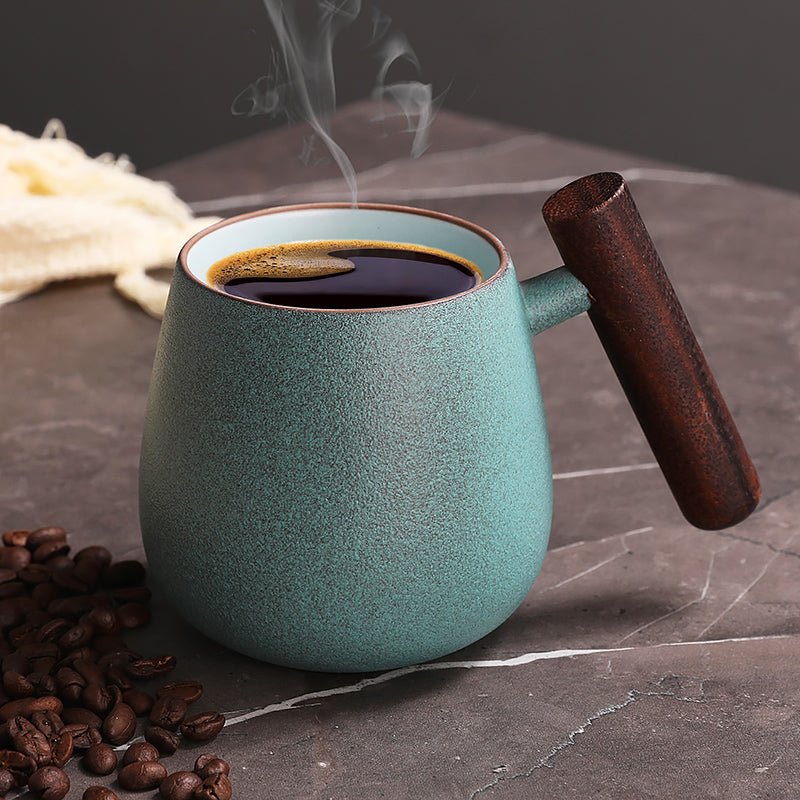
Stacked Coffee Mugs Buying Guide for Stable, Easy-Store Sets
Reading time: about 10 minutes
A stacked mug that rocks on the shelf, chips on the rim, or takes two hands to separate gets ignored fast. In our store, we see the same pattern again and again: buyers want stacked coffee mugs because they look tidy and save space, but they only keep using them if the stack is stable, the size feels right, and the finish holds up to normal kitchen life.
That is the lens we use here. Not just how the mugs look on a product page, but how they behave on a kitchen counter, an office desk, or in a gift box after the unboxing is over.
If you want to browse the full range first, start with our collection of mugs and drinkware. For shoppers who already know they want a more decorative stack, two useful examples are the Handbag Coffee Tea Mug and the White Golden Waves Tall Coffee Tea Mug.
What should stacked coffee mugs solve in a real kitchen?
The best stacked coffee mugs do three jobs at once. They free up cabinet space, make it easier to grab a matching mug fast, and look organized even when the rest of the shelf is not perfect. That matters in a small kitchen, a shared office pantry, or a break room where everyone reaches for the same set every morning.
We also think about the daily handoff between storage and use. A mug that stacks well but has a slippery glaze, a narrow handle opening, or a base that catches on the rim of the mug below it can be annoying every single day. A good stack should separate cleanly, sit flat, and feel balanced on the counter.
That is why we do not treat style and function as separate decisions. A tall silhouette can look elegant, but if the cabinet shelf is shallow or the mug is top-heavy, it is the wrong purchase for that home.
How do you tell if a stack will feel stable on the shelf?
Stability is the first thing we check. A stack should sit still on a flat surface without a visible wobble. If the base of one mug is much smaller than the rim of the next mug, the set may look neat in photos but feel awkward in daily use.
We look for a few concrete signs before recommending stacked coffee mugs:
- A flat or evenly footed base that does not rock on granite, tile, or a painted shelf.
- Enough clearance between handle and body so fingers can lift one mug without knocking the next one.
- Rims that are smooth and even, with no sharp edge where repeated stacking could create chips.
- Consistent wall thickness so one mug does not sit noticeably crooked on another.
- A height that fits the cabinet shelf after you account for the space your hand needs to slide the mug in and out.
A simple test helps. Place the stack on a hard counter, give it a light nudge, and see whether it settles or tips. That is more useful than a styled photo because it reflects how the stack behaves after coffee, when hands are moving quickly and the counter may be crowded.
Which materials and finishes are easiest to live with?
For most buyers, the real decision is between ceramic and stoneware-style mugs with different glaze finishes. Ceramic tends to feel clean and smooth in the hand, while stoneware usually feels a little heavier and more substantial. Neither is automatically better. The better choice depends on whether you want a lighter mug that is easy to lift or a heavier mug that feels anchored on the desk.
Finish matters just as much as material. A glossy glaze can wipe clean quickly, but if the surface is too slick, the mugs may slide more than you want when stacked. A matte finish often looks refined, yet it can show wear differently over time and may need a bit more care around metal utensils and rough shelves. If a listing mentions gold detailing or decorative accents, we recommend checking care instructions closely before putting it through repeated dishwasher cycles.
There are a few common defect modes we pay attention to in this category:
- Hairline cracks near the handle join, which are easy to miss until the mug warms up.
- Uneven foot rings that cause a mild wobble on smooth surfaces.
- Glaze pinholes or rough spots that can make a stack feel unfinished.
- Small rim chips from shipping or from mugs rubbing together in a packed cabinet.
Stacked coffee mugs are not the best choice if you want something ultra-light for travel or if you are rough on dishware. If your household tends to shove mugs into a crowded sink or toss them into a cupboard without lining them up, a simpler single mug with a wider base may be the safer pick.
Which stacked coffee mugs fit a kitchen, office, or gift better?
Different buyers want different things from the same category. A kitchen set needs dependable spacing. An office mug needs a shape that is easy to grab one-handed. A gift mug has to look good the moment the box opens, because that first impression is part of the purchase.
Here is how we think about a few styles in our store:
| Buyer need | What to look for | Why it matters |
|---|---|---|
| Everyday kitchen use | Stable base, smooth stacking lip, easy cleanup | Handles repeat use, cabinet storage, and dishwasher rotation without feeling fussy |
| Desk or office use | Comfortable handle, balanced height, easy one-hand lift | Reduces spills and makes a mug easy to pull from a crowded workstation |
| Gift giving | Distinctive silhouette, polished finish, secure packaging | The mug needs to look considered on arrival, not just on a product page |
If you like a more decorative silhouette, the Mountain Tall Coffee Tea Mug is a strong example of a mug that reads as a statement piece rather than plain storageware. If your priority is visual interest with a lighter, more playful shape, the Handbag Coffee Tea Mug is the kind of item that tends to stand out in a gift box. For buyers who prefer a cleaner, more refined presentation, the White Golden Waves Tall Coffee Tea Mug fits that brief better.
For size-specific shopping, our guides to 12 oz Coffee Mugs: How to Choose the Right Mug for Daily Use and 16 Ounce Coffee Mugs: Size, Materials, and Fit Guide are useful if you are comparing capacity before you choose a style.
What do we check before we recommend a mug for regular use?
Our team looks at the boring details because that is where buyer regret usually starts. A mug can look excellent in a photo and still fail basic daily use if the balance is off or the finish is too fragile for a shared kitchen.
Before we would personally recommend stacked coffee mugs, we want to see:
- A mug that feels comfortable to grip with a full pour inside, not just when empty.
- A rim that is smooth enough for hot drinks without feeling rough against the lip.
- Packaging that protects the handle and rim, since those are the first points to chip in transit.
- Care guidance that matches how people actually use mugs, especially if dishwasher use is allowed.
- A shape that can be stored without forcing the handles against each other.
We also think about how the mug will age. Decorative mugs can be a better fit for occasional use, a guest shelf, or a gift shelf than for someone who wants a workhorse cup every weekday. That is not a flaw. It is simply the wrong job for the product.
Our practical rule: if a mug is beautiful but annoying to separate, awkward to wash, or too tall for the cabinet, it is not a good stack for everyday use.
Which stacked coffee mugs are not the right choice?
Some buyers are happier with a different shape. If your shelves are very short, a tall stacked mug can turn into a storage problem. If you need to fit mugs into a narrow dishwasher rack, an oversized handle or wide body may be inconvenient. If your household prefers large refill-free pours, a compact stacked cup may feel too small and encourage constant top-ups.
Stacked coffee mugs are also not ideal for rough, high-traffic use where mugs get bumped around a lot. A thick travel mug or a simpler everyday ceramic mug may survive that environment better. Likewise, if you want a mug for camping, commuting, or moving between office and car, a decorative stack should not be your first choice.
That is why we encourage shoppers to think about the real use case first. Pretty should not be the only reason to buy.
How do you compare styles before placing an order?
The easiest way to narrow the choice is to compare three things side by side: shape, storage behavior, and care. If you are trying to decide quickly, use this checklist before you add anything to cart.
- Measure shelf height. Leave room above the stack so you are not scraping the top mug every time you reach in.
- Check the base and rim shape. A flat, consistent foot ring usually stacks better than a heavily rounded base.
- Decide how often it will be washed. If the mug will go through the dishwasher regularly, choose a finish that is meant for routine use.
- Match the mug to the room. A gift shelf, office desk, and family kitchen do not need the same mug shape.
- Read the care notes carefully. Decorative accents often change how you should wash and store the mug.
If you want to compare styles across the broader assortment before deciding, the full collection at CoffeifyMug is the fastest place to scan what fits your space and your use case.
For buyers who want more detail on size choice, our article 14 Ounce Coffee Mugs: Size, Fit, and Buying Guide is a helpful cross-check if you are unsure whether a taller mug or a more compact one will fit your routine better.
Frequently asked questions
Are stacked coffee mugs good for everyday use?
Yes, if the stack is stable, the handle is comfortable, and the finish is durable enough for repeated washing. They work especially well in kitchens where cabinet space is tight and matching mugs are used often. They are less suitable if you want a mug that gets tossed around or packed for travel.
What should I check before buying stacked coffee mugs online?
Check the height, base shape, handle clearance, and care instructions first. If the listing does not clearly show the mug from the side and the bottom, it is harder to judge stability. We also like to see clear packaging details because rim and handle chips usually happen in transit.
Are decorative stacked mugs practical or just display pieces?
They can be practical, but only if the decorative details do not interfere with stacking or washing. A refined finish or a sculpted shape is fine for daily coffee if the mug still sits flat and feels balanced in hand. If the decoration is delicate, we usually think of it as a better fit for gift giving or lighter use.
How many mugs should a stack have?
Most buyers do well with a small stack that fits the way they actually drink coffee, not a larger set that takes over the cabinet. Two to four mugs is often enough for a household or office desk setup. Beyond that, the stack can become harder to store and rotate cleanly.
Do stacked coffee mugs have to be the same size?
Not always, but they should be intentionally matched. A set with uneven heights can still work if each mug nests or stacks safely, yet mismatched sizes can feel unstable and may chip more easily at the contact points. If you mix sizes, test the stack on a flat counter before you commit to it.
If you want the most practical next step, compare the shape, height, and care notes on the three product pages above, then choose the one that fits your shelf and washing routine. If you are still undecided, start with the full CoffeifyMug collection and filter by the style you would actually use every day.
Read more
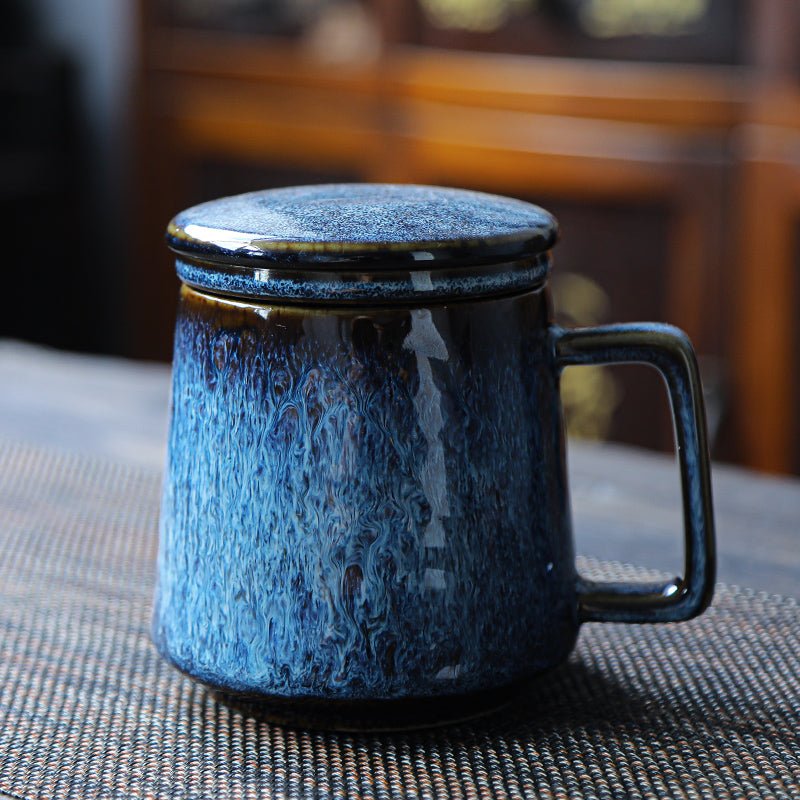
Ginger Coffee Mug Buying Guide: What to Check Before You Buy
A practical guide to choosing a ginger coffee mug based on size, material, and everyday use. We break down what works on a kitchen counter, at a desk, and in a gift box.
Weiterlesen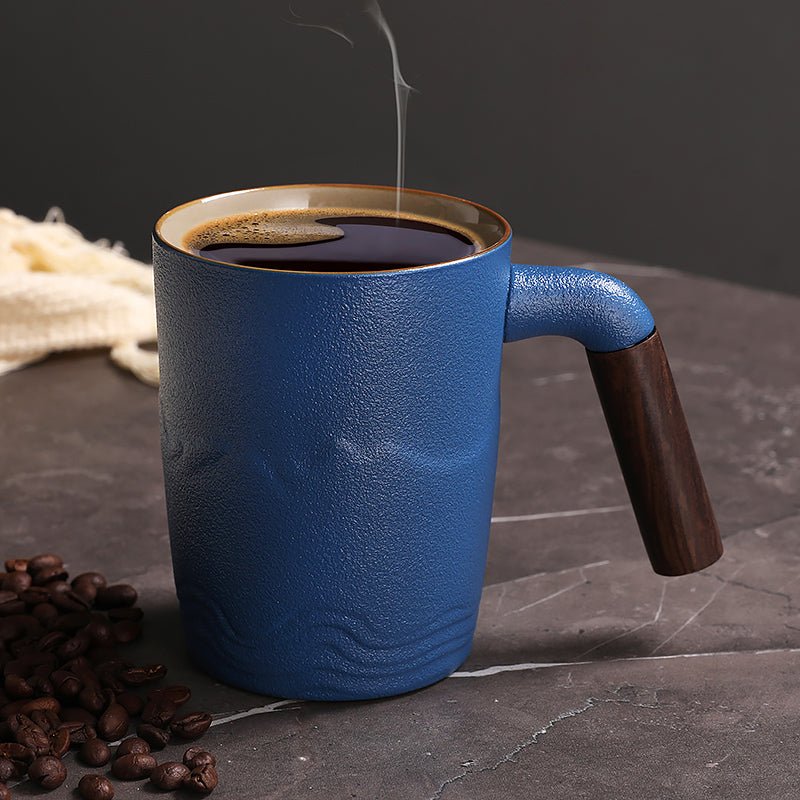
Grandma Coffee Mug Buying Guide: Size, Style, and Real-World Checks
A practical grandma coffee mug guide for shoppers comparing size, handle comfort, artwork, and care. We cover the trade-offs so you can pick a mug she’ll actually use.
Weiterlesen
Hinterlasse einen Kommentar
Diese Website ist durch hCaptcha geschützt und es gelten die allgemeinen Geschäftsbedingungen und Datenschutzbestimmungen von hCaptcha.