
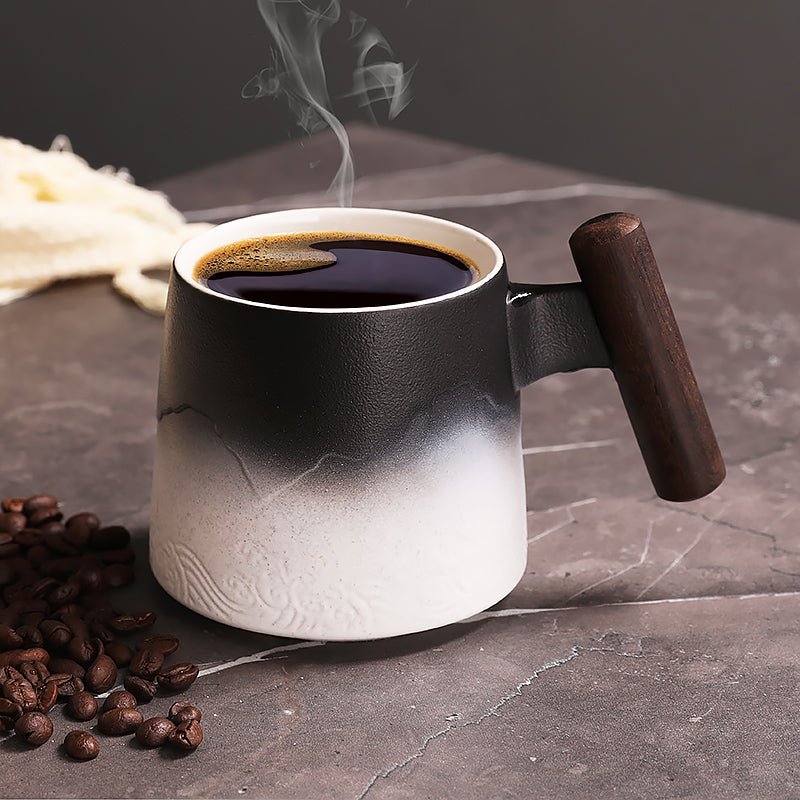
Speciality Coffee Mugs: How to Choose the Right One
Reading time: about 10 minutes
A mug can ruin a good pour-over fast: the handle pinches your knuckles, the bowl cools the coffee too quickly, or the base takes up too much room beside a laptop and a grinder. That is usually where speciality coffee mugs earn their keep. They are not just decorated cups. They are the mugs people reach for when taste, comfort, and daily use all matter at the same time.
In our store, we see buyers compare speciality coffee mugs for very practical reasons. Some want a shape that feels better than a generic diner mug. Some want a piece that looks good on a kitchen shelf and still works for an office desk. Others are shopping for a gift and need something more distinctive than the usual plain white cup. The right choice depends on how you actually drink coffee, not just how the mug looks in a photo.
What makes speciality coffee mugs different from a regular mug?
Speciality coffee mugs usually stand out in three ways: the shape, the finish, and the way they fit a specific drinking habit. A standard mug is built to be neutral. A speciality mug is usually chosen because it does one or two things better, such as feeling more balanced in the hand, presenting the coffee in a more thoughtful way, or adding visual character to a counter or shelf.
From a buyer's point of view, that often means paying attention to details that are easy to miss online. We look at handle clearance for real fingers, rim thickness for comfort, and whether the base feels stable on a desk or tray. A mug that photographs well but feels awkward with a full pour is not a good buy. The same is true for mugs that look great but are too small for a milk drink or too tall for the way you brew at home.
If you are still sorting out capacity first, our size guides can help you narrow the field. We have separate breakdowns for 10 oz Coffee Mugs: How to Choose the Right One for Daily Use and 12 Ounce Coffee Mugs: Size, Fit, and Best Buying Choices, which are useful if you already know you want a smaller or fuller cup.
Which mug size fits your coffee routine best?
Size changes the whole experience. A mug that feels perfect for black coffee can feel undersized once you add milk, foam, or a longer pour-over. On the other hand, an oversized mug can make a smaller espresso-based drink feel spread thin and cool too fast.
Here is the practical way we compare speciality coffee mugs in our store:
- 10 oz range: Better for smaller drip pours, shorter coffees, and people who want less leftover drink sitting on the table.
- 11 oz range: A versatile middle ground for everyday use, especially if you switch between black coffee, tea, and the occasional milk drink. If you are comparing that size closely, our post on 11 Ounce Coffee Mugs: Size, Fit, and Best Picks for Daily Use is a useful companion.
- 12 oz and above: Better when you like room for milk, cream, or a generous morning pour, or when you want one mug that covers coffee and tea without feeling cramped.
For shoppers who care about everyday flexibility, the question is not only how much liquid fits. It is how the mug feels when half full, how stable it sits on a crowded desk, and whether the handle leaves enough space for two or three fingers without forcing a grip change. Those are the details that decide whether a mug gets used every day or stays at the back of the cabinet.
If you want a broader comparison before choosing, our article on 14 Ounce Coffee Mugs: Size, Fit, and Buying Guide covers larger mugs that suit people who prefer a roomier cup. It is a helpful contrast point if you are deciding between a standard drink and a more generous serve.
Which materials and finishes are worth paying attention to?
Material matters because it affects heat retention, weight, durability, and the feel of the rim. Most speciality coffee mugs are built around ceramic or stoneware styles because they offer a good balance of everyday comfort and visual appeal. What matters more than the label is the build quality: a mug should feel even in the hand, sit flat on the table, and have a finish that does not distract you while you drink.
Here are the details we check before recommending a mug:
- Rim comfort: A smooth, even drinking edge matters more than people think. A rough or uneven rim is noticeable from the first sip.
- Handle shape: The handle should give enough knuckle room and not force your fingers against the body of the mug, especially when the mug is hot.
- Base stability: A flat, well-balanced base matters on both kitchen counters and office desks. Wobble is a small defect that becomes annoying fast.
- Surface finish: Glazed finishes are usually easier to wipe clean and tend to hide everyday fingerprints better than highly matte finishes, though matte styles can look sharper on a shelf.
There are trade-offs. Heavier mugs feel solid and often better for desk use, but they are less ideal if you want something light for repeated refills. Large handles are comfortable, but they can also make the mug take up more room in a dishwasher rack. Decorative finishes look distinctive, but they may show utensil marks or coffee staining sooner if you leave drinks sitting for long periods.
For shoppers who want a little more style without losing everyday usability, we suggest looking at our Emerald Coffee Tea Mug. It is the kind of mug that works well when you want something with more visual presence on a shelf or gift table, while still being practical enough for regular use.
Which speciality coffee mugs fit gifts, desks, and home kitchens?
Different use cases change what a good mug looks like. A gift mug should feel distinctive the moment it is unboxed. A desk mug needs a stable base, easy sipping, and a shape that does not crowd a keyboard. A home kitchen mug may need to stack or line up neatly with the rest of your drinkware.
These are the most common buying scenarios we see:
- Gift buying: Choose a mug with a stronger visual identity and a shape that feels intentional rather than generic. A thoughtful mug says more than a novelty print.
- Office use: Prioritize comfort and stability. A mug with a wide body or overly dramatic handle may look nice but become inconvenient beside a mouse pad and notepad.
- Daily kitchen use: Look for a mug that is easy to rinse, easy to stack if you store by the cabinet, and comfortable enough to pick up several times a day.
We often hear from shoppers who want a mug that feels more memorable than a basic store-brand cup, but not so ornate that it becomes hard to use. That is the balance speciality coffee mugs should strike. A strong design should add character without making the mug awkward to hold, too fragile for regular washing, or too bulky to store. If the mug is only good for display, it is not the right everyday purchase.
Two of our more distinctive options are the Mountain Coffee Tea Mug and the Great Mountain Coffee Tea Mug. They are the sort of pieces shoppers consider when they want a mug with more personality than a plain cylinder, but still want something practical enough for coffee, tea, and repeat use.
How should you care for a speciality coffee mug?
Care is where a lot of mug disappointment starts. A mug can look excellent on day one and still become frustrating if it stains easily, chips along the rim, or loses its finish after routine washing. We always recommend thinking about care before you buy, not after the first coffee stain sets in.
Good daily habits are simple:
- Rinse soon after use if you drink coffee black and leave it sitting in the cup.
- Use a soft sponge rather than abrasive scrubbers on decorated or glossy finishes.
- Do not stack mugs tightly if the glaze or exterior detail could rub against another piece.
- Let the mug cool before moving from a hot drink to a cold rinse, especially if you want to reduce thermal stress over time.
Common defect modes are worth mentioning because they are the things shoppers rarely see in product photos. Small chips around the rim happen during crowded dishwashing or storage. Hairline crazing can appear on some glazed ceramics over time. Handles can feel strong but still be uncomfortable if the opening is too tight for your fingers. None of these issues are dramatic on their own, but they matter in daily use. That is why we prefer mugs that feel comfortable on day one and remain easy to live with after repeated washing.
If you are comparing sizes at the same time, our guide on 11 oz Coffee Mugs: How to Choose the Right One for Daily Use is a useful read. It helps separate what looks right from what actually feels right in the hand.
What should you compare before you add a mug to cart?
A quick comparison checklist saves time and prevents regret. We use the same basic filter whenever we review speciality coffee mugs for the store:
| What to check | Why it matters | Good sign |
|---|---|---|
| Capacity | Matches your drink size | Enough room for your usual brew without spilling or feeling cramped |
| Handle clearance | Comfort in the hand | Space for two or three fingers without pinching |
| Base stability | Safer on desks and counters | Sits flat with no wobble |
| Finish | Appearance and maintenance | Looks clean after normal washing and daily handling |
| Overall weight | Portability and comfort | Feels balanced, not flimsy or overly heavy |
For many shoppers, the best move is to choose one mug for daily use and one that feels more special for weekends, guests, or gifting. That is why we keep a broader selection in our collection of all mugs. It lets you compare style, shape, and use case without having to guess from one isolated product page.
Our view is simple: the best speciality coffee mugs are the ones you do not have to think about after buying them. They sit well in the hand. They fit your actual drink. They hold up to the routine of kitchen counters, office desks, and dishwasher cycles. If a mug only looks good in a listing, it is probably not the right fit for daily use.
Frequently asked questions
Are speciality coffee mugs good for everyday use?
Yes, if the shape and size match how you drink. A good speciality coffee mug should feel comfortable, sit flat, and hold your usual coffee without making it awkward to sip or carry. If a mug is more decorative than practical, it is better for occasional use than for every morning.
What size of speciality coffee mug is best for black coffee?
Most black coffee drinkers are comfortable in the 10 oz to 11 oz range because it keeps the cup feeling focused and does not leave too much leftover coffee sitting around. If you prefer a larger pour or take time drinking it, 12 oz can still work well. The right answer depends on how much you actually brew at once.
Are ceramic speciality coffee mugs microwave safe?
Many ceramic mugs are microwave safe, but not all decorated mugs are. Metallic accents, unusual glazes, or certain decorative finishes can be a problem. Check the product details before heating, and never assume a mug is microwave safe just because it is ceramic.
What is the best way to clean a speciality coffee mug?
Rinse it soon after use, then wash with a soft sponge and mild soap. That keeps coffee oils from building up and helps prevent staining. If the mug has a textured or decorative exterior, avoid abrasive scrubbers that can dull the finish over time.
Which speciality coffee mugs make the best gifts?
The best gift mugs usually have a distinctive shape or finish and feel substantial in the hand. You want something that looks intentional without being so specific that it only suits one taste. A balanced design works better than a novelty piece that may be funny once but not useful later.
If you want to narrow this down fast, compare three things: size, handle comfort, and finish. Then look at the mug in the context of real use, not just the photo. If you want a stronger visual statement, start with the Emerald Coffee Tea Mug. If you want something with a mountain-inspired look and a more grounded feel, review the Mountain Coffee Tea Mug and Great Mountain Coffee Tea Mug, then browse the full collection of all mugs to compare the rest.
Read more
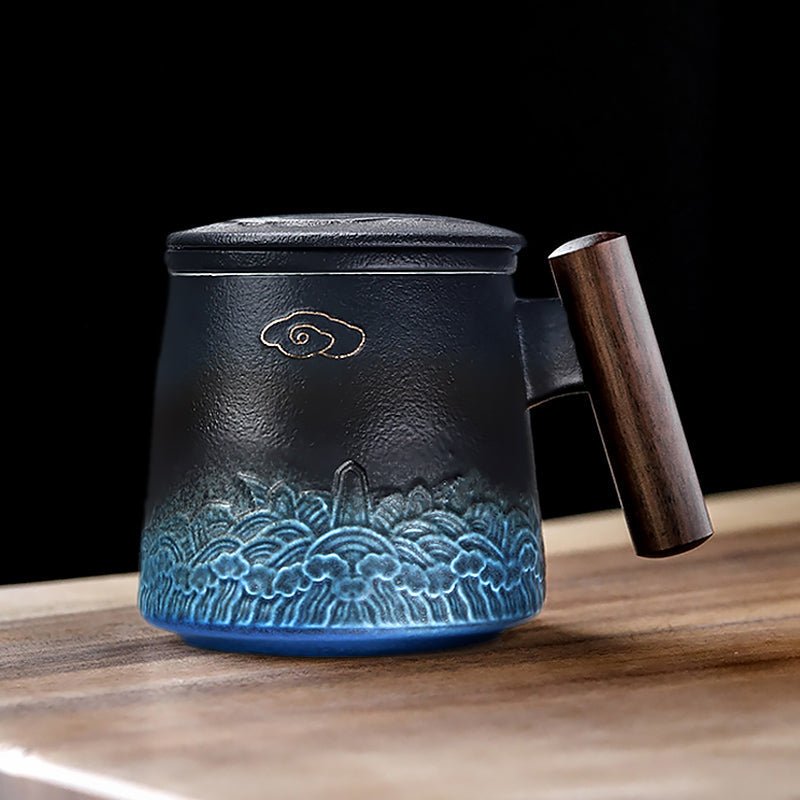
Smeg Coffee Mug Guide: Size, Fit, and Better Everyday Alternatives
A practical Smeg coffee mug buying guide for shoppers comparing size, handle comfort, finish, and daily use. See which mug styles work best beside a retro machine and which trade-offs matter.
Weiterlesen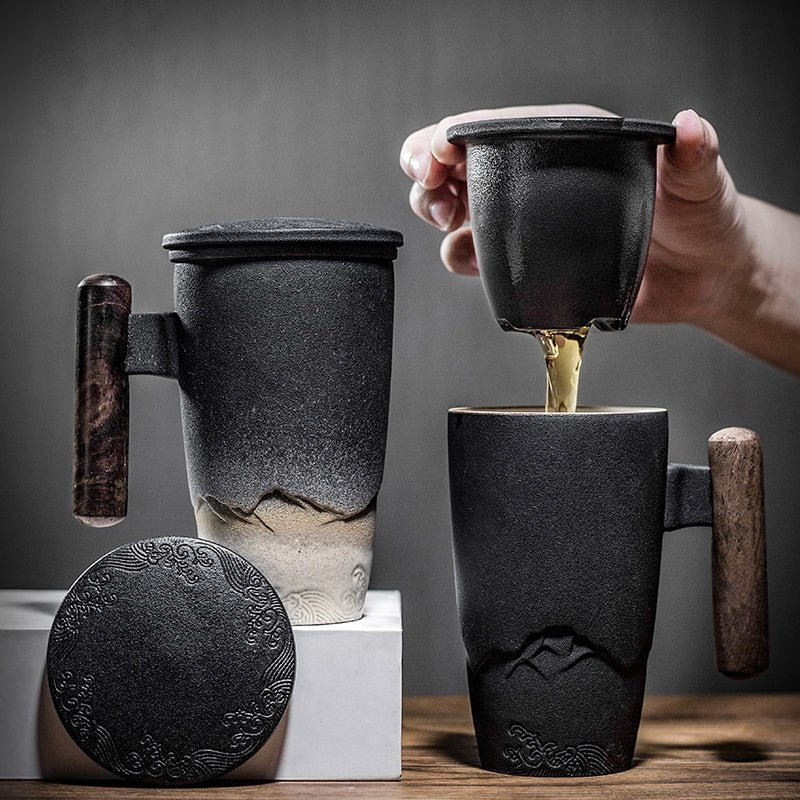
Standard Coffee Mug: What Buyers Should Check Before Ordering
A standard coffee mug should feel balanced in the hand, fit under a brewer, and survive daily dishwashing without losing its finish. Here is how we help shoppers compare sizes, materials, and every...
Weiterlesen
Hinterlasse einen Kommentar
Diese Website ist durch hCaptcha geschützt und es gelten die allgemeinen Geschäftsbedingungen und Datenschutzbestimmungen von hCaptcha.