
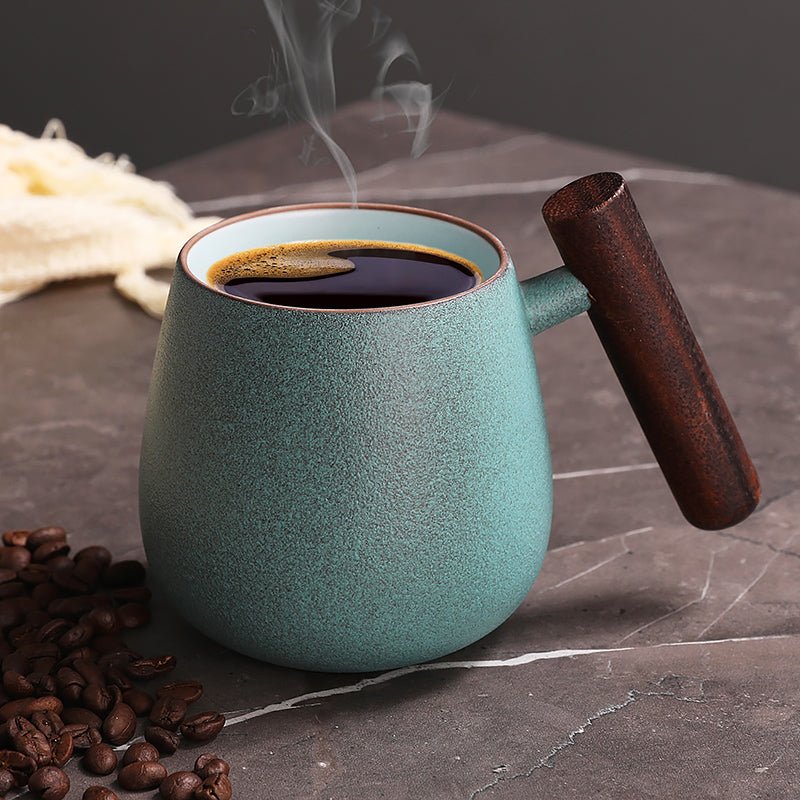
Pottery Coffee Mug Buying Guide: What to Check Before You Buy
Reading time: about 9 minutes
A pottery coffee mug can look perfect in photos and still feel wrong on a Monday morning. The usual problem is simple: the mug is either too heavy for one hand, the handle is cramped, or the lip feels thick enough to notice on every sip. In our store, we see shoppers make the same mistake again and again. They focus on the color first, then realize later that the mug lives on a desk, near a laptop, or in a dishwasher cycle three times a week. That is the part worth checking before you buy.
We handle a lot of mug comparisons, and the good ones share the same basics: a stable base, a comfortable handle, a glaze finish that looks even in real light, and a size that fits the drink you actually make. A pottery coffee mug is not the best choice for every buyer. If you want something spill-proof for commuting, a travel tumbler is the better buy. If you want a mug that sits nicely on the counter, keeps coffee warm long enough to finish, and feels substantial in the hand, pottery is a strong category to consider.
What should a pottery coffee mug feel like in your hand?
The first test is balance. A pottery coffee mug should not tip forward when it is half full, and it should not feel like you are gripping a brick. We look for three practical things: a handle that clears your fingers without pressing them against the body, a foot ring or base that sits flat on the table, and a rim that feels smooth rather than sharp. Those details sound small, but they are what you notice every morning when you are carrying the mug from the kitchen to a desk or waiting room chair.
Material matters too. Most pottery mugs are made from ceramic or stoneware bodies, and stoneware tends to feel denser and more durable in everyday use. That density can help with heat retention, but it also means the mug usually weighs more than thin porcelain. A heavier mug is not a flaw on its own. The problem is mismatch. If you want a quick espresso-style drink, a large heavy mug may feel excessive. If you want a mug that stays planted on a desk and feels steady in the hand, that same weight can be a plus.
- Handle clearance: Make sure two or three fingers fit comfortably without knuckles scraping the mug wall.
- Rim comfort: A slightly rounded lip is usually easier to drink from than a thick, square edge.
- Base stability: The mug should sit flat with no wobble on a kitchen counter or office desk.
- Weight balance: A good pottery coffee mug feels grounded, not top-heavy.
- Glaze finish: Smooth enough for cleaning, with no rough spots where your lips or fingertips land.
Which size works best for daily coffee?
Size is where a lot of buyers overthink it and still miss the actual use case. A 10 oz mug can be ideal for a straightforward drip coffee or tea pour. An 11 oz mug is often the most forgiving middle ground for people who want a little extra room without stepping into oversized territory. A 12 oz mug is better for longer drinks, room for milk, or mornings when you do not want to refill quickly. If you want a deeper size breakdown, our 10 oz Coffee Mug: Size, Fit, and What to Check Before You Buy and 12 Ounce Coffee Mug Buying Guide for Daily Use and Better Fit posts are useful companions to this guide.
The right capacity also depends on where the mug will live. On a desk, smaller and more controlled can be better because it fits beside a keyboard, notebook, or mouse pad without taking over the space. In a kitchen or breakfast nook, a larger mug makes more sense because you have room to set it down and top it up. If you mostly drink drip coffee, a 10 to 12 oz range is the practical zone for most buyers. If you prefer a latte, hot cocoa, or tea that you want to nurse slowly, the upper end of that range is usually more comfortable.
| What you drink | What to prioritize | Good starting point |
|---|---|---|
| Black coffee or tea | Comfortable handle, balanced weight, easy cleanup | 10 oz to 11 oz |
| Drip coffee with milk | Extra headroom and a wider opening | 11 oz to 12 oz |
| Long office sips | Stable base and a size that sits well beside a keyboard | 11 oz |
| Home latte or cocoa | Room for foam, milk, and slower drinking | 12 oz |
If you are comparing sizes side by side, you can also use our broader buying guides for context, including 11 oz Coffee Mug: Size, Fit, and What to Check Before You Buy. Those pages help when you are deciding whether the mug will feel generous, cramped, or just right in daily use.
Which CoffeifyMug styles should you compare first?
If you want to compare our current pottery mug options, start with our full collection. That is the fastest way to see the shape, finish, and style differences in one place before you decide which direction makes sense for your kitchen or gift list. From there, a few product pages are worth opening in new tabs so you can judge them against your own priorities.
We usually point shoppers to three starting points. The Flow Coffee Tea Mug is a sensible first look if you want a cleaner daily mug that can move between coffee and tea without feeling fussy. Mountain Sea Coffee Tea Mug is worth checking if you are drawn to a more expressive piece that still needs to work on a daily counter. Spittoon Coffee Tea Mug is the one we would inspect if you prefer a more traditional mug feel and a shape that looks at home in a rustic kitchen or office shelf.
The useful part is not just the name. It is how each mug solves the same basic job a little differently. One may feel more streamlined in the hand. Another may have a stronger visual presence for gifting. Another may read as more substantial and anchored. If you are buying for yourself, think about where the mug spends the day: next to a pour-over setup, on a desk beside a laptop, or in a cabinet where the mug has to earn its spot. If you are buying as a gift, a mug that feels easy to hold and simple to clean usually has the widest appeal.
For shoppers who want a brown, earth-toned look with a more specific stoneware feel, our Peet's Brown Southwestern Stoneware Mug: Buyer Checkpoints article is a useful reference. It is especially helpful if you care about how glaze variation, foot-ring finish, and surface texture read in real use, not just in a product photo.
What defects should you inspect before you buy online?
A good pottery coffee mug should not just look attractive. It should also pass a few practical checks that protect you from buyer remorse. The most common issues we see are a slightly uneven base, glaze pooling near the foot, a handle that sits too close to the mug wall, or a rim that feels rough in the hand. None of those problems makes a mug useless, but they are the kinds of details that annoy you every day. If you are buying online, zoom in on the product photos and look for those signs before you place the order.
We also pay attention to common failure points that show up after a few dishwasher cycles or a hard tap against a sink. Hairline cracks, chips on the foot ring, and glaze crazing are worth watching for, especially on handcrafted pieces. A little visual variation is normal in pottery. That is part of the category. What you do not want is a finish that looks rushed, a handle that appears uneven, or a base that seems thin where the mug meets the counter. If the listing or product page gives care instructions, read them closely. Some finishes tolerate dishwashers well, while others hold up better with gentler hand washing.
- Rim check: Look for smooth, even glazing where your mouth touches the mug.
- Handle check: Confirm that the handle is large enough for your fingers and feels secure.
- Foot check: Make sure the mug sits flat and does not rock.
- Surface check: Light glaze variation is normal, but pinholes or heavy roughness deserve attention.
- Use check: If you want a mug for daily dishwasher use, verify that the listing supports that routine.
How should you care for a pottery coffee mug?
Care is straightforward, but it is still worth doing right. Rinse the mug after coffee so oils do not sit on the surface. Use a soft sponge if the glaze is matte or textured. Avoid sudden temperature swings, because pouring boiling water into a cold mug or sending a very hot mug into cold water can stress the material. If the mug is dishwasher-safe, a top-rack cycle is the safer everyday choice. If it is not marked for dishwasher use, hand washing is the better route.
There are also a few limits to keep in mind. A pottery coffee mug is not the best choice for travel, commuting, or crowded backpacks. It is also not the first pick for people who need a lid, a leak-resistant seal, or a feather-light cup they can carry around all day. If your routine involves long walks between meetings, a tumbler makes more sense. If your routine is a desk, a breakfast table, or a slow weekend pour-over, pottery has a real advantage because it feels stable and pleasant to use.
One more trade-off is size versus comfort. A bigger mug can look impressive, but a wide bowl can cool coffee faster and make the handle feel farther away. A smaller mug is easier to handle, but you may refill more often. That is why we tell shoppers to think about the actual drink ritual, not just the shelf appeal. The best mug is the one you reach for without thinking about it.
Frequently asked questions
Is a pottery coffee mug good for everyday use?
Yes, if you want a mug that feels solid, stable, and comfortable for home or office drinking. Pottery is a practical everyday choice when you are not trying to carry the drink around. It is less useful if you need something ultra-light or spill-proof.
How do I know what size pottery coffee mug to buy?
Start with the drink you make most often. Ten ounces usually works well for a straightforward cup, 11 ounces is a balanced middle option, and 12 ounces gives you more room for milk or longer sips. If you want a deeper comparison, our size guides for 10 oz and 12 oz mugs are a good next read.
Are pottery coffee mugs dishwasher-safe?
Some are, some are not. Check the product listing and care instructions before you buy, then use a gentler top-rack cycle if dishwasher use is allowed. If the mug has a delicate glaze or decorative finish, hand washing is the safer way to protect it.
What is the downside of a pottery coffee mug?
The main downsides are weight, fragility, and portability. Pottery mugs can chip if knocked against a sink, and they are not ideal for commuting or travel. If your priority is leak resistance or carrying coffee on the move, a tumbler is the better category.
What should I check in product photos before ordering?
Look closely at the handle, the rim, the foot ring, and the base. You want to see a mug that sits flat, has enough finger clearance, and does not show obvious glaze defects where the drink meets the lip. Those small checks save a lot of disappointment later.
If you want the fastest shortlist, start at our all mugs collection, then compare it against The Flow Coffee Tea Mug, Mountain Sea Coffee Tea Mug, and Spittoon Coffee Tea Mug with the same checklist: handle comfort, base stability, lip feel, finish, and cleanup.
Read more
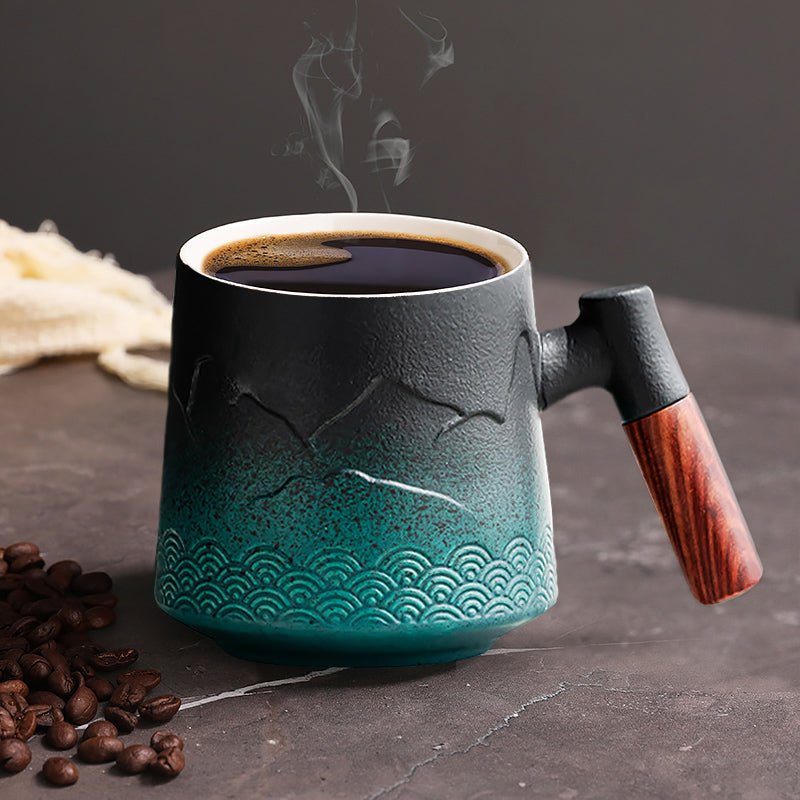
Handle Mug Buying Guide: Comfort, Materials, and Best Fits
A handle mug should feel balanced in the hand, not just look good on a product page. We break down grip shape, material, care, and the trade-offs behind the mugs we sell.
Weiterlesen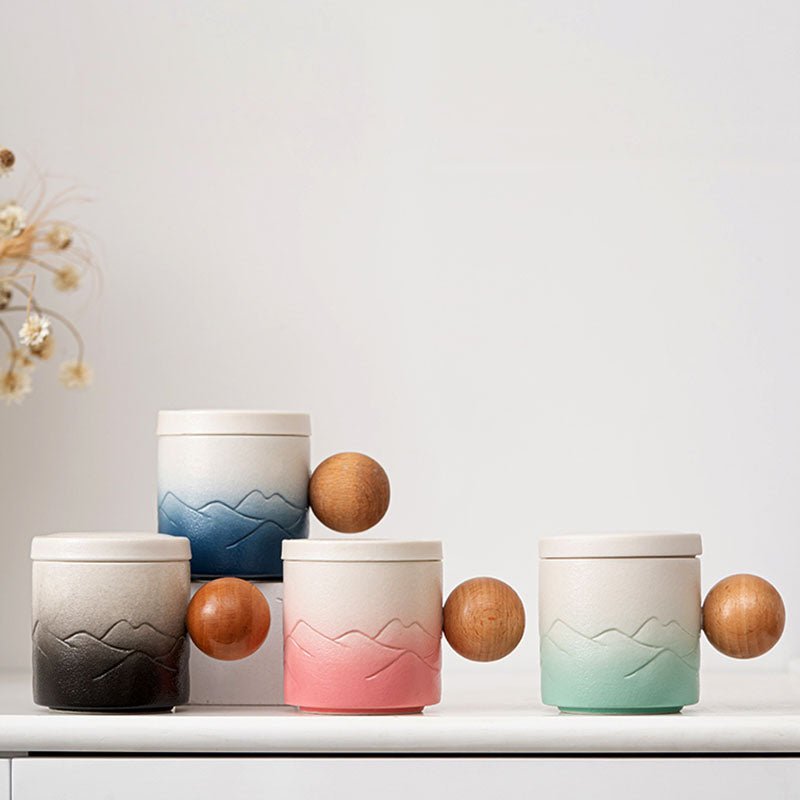
Tea in a Big Mug: What to Look for Before You Buy
tea in a big mug works best when the size, handle, and material fit how you actually drink. We break down the trade-offs so you can choose a mug that feels good on a desk, in the kitchen, and throu...
Weiterlesen
Hinterlasse einen Kommentar
Diese Website ist durch hCaptcha geschützt und es gelten die allgemeinen Geschäftsbedingungen und Datenschutzbestimmungen von hCaptcha.