
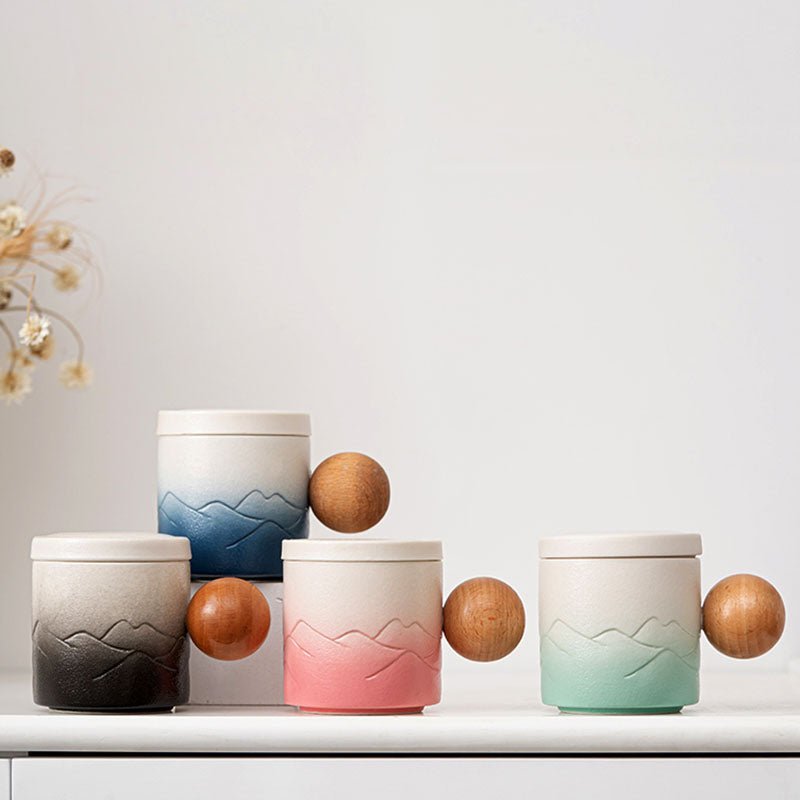
Porcelain Tea Mugs: How to Choose the Right One for Daily Brewing
Reading time: about 8 minutes
A mug can look right on a shelf and still feel wrong at the first sip: too heavy for the office, too narrow for a tea bag, or too thin around the rim for a comfortable drink. That is usually where porcelain tea mugs earn their place. They are clean in taste, smooth at the lip, and easy to live with, but the details matter more than most listings explain.
In our store, we pay attention to the things shoppers actually notice after the box is opened: how the handle fits two fingers, whether the mug sits stable on a desk, and whether the glaze stays even after repeated dishwasher cycles. If you want to browse our current assortment first, start with our products page, then compare the full range in the collection.
What makes porcelain tea mugs different from other tea mugs?
Porcelain is a refined ceramic body fired at a high temperature. In practical use, that usually means a smoother surface, a cleaner rim feel, and a lighter hand than many stoneware mugs. For tea drinkers, that matters because the cup is in contact with the drink from first pour to last sip.
We see porcelain tea mugs chosen most often for three reasons:
- Flavor neutrality: porcelain does not add a heavy earthy note, so delicate green teas, white teas, and lighter black teas taste closer to what was brewed.
- Fine drinking edge: the rim is often thinner and more comfortable for sipping than a chunky mug designed for coffee.
- Balanced weight: many porcelain mugs feel lighter than thick stoneware, which makes them easier to lift when full.
The trade-off is worth saying plainly. Porcelain is not the best choice if you want a rugged camp mug, a very thick wall for maximum heat retention, or a rustic handmade look with visible texture. If that is the priority, a different material may suit you better.
What size should you buy for everyday tea?
Size changes the experience more than most people expect. A mug that is too small cools too fast if you like to linger. A mug that is too large can make a standard tea bag or a modest pour feel lost in the cup.
For most daily tea drinkers, we usually think in these terms:
- 8 to 10 oz: better for tea that you want to drink hot and finish quickly, especially finer teas or short work breaks.
- 11 to 14 oz: the most flexible range for a standard tea bag, loose-leaf infuser, or a little extra milk.
- 15 oz and up: useful if you make oversized pours, want room for additions, or prefer one long desk-side cup.
If you are comparing larger shapes, our guides on Best Tea Mugs for Daily Use: Size, Shape, and Materials and Big Tea Mugs: How to Choose the Right Large Mug for Daily Tea cover the trade-offs well. The short version: bigger is not automatically better. A mug that looks generous may be awkward for short-brew teas, and a very large opening can cool the drink faster than you want.
Which shapes work best for tea, not just coffee?
Tea mug shape affects temperature, aroma, and comfort. A wide, open mug releases aroma faster and is easier to sip from, but it also loses heat sooner. A taller mug holds warmth a bit longer, though it can concentrate steam more near the face and feel less stable in the hand.
We look at three shape details when evaluating porcelain tea mugs:
- Rim diameter: a wider rim makes tea feel more open and aromatic, especially for oolong and black tea.
- Wall thickness: thinner walls usually feel more refined at the lip, but they may transfer heat faster to the hand.
- Handle clearance: a handle that is too tight to the body can be annoying with fuller hands or when the mug is hot.
If you already know you prefer a large format, the article Big Mugs for Tea: How to Choose the Right Large Mug is a useful comparison point. We often recommend a plain, rounded shape for tea drinkers who want an easy, no-drama mug on a kitchen counter or a crowded office desk. Straight-sided novelty shapes can be less comfortable if you hold the mug for long stretches.
What should you check before buying porcelain tea mugs?
Most buyers focus on the look. We focus on the parts that determine whether the mug stays pleasant after the first week. In our experience, these are the things that separate a good mug from a frustrating one:
| Feature | What to check | Why it matters |
|---|---|---|
| Glaze | Even coverage inside and out, without rough spots or pinholes | Uneven glaze can trap tea residue and make cleaning harder |
| Rim | Smooth, consistent edge with no sharp seam | The drinking experience starts at the lip, and defects show up there first |
| Base | Flat and stable with a clean foot ring | A mug that rocks on a table is annoying and can spill easily |
| Handle | Comfortable opening and enough space for fingers | This matters more when the mug is full and hot |
We also pay attention to common defect modes. Hairline cracks near the handle, small glaze misses at the foot ring, and tiny firing marks can all affect long-term durability or just make the mug feel unfinished. None of those are automatically a dealbreaker, but they deserve a closer look before purchase.
For shoppers comparing tea-first vs. all-purpose mugs, our article on Ceramic Mugs for Tea: How to Choose the Right Size, Shape, and Finish is a good companion read. It helps if you are deciding between a more textured ceramic body and a smoother porcelain feel.
How should porcelain tea mugs be cared for day to day?
Porcelain is usually straightforward to care for, which is one of the reasons shoppers keep returning to it. Most mugs handle normal handwashing well, and many are dishwasher safe, but the finish and decoration still matter. A printed decal, metallic trim, or a highly polished glaze can age differently over time than a plain glazed mug.
We recommend a simple routine:
- Rinse the mug soon after use so tea stains do not sit overnight.
- Use a soft sponge for regular washing to protect the glaze and printed details.
- Avoid abrupt temperature shocks, such as pouring boiling water into a cold mug straight from a cupboard in winter.
- Check the underside occasionally for chips, especially if the mugs are stacked tightly.
Porcelain tea mugs are not the best choice if you need something you can knock around in a bag, use outdoors, or stack carelessly without thinking. They are made for the kitchen, desk, and dining table. That is their strength.
Are porcelain tea mugs a good gift?
Yes, if the person you are buying for actually drinks tea at home, at work, or both. A good porcelain mug feels more considered than a generic novelty cup because it gets used often and does not fight the drink. We see them perform well as gifts when the buyer wants something practical that still feels polished when unboxed.
A few details make the difference in gifting:
- A neutral color tends to fit more kitchens and desk setups than a loud pattern.
- A medium size is safer than an oversized novelty mug if you do not know the recipient's preference.
- A smooth rim and easy handle matter more than decorative features that look nice in photos.
If your gift recipient prefers an especially large mug, it is worth reading Giant Tea Mugs: How to Choose the Right Large Mug before deciding. Not every tea drinker wants a giant cup, and a mug that is too large can make a gift feel less thoughtful, not more.
How do porcelain tea mugs compare with ceramic and clear mugs?
We get this comparison a lot because buyers are usually choosing between feel, appearance, and everyday convenience. Porcelain sits in a useful middle ground: refined enough for tea service, practical enough for daily use, and usually easier to live with than specialty glass.
| Type | Best for | Limitations |
|---|---|---|
| Porcelain | Clean taste, smooth rim, daily tea at home or work | Less rugged than thick stoneware; not ideal for outdoor use |
| Stoneware ceramic | Heavier feel, rustic look, better heat hold | Usually bulkier and sometimes heavier in the hand |
| Clear glass | Watching tea color and infusions | More fragile-feeling and often less insulating |
If you want a rustic, heftier mug, porcelain may feel too polished. If you want to watch tea leaves unfurl or see color change, clear mugs can be more satisfying. If your priority is an easy everyday cup with a clean drinking edge, porcelain is often the most balanced option.
Frequently asked questions
Are porcelain tea mugs microwave safe?
Many plain porcelain tea mugs are microwave safe, but not all decorated mugs are. Metallic details, gold trim, or special printed finishes can make a mug unsafe for microwave use. We always suggest checking the product details before buying.
Do porcelain tea mugs keep tea hot longer than glass?
Usually, yes. Porcelain tends to insulate better than thin glass, so the tea stays comfortable to drink for longer. It is still not as heat-retentive as a very thick stoneware mug.
What size porcelain mug is best for loose leaf tea?
A 11 to 14 oz mug is the most flexible range for loose leaf tea because it gives enough space for an infuser and a comfortable pour. If you brew strong tea in a large basket infuser, you may prefer a bigger cup. If you only steep a small amount, a smaller mug may be easier to handle.
How do I know if a porcelain mug is good quality?
Look for a smooth glaze, an even rim, and a stable base. The handle should feel secure and leave enough room for fingers without pressing against the mug body. Small cosmetic marks can happen, but cracks, chips, or rough glazing near the lip are warning signs.
Are porcelain tea mugs better than ceramic mugs for daily use?
Not always. Porcelain is usually smoother and lighter, while other ceramic mugs can feel more substantial and hold heat a bit longer. If you want a refined everyday tea mug, porcelain is a strong pick. If you want a heavier, more rustic cup, another ceramic style may fit better.
If you want to compare options side by side, start with our full mug collection, then narrow to the shape and size that matches how you actually drink tea. The best porcelain tea mugs are the ones that fit your routine, not just the shelf display.
Read more
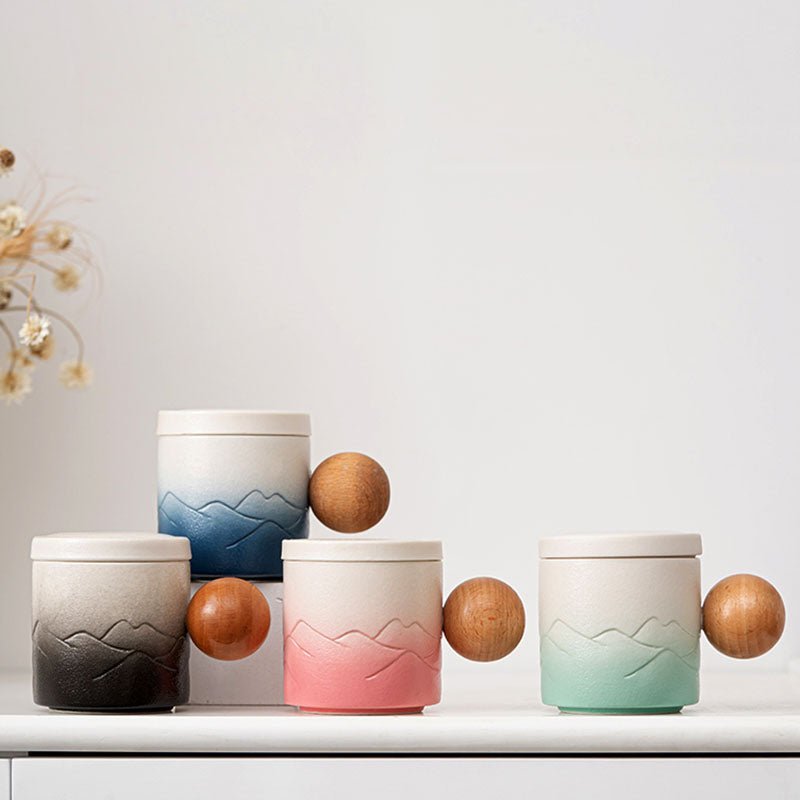
How to Remove Tea Stains from Mugs Without Damaging the Finish
Tea stains usually sit on the glaze, rim, or inside base first, and the right cleanup depends on the mug material. We cover safe methods, what to avoid, and when a stained mug is better replaced th...
Weiterlesen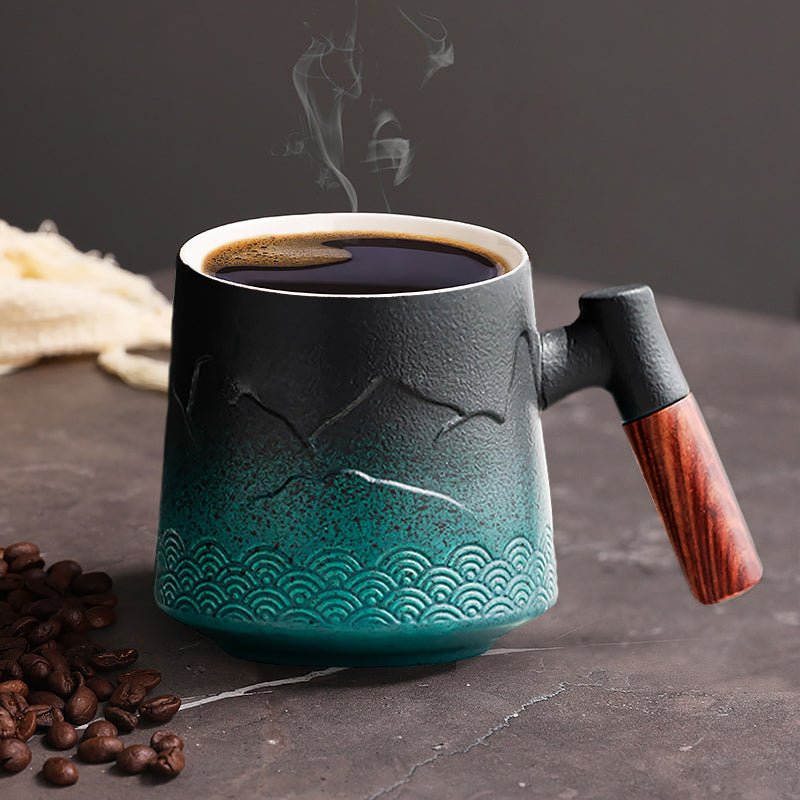
Wooden Cups: What to Check Before You Buy for Daily Use
Wooden cups can feel warm, quiet, and comfortable in hand, but only if you pick the right construction and care for them properly. Here’s what we check in our store before we recommend them.
Weiterlesen
Hinterlasse einen Kommentar
Diese Website ist durch hCaptcha geschützt und es gelten die allgemeinen Geschäftsbedingungen und Datenschutzbestimmungen von hCaptcha.