
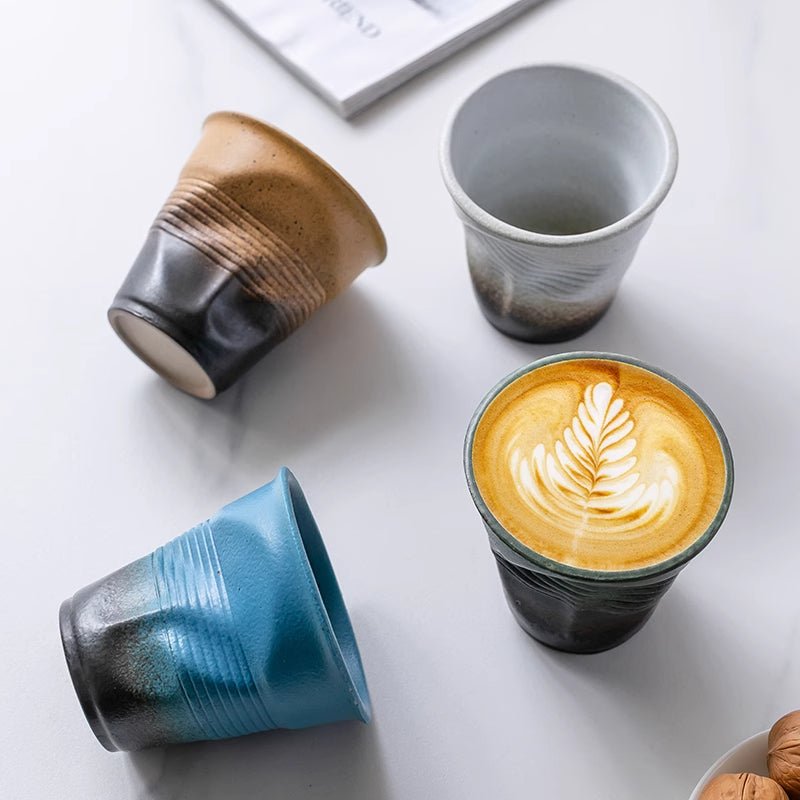
Pleated Ceramic Coffee Cup: What to Check Before You Buy
Reading time: about 8 minutes
A pleated ceramic cup looks simple on a product photo, then you hold it in your hand and the details start to matter. The ridge spacing, the rim thickness, the base stability, and even how the glaze catches light all affect whether it feels good for daily coffee or ends up as a shelf piece.
We handle this category with a buyer’s eye in our store, because the same cup that looks elegant on a gift table can feel awkward on a busy desk. If you are comparing options, start with the pleated coffee tea cup and check the points below before you buy.
What makes a pleated ceramic cup different from a regular mug?
The pleated profile is not just decoration. Those vertical folds change how the cup sits in the hand, how it catches condensation, and how much visual texture it brings to a table setting. A smooth-sided mug usually feels more plain and easier to stack, while a pleated cup tends to feel more decorative and a little more tactile.
That trade-off matters. If you want a cup that disappears into a work routine, a plain cylindrical mug may be the better fit. If you want something that looks considered on a kitchen counter or during a gift unboxing, the pleated form does more with the same ceramic body.
We also tell shoppers to look closely at the rim. A good cup in this category should still have a clean drinking edge, not just a pretty exterior. Decoration should not get in the way of the actual sip.
How do you check size, weight, and comfort before buying?
Capacity and hand feel are usually where buyers get surprised. The listing should tell you the cup’s capacity, and you should compare that with how you actually drink coffee or tea at home. A smaller cup can be perfect for espresso-based drinks or tea, while a larger cup is better if you want room for milk, oat milk, or a longer pour.
Weight matters too. Ceramic has a satisfying heft, but a cup that is too heavy can feel clumsy when full. If you use your mug at a desk, in meetings, or while working from home, you will notice the difference by the third refill.
Before buying, we recommend checking these points:
- Capacity: make sure it matches your usual drink size.
- Rim shape: look for a smooth drinking edge, not a sharp lip.
- Handle fit: confirm your fingers can pass through comfortably.
- Base width: wider bases usually feel steadier on trays and desks.
- Overall weight: balance matters when the cup is full.
If you have already compared basic mug sizes, our ceramic coffee mug buying guide covers the broader sizing questions that still apply here.
What ceramic and glaze details should you check closely?
The body material and glaze finish tell you a lot about everyday durability. A well-made ceramic cup should have an even surface, a consistent glaze, and no rough patch where the hand touches the rim or handle. In practice, we look for clean edges, a stable base, and a finish that does not feel sticky or gritty after washing.
Common defect modes are easy to miss in photos. Watch for uneven glazing at the foot ring, visible pinholes, rough seams on the handle, and color variation that looks accidental rather than intentional. A little tonal variation can be normal in ceramic, but chips, cracks, or thin glazing near high-wear points are not what you want.
For a pleated ceramic cup, the folds create more surface detail than a plain mug, so the glaze quality matters even more. Any uneven coating tends to stand out. That is one reason we prefer products where the finish looks deliberate from every angle, not just from the front-facing product shot.
Is it dishwasher safe, microwave safe, and practical for daily use?
Daily-use convenience is where a lot of pretty cups lose the sale. If you plan to put the cup through dishwasher cycles, check the care instructions before buying. Ceramic can handle routine use well, but not every glaze, decorative finish, or applied detail behaves the same way under heat and repeated washing.
Microwave use is another decision point. A plain ceramic mug is often the easiest choice for reheating coffee, but a decorative cup can have limitations depending on the glaze, metallic accents, or the maker’s care guidance. If the cup will live on a lunchroom shelf and go through the microwave often, a simpler form may be smarter.
The practical question is not just “Can it be washed?” It is “Will it still look and feel good after months of use?” That is the real test for a cup on an office desk, in a family kitchen, or beside a sink that gets used all day.
If you want a covered option instead of an open cup, our ceramic coffee mug with lid guide explains the extra trade-offs around heat retention, cleanup, and lid fit.
Who is a pleated ceramic coffee cup best for, and who should skip it?
This style is a good fit for shoppers who want a cup that reads as thoughtful without being fussy. It works well for home coffee corners, tea service, gift sets, and shelves where the mug is part of the visual setup. It also makes sense if you like a more textured surface in the hand than a straight-sided mug gives you.
It is not the best option for every buyer. If you want maximum stackability, a super-light travel cup, or a mug that can take hard use in a workshop or break room, a simpler ceramic mug may be more practical. If you need a lid for slow sipping at a desk, you may be better served by a covered style instead of an open cup.
For shoppers comparing different ceramic shapes, the tea mugs collection is a useful place to see which forms feel more ceremonial and which feel more everyday.
How do pleated cups compare with other ceramic mug styles?
At our store, we think buyers choose between style and utility more often than they admit. A pleated cup gives you texture and a stronger visual identity. A smooth coffee mug usually gives you easier stacking, simpler cleaning around the exterior, and a more universal look that fits almost anywhere.
| Feature | Pleated ceramic cup | Simple ceramic mug |
|---|---|---|
| Visual style | Textured, decorative, gift-friendly | Minimal, everyday, easy to match |
| Hand feel | More tactile, more sculptural | Smoother, more familiar |
| Cleaning | Exterior grooves can show residue sooner | Easier to wipe clean |
| Best use | Tea service, display, gifting | Daily coffee, office use, stacking |
If you want a broader comparison across ceramic mug formats, our coffee cup mug ceramic guide is a helpful companion read before you settle on one shape.
What should you inspect in product photos and listings before checkout?
Good product photos should answer more than one question. We want to see the cup from the side, from above, and close enough to judge glaze texture and rim finish. A single front-facing image can hide the things that matter most: base stability, handle clearance, and how deep the cup actually looks once filled.
Before ordering, check for these details in the listing:
- Measured capacity rather than a vague size claim.
- Material description that clearly says ceramic and explains the finish.
- Care guidance for dishwasher and microwave use.
- Shape images that show the pleats, base, and handle from multiple angles.
- Use-case clues such as tea, coffee, or gifting, so you know how the cup is intended to function.
We also advise reading product photos like a buyer, not like a designer. If the cup looks beautiful only in one angle, that is a warning sign. If it still looks balanced, solid, and comfortable from every view, it is usually a safer purchase.
Frequently asked questions
Is a pleated ceramic coffee cup good for everyday use?
Yes, if the cup has a stable base, a comfortable handle, and care instructions that match your routine. It is a good everyday choice for coffee or tea on a home counter or office desk. If you need something extremely plain, stackable, or rugged for heavy break-room use, a simpler mug may be a better fit.
Can I put a pleated ceramic cup in the dishwasher?
Many ceramic cups can go in the dishwasher, but you should always check the specific care instructions for the piece you are buying. Decorative finishes and special glazes can change how a cup should be washed. If you want the easiest cleanup, look for a cup that clearly states dishwasher-safe use.
What size pleated cup should I buy for coffee?
Choose the size based on how you drink. Smaller capacities suit espresso drinks or tea, while larger ones are better if you add milk or want more room for a full pour. If you are unsure, compare the capacity to the mug you already reach for most often.
Are pleated ceramic cups good gifts?
Yes, they usually work well as gifts because the shape feels more special than a standard mug. The texture gives them a finished, display-worthy look without being overly formal. They are especially practical for housewarmings, office gifts, or tea lovers who prefer a more styled cup.
What is the main drawback of a pleated ceramic cup?
The biggest drawback is that the decorative exterior can make cleaning and stacking a little less convenient than a plain mug. It may also be less versatile if you want one cup for every setting. If utility is the top priority, a simpler ceramic mug is often the safer choice.
If you are still comparing options, start with the shape you will actually use most, then check capacity, care, and base stability before you order. For a focused next step, review the pleated coffee tea cup details, then compare it against the other styles in our tea mugs collection so you can choose the one that fits your table and your routine.
Read more
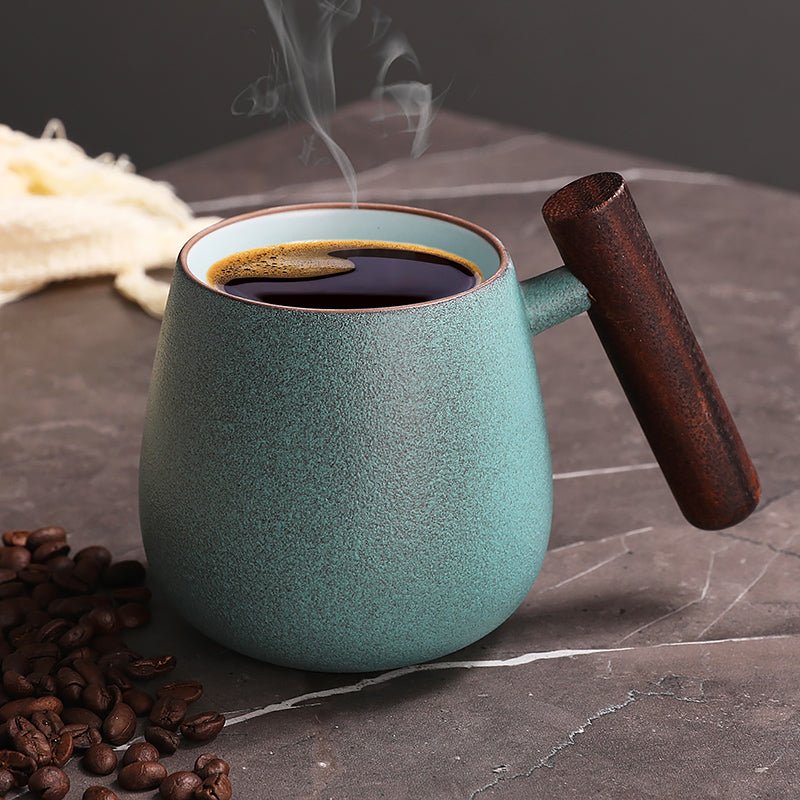
Round Ceramic Coffee Mug: Daily Use Size and Gift Fit Guide
A practical guide to choosing a round ceramic coffee mug for everyday coffee, desk use, and gifting. We cover size trade-offs, comfort, care, and what to check before you buy.
Weiterlesen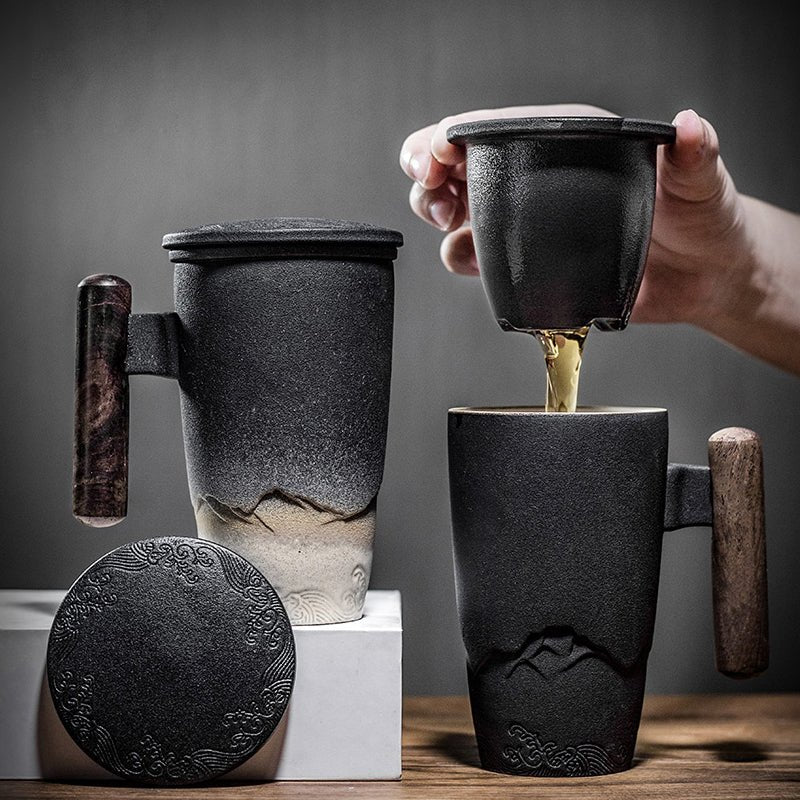
Tall Landscape Ceramic Coffee Mug: Who It Fits Best
A practical buyer guide for shoppers comparing a tall landscape ceramic mug against standard everyday cups. It explains who benefits from the shape, where it works best, and when a different mug is...
Weiterlesen
Hinterlasse einen Kommentar
Diese Website ist durch hCaptcha geschützt und es gelten die allgemeinen Geschäftsbedingungen und Datenschutzbestimmungen von hCaptcha.