
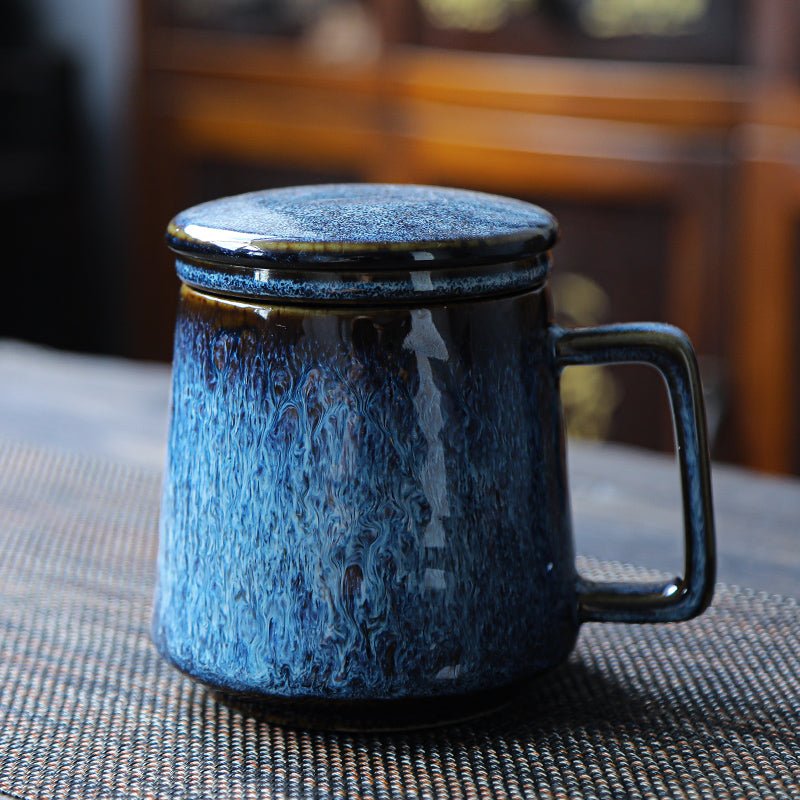
Ozark Trail Coffee Mug: What Buyers Should Check Before Choosing
Reading time: about 10 minutes
A coffee mug that feels fine in the hand can still be wrong on the desk. The handle may be tight, the lid may leak, or the cup may be too large for the amount of coffee you actually drink before it goes cold.
That is the kind of problem shoppers run into with an ozark trail coffee mug. It usually sits in the category of rugged, insulated, everyday-use drinkware, but the details matter more than the label. In our store, we see buyers compare these mugs against standard ceramic cups, stainless steel tumblers, and larger travel mugs because the use case changes fast: kitchen counter, office desk, truck cup holder, or a gift box for someone who wants something practical.
If you are also comparing sizes, our earlier guides on 10 oz Coffee Mug: Size, Fit, and What to Check Before You Buy, 12 Ounce Coffee Mug Buying Guide: Size, Fit, and Best Uses, and 16 Ounce Coffee Mug Buyer’s Guide: Size, Material, and Fit cover the size side in more detail. This article focuses on the practical checks that matter before you click buy.
What should you check first on an Ozark Trail coffee mug?
Start with the basics: capacity, insulation style, lid design, and handle comfort. Those four points decide whether the mug works on a real countertop or just looks good in a listing photo.
For a buyer who wants hot coffee to last through a meeting or a morning commute, the cup body matters less than the way the mug is built. A double-wall stainless steel mug will usually hold heat better than plain ceramic, but it may feel heavier and can be less pleasant for slow sipping. A ceramic mug is easier to clean and tastes neutral, but it does not travel well and usually loses heat faster.
- Capacity: Check whether you want a true 10 oz, 12 oz, 14 oz, or 16 oz drink size, not just the outer dimensions.
- Lid fit: A lid that snaps on loosely is a mess waiting to happen in a bag or car.
- Handle clearance: Some insulated mugs have handles that are comfortable on paper but cramped once filled.
- Base width: If you plan to use it in a vehicle, measure your cup holder before ordering.
We see shoppers underestimate this last point often. A mug can be the right volume and still be wrong if the base is too wide for a console cup holder or too tall for a cabinet shelf.
Is an Ozark Trail coffee mug better for travel or home use?
That depends on how you actually drink coffee. If you move between the kitchen, desk, garage, and car, an insulated mug makes sense. If you mostly sip one cup at home and wash it right away, a ceramic mug may be the better daily pick.
An ozark trail coffee mug is usually the better fit for people who want durability and temperature retention more than delicate presentation. It is not the best choice if you want a lightweight, stackable mug for a minimalist cupboard or if you enjoy the feel of thin ceramic with pour-over coffee. In those cases, a standard mug from our products page may suit you better than a bulkier insulated style.
We also tell buyers to think about the cleanup routine. A mug that needs careful hand washing can be fine for the weekend cabin, but it is annoying on a busy weekday. If the lid has a sliding closure or drinking port, food residue tends to gather in the small channels. That is normal for this category, but it means you need to be willing to rinse and scrub it properly.
Which material details actually matter?
For this category, material is not a marketing label. It affects heat retention, weight, flavor neutrality, and how likely the mug is to dent or scratch.
Most buyers looking at an Ozark Trail-style mug are comparing stainless steel, plastic lid parts, and sometimes a coated exterior. Stainless steel is the main body material to pay attention to because it usually gives better durability and insulation than a basic plastic mug. The lid is often a mix of plastic and silicone, and that is where fit issues usually show up first.
| Material or part | What it does well | Where it can disappoint |
|---|---|---|
| Stainless steel body | Durable, good for heat retention, easy to wipe down | Can feel heavier than ceramic and may dent if dropped hard |
| Plastic lid | Lighter, helps with spill control, usually makes the mug travel-ready | Can warp over time or collect coffee residue in the seal |
| Silicone seal | Improves fit and leak resistance | Needs regular cleaning; weak seals create annoying drips |
| Powder-coated exterior | Better grip and less slippery feel | Can show scuffs after repeated contact with metal sinks or cup holders |
That kind of wear is normal and does not automatically mean the mug is bad. It does mean buyers should understand the difference between a rugged daily mug and a decorative one.
How do you know if the size is right?
Size is where most returns start. A mug that sounds right in ounces can still be wrong in actual use because coffee drinkers do not all fill mugs the same way. Some pour to the brim. Some leave room for cream. Some use it for tea, broth, or cold brew.
If you are not sure, compare the Ozark Trail mug against familiar sizes. Our guides on 11 oz Coffee Mug: Size, Fit, and What to Check Before You Buy and 15 oz Coffee Mug: Size, Fit, and What Buyers Should Check are useful if you are trying to decide between a standard cup and something roomier.
Here is the practical sizing rule we use in our store:
- Pick a smaller mug if you finish coffee quickly and want a lighter feel in the hand.
- Pick a mid-size mug if you usually add milk, sugar, or flavored creamer.
- Pick a larger mug if you want one pour to last through a long desk session or a second refill without a wash break.
Be careful with oversized mugs if you drink slow. Larger capacity can keep coffee warm longer, but it can also make the drink sit too long and taste flat. That is a trade-off, not a defect.
What problems show up most often in this mug category?
We see the same issues across many insulated coffee mugs, including Ozark Trail-style models. They are not deal-breakers if you know to look for them, but they are worth checking before you buy.
- Loose lid fit: The mug may still work at a desk, but it is not dependable in a backpack or car.
- Weak seal at the drinking port: Small drips often show up after the first wash if the closure is not seating properly.
- Condensation or exterior moisture: This suggests the insulation is not doing enough for your use case.
- Handle discomfort: A handle that looks substantial may still press into the fingers when the mug is full.
- Finish wear: Scuffs around the base and rim are common after repeated use on kitchen counters and office desks.
These are the issues that matter because they change daily use. A mug can look sturdy in photos and still feel awkward after three mornings of real use.
How should you clean and care for it?
Cleaning matters more on insulated mugs than many shoppers expect. Coffee oils, milk residue, and tea tannins build up faster in lids and seals than in the main cup body.
In our experience, the best routine is simple:
- Rinse the mug as soon as you finish the drink, especially if you used milk or sweetener.
- Wash the lid separately so the drink port and gasket area do not hold residue.
- Use a soft brush or sponge for the drinking edge and narrow channels.
- Let all parts dry fully before reassembling to reduce lingering odor.
If a product listing says hand wash only, take that seriously. Even when a mug can technically survive repeated dishwasher cycles, the finish and lid seal may age faster. That is not a failure of the mug; it is a reality of the materials. Buyers who want a no-fuss dishwasher routine may prefer simpler ceramic options or a less complex travel mug from our store’s broader selection.
How does it compare with the mugs in our own store?
If you are shopping for an Ozark Trail coffee mug because you want something practical and durable, compare it against the styles we carry based on use case, not branding. Our collection of all mugs is a good place to start if you want to see the range from everyday ceramic to travel-friendly drinkware.
The easiest comparison is this:
- Ceramic mug: Best for home, office desk, and flavor purity.
- Insulated mug: Best for heat retention, commuting, and rougher handling.
- Large travel mug: Best for long shifts, road time, or people who refill less often.
We like to be direct about the limitation: an Ozark Trail coffee mug is usually not the best fit for someone who wants a refined presentation piece for espresso service or a thin-walled mug for delicate drinks. It is a utility item first. That is the point. If your priority is rugged use on a kitchen counter, a workbench, or in a truck, that practical character is exactly what you want.
Which buyers should skip this style?
Some shoppers are better served by a different mug category. We would steer you away from this style if any of the following describe your routine:
- You need a mug that stacks neatly in a small cabinet.
- You want a lightweight cup for slow sipping at home.
- You strongly prefer ceramic taste and feel.
- You need a mug with zero lid maintenance.
- You care more about presentation than durability.
For those use cases, a standard coffee mug may be the better buy. If you are trying to choose between common mug sizes instead, the 12 oz and 16 oz guides linked above will help you narrow the capacity before you commit.
Frequently asked questions
Is an Ozark Trail coffee mug good for keeping coffee hot at a desk?
Yes, if you choose an insulated version and keep the lid on between sips. It is usually better for heat retention than a basic ceramic mug, especially during a long desk session. The trade-off is that the lid and seal need regular cleaning.
Can I put an Ozark Trail coffee mug in a car cup holder?
Sometimes, but not always. The base width and height matter more than the brand name, so check your cup holder before buying. A mug that is too wide or too tall can feel unstable while driving.
What is the most common issue shoppers have with this type of mug?
Loose lid fit is one of the most common complaints in this category. A second issue is residue around the drinking port or gasket after repeated use. Both are manageable if you clean the lid carefully and check the seal before travel.
Is an Ozark Trail coffee mug better than a ceramic mug?
Better depends on the job. For heat retention and durability, the insulated style usually wins. For taste neutrality, easy cleaning, and a lighter feel at home, ceramic is often the better choice.
What should I compare before I buy one?
Check capacity, lid style, handle comfort, and whether the base fits your cup holder or shelf space. Those details affect everyday use more than the product name. If you are unsure, compare it against our size guides before deciding.
If you want to narrow the choice fast, use this checklist: capacity, lid fit, handle comfort, and cleaning routine. Then compare the mug against the sizes in our products page and, if needed, browse the full range in all collections to find a better match for home, office, or travel.
More from our blog
Read more

New York City Starbucks Coffee Mug: What to Check Before Buying
A New York City Starbucks coffee mug should look good on a shelf and still hold up on a desk, not just in a product photo. We break down the material, print, care, and gift-worthiness checks we use...
Weiterlesen
Under Counter Coffee Mug Rack Buyer’s Guide for Real Kitchens
A practical guide to choosing an under counter coffee mug rack that fits your cabinet, your mug shapes, and your daily routine. We cover the trade-offs that matter before you buy.
Weiterlesen
Hinterlasse einen Kommentar
Diese Website ist durch hCaptcha geschützt und es gelten die allgemeinen Geschäftsbedingungen und Datenschutzbestimmungen von hCaptcha.