
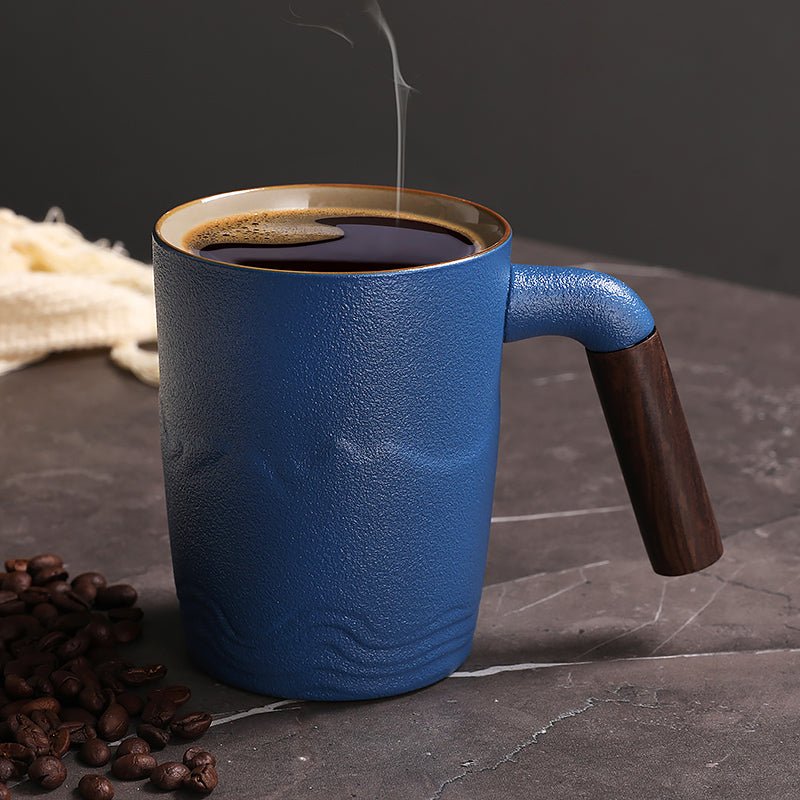
Non Toxic Coffee Mugs: What to Check Before You Buy
Reading time: about 9 minutes
A chipped rim, a mystery glaze, or a mug that smells odd after its first wash is usually where the buying doubt starts. That is the point where shoppers stop asking only about style and start asking what is actually touching their coffee.
At our store, we look at non toxic coffee mugs the same way a careful shopper does at a kitchen counter, an office desk, or during a gift unboxing. The mug has to feel good in the hand, hold up through dishwashing, and give you confidence about the drinking surface. Fancy art is nice. A clean, food-contact-safe finish matters more.
That does not mean every mug is the same. Ceramic, porcelain, glass, stainless steel, and enamel all have different strengths and weak spots. Some are better for a daily desk mug. Some are better for travel. Some are a bad fit if you want something that can go from microwave to dishwasher without a second thought.
What do buyers usually mean by non toxic coffee mugs?
Most shoppers are not looking for a lab report. They want a mug with a food-contact surface that is made and finished responsibly, with no questionable coating on the inside where coffee sits. In practical terms, that means looking for clear material information, a smooth glazed interior on ceramic mugs, and honest care instructions from the seller.
For us, the key question is simple: what is the drink touching, and can the seller stand behind it? A safe-looking mug can still be a poor buy if the finish is rough, the decoration is inside the cup, or the product page avoids basic details.
We also advise shoppers to separate safe for coffee from safe for every use. A mug may be fine for drip coffee and tea, but not ideal if you want to reheat it in the microwave, stack it tightly in a crowded cabinet, or run it through heavy dishwasher cycles every day.
Which materials are easiest to trust for daily coffee?
Material is the first filter we use because it affects safety, taste, weight, and durability. If you are comparing non toxic coffee mugs for a kitchen or office routine, this is the practical breakdown.
| Material | What buyers usually like | Trade-off | Best use |
|---|---|---|---|
| Ceramic | Neutral taste, comfortable weight, easy to decorate | Can chip, and low-quality glaze work is a concern | Daily home mug, desk mug, gift mug |
| Porcelain | Smooth surface, refined feel, typically lighter than stoneware | Can feel delicate if you want a rugged mug | Office coffee, careful home use |
| Glass | Easy to see residue, does not absorb odors | Brittle and less insulating | Tea, occasional coffee, people who want visual cleanliness |
| Stainless steel | Durable and travel-friendly | Not everyone likes the feel for sipping hot coffee from bare metal | Travel or commute use |
| Enamel | Lightweight and rugged | Can chip, and damaged enamel is not ideal for long-term use | Outdoor or casual use |
For a straightforward at-home mug, ceramic is usually the easiest place to start. That said, ceramic is only as good as the glaze and finish. A smooth interior, a stable base, and a well-shaped handle matter more than a fancy printed exterior.
Glass is a solid choice if you care about seeing stains quickly. Stainless steel is the better pick if you are buying for travel. Enamel works for a camp-style look, but it is not the right choice if you are hard on mugs or tend to bang them against sinks and dish racks.
What should you inspect before adding a mug to cart?
We check the same points we tell customers to check. These are the details that separate a mug you enjoy from one that annoys you within a week.
- Inside finish: The drinking surface should be smooth and even. Pinholes, rough spots, or visible crazing are not details to ignore.
- Rim quality: A clean rim feels better on the lips and is easier to trust than a rim with chips, bubbles, or a gritty edge.
- Handle clearance: If two or three fingers barely fit, the mug may feel awkward when it is full and hot.
- Base stability: A mug should sit flat. A slightly wobbly base is a small annoyance until it is full of coffee on a crowded desk.
- Care label: Check whether the seller clearly states dishwasher-safe or microwave-safe use instead of assuming.
- Decoration placement: Artwork on the outside is usually fine for a gift mug. Heavy decoration on the inside drinking surface is not what most buyers want.
One defect mode we watch for is crazing, the fine web of cracks that can form in a glaze. It does not always mean a mug is unusable, but it can trap stains and make long-term care harder. Another is a tiny chip on the rim or foot ring. Those small flaws are usually where frustration starts.
If you want a fuller buying checklist, our guides on 12 oz Coffee Mugs: How to Choose the Right Mug for Daily Use and 16 oz Coffee Mugs: What to Check Before You Buy cover the size and fit questions that matter once the material looks right.
Which mug size and shape actually works for daily use?
Size is where a lot of buyers overbuy or underbuy. A mug that is too small feels unsatisfying. A mug that is too large cools slowly, feels heavy, and can be annoying if you only drink one cup at a time.
For everyday use, the sweet spot is often somewhere around 12 to 16 ounces, depending on how you drink coffee. If you make a standard drip coffee and finish it quickly, a smaller mug can be better. If you pour a larger mug from a French press or keep refilling at a desk, a larger cup may suit you better.
Shape matters too. A wide bowl-like mug can release heat faster. A taller, narrower mug can hold temperature a bit better and is easier to store on a shelf. A thick wall gives a heavier feel and a little more heat buffering, but it also adds weight. None of these are right for everyone.
If you want a deeper size comparison, our posts on 12 oz Coffee Mugs: How to Choose the Right Mug for Daily Use and 16 Ounce Coffee Mugs: Size, Materials, and Fit Guide are helpful before you settle on a capacity.
In our experience, the buyer who is happiest long term is the one who matches mug size to the actual routine, not to a number that sounds impressive.
Which non toxic coffee mugs are worth buying for style and daily use?
If you want a mug that feels more thoughtful than a plain promo cup, choose a design that still gives you a clean interior, a comfortable handle, and a stable base. Our own product pages are a good place to compare style without losing sight of function.
For example, the Elk and Moon Coffee Tea Mug, Koi Fish Coffee Tea Mug, and The Crane Coffee Tea Mug each appeal to shoppers who want something more personal than a blank cup while still keeping the buying decision focused on the mug itself.
If you prefer to browse the full range before narrowing down a style, our collection of all mugs is the fastest way to compare shapes and artwork in one place.
These are not the right choice if you want a strictly minimalist mug with no decoration at all. They are also not the best fit if you are buying purely for rugged travel use. For that, a sealed travel tumbler or insulated stainless steel mug is usually a better tool.
Gift buyers tend to care about the unboxing moment, but the mug still needs to work at the sink the next morning. That is the balance we try to keep in our store: good first impression, no awkward compromise in daily use.
How do you keep a mug safer and better looking over time?
A mug does not stay dependable by accident. Good care helps preserve the surface, especially on ceramic and enamel pieces. The goal is not perfection. The goal is preventing the little issues that turn into a stained or damaged mug.
- Wash the mug before first use, even if it arrived looking clean.
- Do not expose a hot mug to an abrupt cold rinse, which can stress the material.
- Use a soft sponge if you want the glaze to stay smooth and bright.
- Check for chips after heavy dishwasher cycles or after a fall onto the sink edge.
- Retire any mug with a cracked rim, loose handle, or worsening crazing if it is bothering you.
Dishwasher use is convenient, but not every decorated mug ages the same way. Repeated washing can dull some finishes faster than others. Microwave use also depends on the exact material and decoration. A mug can be ceramic and still not be the best microwaving choice if it has metallic detailing or an unclear glaze statement.
This is why we recommend reading the product page, not just the product title. The details matter. A clean label and a clear finish matter more than broad claims.
Frequently asked questions
What makes a coffee mug non toxic?
A non toxic coffee mug is one with a food-contact surface made from a material and glaze that are meant for drinking use. Buyers usually look for a smooth interior, clear food-safe language from the seller, and no questionable coating where the coffee actually sits.
Are ceramic mugs always safe for coffee?
No. Ceramic is a common and practical choice, but the quality of the glaze, rim, and decoration matters. A well-made ceramic mug can be a great daily option, while a poorly finished one may stain, chip, or feel rough at the lip.
Can I put non toxic coffee mugs in the dishwasher and microwave?
Sometimes, but you should not assume it. Dishwasher and microwave use depend on the exact mug, the glaze, and any decoration. If the product page does not say it is safe, treat that as a signal to check before buying.
What mug material is best if I drink coffee every day?
For most home buyers, ceramic is the easiest daily choice because it balances comfort, taste neutrality, and style. If you need something for commuting, stainless steel is usually better. If you want to see residue clearly, glass is useful but less durable.
What should I avoid if I want a safer mug?
Avoid mugs with chipped rims, unclear material details, rough interior glazing, or decoration that interferes with the drinking surface. If a mug is only attractive in photos but vague about care and construction, it is probably not the best buy.
If you are comparing your next mug purchase, start with the material, then check the interior glaze, handle feel, and size. After that, browse our full mug collection and choose the one that fits your real routine, not just your shopping cart.
Read more
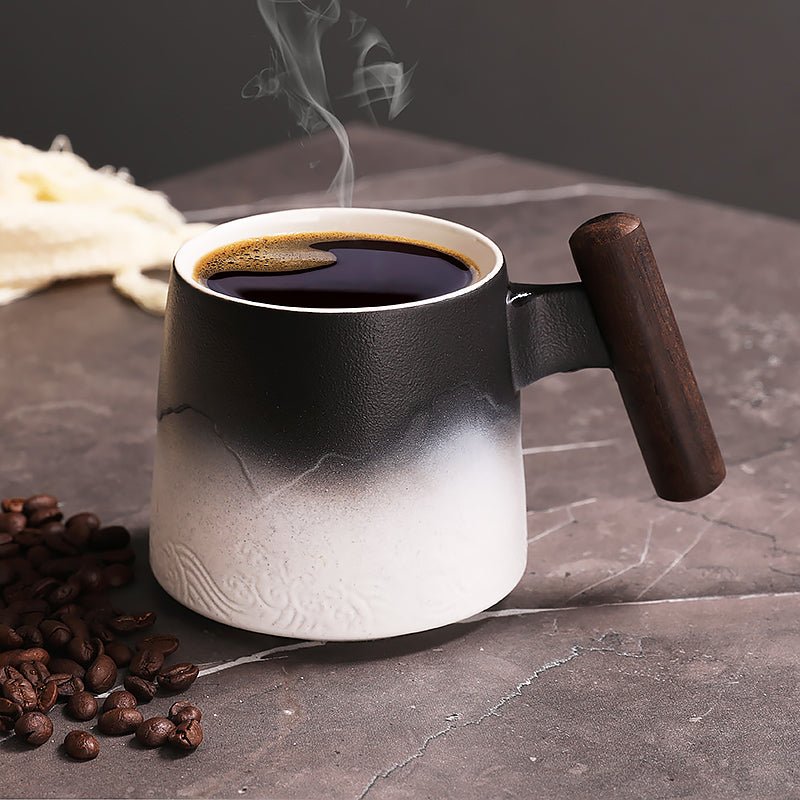
Coffee Mug Ceramic Buying Guide: What to Check Before You Buy
A practical guide to choosing a coffee mug ceramic that fits daily use, desk life, and gifting. Compare shape, comfort, care, and the trade-offs that matter before you order.
Weiterlesen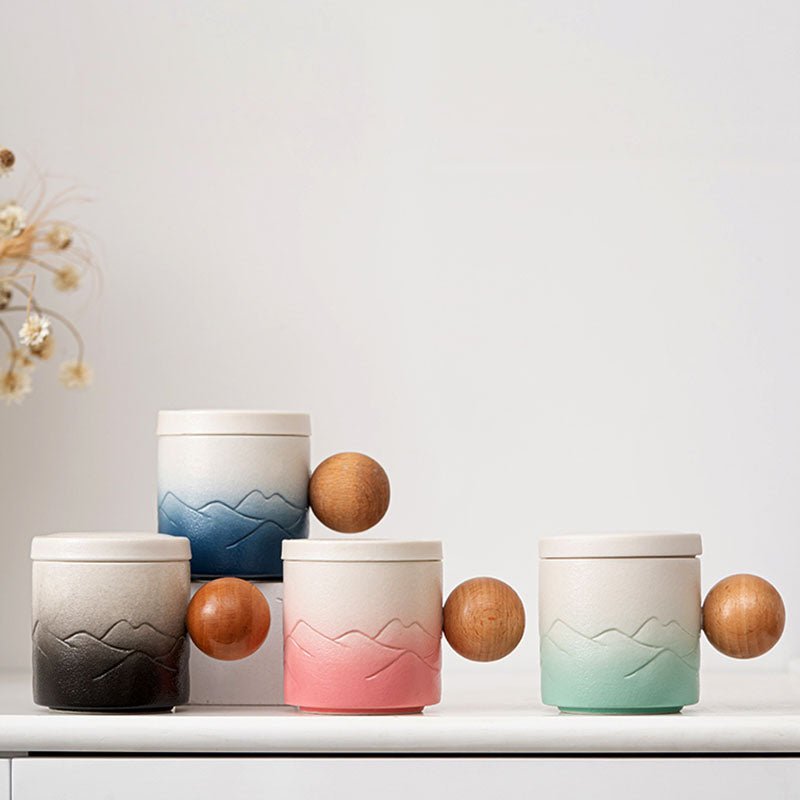
Textured Coffee Mugs: How to Choose Grip, Feel, and Daily Use
Textured coffee mugs can feel better in the hand, hide everyday wear, and add character to a kitchen shelf. We break down grip, glaze, size, and the trade-offs that matter before you buy.
Weiterlesen
Hinterlasse einen Kommentar
Diese Website ist durch hCaptcha geschützt und es gelten die allgemeinen Geschäftsbedingungen und Datenschutzbestimmungen von hCaptcha.