
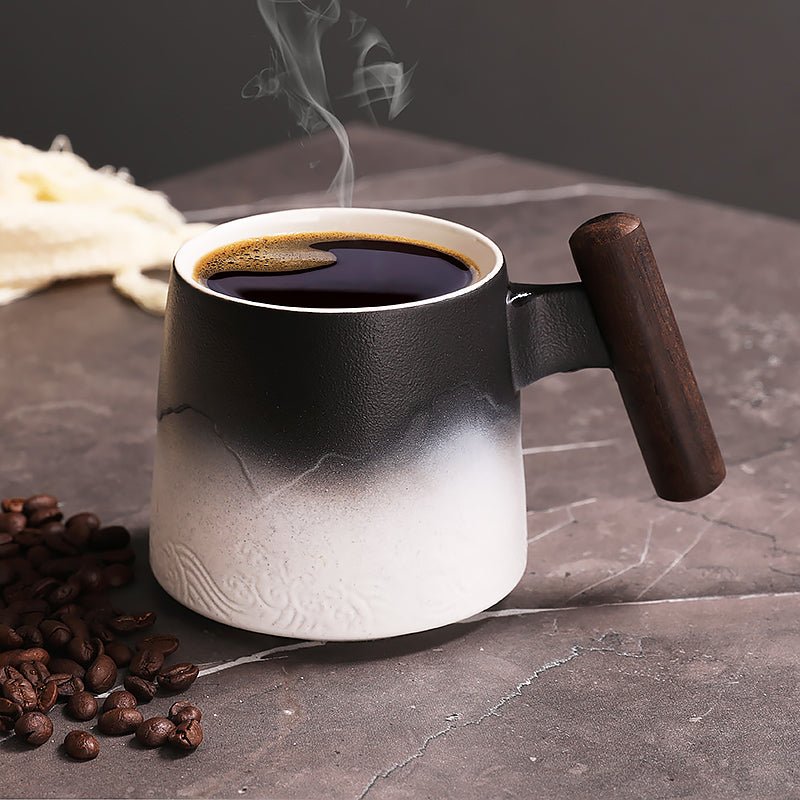
Mug Keeps Coffee Hottest: Materials, Lids, and Size Compared
Reading time: about 8 minutes
A mug that starts out steaming and lands on a desk lukewarm an hour later usually has the same problem: too much heat escapes through the wall, the rim, and the open top. In our store, that is the complaint we hear most from shoppers comparing everyday mugs.
If your goal is a mug keeps coffee hottest, the answer is not just "ceramic" or "thick." Material, wall thickness, mouth width, and whether the mug has a lid all change how long the drink stays comfortable. We break down what matters so you can pick the right cup for a kitchen counter, office desk, or gift box.
What actually keeps coffee hottest in a mug?
The fastest heat loss in a mug comes from three places: the open surface, the thin rim, and the walls touching cooler air or a cool table. That means the best mug is not always the prettiest one. It is the one that slows heat loss in more than one way.
We usually see the best results when these factors work together:
- Material: Dense ceramic or stoneware generally holds heat better than thin glass.
- Wall thickness: Thicker walls slow the first temperature drop, especially if the mug is prewarmed.
- Opening size: A wider mouth gives heat more room to escape.
- Lid: Even a simple cover helps reduce evaporation and keeps the top from cooling too quickly.
- Use pattern: A mug you sip steadily behaves differently from one you set down between meetings.
If you want the broader decision framework first, our guide on Coffee Mug That Keeps Coffee Hot: How to Choose the Right One walks through the basics we use when we help shoppers compare options.
Which material works best for staying hot?
Material matters, but not in a simple "one is always best" way. The right pick depends on whether you want the familiar feel of a classic mug, the longest possible heat retention, or a lighter cup for everyday use.
| Material | Heat retention | What we see in real use | Main trade-off |
|---|---|---|---|
| Ceramic | Good | Solid all-around choice for desks, kitchens, and gifting | Can lose heat faster than insulated drinkware if left uncovered |
| Stoneware | Very good | Often thicker and denser, with a more substantial hand feel | Heavier than thinner mugs |
| Porcelain | Good to moderate | Clean look, smooth finish, easy to like at first touch | Often thinner, so it may not hold heat as long as stoneware |
| Glass | Moderate to low | Nice for presentation, but it cools faster on an open desk | Usually not the best pick if heat retention is the priority |
| Double-wall stainless steel | Excellent | Best for maximum warmth, especially if the drink sits for a while | Less like a classic mug; usually not microwave safe |
If your priority is a mug that feels like a mug, stoneware and thicker ceramic are the practical sweet spot. If your priority is simply keeping coffee hot for as long as possible, insulated double-wall construction wins, but it changes the whole experience. That is the trade-off we tell customers about up front.
For shoppers who are deciding what to buy and what to skip, Mug That Keeps Coffee Hot: What to Buy and What to Skip is the blunt version of the same conversation.
Do lid, shape, and wall thickness matter more than people think?
Yes. A mug with decent material can still disappoint if the lid is loose, the rim is too wide, or the walls are so thin that the cup warms up and cools down too quickly. These details are small in the hand and obvious after the first 10 minutes on a desk.
What helps most:
- A fitting lid: A loose lid is mostly decorative. A better-fitting lid slows evaporation and gives the mug a little more time.
- A narrower mouth: Less surface area means less heat loss. Wide bowls and oversized openings usually cool faster.
- Thicker walls: They are not magic, but they buy time, especially for a second cup left half-finished on a work desk.
- A stable base: A mug that sits flat on the table keeps more consistent contact and feels better in daily use.
One common defect mode we watch for is a lid that wobbles or does not seat cleanly. Another is fine hairline cracking in the glaze after repeated thermal shock, especially when a cold mug gets filled with boiling coffee too quickly. Both problems shorten the useful life of the mug and make heat retention worse over time.
Our advice is simple: if a mug has a lid, test the fit before you rely on it. If the lid shifts easily or leaves gaps, it will not help much beyond the first few minutes.
What size should you buy for your routine?
Size changes heat retention more than many shoppers expect. A larger mug holds more coffee, but it also presents more hot liquid to the air. If you sip slowly, a big mug can still be the right call. If you want each sip to stay hot, smaller often works better.
We use size as a practical filter, not just a style choice:
- 8 oz works well for shorter pours, espresso-based drinks, and people who finish their coffee before it has time to cool.
- 16 oz is the most flexible everyday size for many desks and kitchen counters. It balances capacity and manageability well.
- 20 oz suits long work sessions or people who want fewer refills, but the drink will usually cool more gradually between sips.
- 24 oz is useful for big coffee pours, but it is not the best choice if your goal is the hottest possible final sip.
If you are comparing sizes, our 16 Ounce Coffee Mug Buyer’s Guide: Size, Material, and Fit and the related 20 oz Coffee Mug: What to Check Before You Buy are useful side-by-side reads. For larger formats, see 24 oz Coffee Mug: What to Check Before You Buy and our overview of Average Coffee Mug Size: What Buyers Should Know Before Ordering.
What should you skip if hot coffee is the priority?
If the main goal is heat retention, do not buy on looks alone. We see shoppers get burned by mugs that photograph well but perform poorly at the desk or kitchen table.
- Very thin ceramic: It can feel elegant, but it usually gives up heat faster than a thicker mug.
- Oversized open tops: Great for latte art, not great for temperature.
- Poorly seated lids: A lid that rattles or gaps does not do much.
- Decorative shapes with tiny handles: They can be awkward to hold, and awkward mugs get used less.
- Any mug with visible glaze cracks: That is a durability warning sign, especially if you care about repeated hot-and-cold cycles.
A classic ceramic mug is also not the best tool for a long commute or for anyone who leaves coffee untouched for half an hour. If that is your routine, a vacuum-insulated travel mug is the better category. A regular mug is about drinking at home or at a desk; it is not trying to replace travel drinkware.
How do you choose the right mug from our store?
We keep the buying process simple because the wrong mug is easy to regret. A mug should match your coffee habit, your hand feel, and how long the drink usually sits before you finish it.
Use this quick checklist before you buy:
- Decide whether you want a classic mug feel or the longest possible heat retention.
- Match the size to your usual pour, not to the biggest cup you think sounds useful.
- Check whether the wall feels thick enough to slow cooling without making the mug too heavy.
- Look for a lid only if you actually leave coffee sitting between sips.
- Confirm care needs. If you wash in a dishwasher, ask whether the finish and any lid pieces are built for repeated cycles.
We also tell shoppers to think about the setting. A kitchen counter mug can be heavier and more substantial. An office desk mug should be stable and easy to clean. A gift mug needs a shape that looks good out of the box and still works after the novelty fades. That is why we carry different options in our products and keep the full assortment in the collection for direct comparison.
If you want a softer, style-first pick after you narrow the heat question, our post on Awesome Coffee Mugs: How to Choose a Mug You’ll Actually Use is a good next stop.
Frequently asked questions
What mug keeps coffee hottest without using a travel mug?
A thick stoneware or double-wall insulated mug is usually the strongest answer. Stoneware gives you a familiar mug feel, while double-wall construction holds heat longer but feels less like a classic cup. If you sit at a desk and sip slowly, a lidded stoneware mug is often the better everyday balance.
Is ceramic or stainless steel better for keeping coffee hot?
Stainless steel with double-wall insulation usually keeps coffee hot longer. Ceramic is more traditional, microwave-friendly in many cases, and better for people who want the feel of a classic mug. If you care most about heat, stainless steel wins; if you care about the drinking experience, ceramic usually feels better.
Do mug lids actually help keep coffee warm?
Yes, but only if the lid fits well. A snug lid slows evaporation and keeps heat from escaping as quickly from the top surface. A loose lid or one that does not sit flat will help only a little.
What size mug stays hot longer, 8 oz or 16 oz?
All else being equal, the smaller mug usually stays hot longer because there is less exposed surface area and less liquid cooling at once. An 8 oz mug is easier to finish while the coffee is still warm. A 16 oz mug is more practical for many people, but it will usually lose heat a bit faster.
Can I microwave a mug that is meant to keep coffee hot?
Many ceramic mugs can be microwaved, but not all mugs and not all lids are microwave safe. Double-wall stainless steel should not go in the microwave. Check the material, the finish, and any lid parts before reheating.
If you want to compare styles side by side, start with our products page, then move to the full collection and choose the mug that matches your daily pour, your desk setup, and how long you actually let coffee sit before drinking it.
Read more

Starbucks Coffee Travel Mugs: What to Compare Before You Buy
A practical buyer’s guide to Starbucks coffee travel mugs, with the checks that matter for commuting, office use, and gift buying. We break down lid types, insulation, cleaning, and fit so you can ...
Weiterlesen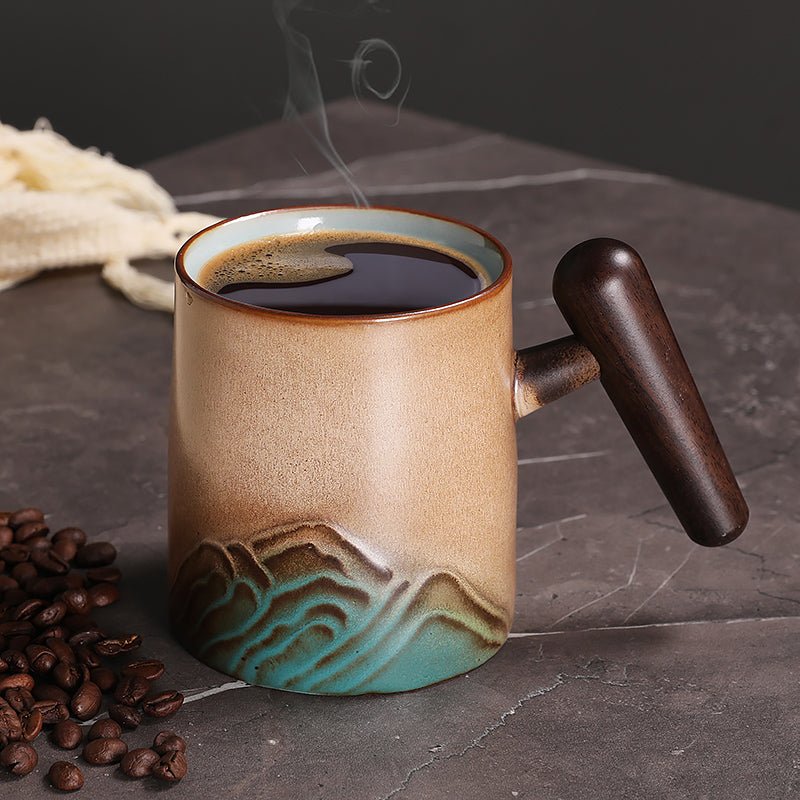
Big Coffee Mug Buyer's Guide: Size, Comfort, and Daily Use
A practical guide to choosing a big coffee mug that works at the counter, at the desk, and in the dishwasher. We cover size, material, handle shape, and the trade-offs that matter before you buy.
Weiterlesen
Hinterlasse einen Kommentar
Diese Website ist durch hCaptcha geschützt und es gelten die allgemeinen Geschäftsbedingungen und Datenschutzbestimmungen von hCaptcha.