
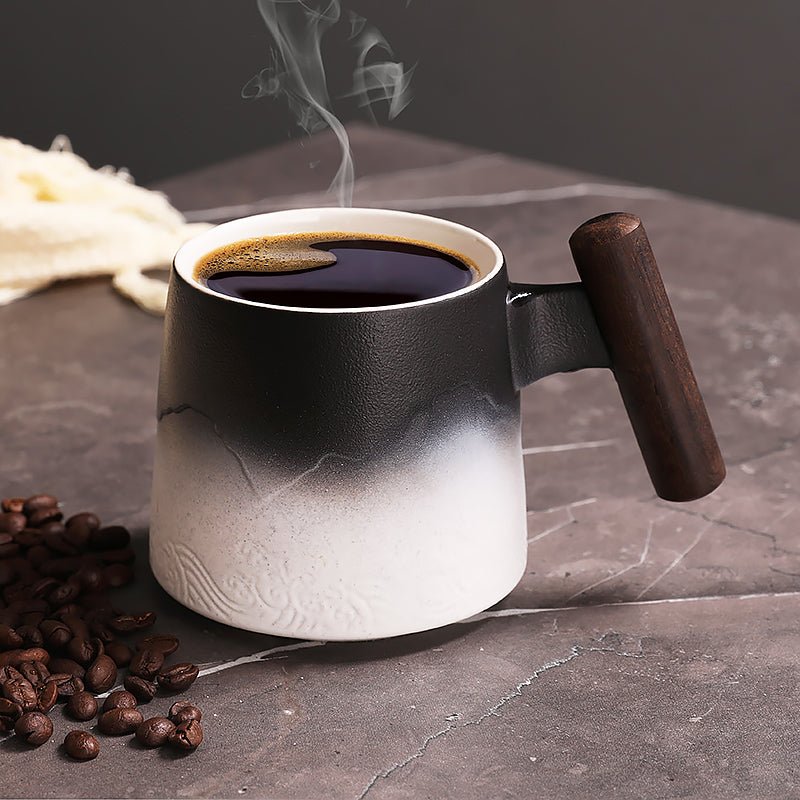
Metal Coffee Mugs: What Buyers Should Check Before Ordering
Reading time: about 9 minutes
Metal coffee mugs get noticed fast on a kitchen counter. The wrong one feels wrong just as quickly: a lid that rattles in your hand, a rim that is too thin, or a body that gets hot enough to make you set it down after every sip. In our store, we see shoppers use them for office desks, commutes, garage coffee, and gift orders where the unboxing needs to feel solid, not flimsy.
The practical question is not just which mug looks good. It is which one will still feel good after a few dishwasher cycles, a few clumsy mornings, and a few refills. That is where the material, wall construction, and size matter more than most product photos show.
What should you check before buying metal coffee mugs?
Start with the parts that affect daily use. A mug can look sturdy and still disappoint if the rim is sharp, the handle is awkward, or the lid does not seal cleanly. We usually tell shoppers to check the build first and the finish second.
- Material grade: Food-grade stainless steel is the most common baseline. If a listing says 18/8 stainless steel, that usually means the mug uses a corrosion-resistant steel blend that is better suited to repeated coffee use than cheap, unmarked metal.
- Wall construction: Single-wall mugs are lighter and simpler, but they transfer heat quickly. Double-wall or vacuum-insulated mugs hold temperature better and reduce condensation on the outside.
- Rim shape: A rolled or smoothed rim drinks better and feels less abrupt on the lip. Thin stamped edges can make an otherwise good mug feel cheap.
- Handle or grip: Some metal mugs use a welded handle, while others are handle-free and cup-shaped. A handle helps if the mug runs hot; a compact body can be better for travel bags or cup holders.
- Finish and coating: Brushed steel hides small scuffs better than glossy finishes. Powder-coated or enamel-coated surfaces can look great, but they need a bit more care if you toss mugs into a crowded sink.
- Lid fit: If the mug is meant for commuting, a loose lid is a real problem. A snug lid with a gasket matters more than a decorative lid profile.
One thing we do not recommend: choosing metal coffee mugs for microwave use. Metal belongs in the microwave category of no. If reheating in a microwave is part of your routine, ceramic is the better choice.
Which metal construction fits your routine best?
Different builds serve different jobs. A mug that is excellent at the desk can be annoying in a camping kit. A mug that is great for travel can feel bulky on a small breakfast table. The table below covers the options we see most often.
| Build | Best for | What it does well | Trade-off |
|---|---|---|---|
| Single-wall stainless steel | Quick coffee at home, garage, workshop, light daily use | Lightweight, durable, simple to clean | Heats up quickly and does not hold temperature as long |
| Double-wall stainless steel | Desk use, longer sipping sessions, commutes | Better heat retention, less condensation, more comfortable to hold | Usually bulkier and harder to pack into tight storage spaces |
| Vacuum-insulated stainless steel | Travel, long meetings, iced coffee, outdoor use | Best temperature control and minimal sweating | Often the least compact choice, and the lid needs regular cleaning |
| Enamel-coated steel | Casual home use, camping style, gift sets | Classic look, lightweight feel, easy to spot in a cabinet | Can chip if knocked against sinks, pans, or other mugs |
For most buyers, the best default is stainless steel with a thoughtful wall design. It is the most forgiving option for daily handling. Enamel looks great, but if the mug is likely to get stacked, bounced around, or washed with heavy cookware, chips become a realistic risk.
If you are still deciding on size while comparing build types, our guides for 12 oz Coffee Mugs: What to Check Before You Buy, 16 Ounce Coffee Mugs: Size, Materials, and Fit Guide, and 20 Ounce Coffee Mugs: What Buyers Should Check Before Ordering are the most useful starting points. They break down how capacity changes the feel in hand, on a desk, and under a coffee machine.
How do size and shape change the drinking experience?
Capacity sounds simple until you actually live with the mug. A 12 oz mug feels very different from a 20 oz mug, especially when it is made of metal and holds heat longer than expected. We see this play out most often in offices, where people want enough coffee to last through a meeting but not a mug that crowds the keyboard.
A few practical patterns show up again and again:
- 8 oz to 12 oz: Better for smaller pours, espresso-based drinks, or people who refill more often. These sizes are also easier to grip and store.
- 14 oz to 16 oz: A common middle ground for drip coffee. This is where many buyers end up when they want one mug that works for home and work.
- 20 oz and up: Good for long desk sessions, iced coffee, or people who do not want to get up for a refill. The downside is size. These mugs can feel large in the hand and take more cabinet space.
Shape matters as much as volume. A tapered base can fit a car cup holder better. A wider mouth makes cooling faster and cleaning easier, but it also exposes more surface area if you want coffee to stay hot. A straight-sided mug can feel stable on a desk, though it may not pack as neatly in a bag.
If you want a tighter fit guide for the smaller end of the range, the 8 Ounce Coffee Mugs: What Buyers Should Check Before Ordering and 14 Ounce Coffee Mugs: Size, Fit, and Buying Guide posts are useful companions to this guide. They help if you are matching a mug to a specific drink size or espresso setup.
Are metal coffee mugs good for hot coffee, iced coffee, or travel?
Yes, but not all at once and not in the same way. A single-wall mug can be fine for hot coffee if you drink quickly. A vacuum-insulated mug is better if you get distracted, sit through meetings, or sip slowly. For iced coffee, metal does well because it handles cold drinks without sweating as badly when the construction is insulated.
Travel changes the checklist. A mug that works well on a kitchen counter can still be wrong for a backpack or car. For travel use, we look for three things:
- A lid that seals securely and does not pop loose when the mug is tilted.
- A body shape that fits standard cup holders or at least does not fight them.
- Edges and threads that do not trap coffee residue where you cannot reach it with a sponge.
Metal coffee mugs are not the best option if you want a quiet, soft-feeling sip every time. They can clink when set on a hard counter, and some people prefer ceramic for the warmer feel and lower noise. That trade-off is real. We usually point buyers to metal when they value durability, portability, or temperature control more than the feel of classic stoneware.
How should you clean and care for them?
Cleaning is where a lot of good mugs go from new to tired-looking. The finish can dull, the lid can hold onto coffee smell, and the inside can start to pick up residue if it is not washed thoroughly. Our rule is simple: clean the mug like you want it to last, not like you want it to disappear into the sink and survive by luck.
- Wash the cup and lid after use so oils do not build up.
- Separate the gasket or seal if the lid design allows it, then dry it fully before reassembly.
- Use a soft sponge or bottle brush on coated finishes to avoid scratching.
- Avoid abrasive pads on printed, painted, or powder-coated surfaces.
- Do not put a metal mug in the microwave, even if it looks small or thin.
If the maker says the mug is dishwasher-safe, that helps, but it does not erase the need to protect the finish. Top-rack washing is usually the gentler option. If the mug has a decorative coating or a logo finish, hand washing is often the safer long-term choice.
We also see a few common wear patterns in real use: tiny dents from a sink edge, lid seals that loosen after repeated heat and wash cycles, and dark coffee staining around seams or under a gasket. None of those are unusual, but they are a sign that the mug needs better care or a simpler design next time.
Which metal coffee mug is the better buy for your setup?
The best buy depends on how you actually drink coffee. If you keep a mug on a desk and sip for an hour, insulation matters more than a decorative finish. If the mug lives in a camping bin, durability and simplicity matter more than a perfect seal. If it is a gift, the unboxing and appearance matter too, but the recipient will still live with the rim, the weight, and the lid.
Use this quick check before ordering:
- Choose stainless steel if you want the most balanced everyday option.
- Choose double-wall or vacuum insulation if heat retention and condensation control are top priorities.
- Choose enamel-coated steel if you want a classic look and are comfortable being careful with chips.
- Choose a smaller size if you want a better hand feel and less wasted coffee.
- Choose a larger size if you refill less often and do not mind extra bulk.
If you want to compare actual options, start with our products page or browse the full collection to see what fits your size and style preference best.
Frequently asked questions
Are metal coffee mugs safe for daily use?
Yes, as long as the mug is made from food-grade materials and designed for hot drinks. Stainless steel is the most common daily-use choice because it is durable and easy to clean. We would avoid bare, uncoated mystery metals and anything that leaves an off smell after washing.
Do metal coffee mugs keep coffee hotter than ceramic?
Double-wall and vacuum-insulated metal mugs usually hold heat better than plain ceramic mugs. Single-wall metal mugs do not perform the same way, because they transfer heat quickly to the outside. If you sip slowly, insulation matters much more than the material alone.
Can I put metal coffee mugs in the microwave?
No. Metal should not go in the microwave, even if the mug looks thin or the logo is small. If reheating in a microwave matters to you, ceramic is the safer choice for everyday use.
What size metal coffee mug is best for office use?
For most desks, 12 oz to 16 oz is the sweet spot. Smaller sizes are easier to keep beside a keyboard without taking over the workspace, while 16 oz gives you a bit more room for longer meetings. If you refill often, a smaller mug can actually be the better workday choice.
Do metal coffee mugs change the taste of coffee?
A well-made stainless steel mug should not make coffee taste metallic. Taste issues usually come from residue, a weak lining, or a lid that holds onto old coffee oils. That is why we care so much about cleaning access and lid design.
If you are ready to narrow it down, compare the mug’s material, wall construction, lid seal, and size against your daily routine, then move to our products page or the full collection for the style that fits best.
More from our blog
Read more
Coffee Mug Sublimation: What Works, What Fails, and What to Buy
Coffee mug sublimation looks simple until a print comes out faded, crooked, or dull after the first wash. Here we break down what actually affects results, what mug styles are worth buying, and wha...
Weiterlesen
Blank Coffee Mugs: How to Choose the Right Size and Finish
Blank coffee mugs sound simple until you have to choose one for the kitchen, office, gifting, or customization. This guide covers size, material, finish, and the small quality details that separate...
Weiterlesen
Hinterlasse einen Kommentar
Diese Website ist durch hCaptcha geschützt und es gelten die allgemeinen Geschäftsbedingungen und Datenschutzbestimmungen von hCaptcha.