
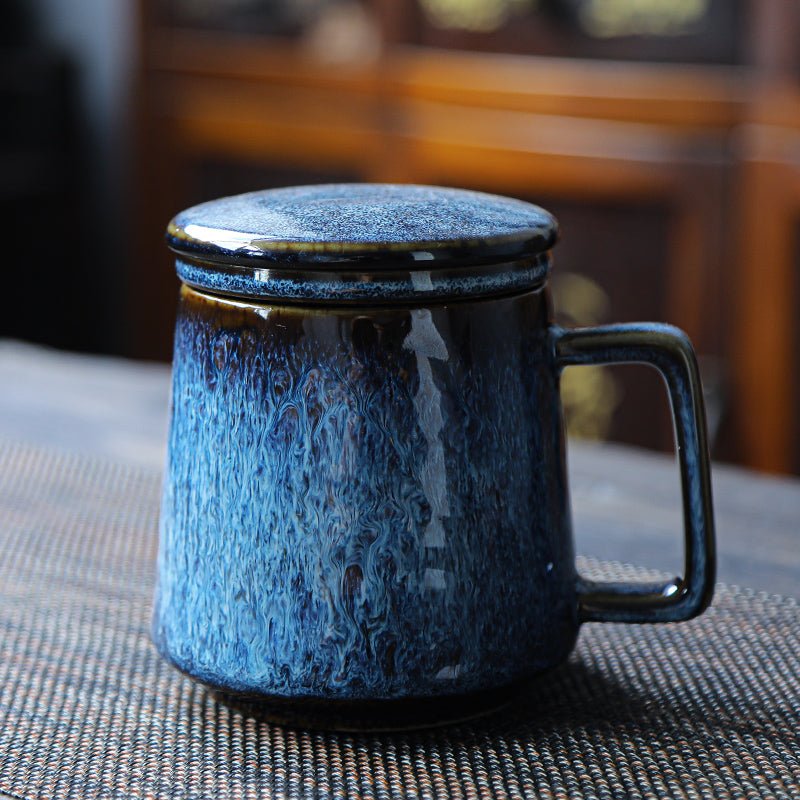
McCoy Coffee Mugs: What to Check Before You Buy
Reading time: about 8 minutes
A chip on the rim. A hairline crack in the base. A mug that looks great on a shelf but feels awkward in the hand by the second refill. Those are the details that matter when people shop for mccoy coffee mugs, and they are the same details we check in our own store before we decide whether a mug belongs in daily rotation or stays in the display cabinet.
If you are comparing vintage McCoy pieces with newer everyday mugs, the first question is not style. It is use. A true collector mug and a practical breakfast mug are not always the same purchase. For shoppers who want a dependable alternative for coffee, tea, or office use, we also carry options like the Handbag Coffee Tea Mug, the White Golden Waves Tall Coffee Tea Mug, and the Mountain Tall Coffee Tea Mug.
For a broader look at our current mug lineup, start with our full collection. If you are still deciding on size, our guides on 12 Ounce Coffee Mugs: Size, Fit, and Best Buying Choices and 14 Ounce Coffee Mugs: Size, Fit, and Buying Guide are useful side reads.
What are you actually buying with McCoy coffee mugs?
Most shoppers use the phrase mccoy coffee mugs to mean vintage-style ceramic mugs, often with a handmade feel, older glaze patterns, or a collectible angle. That matters because the right buying checklist changes depending on whether you want a display piece, a daily drinker, or a gift that survives real use.
In our experience, the best buying decisions start with a simple filter:
- Collector first: prioritize original condition, mark authenticity, and cosmetic integrity.
- Daily use first: prioritize a comfortable handle, stable base, and easy cleaning.
- Gift first: prioritize presentation, packaging, and a design that reads clearly at first glance.
That filter saves time. It also prevents the common mistake of buying a mug that looks right online but does not fit the way you drink coffee at home, at work, or on a crowded kitchen counter.
Which condition details matter most before you buy?
Condition is where many mug purchases go wrong. A mug can look fine in a photo and still have issues that make it poor for use. We inspect ceramic pieces for the same failure points buyers should check before they commit.
| Detail | What to look for | Why it matters |
|---|---|---|
| Rim | Chips, nicks, or uneven wear | Rim damage affects drinking comfort and can indicate rough handling |
| Base | Hairline cracks or wobble | A cracked base can worsen with heat changes and washing |
| Handle | Stress marks where the handle joins the body | That joint takes the most strain when the mug is full |
| Glaze | Crazing, dull spots, or patchy finish | Glaze condition changes both the look and long-term durability |
| Interior | Staining, odor, or rough glaze spots | The inside surface affects taste, cleanup, and how often you will actually use it |
For vintage pieces, visible wear is not automatically a dealbreaker. Some buyers want the patina. But if you want a mug that goes straight into the dishwasher and sees daily coffee, be stricter. Cosmetic wear is one thing. Structural wear is another.
How do you tell a shelf piece from a daily-use mug?
The difference shows up in the hand, not just the photo. A mug meant for everyday coffee should feel balanced when half full, not top-heavy. It should sit flat on a counter and not rock. It should also have a handle opening that fits your fingers without forcing a tight grip.
In our store, we pay attention to three practical details that shoppers often miss:
- Wall thickness: thicker ceramic holds heat longer, but it also adds weight.
- Handle clearance: a small handle can look elegant and still be awkward with larger hands.
- Mouth shape: a wider opening cools coffee faster, which is useful for tea or slow sipping but not ideal if you want heat retention.
If you want a mug that is more forgiving on a work desk or in a busy kitchen, a modern option like the White Golden Waves Tall Coffee Tea Mug usually gives you a little more usable volume and a taller silhouette. If you prefer a more upright mug for pour-over or large morning pours, the Mountain Tall Coffee Tea Mug is closer to that everyday profile.
What size works best for coffee, tea, and desk use?
Size affects more than capacity. It changes heat retention, drinking pace, storage, and even whether the mug fits under your cabinet shelf. If you are comparing vintage-inspired mugs with modern options, size should be part of the decision from the beginning.
We have seen the clearest buying mistakes happen when shoppers ignore volume and focus only on the pattern. A mug that is too small leads to refills. A mug that is too large can cool too slowly and become bulky on a crowded desk.
For size-specific guidance, these articles break down the practical differences well: 10 oz Coffee Mugs: How to Choose the Right One for Daily Use and 12 oz Coffee Mugs: What to Check Before You Buy.
- 10 oz range: better for smaller pours and people who want coffee hot from first sip to last.
- 12 oz range: the common middle ground for most home brews and standard drip servings.
- 14 oz and above: better for long desk sessions, tea, or a larger morning pour.
That does not mean bigger is better. A larger mug is not ideal if you prefer espresso-based drinks, if your cabinet height is tight, or if you do not want a heavy mug in your hand before noon.
Which design details matter if you want the mug to be used, not displayed?
We handle a lot of mugs that look beautiful until they face daily life. Once they meet dishwasher racks, desk clutter, and quick morning pours, certain features matter more than the pattern on the side.
Look for these practical design cues:
- Stable foot: a mug should not feel like it wants to tip when set down half full.
- Smooth interior glaze: easier to rinse, less likely to hold coffee residue.
- Comfortable handle angle: it should support the mug without wrist strain.
- Balanced profile: tall mugs can be efficient, but they should not feel top-heavy.
That is why our store often recommends shoppers compare a vintage-style mug against a modern ceramic alternative before buying. A collectible mug may have more personality. A contemporary mug may have better everyday ergonomics. Both can be right. They solve different problems.
Our rule in the shop is simple: if a mug cannot survive a normal kitchen routine, it should be treated as a collectible, not as a daily tool.
What care should you expect, and what should you avoid?
Care depends on the mug's age, glaze condition, and how fragile the finish is. A well-made ceramic mug is easy to maintain, but older or decorative pieces deserve more caution. We avoid making blanket claims here because a mug that has visible wear is not the same as a newer production mug.
Use this practical approach:
- Hand wash first if the piece is vintage, has metallic decoration, or shows glaze wear.
- Avoid thermal shock: do not move a cold mug straight to boiling liquid if the ceramic is old or already stressed.
- Check the base after washing: moisture trapped around a crack can make damage easier to miss.
- Skip abrasive scrubbers on decorative finishes that can dull over time.
If you want a mug that you can use with less worry in a dishwasher cycle, a newer mug is usually the safer choice. That is one reason many shoppers choose our modern alternatives over a collectible piece for weekday use.
Which alternatives make sense if you want the look but not the risk?
Not every buyer needs a true vintage mug. Some people want the visual character and the solid feel without the uncertainty that comes with older ceramics. That is where our everyday lineup fits better.
The Handbag Coffee Tea Mug is a useful pick if you want a more distinctive shape and a mug that reads as a gift right away. The White Golden Waves Tall Coffee Tea Mug works well if you want a taller silhouette for tea, longer pours, or a desk setup. The Mountain Tall Coffee Tea Mug gives you a cleaner everyday feel if you want the mug to fit into regular morning routines without feeling fussy.
If you are still narrowing it down, our broader buying guides can help you compare the practical side before you commit to a style: 12 Ounce Coffee Mugs: Size, Fit, and Best Buying Choices and 15 oz Coffee Mugs: Size, Fit, and Daily Use Checklist.
Frequently asked questions
Are McCoy coffee mugs good for daily use?
Some are, but not all of them. If the mug has chips, cracks, or heavy glaze wear, we would treat it as a collectible rather than an everyday coffee mug. For daily use, a newer ceramic mug is usually the safer and easier option.
How do I check if a vintage mug is in usable condition?
Look closely at the rim, handle joints, base, and interior glaze. A mug should sit flat, show no hairline cracks, and feel comfortable to hold when full. If you see structural damage, do not assume it is safe just because it still looks good in photos.
What size mug should I choose if I drink coffee at my desk?
Most desk buyers do well with a 12 oz to 14 oz mug. That range gives enough room for a standard pour without forcing constant refills. If you like long sipping sessions or tea, a taller mug can be more practical.
Should I buy a collectible mug or a modern mug instead?
Choose the collectible mug if authenticity and visual character matter most. Choose the modern mug if you want predictable handling, easier care, and less worry about wear. In our store, we usually recommend modern ceramic for regular kitchen use and vintage pieces for display or light use.
What is the easiest way to compare options before buying?
Start with use case, then compare size, handle comfort, base stability, and care requirements. After that, compare the look. If the mug still works after the practical checks, it is probably worth buying.
If you want a practical next step, compare your top pick against a daily-use alternative, then check the full lineup in our collection and choose the mug that fits your kitchen routine, not just your shelf.
Read more
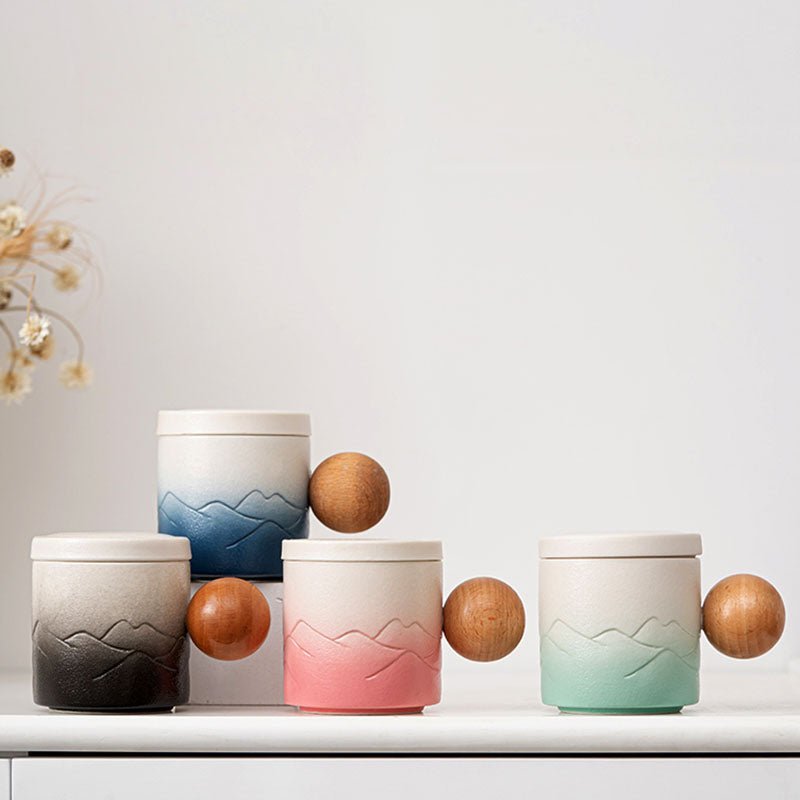
Spring Coffee Mugs for Daily Use, Gifts, and Desk Coffee
Spring coffee mugs should look lighter on the counter and still feel good in the hand. We cover the sizes, finishes, and trade-offs that matter before you buy.
Weiterlesen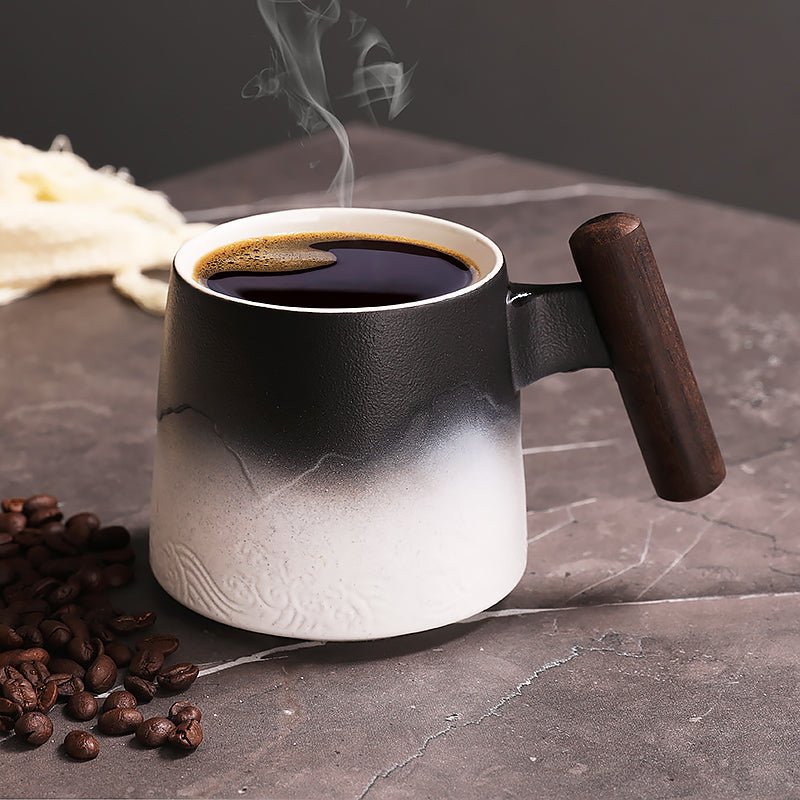
Mineral Coffee Mugs: What to Compare Before You Buy
Mineral coffee mugs can be a practical pick for daily coffee, tea, and desk use, but the details matter: shape, finish, weight, and care all affect how they feel in real use. Here’s how we compare ...
Weiterlesen
Hinterlasse einen Kommentar
Diese Website ist durch hCaptcha geschützt und es gelten die allgemeinen Geschäftsbedingungen und Datenschutzbestimmungen von hCaptcha.