
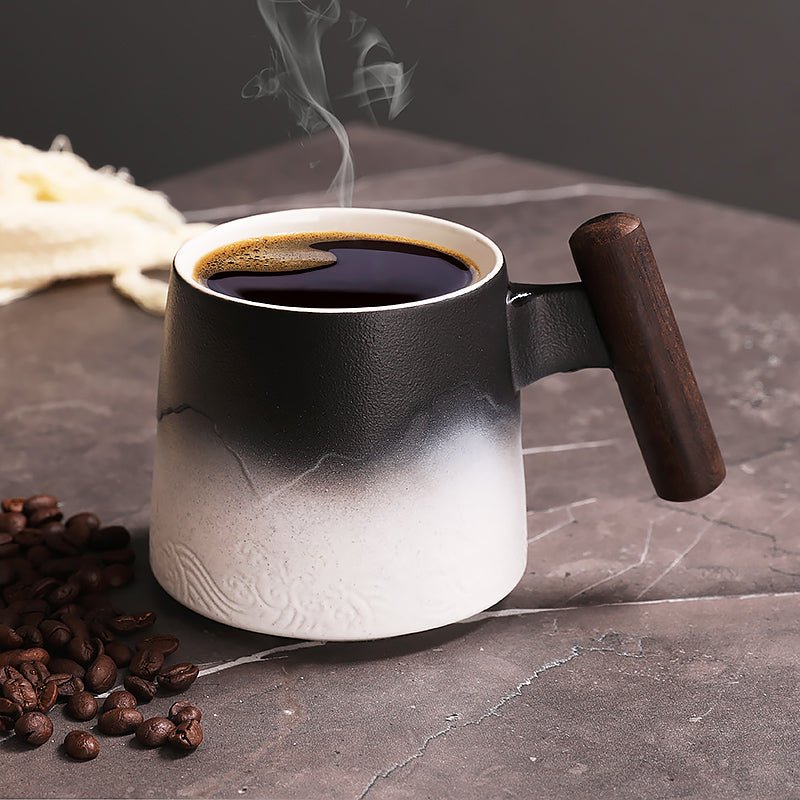
Leakproof Coffee Mug Guide: What Shoppers Should Check First
Reading time: about 11 minutes
A coffee stain on a laptop sleeve usually starts with a tiny detail that got missed. The lid looked closed. The gasket was slightly twisted after washing. The mug got dropped into a tote anyway. In our store, we hear some version of that story again and again, and the pattern is consistent: the cup body is rarely the part that fails first. The leak usually starts at the drink opening, the vent, the seal, or the lid threads.
If you are shopping for a leakproof coffee mug, keep a few product tabs open while you compare. We suggest starting with The Flow Coffee Tea Mug, Mountain Sea Coffee Tea Mug, and Spittoon Coffee Tea Mug, then scanning our full collection for other shapes and lid setups. Looking at more than one mug side by side makes it much easier to see which design is built for a desk, which one may work in a cup holder, and which one you would not trust near paperwork or electronics.
What makes a leakproof coffee mug actually stay sealed?
A leakproof coffee mug is not one feature. It is a system. The lid has to sit flat, the silicone gasket has to stay seated in its groove, and the drink opening has to close without leaving a hairline gap. If one of those parts is off, the mug can look fine on the counter and still leave a ring of coffee in your bag by lunch.
The most common failure points are small and annoyingly ordinary. A threaded lid can cross-thread if you start it at an angle. A press-in lid can rock if there is dried coffee on the rim. A slide closure may feel shut with your thumb but still leave the vent partially exposed. We also see leaks show up after dishwasher cycles because heat can change how some plastic lid components fit, even when the mug body itself still looks perfect.
That is why we tell shoppers to judge the lid more critically than the artwork, color, or shape. A mug can look polished in a gift unboxing and still be the wrong choice if the closure is fiddly, the gasket is loose, or the drink port is too exposed for daily carry.
- Check the gasket: It should sit evenly all the way around with no twisting, buckling, or flat spots.
- Check the closure: The drink opening and any air vent should both be covered when the lid is fully shut.
- Check the fit: The lid should not wobble or leave one edge sitting higher than the other.
- Check the reassembly: Many mugs leak only after cleaning because the seal went back in backwards or off-center.
Which lid styles are safest for desks, cup holders, and bags?
Not every leakproof coffee mug is built for the same routine. A lid that is perfectly adequate for an office desk may be a poor choice for a backpack. A mug that feels secure in a car cup holder may be irritating to sip from during a long meeting. The right buy depends less on the label and more on how the lid behaves once your day gets busy.
| Lid style | Best use | What usually leaks first | Main trade-off |
|---|---|---|---|
| Threaded lid with silicone gasket | Bag carry and commuting | Cross-threading or a gasket that was not seated flat after washing | Usually more secure, but slower to open and clean |
| Flip-top or push-lock lid | Car use and quick one-handed sipping | Residue around the hinge or a latch that does not fully engage | Convenient to drink from, but more moving parts to maintain |
| Slide closure | Desk use and short upright carry | The slider track or exposed vent area | Easy access, but often the weakest choice for a tote or backpack |
| Press-in travel lid | Home office, kitchen, and low-risk transport | Lift at the rim or seepage around the plug opening | Simple and easy to rinse, but usually not the best bag-safe option |
For most shoppers, this is the real dividing line. If your mug stays upright on a desk next to a keyboard, a simpler lid can be perfectly reasonable. If it will spend part of the day on a car seat, in a tote pocket, or next to notebooks, lean toward the lid style with the fewest exposed openings and the most positive closure.
What should you inspect on the product page before you buy?
We recommend using the same four questions on every mug page you open. Start with The Flow Coffee Tea Mug, Mountain Sea Coffee Tea Mug, and Spittoon Coffee Tea Mug. You do not need twenty tabs. You need a short, disciplined comparison.
- How exposed is the drink opening? A large open slot is pleasant for sipping at a desk, but it is rarely what we suggest for a mug that may tip inside a bag.
- Can you understand the lid in one glance? If the closure path is confusing in photos, daily use may be annoying too. Complicated lids are often the first to collect dried milk, syrup, or coffee oils around the hinge and vent.
- What does cleaning look like? Look for signs that the gasket can be removed and reseated cleanly. If the lid has deep channels or multiple locking pieces, expect a little more maintenance.
- Does the shape match your routine? A broad mug may feel great in hand at a desk, while a narrower, more vertical profile is usually easier to manage in a cup holder or side pocket.
After those checks, open our full collection and compare the mugs that still make sense for your day. That extra pass matters. It keeps shoppers from buying a desk-first mug for a commute-first job.
What failures show up after the first week of use?
Day one performance can be misleading. The better question is how the mug behaves after a week of rinsing, refilling, and getting opened with one hand while you answer emails. In our experience, most complaints do not start with a cracked cup. They start after the first deep clean.
- The gasket stretches or twists: This happens when the seal gets pulled out aggressively, reinstalled backwards, or pinched while the lid is tightened.
- The lid threads stop engaging smoothly: A small bit of dried residue on the threads can force the lid off-center and create a side leak.
- The vent area traps buildup: Coffee oils, sweeteners, and milk residue can collect in the smallest channels, especially around sliders and hinges.
- The closure weakens under rushed use: Repeated snapping shut with wet hands or while walking can wear on a latch faster than careful kitchen use.
- The mug gets assigned the wrong job: A cup that is perfectly stable on an office desk may start leaking once it is tossed into a backpack horizontally.
Those are not rare edge cases. They are the everyday reasons a mug goes from trusted to questionable. A leakproof coffee mug needs a good first fit, but it also needs a lid design you will realistically maintain.
How should you clean a leakproof coffee mug so it keeps sealing?
Good cleaning habits matter more than most shoppers expect. The seal is usually the first area to degrade, and it often happens because coffee oils stayed in the groove, the gasket went back in damp, or the lid got too much dishwasher heat. If a product page recommends hand washing the lid, follow that guidance even if the cup itself is less fussy.
- Empty the mug and rinse the lid right away so residue does not dry inside the drink port.
- Remove the gasket carefully if the design allows it. Do not stretch it more than necessary.
- Wash the groove, threads, and vent channel with warm soapy water. A small soft brush works better than a quick rinse for these narrow areas.
- Dry every part fully before reassembly, especially the gasket channel and any flip hinge.
- Test with plain water over the sink before you trust the mug in a tote, on a passenger seat, or next to a notebook.
That last step sounds basic, but it saves a lot of frustration. We have seen mugs that were perfectly reliable before washing start seeping immediately after because the seal was seated slightly off-center. A thirty-second water test is cheaper than a ruined planner or a coffee-smelling work bag.
What is a leakproof coffee mug not good for?
This is the part many guides skip, but it matters. A leakproof coffee mug is not automatically the best answer for every coffee drinker. If you mostly drink at home and want the easiest possible sip, a simple mug with a splash-resistant lid can feel better than a tightly sealed commuter lid. You lose some carry security, but you gain easy cleaning and a more open drinking experience.
- Not ideal for zero-maintenance buyers: If you hate removing gaskets or checking a vent for buildup, avoid multi-part lids.
- Not the best choice for rough pack carry: If your drink will ride sideways under books, gym gear, or electronics for hours, a bottle-style flask is usually safer.
- Not always the nicest desk drinker: The most secure closures can be slower to open and less pleasant for frequent sipping.
- Not automatically better because it feels heavier: Extra weight can come from materials or decoration, not from a better seal.
We tell shoppers to buy for the hardest part of their day. If the mug's toughest job is sitting upright on a kitchen counter, do not overbuy on a complicated locking lid. If the toughest job is surviving a commute, do not pick the easiest-sipping lid and hope for the best.
How do we match shoppers to the right mug style in our store?
We start with routine, not hype. A shopper who drinks slowly at a desk needs something different from a shopper who fills a mug, closes it, and heads straight into traffic. That sounds obvious, but it is where most buying mistakes happen. People shop by appearance first, then try to force the mug into a routine it was never suited for.
- Desk-first shopper: Prioritize a comfortable sip, a stable base, and a lid that is easy to rinse between refills.
- Commute-first shopper: Prioritize the most secure closure, the least exposed opening, and a shape that is easy to keep upright.
- Gift-first shopper: Prioritize presentation, but still check care complexity. A beautiful mug is a poor gift if the lid needs a detailed cleaning routine after every latte.
In our experience, the best purchases happen when buyers are honest about how careless real life can get. The mug gets sealed one-handed. It sits on a cluttered desk. It goes through rushed evening washing. A leakproof coffee mug should be chosen for those moments, not for the product photo alone.
Frequently asked questions
Can a slide-close lid be truly leakproof?
Sometimes, but that is not the lid style we trust most for bag carry. Slide closures are usually better for upright desk use because the slider track and vent area are common weak points. If you plan to put the mug next to papers or electronics, test it with water first and keep it upright.
Why does my mug leak only after I wash it?
The usual cause is the seal, not the cup body. A silicone gasket may have gone back in twisted, damp, or slightly off-center, and a threaded lid may not seat the same way if residue is left in the grooves. This is why we always recommend a quick post-wash water test over the sink.
Is ceramic or stainless steel better for a leakproof coffee mug?
They solve different problems. Ceramic often feels more familiar for desk drinking, while stainless steel is usually the easier choice for commuting and temperature retention. The leakproof part still depends mostly on the lid and gasket, not the body material alone.
How full should I fill a leakproof coffee mug?
Do not fill to the brim if you want the cleanest seal. Leaving a little headspace reduces slosh and keeps liquid from pushing into the vent or lid threads when you close it. That matters even more with hot coffee because movement creates pressure inside the mug.
Do I need to remove the gasket every time I clean the mug?
Not every single rinse, but regular full cleaning is smart, especially if you use milk, sweeteners, or flavored syrups. Those ingredients leave residue in the gasket groove faster than black coffee does. Remove it gently, dry it fully, and make sure it sits flat before you use the mug again.
What should you compare before you place the order?
- Decide where the mug will spend the riskiest part of the day: desk, car, or bag.
- Choose the lid style that matches that job, not just the one that looks easiest to sip from.
- Check how the gasket is cleaned and reinstalled.
- Look at the opening, vent, and rim fit as closely as you look at the design.
- Rule out any mug that already seems too annoying to maintain.
If you want the fastest next step, open our full collection and compare the mugs that fit your actual routine. That is the simplest way to land on a leakproof coffee mug you will trust on the counter, in the car, and during the messy parts of a normal week.
More from our blog
Read more
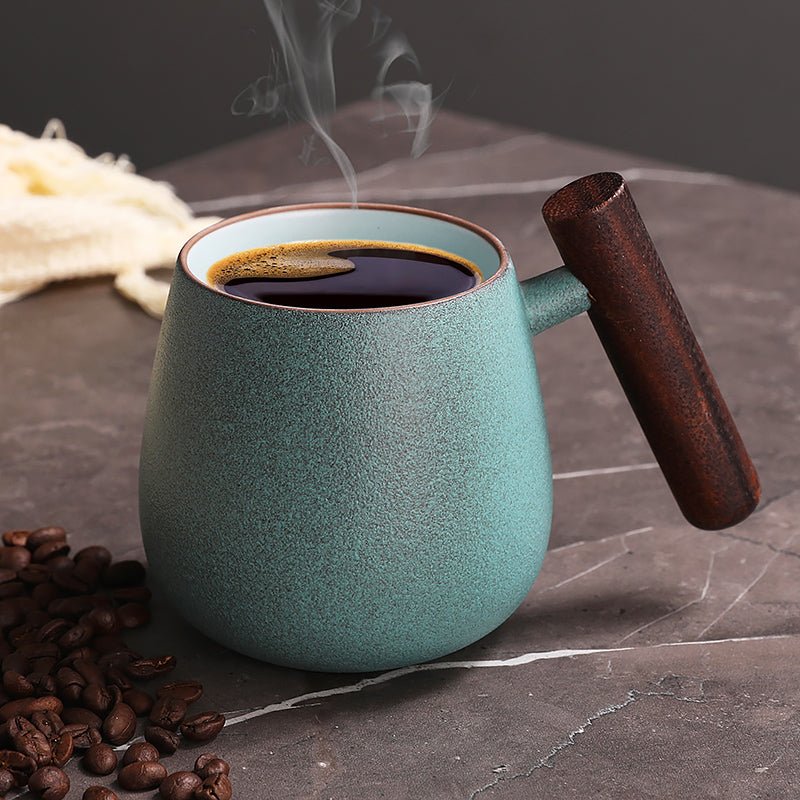
Toilet Coffee Mug Buying Guide: What to Check Before You Buy
A toilet coffee mug can be a funny gift or a desk conversation starter, but comfort, cleanup, and handle feel decide whether it stays in rotation. We break down what to check before you buy and whi...
Weiterlesen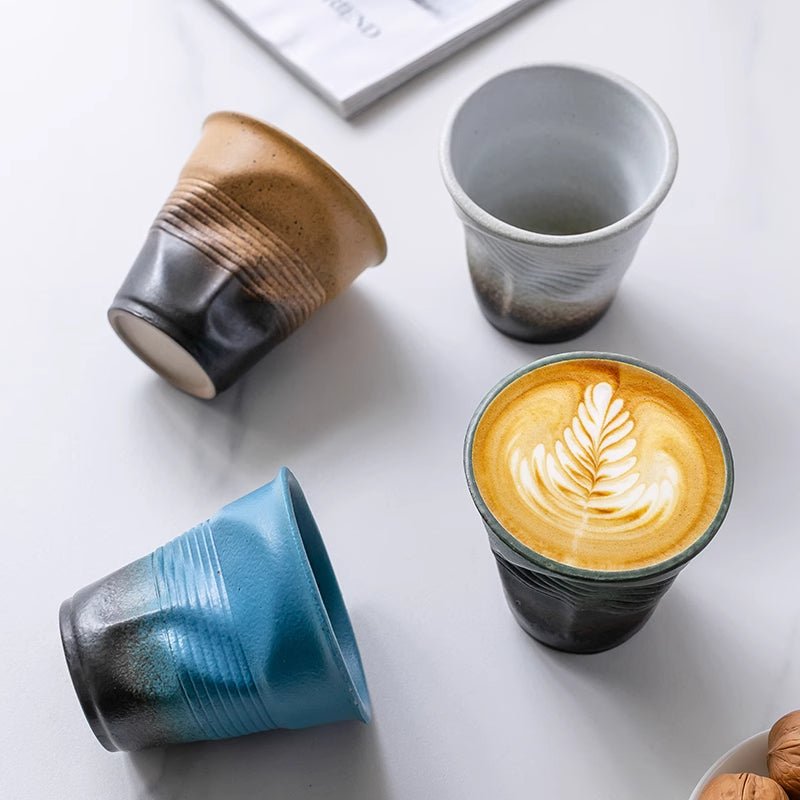
Best Mug for Coffee: How to Choose the Right Everyday Cup
We break down what actually makes a mug good for coffee: size, heat retention, handle comfort, and cleanup. Use this guide to compare styles before you buy.
Weiterlesen
Hinterlasse einen Kommentar
Diese Website ist durch hCaptcha geschützt und es gelten die allgemeinen Geschäftsbedingungen und Datenschutzbestimmungen von hCaptcha.