
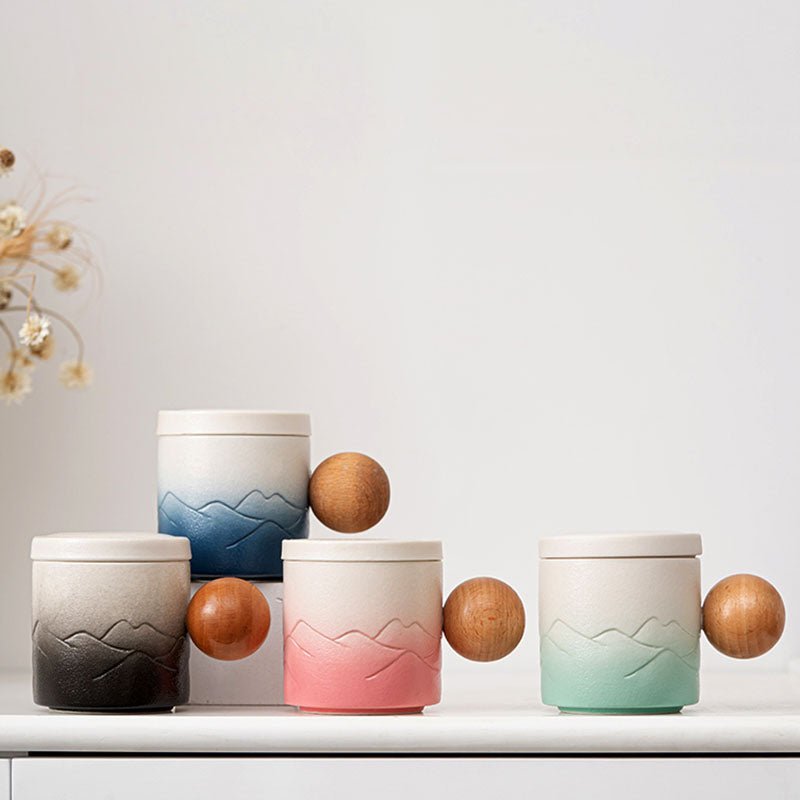
Large Coffee Cups: How to Choose the Right One for Daily Use
Reading time: about 9 minutes
A large coffee cup earns its place when the first refill happens before the morning email is done. The wrong mug looks fine on a shelf, then feels awkward the first time you pick it up full, wash it, or try to fit it beside a keyboard.
We see that pattern all the time in our store. Buyers want more capacity, but they still need a mug that sits flat on a desk, clears the cabinet, and does not feel clumsy in the hand. That is the real test for large coffee cups.
What makes a large coffee cup worth buying for everyday use?
A good large mug does three jobs at once: it holds enough for a real pour, stays comfortable when full, and survives ordinary kitchen use without turning into a special-occasion piece. The best ones make your routine easier, not more complicated.
For most shoppers, the useful details are not the photo styling. They are the practical points: how wide the handle opening is, how stable the base feels on a smooth counter, and whether the rim is comfortable for repeated sipping. A mug can look generous and still be frustrating if the handle pinches two fingers or the body is too tall for a shelf.
- Heat retention: thicker walls and a smaller opening usually help hot coffee stay warmer longer.
- Desk safety: a flatter, wider base is easier to trust near a laptop or notebook.
- Cleanup: a smooth glaze and a simple shape are easier to rinse after milk, cocoa, or sweetened tea.
Large coffee cups are not always the best choice for espresso setups, travel bags, or cup warmers with a narrow ring. If your coffee routine is built around small, concentrated drinks, a standard-size mug may fit better than a bigger one.
How much capacity do you really need for your drink?
Capacity is the first number buyers look for, but the number only helps if it matches how you drink. A black coffee drinker and a latte drinker do not need the same mug. Neither does someone who wants one long desk-side pour and someone who keeps topping off through the morning.
As a practical rule, think about the drink you make most often, not the one you make occasionally. If you usually pour drip coffee with room for milk, a larger mug helps prevent sloshing and gives foam space. If you prefer a straightforward black pour, too much extra volume can leave the drink cooling in a half-empty cup.
| Daily drink habit | What to look for | Why it matters |
|---|---|---|
| Black coffee, one cup at a time | Moderate large mug with a comfortable handle | Keeps the cup easy to hold without feeling oversized |
| Drip coffee with milk or oat milk | Extra headroom above the fill line | Helps avoid spills when you add milk, foam, or sugar |
| Desk coffee that lasts through a long morning | Stable base and a shape that fits beside a keyboard | Reduces accidents on crowded work surfaces |
If you want a broader framework before you pick, our post Big Coffee Cups: How to Choose the Right Large Mug for Daily Use covers the daily-use side of the decision in more detail. For a faster pre-purchase scan, Big Coffee Cups: What to Check Before You Buy a Large Mug is the checklist we would use before placing an order.
Which shape is easier to live with: tall, wide, or rounded?
Shape changes how a mug feels more than most buyers expect. A tall mug can look elegant and save counter width, but it may feel top-heavy when filled near the rim. A wider mug is easier to scoop from and often feels stable, but it can take more shelf space and cool a little faster because of the wider opening.
Rounded shapes usually land in the middle. They are often the easiest to grip, especially if the handle has enough space for a full hand. That is why we tend to recommend them for everyday use first, then more specialized shapes for shoppers who know exactly what they want.
- Tall mugs: better if you want a streamlined look and a smaller footprint on the counter.
- Wide mugs: better if you add milk, whisk cocoa, or want an easier reach to the bottom with a spoon.
- Rounded mugs: better for a balanced hand feel and a middle-ground option for most kitchens.
One practical trade-off: a tall mug may be harder to fit under some cabinet shelves, while a very wide mug can feel less secure if the handle is small or the base is narrow. That is why appearance alone is a poor buying signal.
Which large coffee cups in our store fit different buying priorities?
If you want a quick starting point, we usually suggest matching the mug to the way it will be used. Our team looks at the same things shoppers do after the box arrives: how it feels in the hand, whether it works on a desk, and whether it still feels worth reaching for after a week of washing.
| Product | Best for | What to watch |
|---|---|---|
| The Flow Coffee Tea Mug | Everyday use, flexible drink types, and a simple routine | Best if you want a mug that does not feel overly decorative or fussy |
| White Golden Waves Tall Coffee Tea Mug | Buyers who want a taller silhouette and a more polished look | A tall mug may need a little more care on crowded shelves or narrow cabinet spaces |
| Green Waves Coffee Tea Mug | People who want a distinctive mug that still works for daily coffee | Design-forward mugs can be a better fit for home use than for rough office storage |
To browse the rest of the range, start with our full collection. If you are still comparing aesthetics against function, our article Beautiful Coffee Cups That Look Good and Work Every Day is the right next read. For a tighter look at visual details before you buy, Beautiful Coffee Cups: What to Look for Before You Buy breaks down the parts that are easy to miss in photos.
What should you check before you order a large mug?
The best buying checks are boring, and that is exactly why they matter. A good mug can still disappoint if the handle is too tight, the rim chips too easily, or the base rocks on a flat table. Those are the problems that show up after the unboxing excitement is gone.
- Handle clearance: make sure two fingers fit comfortably if you like a secure grip.
- Rim shape: a smooth drinking edge is more comfortable for everyday use than a sharp or overly thick lip.
- Base flatness: the mug should sit steady without wobble on tile, wood, or a desk mat.
- Wash care: if you plan to use a dishwasher, check the care notes and avoid rough stacking that can chip the rim.
- Cabinet fit: measure the shelf height if you keep mugs stored upside down or under a low shelf.
We also pay attention to common defect modes that show up in everyday handling: uneven foot rings, tiny glaze flaws near the rim, and handles that look sturdy but feel small once the mug is full. These are not glamorous details, but they decide whether a mug becomes a favorite or ends up at the back of the cupboard.
Our practical rule: if a mug looks good empty but feels awkward with hot liquid in it, it is the wrong large coffee cup for daily use.
Which mistakes make shoppers regret a large mug later?
The biggest mistake is buying on visual size alone. A tall mug can look roomy in a product photo and still feel small once you pour coffee, milk, and foam. The opposite happens too: a bulky-looking mug can be comfortable and easy to carry because the handle and balance are right.
Another common miss is choosing a mug that suits the kitchen but not the routine. A mug used mainly at a home desk should be different from one that lives next to a sink, a shared office machine, or a breakfast table that already feels crowded. This is why we tell shoppers to think about placement before style.
- Do not choose a mug that is too tall for your cabinet just because it looks elegant.
- Do not choose the largest option if you rarely finish a full fill before it cools.
- Do not ignore the handle shape if you have ever disliked a mug that pinches your knuckles.
If you want a second opinion on the size decision itself, Large Coffee Cups: How to Choose One That Fits Daily Use is a useful companion read before you commit.
Frequently asked questions
What size counts as a large coffee cup for everyday use?
For most buyers, a large coffee cup is one that gives noticeably more room than a standard small mug and still feels comfortable to hold full. The useful size depends on whether you drink straight coffee, add milk, or want extra space for foam and stirring. The best test is whether the cup matches your actual pour, not just the label.
Are tall large coffee cups better than wide ones?
Not always. Tall mugs can save counter space and look refined, but wide mugs are often easier to stir, easier to clean, and less likely to feel top-heavy. If you want something for daily desk use, a stable shape usually matters more than height alone.
Can large coffee cups go in the dishwasher?
Many can, but you should always check the care note on the specific product. Even dishwasher-safe mugs can chip if they are stacked carelessly or knocked against other dishes during unloading. A smooth glaze and a solid handle usually hold up better to regular washing.
Are large coffee cups good for tea too?
Yes, especially if you like a long mug of black tea, herbal tea, or a larger pour that you sip over time. They are less ideal if you want a delicate cup that cools quickly or fits a formal tea setup. For daily use, though, one mug that handles both coffee and tea is often the most practical buy.
Which large coffee cup is best if I want one mug for work and home?
Choose the one with the simplest shape, the most comfortable handle, and the most stable base. In our range, many shoppers start with The Flow Coffee Tea Mug because it reads as an everyday piece rather than a display-only mug. If your desk space is tight, avoid anything that feels too tall or wide for the surface you use most.
If you are ready to compare options side by side, start with the product pages above, then open our full collection and check the handle, shape, and care notes against your daily routine before you buy.
Read more
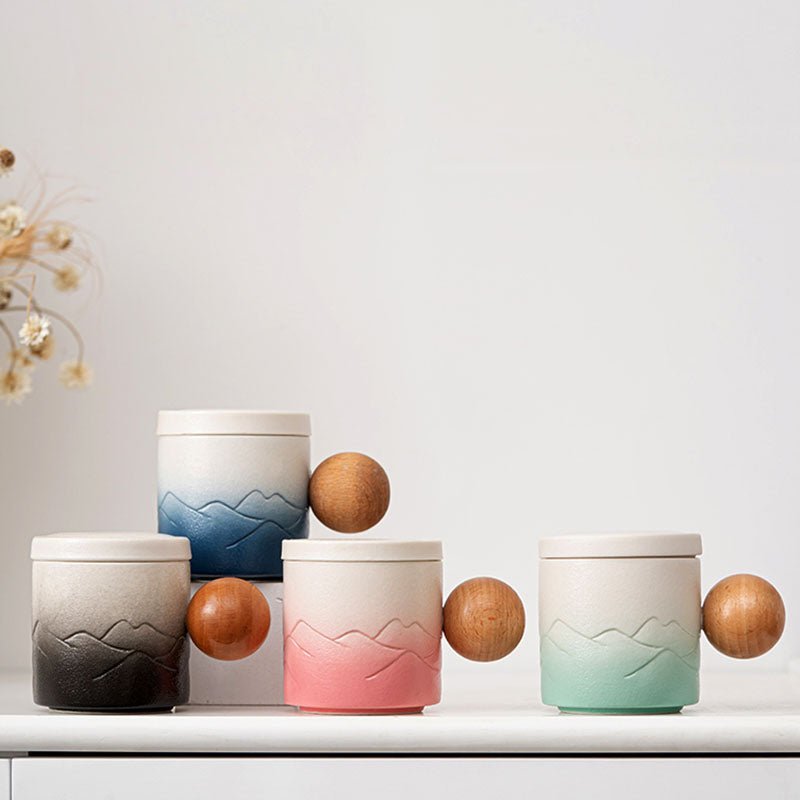
Sasquatch Coffee Mug Buying Guide for Daily Use and Gifting
A practical guide to choosing a sasquatch coffee mug that feels good in hand, fits your routine, and holds up for daily use. We compare our best options, what to check before buying, and where each...
Weiterlesen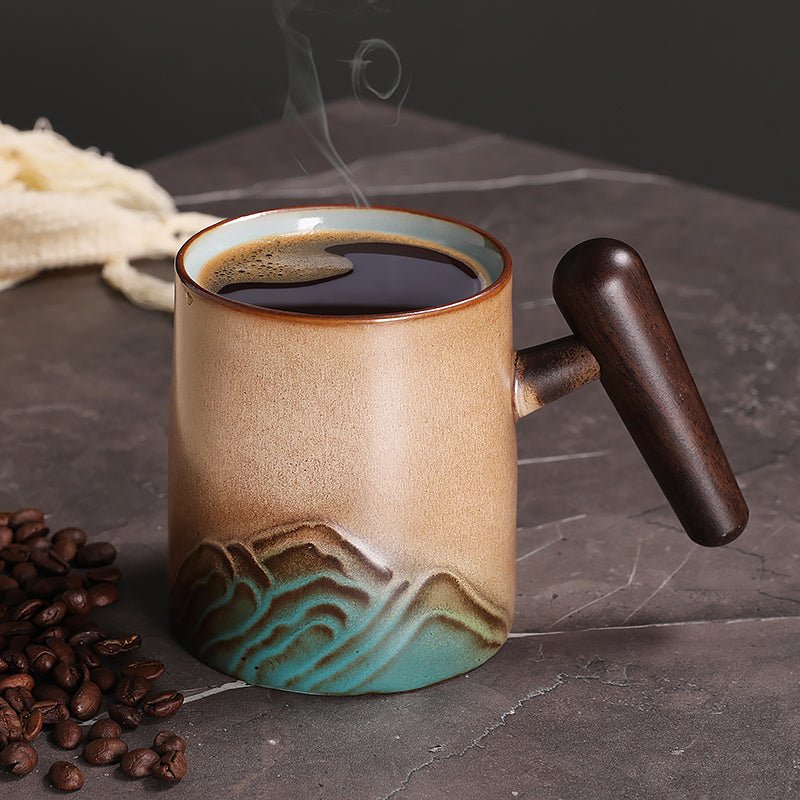
Rustic Coffee Mugs: Size, Shape, and Quality Checklist
A practical buying guide to rustic coffee mugs, with shape comparisons, quality checks, care tips, and the trade-offs that matter for daily use or gifting.
Weiterlesen
Hinterlasse einen Kommentar
Diese Website ist durch hCaptcha geschützt und es gelten die allgemeinen Geschäftsbedingungen und Datenschutzbestimmungen von hCaptcha.