
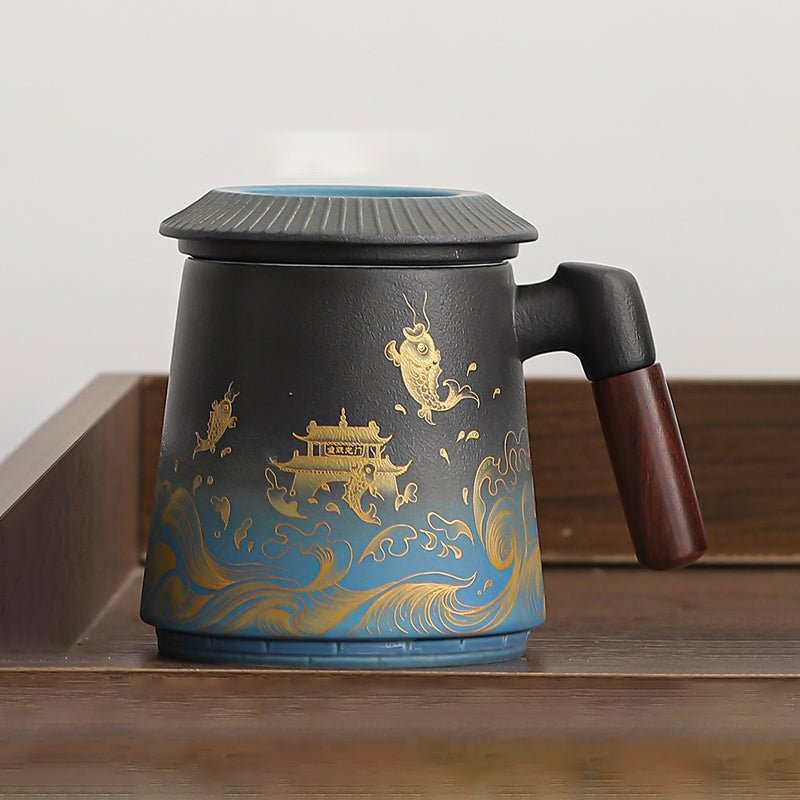
Japanese Coffee Mug: Size, Material, and Style Trade-offs
Reading time: about 9 minutes
A mug that looks right in a photo can feel wrong the first time you wrap your hand around the handle. The rim may be too thick, the cup too short for a proper pour, or the glaze beautiful but awkward on a desk beside a laptop and notebook.
That is why we treat a japanese coffee mug as a buying decision, not just a style choice. In our store, the mugs that do well tend to balance a comfortable grip, a stable base, and a size that matches the way people actually drink coffee at home, at work, or as a gift.
If you want to browse our current range first, start with the full collection, then compare specific styles like the Mountain Coffee Tea Mug, the Great Mountain Coffee Tea Mug, and the Emerald Coffee Tea Mug.
What should a Japanese coffee mug feel like in your hand?
Feel is the first filter. A mug can look refined, but if the handle is too narrow for three fingers or the body is too heavy for one-handed use, it becomes a shelf piece instead of an everyday cup. We see this a lot with gift purchases: the buyer loves the look, then realizes the person they bought it for drinks coffee while typing, carrying tools, or moving between rooms.
For daily use, check these points:
- Handle clearance: Your fingers should slide in without scraping the cup wall.
- Rim thickness: A thinner rim usually feels more refined for coffee; a very thick rim can make each sip feel heavier.
- Base stability: A mug should sit flat on a counter or desk without wobbling, especially if the surface is slightly uneven.
- Weight balance: A dense ceramic mug can feel premium, but if it is too bottom-heavy, it may be annoying for one-handed drinking.
Japanese-inspired mugs often aim for restraint rather than bulk. That works well for espresso-based drinks, tea, and smaller drip coffee servings. It is less ideal if you want a huge insulated vessel or a mug you can toss into a backpack every day.
Which size works best for coffee, tea, and office use?
Size is where many buyers get stuck. A mug that is too small feels fussy. A mug that is too large cools coffee slowly only if you keep pouring refills; otherwise, you end up with a half-full cup and a beverage that loses temperature before you finish it.
We recommend thinking in real use cases rather than abstract capacity. If you want a deeper breakdown, our guide on the 10 oz coffee mug covers the fit question in more detail.
| Use case | What usually works | Why it matters |
|---|---|---|
| Morning drip coffee | 10 to 12 oz | Enough room for a standard pour without feeling oversized |
| Tea or smaller servings | 8 to 10 oz | Keeps the cup comfortable and prevents overfilling |
| Desk use | 10 to 11 oz | Balanced size for a work session without dominating the workspace |
| Gift giving | 10 to 12 oz | Broadly useful and easier for most people to adopt right away |
For a Japanese coffee mug, the sweet spot is often a cup that feels intentional, not oversized. That is one reason shoppers often compare our mugs with the broader assortment in our collection instead of choosing the first attractive design they see.
Is ceramic the right material, or should you choose something else?
Most Japanese-style coffee mugs buyers look at are ceramic, and that is for good reason. Ceramic usually gives you a clean drinking feel, good heat retention for a standard cup, and a look that works in both modern and rustic kitchens. It also takes glaze well, which matters if you care about surface character as much as the silhouette.
That said, ceramic is not perfect for every buyer. It is not the best option if you need a mug that is ultra-light, nearly unbreakable, or designed for travel. It can chip if knocked against a sink edge, and the rim and handle are the first places we inspect for wear after repeated dishwasher cycles.
In our experience, buyers should check these concrete details before they click buy:
- Material feel: Ceramic should feel solid without being brick-like.
- Glaze finish: A smooth glaze is easier to rinse and tends to show less staining than a very textured surface.
- Rim and handle joins: These areas reveal rough finishing faster than the main body.
- Interior surface: A light or mid-tone interior can make coffee residue easier to spot when cleaning.
If you are comparing shapes rather than colors, our earlier article on Japanese coffee mug size and material goes deeper on fit and daily handling.
For buyers who want a mug that looks better on a shelf than in the dishwasher, ceramic still makes sense. For buyers who want light travel gear or hard-use office drinkware, a different category is more practical.
Which styles fit a real kitchen or desk better?
Style matters most when the mug is visible every day. A Japanese coffee mug often works because it feels calm and deliberate rather than loud. Earthy tones, reactive glazes, and mountain-inspired patterns can make a mug feel like a small object with presence instead of a generic cylinder.
We see three common buyer profiles in our store:
- The home brewer: Wants a mug that looks good beside a kettle, pour-over cone, or grinder.
- The office buyer: Needs a mug that fits under a monitor shelf, looks neat on a desk, and does not crowd paperwork.
- The gift buyer: Wants something personal but safe, with enough style to feel chosen instead of random.
The Mountain Coffee Tea Mug and Great Mountain Coffee Tea Mug work well for buyers who want a landscape-inspired look without moving into novelty territory. The Emerald Coffee Tea Mug is a stronger choice if you want richer color and a less neutral countertop presence.
A style trade-off is worth stating plainly: a more distinctive mug can be harder to match with a full set of existing dishes. If your kitchen already leans heavily toward plain white dinnerware, a patterned or saturated mug will stand out. Some buyers want that. Others do not.
What should you check before buying online?
Shopping for a mug online is mostly about reducing surprises. The product photo can show shape and color, but it will not tell you whether the handle opening suits larger fingers, whether the base is too wide for a crowded drip tray, or whether the cup looks thinner in person than it did on screen.
Before you buy, check these points in order:
- Capacity: Match the mug to your usual drink size instead of guessing.
- Care instructions: Confirm whether the mug is dishwasher safe, microwave safe, or hand-wash preferred on the product page.
- Surface finish: Glaze tone and texture can change the feel of the mug more than the shape does.
- Use environment: Decide whether the mug is for a home kitchen, office desk, or gift box.
- Look at the handle: A comfortable handle is a better long-term feature than a pattern you like for one week.
We also suggest thinking about what a mug is not good for. A Japanese coffee mug is usually not the right choice if you want a spill-proof commuter cup, a large insulated tumbler, or a camping vessel that can take rough handling. It is better suited to deliberate, sit-down drinking.
If your priority is fit and capacity, the 12 oz coffee mug buying guide is a useful cross-check before placing an order.
We have found that the mugs customers keep and reorder are usually the ones that feel right before the first sip, not just the ones that photograph well.
How do these mugs hold up in daily use?
Daily use exposes the real weaknesses. A mug that looks excellent on arrival can still annoy you after a week if the glaze shows every drip mark, the handle gets hot too quickly, or the shape feels awkward when you are half-awake at 7 a.m.
Here is what we pay attention to in real-world handling:
- Dishwasher cycles: Edges, handles, and glossy glazes are the first places we inspect for wear.
- Counter contact: A stable base matters more than people expect when setting the mug down repeatedly.
- Heat retention: Ceramic holds heat well for normal sipping, but it is not the same as an insulated tumbler.
- Day-to-day cleaning: Coffee oils can build up faster in textured or dark glazed interiors if you do not rinse promptly.
That is why some buyers prefer the simpler finish and some prefer a bolder glaze. Neither choice is universally better. A plain mug is easier to pair with anything. A more expressive mug gives the desk or shelf more character.
If you are narrowing down choices, start with the product pages for the Mountain Coffee Tea Mug, Great Mountain Coffee Tea Mug, and Emerald Coffee Tea Mug, then compare them against the rest of our collection if you want a different tone or shape.
Frequently asked questions
What size japanese coffee mug is best for daily coffee?
For most daily coffee drinkers, 10 to 12 oz is the most practical range. It gives you enough room for a standard pour without feeling oversized on a desk or in a kitchen. If you usually drink smaller servings or tea, 8 to 10 oz may feel better.
Are Japanese coffee mugs good for espresso drinks?
They can be, but it depends on the cup shape. A smaller Japanese coffee mug works well for espresso or an americano served in a compact cup, while a larger mug can make a short drink feel lost. If you want something for straight espresso shots, a demitasse is usually a better fit.
Can I put a ceramic japanese coffee mug in the dishwasher?
Many ceramic mugs are dishwasher safe, but you should always confirm the care notes on the specific product page. Repeated washing can eventually show wear on decorated glazes, gilded accents, or rougher edges. If you want the safest long-term finish, gentle hand washing is the least stressful option.
What should I avoid if I want a mug for the office?
Avoid a mug that is too large, too wide for your desk space, or too visually busy if your workspace is already crowded. A stable base and a comfortable handle matter more than decoration when you are using it around papers, keyboards, and monitors. For offices, a straightforward ceramic mug is usually easier to live with than a novelty shape.
Is a japanese coffee mug a good gift?
Yes, if you choose a size and style that can work for most people. We usually recommend a mug that feels versatile rather than highly specialized, because gifts need to fit into someone else's routine. If you are unsure, compare the design against the rest of the collection and choose the most adaptable option.
If you want the fastest next step, compare the mug size you actually use most mornings against our full collection, then open the product page for the shape that matches your hand and your routine best.
Read more
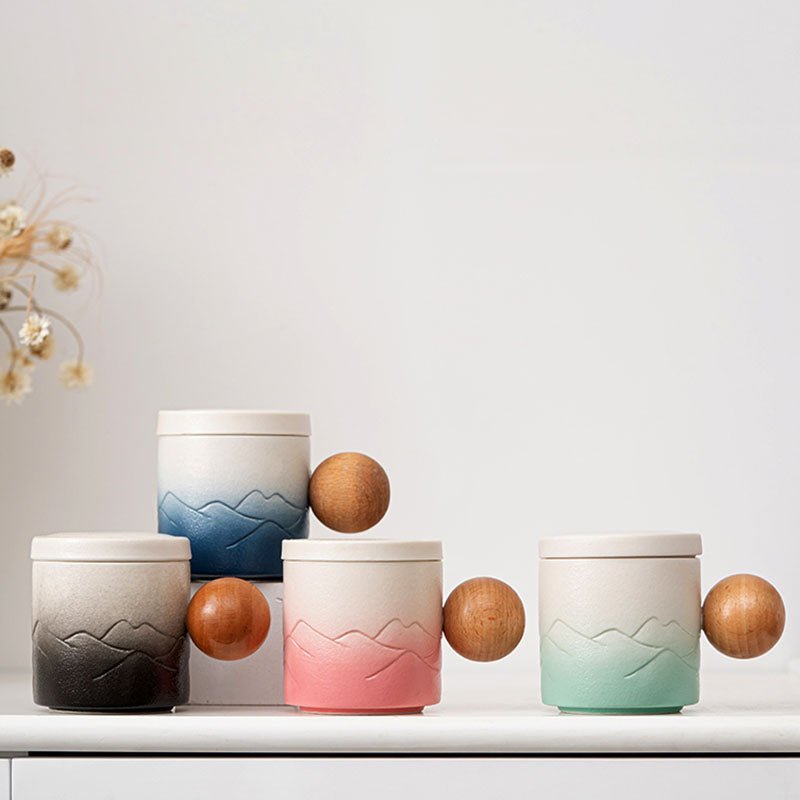
Japanese Coffee Mug Buying Guide for Daily Use and Fit
We break down what matters in a japanese coffee mug: size, handle comfort, finish, and how it feels in daily use. Compare our current mug styles and pick the one that fits your coffee routine.
Weiterlesen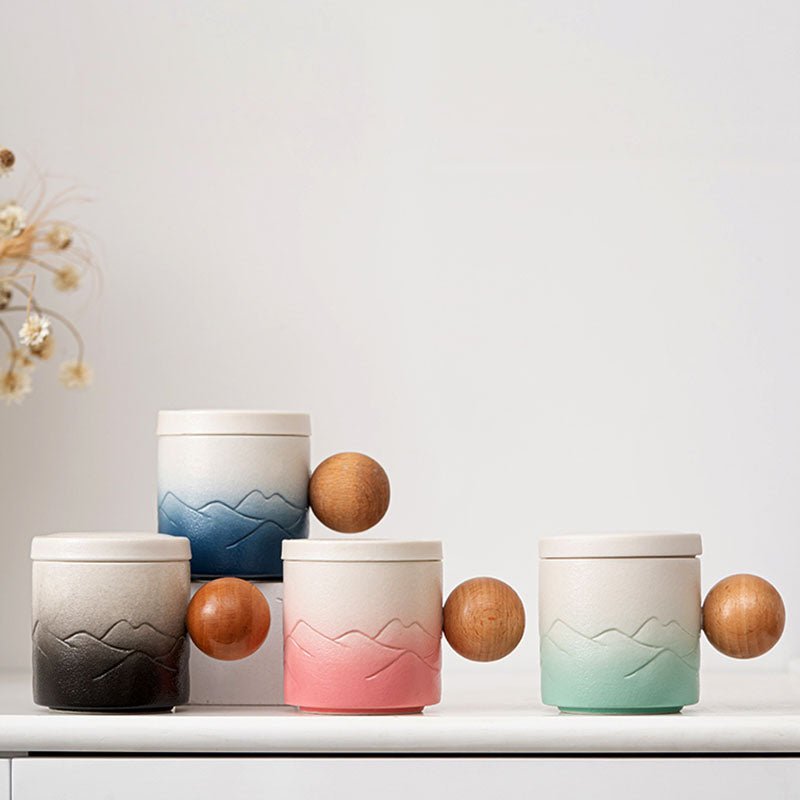
Pendleton Coffee Mug Buying Guide: Size, Handle, and Daily Use
A Pendleton coffee mug should do more than match the look. We break down handle comfort, size fit, care trade-offs, and which mugs make sense for desks, kitchens, and gifting.
Weiterlesen
Hinterlasse einen Kommentar
Diese Website ist durch hCaptcha geschützt und es gelten die allgemeinen Geschäftsbedingungen und Datenschutzbestimmungen von hCaptcha.