
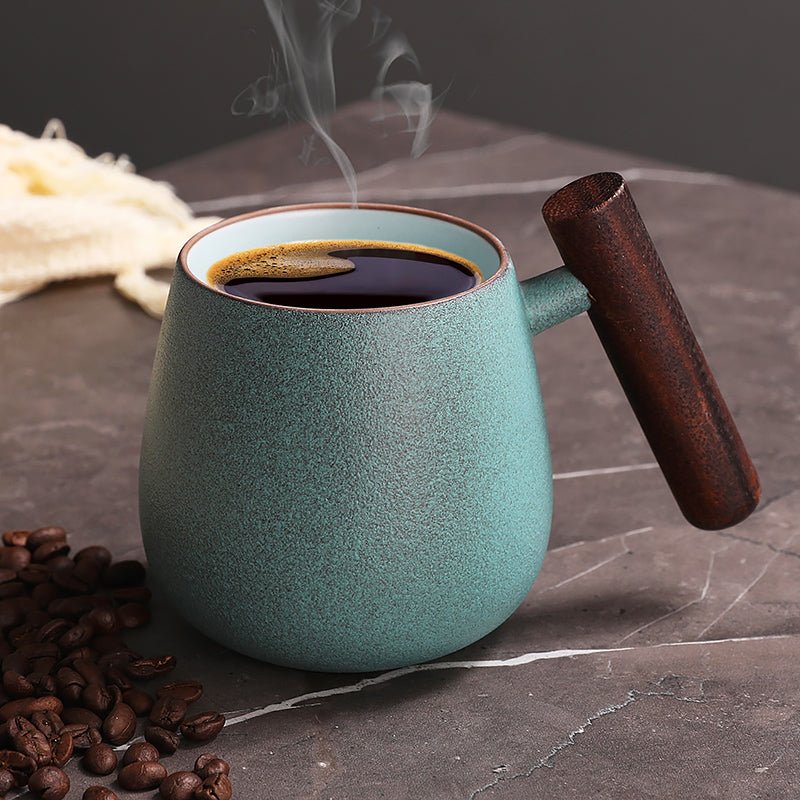
Insulated Travel Coffee Mugs: How to Choose the Right One
Reading time: about 10 minutes
The first complaint we hear about a travel mug is usually simple: it looked great on the shelf, but it leaked in a bag, felt awkward in a car cup holder, or turned lukewarm before lunch. That is exactly why shoppers spend time comparing insulated travel coffee mugs before they buy.
At CoffeifyMug, we handle these mugs as everyday-use items, not display pieces. We see the same real-world test points come up again and again: a tight lid on a bumpy commute, a mug that still fits under a single-serve brewer, a body that does not get slippery with condensation, and a size that actually works at a desk. If you are comparing options, this guide will help you narrow the field without guessing.
For readers who are still deciding between travel styles, our broader guides on Best Coffee Mugs Travel: What to Buy for Commutes, Office Days, and Trips and Best Travel Coffee Mugs for Commutes, Office Days, and Trips are a helpful starting point. If you already know you want insulation, this article is the faster path.
What should a good insulated travel coffee mug actually do?
A good insulated travel coffee mug should keep coffee hot long enough for your routine, seal well enough for transport, and feel easy enough to use every day. That sounds basic, but plenty of mugs only do one of those things well.
In our experience, the best ones balance four things:
- Heat retention without making the mug bulky.
- Leak resistance that holds up in a tote, backpack, or car console.
- Comfortable drinking from a lid that opens smoothly and does not splash.
- Simple cleaning, especially around the lid gasket and drinking path.
Most shoppers also care about the material. Double-wall stainless steel is common because it is durable, resists staining, and helps reduce heat loss. Ceramic-lined interiors can keep flavor clean for people sensitive to metallic notes, but they often add weight and can chip if dropped. Plastic-bodied mugs may be lighter, yet they usually do not feel as sturdy for long-term daily use.
One practical detail that matters more than people expect: lid design. A slider lid, press-close lid, or twist-lock lid each behaves differently. A slider is quick for office use, but it may not be the best pick for a bag. A twist-lock style often feels more secure, but it can be slower when you are driving. There is no single best option. There is only the best match for your day.
Which size is right for daily use?
Size choice is where many buyers overbuy. A larger mug sounds safer, but it can be clumsy if you mostly drink coffee on the move or want it to sit under a machine.
Here is the practical way we think about size:
| Typical size | Best for | Main trade-off |
|---|---|---|
| Small | Short commutes, espresso drinks, quick office refills | May need refilling before the day is done |
| Mid-size | Most daily coffee drinkers, car rides, desk use | Usually the best balance, but not the lightest option |
| Large | Long shifts, road trips, fewer refills | Bulkier, heavier, and less convenient in tight cup holders |
We usually suggest checking the real shape, not just the ounces. A tall narrow mug may fit one cup holder but not another. A wide mug may be easier to wash by hand but too wide for a brewer or travel bag pocket. If you have ever bought a mug that technically held enough coffee but never left the kitchen, you already know why dimensions matter.
For shoppers who want a broader decision guide, our article on Insulated Coffee Mugs: How to Choose Heat, Lid, and Size covers the same buying logic from a slightly wider angle.
Do lid types matter more than insulation?
For many buyers, yes. A mug can have solid insulation and still be annoying if the lid splashes, drips, or requires two hands to open. The lid is the part you touch every day. It is also the part most likely to wear out first.
Common lid trade-offs include:
- Slider lids: easy to sip from, good for desks, but the opening is not always fully sealed.
- Twist or lock lids: better for bags and commutes, but slower to open.
- Push-button lids: convenient in the car, though the button mechanism can be a failure point if it gets sticky or gritty.
We tell customers to inspect the gasket and the rim seal if possible. A loose silicone gasket, a misaligned drinking opening, or a lid that does not thread smoothly are common defect modes that become obvious only after a few uses. Those are the little things that separate a mug you keep from one you return to the drawer.
If your biggest concern is a bag leak, prioritize the lid over the finish. If your biggest concern is sipping at a desk, prioritize one-handed opening and a lid that does not dribble down the front after each sip.
Should you choose stainless steel, ceramic-lined, or something else?
Material choice affects feel, cleaning, weight, and flavor. We see shoppers focus on color or exterior finish, but the inside matters just as much.
Stainless steel is the most practical choice for most commuters. It is durable, handles temperature changes well, and usually tolerates everyday handling better than ceramic-lined options. If you want a work mug that gets tossed into a car cup holder, that is the safest all-around bet.
Ceramic-lined insulated mugs can be a good fit if you want a cleaner-tasting cup and do not like the idea of coffee sitting against raw metal. The trade-off is that they can be more fragile. They are not the best choice for someone who drops bags on tile floors or packs the mug in a crowded commuter tote.
Plastic components are often limited to the lid, handle, or sleeve areas. That can be fine if the material is BPA-free and the design is solid, but soft plastics may hold odors over time if coffee is left in the mug too long.
Our store viewpoint is simple: choose the material that matches how you actually use the mug, not just how it looks on the counter.
That is why we encourage shoppers to compare our current assortment on our full collection rather than choosing by appearance alone.
What should you check before buying for commute, office, or travel?
The best mug for a car commute is not always the best mug for a desk, and neither is the best mug for a weekend trip. We handle returns and customer questions often enough to know the same mismatch patterns show up repeatedly.
- Measure your cup holder or bag pocket. A mug can be the right volume and still be too wide or too tall.
- Check if it is lid-safe for movement. If the product is only splash-resistant, do not treat it like a leakproof bottle.
- Look at the cleaning method. Hand-wash-only lids and seals need more attention than simple open-top designs.
- Consider your refill pattern. One large morning pour is different from three smaller office refills.
- Think about coffee style. Black coffee, milk-heavy drinks, and sweetened drinks leave different residue and can affect how often you need to scrub the lid.
One more real-life test: if the mug will live on a desk, see whether it fits under a shelf or monitor stand. If it will go into a car, make sure the lid can be opened without blocking the gear shift or center console. These are small details, but they decide whether a mug becomes a daily habit or a forgotten purchase.
How do you clean an insulated travel mug without ruining the lid?
Cleaning is where many insulated mugs start to disappoint. The cup body may be easy, but the lid usually needs the most attention.
Our usual care advice is straightforward:
- Wash the mug soon after use so coffee oils do not build up.
- Separate removable silicone seals or gaskets if the lid design allows it.
- Use warm water, mild soap, and a soft brush for the drinking path.
- Let all parts dry fully before reassembling to avoid trapped moisture and lingering odor.
If a mug is dishwasher-safe, that helps, but dishwasher-safe does not mean maintenance-free. High heat can still wear down seals and printed finishes over time. Hand-washing the lid is often the safest way to extend the life of the gasket and the locking mechanism.
A common issue we see is staining around the lid threads or smell trapped in a rubber seal. That does not mean the mug is bad. It usually means the cleaning routine needs to include the hidden parts, not just the cup interior.
Which trade-offs are worth accepting, and which are not?
No insulated travel coffee mug does everything perfectly. If a mug keeps heat extremely well, it may be a little heavier. If it is very slim, it may not hold enough for long days. If it has a complex lid, it may be more secure but harder to clean.
Here is how we sort the trade-offs:
- Acceptable trade-off: a slightly heavier mug if it gives you a better seal and better temperature hold.
- Acceptable trade-off: a lid that takes an extra second if it reduces splash risk in transit.
- Not ideal: a mug that leaks in a bag, even if the insulation is excellent.
- Not ideal: a finish that looks great but is slippery enough to make one-handed use awkward.
- Not ideal: a design that is difficult to clean around the gasket, especially for daily coffee use.
What a travel mug is not good for: long-term storage of coffee all day after it has gone stale, carbonated drinks, or situations where you need a fully open drink opening for rapid pouring. If that is your use case, a different drinkware style may be a better fit.
What kinds of buyers are insulated travel coffee mugs best for?
These mugs are best for people who want a practical, everyday vessel that can move from kitchen counter to car to office desk without much fuss. We see three common shopper types:
- Commuters who want a stable, closed lid and a mug that fits in a car holder.
- Office drinkers who want coffee to stay warm through meetings and desk work.
- Weekend travelers who want fewer stops and a container that travels cleanly in a bag.
They are not the best fit for someone who wants the lightest possible container for hiking, the most formal gift presentation without practical use, or a mug that doubles as a serving cup at a table. If that sounds like you, another style may suit you better.
For buyers comparing multiple styles, our articles on Coffee Travel Mugs: How to Choose the Right One for Daily Use and Great Travel Coffee Mugs for Commutes, Office Bags, and Weekend Trips give a useful side-by-side perspective.
Frequently asked questions
Do insulated travel coffee mugs keep coffee hot for an entire workday?
They can keep coffee hot for a long stretch, but the result depends on the mug design, lid seal, starting temperature, and how often you open it. A well-made insulated mug usually performs best in the first several hours, then gradually cools. If you sip all morning and leave the lid closed between uses, you will usually get better results than if you keep cracking it open at your desk.
Are insulated travel coffee mugs leakproof?
Not always. Some are designed to be highly spill-resistant, while others are fine for desk use but not for tipping inside a bag. We recommend treating any product description carefully and looking for a locking lid or a clearly sealed closure if you plan to commute with it.
What size insulated travel coffee mug should I buy for commuting?
Most commuters do best with a mid-size mug because it balances capacity, portability, and cup holder fit. If you drive a lot and want fewer refills, a larger size may make sense. If you mostly drink coffee at your desk, a smaller one can feel easier to handle and clean.
Can I put an insulated travel mug in the dishwasher?
Sometimes, but not always. Even when the body is dishwasher-safe, the lid, seal, or printed finish may need hand washing to last longer. We usually suggest checking the care instructions for the lid first, since that is where wear usually shows up earliest.
What is the main difference between stainless steel and ceramic-lined insulated mugs?
Stainless steel is usually tougher and better for daily transport. Ceramic-lined mugs can offer a cleaner flavor experience, but they are often less forgiving if dropped or packed tightly. If durability matters more than taste nuance, stainless steel is usually the safer choice.
If you are ready to compare actual options, start with our full collection and use this checklist: lid seal, cup holder fit, cleaning method, material, and size. That is the fastest way to find an insulated travel coffee mug that works on Monday morning, not just in the product photo.
More from our blog
Read more
Mug to Go Coffee: What to Check Before You Buy a Travel Mug
A mug to go coffee purchase looks simple until you deal with lid leaks, awkward cup holders, or a mug that ruins the last sip. Here’s how we compare materials, lids, sizes, and daily-use trade-offs...
Weiterlesen
Thermal Coffee Mug: What to Check Before You Buy
A practical buyer’s guide to thermal coffee mugs, with the details that matter in real use: lid fit, insulation style, materials, cleaning, and what works for commuting versus desk drinking.
Weiterlesen
Hinterlasse einen Kommentar
Diese Website ist durch hCaptcha geschützt und es gelten die allgemeinen Geschäftsbedingungen und Datenschutzbestimmungen von hCaptcha.