
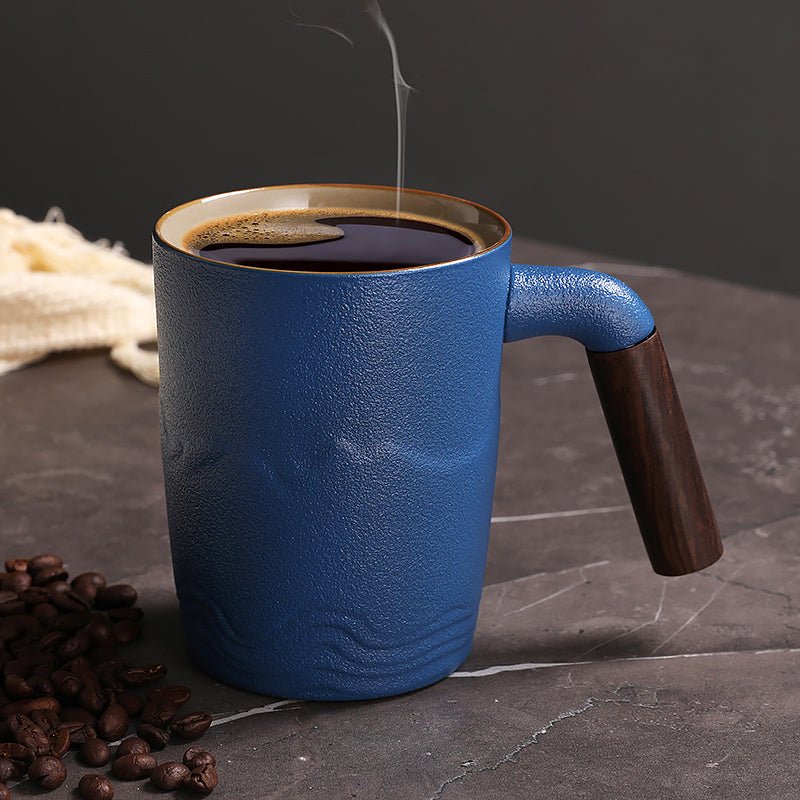
Insulated Coffee Mug Buying Guide: What to Check Before You Buy
Reading time: about 8 minutes
A mug that leaves a ring on a conference table, cools before the second refill, or leaks into a tote usually failed in one place: the body, the lid, or the size choice. In our store, we see those problems in office desks, kitchen counters, and gift unboxings, so we judge an insulated coffee mug by how it behaves in daily use, not by the photo alone.
If you are comparing options right now, start with our products and then open the full collection to compare shapes side by side. For broader reading, our Best Travel Coffee Mug guide is the best match for commuters, while the Best Mug to Drink Coffee article fits readers who mostly drink at home. If you are still deciding between steel and ceramic, the Ceramic Coffee Mug Buying Guide is the cleanest side-by-side comparison.
What does an insulated coffee mug actually do better?
An insulated coffee mug is built to slow heat loss and reduce outside condensation. That means fewer cold sips halfway through a meeting and fewer water rings on a wood desk.
The trade-off is real. Most insulated mugs are less pleasant to microwave, and some people miss the weight, aroma, and lip feel of ceramic. If your coffee routine is slow and home-based, our Best Mug to Drink Coffee guide may fit better than a sealed travel-style mug.
For us, the biggest difference is not marketing language. It is whether the mug still feels easy after a week of actual use: one-hand opening, stable base, comfortable rim, and no surprise leaks when it sits on a desk next to a laptop.
Which materials and lid styles hold up best?
The most dependable insulated coffee mug construction is usually a double-wall stainless steel body with a silicone-sealed lid. Stainless steel is durable, resists rust better than cheap plated metals, and does not chip like ceramic. The seal is what matters most for spill control.
In our experience, the lid is where most buyers notice the difference first. A mug can look solid on the shelf and still leak if the gasket sits loosely, the threads are poorly aligned, or the opening is too wide for the lid design.
| Feature | What to look for | Common trade-off |
|---|---|---|
| Body material | 18/8 stainless steel for durability and neutral flavor | Can dent if dropped and will not show the drink level |
| Insulation | Double-wall vacuum construction | Helps most when the lid is also sealed well |
| Lid seal | Silicone gasket or gasketed threaded lid | Needs regular cleaning and can wear over time |
| Drink opening | Flip top or slider for quick sipping | Often splash-resistant rather than fully leakproof |
| Exterior finish | Powder-coated surface for grip and scratch resistance | Can scuff if dragged across a sink or packed with keys |
A lot of returns start with lids. A slider feels convenient at checkout, but a gasket that sits loose or a lid that relies on a soft press-fit can let coffee seep into a bag. We check the underside of the lid and the gasket channel first because that is where problems usually show up.
What size and shape work for your routine?
Size matters more than most listings admit. A 12 oz mug keeps the footprint small and suits a short commute or a single pour. A 14 oz mug is a practical middle ground for desk use. A 16 oz mug gives more room, but it also adds weight and can feel bulky in smaller hands.
- 12 oz - best for a short morning cup, smaller hand, or a mug that must fit under low cabinet storage.
- 14 oz - balanced for office desks and long emails where you do not want a giant vessel.
- 16 oz - better if you pour a larger coffee and want fewer refills, but not ideal if you carry the mug in a crowded bag.
- Narrow base - useful for car cup holders, though it can feel less stable on a cluttered desk.
- Wide mouth - easier to clean and to add ice or milk, but it loses heat a little faster if the lid is off.
Shape is not only about appearance. A mug that is too wide can bump against a keyboard, and one that is too tall can be awkward under an espresso machine or shelf. If you gift mugs often, that fit-and-feel matters as much as the finish; our Christmas Coffee Mug Buying Guide covers the practical side of gifting as well.
What should you check before buying one?
We look at five details before we would recommend an insulated coffee mug to a customer.
- Leak claim wording - read carefully. Splash-resistant is not the same as leakproof. A mug that survives desk use may still fail in a backpack.
- Lid mechanism - twist lids seal better, while flip tops are faster to drink from. Convenience usually trades against spill protection.
- Cleaning access - if the lid has hidden grooves or a narrow sip channel, coffee oils can build up fast.
- Base fit - measure the bottom diameter if you plan to use it in a car cup holder. A beautiful mug that wobbles is a daily annoyance.
- Finish durability - powder coating and paint should withstand normal desk contact, but any coated body can scuff if it gets dragged across a sink or tossed with keys.
We also pay attention to what the product page leaves out. If a listing does not state the material, the lid style, or care instructions, that is usually a sign to slow down and compare another option instead of guessing.
How do you clean and maintain it without ruining the finish?
An insulated coffee mug lasts longer when the lid is washed properly and the body is dried fully. Coffee oils cling to silicone gaskets and lid channels, so a quick rinse is usually not enough after a few days of use.
Our practical routine is simple: wash the lid by hand unless the listing clearly says dishwasher-safe, use warm water and mild soap, and leave the mug open to air-dry. If the outside has a powder-coated finish, skip abrasive pads. They dull the surface and can make the mug look tired well before the insulation itself fails.
It is also worth separating comfort from performance. A mug can keep coffee hot and still be a poor choice for the microwave, and it can look rugged while still losing performance if the lid gasket warps or the threads stop lining up cleanly. That is the kind of defect we watch for in real use, especially after repeated dishwasher cycles.
Which insulated coffee mug is the wrong choice for some buyers?
Not every buyer needs the same thing. If you sip slowly at home and like the aroma of coffee in an open vessel, a ceramic mug may be the better tool. If you need a mug that can live in a bag, a screw-top lid matters more than a pretty exterior. If you want to reheat coffee in the microwave, insulated steel is the wrong category.
An insulated coffee mug is also not the best pick for someone who wants to stare at the liquid level while drinking. Opaque steel hides the remaining amount, which is useful for insulation but less convenient than glass or clear ceramic. That is one of the reasons we keep the discussion honest instead of treating every mug as interchangeable.
For buyers who want a mug mainly for home use, the feel of the rim and handle may matter more than the lid. For commuters, the order flips. Spill control becomes the priority, and that is where a stronger lid design outweighs the romance of a traditional cup.
Frequently asked questions
Is an insulated coffee mug better than a ceramic mug for work?
If you drink over a long stretch, yes, usually. An insulated mug keeps coffee hotter and protects your desk from condensation, while ceramic is better if you care more about flavor feel and the open-cup experience. For a desk that sees laptop cables, paper, and meetings, insulated is usually the safer everyday pick.
Are insulated coffee mugs leakproof?
Some are, but many are only splash-resistant. The difference matters: splash-resistant lids help with desk use, while leakproof construction is what you want if the mug is going in a bag. Always check the product wording and the lid style instead of assuming the whole category behaves the same.
Can I put an insulated coffee mug in the dishwasher?
Sometimes, but not always. The body and lid may have different care rules, and coated exteriors or tight silicone gaskets can wear faster in repeated high-heat cycles. If the listing does not clearly say dishwasher-safe, hand washing is the safer choice.
What size insulated coffee mug is best for daily coffee?
Most people do well with 12 oz to 14 oz for daily use. Go smaller if you want a lighter mug that stores easily, or larger if you regularly pour a full travel-style coffee and do not want a refill right away. The right size is the one that matches your actual pour, not the one that looks biggest.
How long will an insulated coffee mug keep coffee hot?
That depends on the mug, the lid, how full it is, and whether you preheat it. A mug that starts warm and stays closed will perform better than one that is half full and left open on a desk. We avoid promising an exact number because real use changes the result more than a marketing claim does.
If you want to compare the mugs we currently carry, start with our products, then open the full collection and compare the lid type, size, and base diameter side by side. That gives you the quickest path to an insulated coffee mug that fits your desk, your cup holder, and the way you actually drink coffee.
More from our blog
Read more
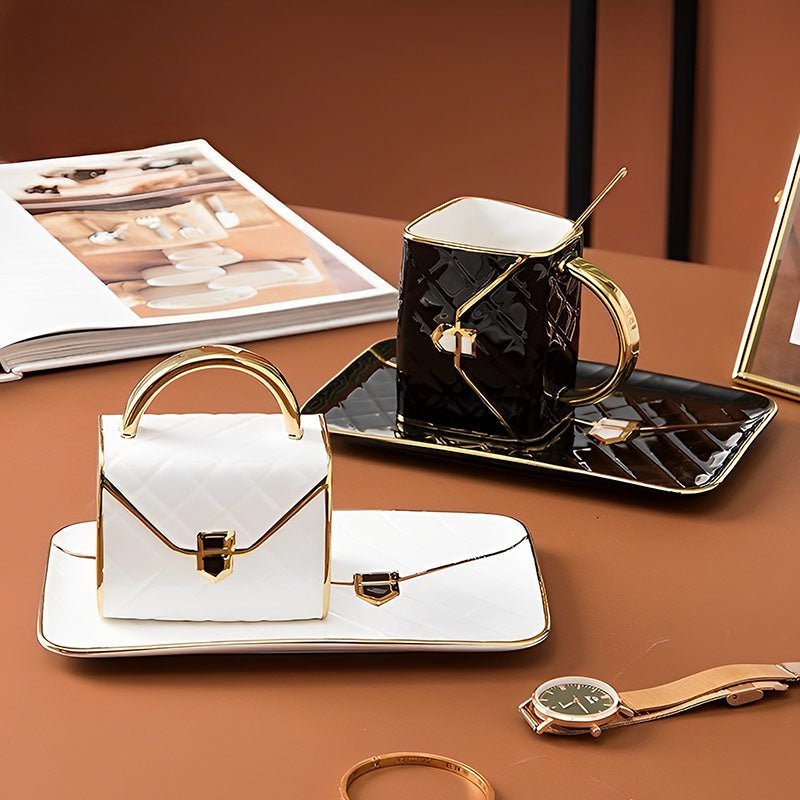
Coffee Mug Set Buying Guide for Everyday Use, Gifts, and Kitchens
A practical guide to choosing a coffee mug set that fits real kitchen use, office desks, and gifting. We cover size, material, care, and the trade-offs that matter before you buy.
Weiterlesen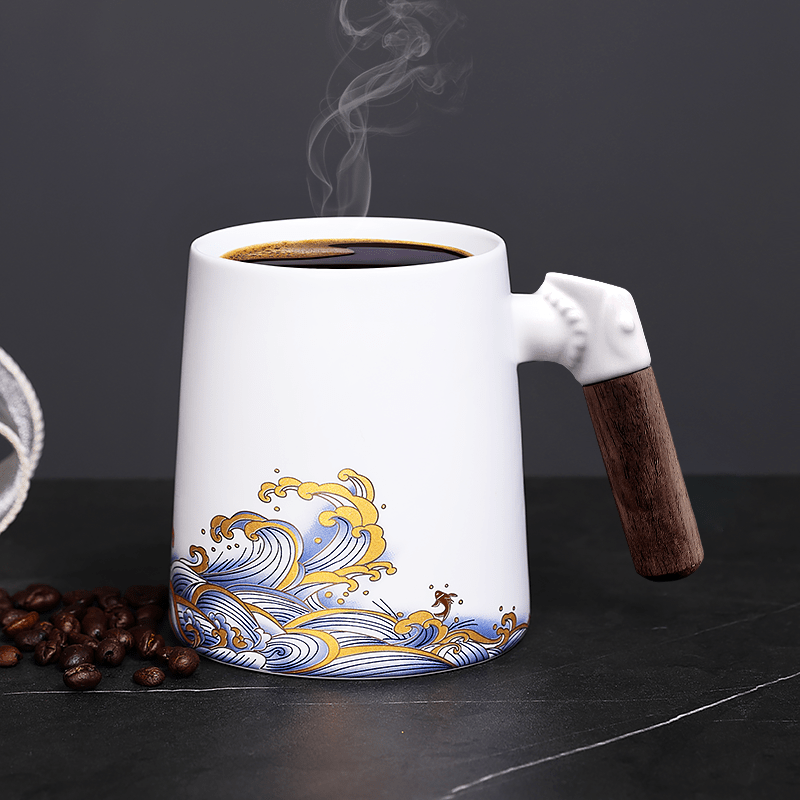
Coffee Large Mug Buying Guide for Daily Use and Gifting
A coffee large mug sounds simple until you try to use one every day. We break down capacity, comfort, material, and care so you can pick a mug that fits real routines, not just a shelf photo.
Weiterlesen
Hinterlasse einen Kommentar
Diese Website ist durch hCaptcha geschützt und es gelten die allgemeinen Geschäftsbedingungen und Datenschutzbestimmungen von hCaptcha.