
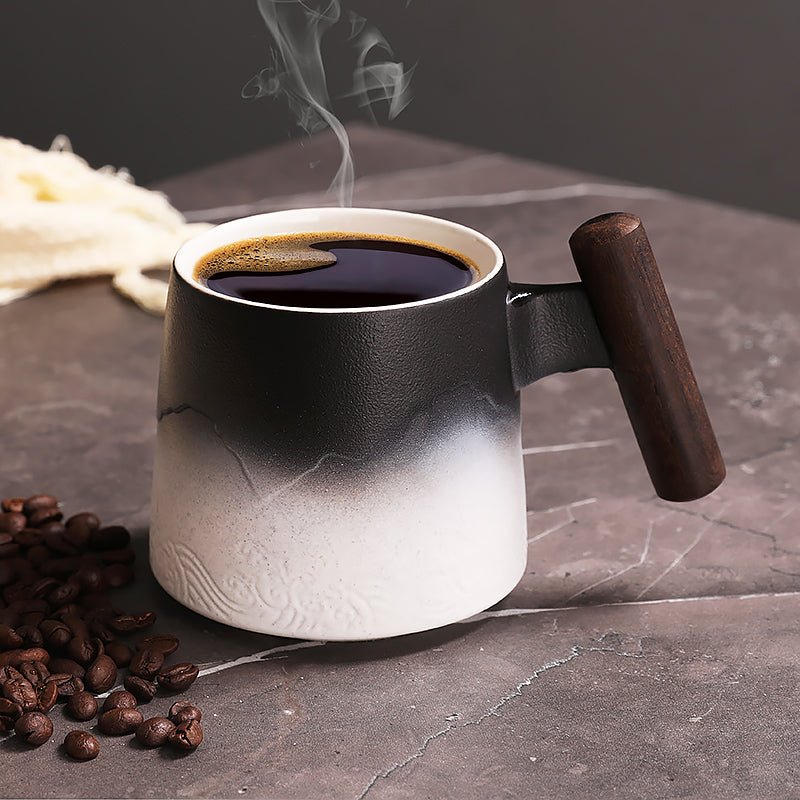
Ikea Coffee Mugs: What to Compare Before You Buy
Reading time: about 10 minutes
A mug can look fine on a shelf and still feel awkward after the first refill. We see that all the time in our store: shoppers pick a cup for the clean Scandinavian look, then realize the handle is tight for two fingers, the rim feels too thin for hot coffee, or the size is smaller than they expected once the milk is added.
If you are comparing ikea coffee mugs, the real question is not just style. It is how the mug fits your routine: quick drip coffee before work, a long desk session, an espresso-based drink, or a gift set that needs to survive dishwasher cycles. That is the lens we use when we help customers choose mugs, and it is the same lens we use when we stock our own collection at our products and our full collection.
What should you check first on ikea coffee mugs?
Start with the basics that affect daily use. A mug’s look matters, but the feel in hand matters more once it is filled with hot coffee.
- Capacity: A mug that sounds “normal” on a product page may hold less than your usual pour. Check the stated ounces and compare it to the amount you actually drink.
- Handle clearance: Some mugs have handles that look generous but still feel cramped, especially if you use more than two fingers or prefer a thicker grip.
- Rim thickness: A thinner rim can feel nicer for sipping, while a thicker rim often feels sturdier and a bit more insulated.
- Weight: Lightweight mugs are easy to lift, but very light ceramic can feel less stable on a desk or tray.
- Finish: Matte finishes can show utensil marks differently than glossy glaze, and some textured surfaces are harder to keep spotless.
We recommend checking size first, then handle shape, then care instructions. That order saves disappointment. If you drink a true 12 oz pour, our guide to 12 oz Coffee Mugs: What to Check Before You Buy is a useful benchmark. If you lean larger, compare it with 16 oz Coffee Mugs: What to Check Before You Buy before you assume a mug will hold your usual latte.
Are ikea coffee mugs good for everyday coffee?
For everyday use, they can be a solid match if you want straightforward ceramic drinkware that works on a normal kitchen schedule. Most buyers choose this style for drip coffee, tea, cocoa, and reheating small amounts in the microwave.
What they are usually good at:
- Simple storage: A plain mug stacks or lines up easily in a cabinet.
- Easy cleaning: Smooth glaze and simple shapes tend to rinse well and hold up better in a dishwasher than highly detailed decorative cups.
- Low visual clutter: They blend into open shelving and office kitchens without looking fussy.
What they are not ideal for: oversized café-style drinks, people who need a very large handle, or anyone who wants a mug with heavier insulation for keeping coffee hot for a long stretch. If that is your priority, a large-capacity option may make more sense. Our article on a buyer's guide to large capacity coffee mugs breaks down when bigger really is better.
In our experience, the most common complaint is not durability. It is capacity mismatch. Shoppers expect a mug to feel bigger than it is once the spoon, milk, or foam is added. That is why we always recommend measuring your usual pour, not just guessing from the photo.
Which material and finish details matter most?
Most shoppers compare ceramic mugs without thinking through the small details that change the experience. Those details are where a mug becomes a favorite or gets pushed to the back of the cabinet.
| Detail | What it changes | What to watch for |
|---|---|---|
| Ceramic body | Heat feel, weight, and everyday durability | Can chip on cabinet edges or sink impacts |
| Glazed finish | Cleaning, stain resistance, and appearance | Gloss can show fingerprints; matte can show utensil marks |
| Rim shape | Sipping comfort | Thin rims feel elegant; thick rims can feel sturdy but bulky |
| Handle shape | Grip comfort and balance | Small handles are a problem for larger hands or gloved use |
Concrete details matter here. A mug that is microwave-safe but not oven-safe is still fine for coffee, but not for reheating baked treats. A dishwasher-safe mug saves time, yet a busy cycle can eventually reveal glaze wear or faint cutlery marks. And even a well-made ceramic mug can chip if it is stacked carelessly with other cups in a crowded cabinet.
That is why we like to think about where the mug will live. A kitchen counter mug next to the espresso machine can handle more wear than a display piece in a gift box. A desk mug should feel stable if it gets bumped. A gift mug should look good unwrapped, but it also needs an easy-to-clean surface, because that is what people remember after the first week.
How do you choose the right size for your coffee habits?
Size is where most comparison shopping gets real. A mug that works for black coffee may not work for a latte, and a mug that feels perfect at breakfast can be too small for a long work session.
Here is the simplest way to match size to use:
- 8 to 10 oz: Best for espresso drinks, smaller pours, or tea. Not ideal if you like extra milk.
- 12 oz: A practical everyday size for drip coffee. A good middle ground for most kitchens.
- 16 oz: Better for larger pours, lattes, and people who dislike refilling often.
- 20 oz and up: Useful for long desk sessions or large-format drinks, but they can feel bulky and heavy when full.
If you are unsure, compare your habits against our size guides for 20 Ounce Coffee Mugs: What Buyers Should Check Before Ordering and 16 oz Coffee Mugs: What to Check Before You Buy. We also recommend checking our breakdown of 12 oz Coffee Mugs: What to Check Before You Buy if you prefer a standard café-style cup.
One practical trade-off: larger mugs usually mean more heat loss to the air if you sip slowly, especially on a cool office desk. Smaller mugs stay manageable and often feel better in the hand, but they may force a refill before the mug is empty. There is no universal winner. Just the right fit for your routine.
What makes a mug feel comfortable in real use?
Comfort shows up in small moments: lifting a full mug from a crowded tray, wrapping both hands around it on a cold morning, or washing it after the last cup of the day. We pay attention to those moments because that is where buyers either keep a mug or regret it.
Look for these comfort signals:
- Balanced weight: The mug should not feel top-heavy once filled.
- Handle spacing: Enough room for your fingers without pressing against the mug body.
- Stable base: A flatter, broader base sits better on desks and avoids easy tipping.
- Rim feel: A smooth rim is noticeable every single time you drink.
There is also a style trade-off. Ultra-minimal mugs often look great in photos, but a slimmer handle or thinner wall can be less forgiving in daily use. Chunkier mugs can be more comfortable but may take up extra cabinet space and feel heavy when filled to the brim. If you are shopping for a gift, that balance matters a lot. People love opening a beautiful mug. They keep using it when the grip feels natural.
We have found that the best mug is rarely the prettiest one on the screen. It is the one that still feels right after the third wash, the second refill, and a rushed morning on the way out the door.
How should you clean and care for ikea coffee mugs?
Care should be simple. If a mug needs special handling every day, most people stop reaching for it.
For routine care, this is the practical path:
- Rinse soon after use so coffee oils do not sit and stain.
- Use a soft sponge or non-abrasive brush for the inside.
- Avoid hard scouring pads on glossy glaze if you want the finish to stay even.
- Check whether the mug is dishwasher-safe before you toss it into a hot cycle.
- Let the mug dry fully before stacking so moisture does not linger at the base.
Common wear points we watch for include tiny chips on the rim, hairline marks from utensil contact, and glaze dulling around the handle. These are not always failures. They are often just the result of normal kitchen use. But if you want mugs for a busy household, it is smart to choose shapes with thicker walls and fewer hard edges.
If your household runs mugs through the dishwasher daily, simplicity wins. Decorative embossing, narrow handles, and textured finishes can be beautiful, but they are also more likely to hold residue or show wear faster than a clean glazed body.
Are ikea coffee mugs the right choice for gifting or office use?
They can be, but only if you match the mug to the setting. For gift-giving, people usually want something that looks polished, unboxes cleanly, and does not feel fragile or overly niche. For office use, the priorities shift toward stacking, easy cleaning, and a handle that works for different hand sizes.
For gifts, choose a mug that feels intentional without being difficult to use. A simple ceramic mug with a clean finish is safer than a highly stylized shape if you do not know the recipient’s taste. For office desks, avoid oversized mugs if the desk is crowded. A mug that takes up less space is less likely to be knocked over next to a keyboard or notebook.
Our own customers often ask for mugs that work in both places. That is usually a sign they want one cup that feels presentable enough for a gift basket but practical enough for Monday morning coffee. If that sounds like you, browse our collection and compare the shapes against your actual use case, not just the photo.
Frequently asked questions
Are ikea coffee mugs usually dishwasher-safe?
Many everyday ceramic mugs are dishwasher-safe, but you should always verify the care instructions for the exact mug you are buying. If you plan to wash mugs daily, look for a smooth glazed finish and a shape that does not trap residue around the handle or base.
What size ikea coffee mug is best for daily drip coffee?
For most daily drip coffee drinkers, 12 oz is the most practical starting point. It holds a normal pour without feeling oversized, and it is easier to handle on a kitchen counter or office desk than a larger mug. If you add a lot of milk or drink slowly, 16 oz may fit better.
Do ceramic coffee mugs keep coffee hot long enough?
Ceramic mugs hold heat well enough for normal drinking, but they are not insulated travel mugs. They are best for home, office, and short sitting sessions. If you need coffee to stay hot for much longer, a double-wall insulated cup is the better choice.
What is the most common problem buyers have with coffee mugs?
The biggest issue is usually size mismatch, followed by handle comfort. A mug can look perfect online but feel too small once you add milk or too cramped once it is full. That is why we recommend checking ounces and handle shape before style.
Should I buy a larger mug if I like lattes?
Usually, yes. Lattes and milk-heavy drinks often fit better in 16 oz mugs, and some people prefer 20 oz if they want extra room. Just remember that larger mugs can feel heavier and may be less comfortable for quick sipping.
If you are comparing ikea coffee mugs with other everyday options, use a short checklist before you buy: confirm the ounce size, check the handle clearance, verify dishwasher and microwave care, and think about where the mug will actually live. Then compare those details against the mugs in our products so you can choose the shape that fits your routine instead of just your cart.
More from our blog
Read more
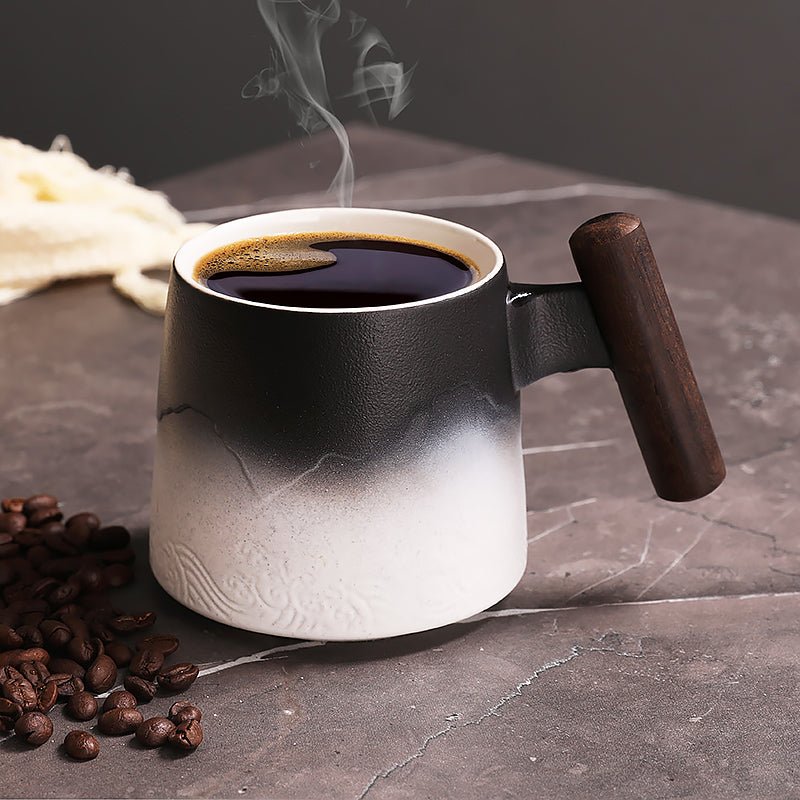
Coffee Mugs Near Me: How to Compare Size, Material, and Everyday Use
If you searched for coffee mugs near me, you probably want something you can buy without guesswork. This guide breaks down size, material, care, and everyday trade-offs so you can choose a mug that...
Weiterlesen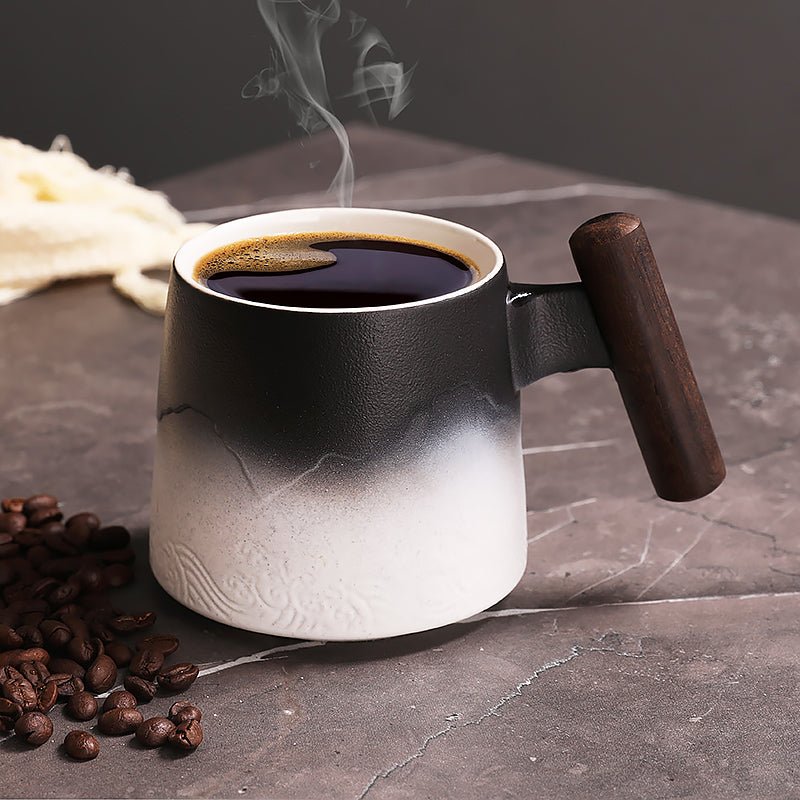
Mug That Keeps Coffee Hot: What to Buy and What to Skip
A practical guide to choosing a mug that keeps coffee hot longer without making every sip feel like a compromise. We cover materials, lids, size, cleaning, and the trade-offs that matter at home or...
Weiterlesen
Hinterlasse einen Kommentar
Diese Website ist durch hCaptcha geschützt und es gelten die allgemeinen Geschäftsbedingungen und Datenschutzbestimmungen von hCaptcha.