
Iced Coffee Mug Buying Guide for Size, Fit, and Daily Use
Reading time: about 9 minutes
An iced coffee mug has a simple job: hold cold coffee, keep the ice from taking over the whole cup, and feel comfortable in your hand while you drink it down to the last sip. The trouble is that a mug that works fine for hot coffee can feel awkward with ice, milk, and a bigger pour.
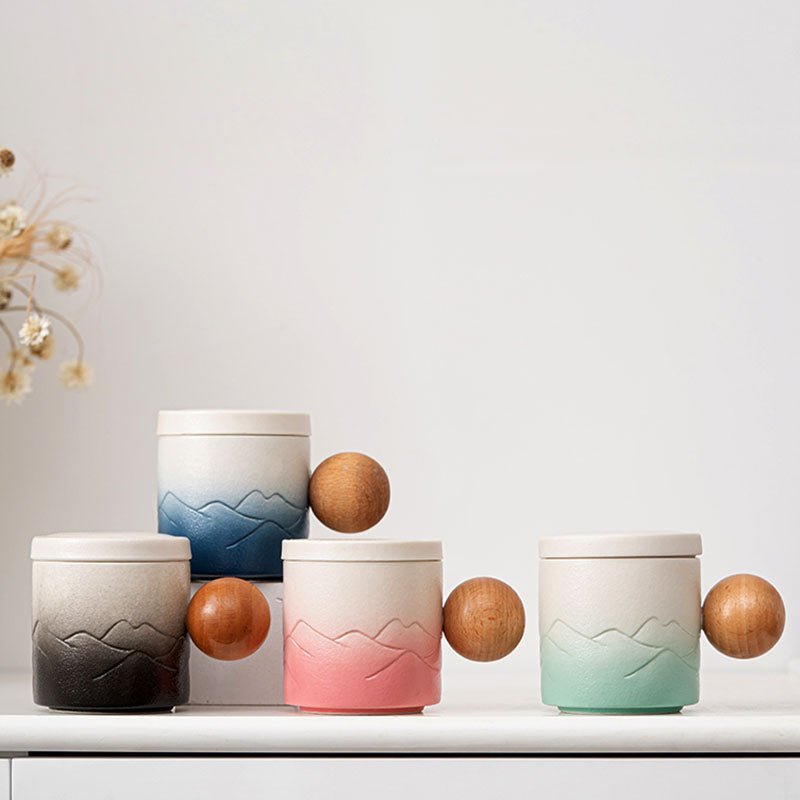
We see that problem often in our store. A buyer likes a mug for the look, but once the ice goes in, the drink looks cramped or splashes too close to the rim. If you are shopping for an iced coffee mug, start with fit first, then style. You can browse our full collection while you compare shapes, or look at specific pieces like The Crane Coffee Tea Mug if you want a mug that feels balanced on a desk or kitchen counter.
What should an iced coffee mug do differently from a regular mug?
An iced coffee mug is not just a smaller version of a hot coffee mug. Cold drinks change how a mug behaves. Ice needs room, milk or syrup often adds volume, and the drink usually stays in the cup longer, so comfort and stability matter more than with a quick morning pour.
In practice, we look for three things:
- Extra headroom so ice does not sit right at the rim.
- A stable base so the mug does not feel top-heavy on a crowded desk.
- A handle that stays comfortable when the mug is full and a little heavier.
That is why many buyers end up preferring a medium-size ceramic mug over a narrow tumbler-style cup for iced coffee at home. Ceramic does not sweat the way some cold-drink vessels do, and a handle keeps fingers away from condensation. If you are deciding between common mug sizes, our posts on iced coffee mug size, material, and fit and 12 oz coffee mug fit and daily use are useful starting points.
Which size works best for iced coffee?
There is no universal best size. The right iced coffee mug depends on how much ice you use and how you actually make the drink. A smaller mug can be perfect for a concentrated coffee over a few cubes. A larger mug works better if you add milk, sweetener, or a bigger pour from a carafe.
Here is the practical way we break it down:
| Typical use | What usually works | What to watch for |
|---|---|---|
| Short iced coffee | Smaller mug with enough room for ice | Ice can crowd the rim if the mug is too narrow |
| Milk-forward drink | Medium mug with extra headroom | Overfilling makes stirring messy |
| Desk coffee | Balanced mug with a sturdy handle | Large cups can feel awkward on a small workspace |
| Slow sipping at home | Wider mug with stable base | Shallow mugs may cool too fast |
For buyers comparing size options, our guides on 10 oz coffee mug size and fit and 11 oz coffee mug size and fit are useful because those ranges often tell you whether a mug will feel compact or roomy once ice is added. If you like a little extra space for mixing, a Gradient Coffee Tea Mug is worth comparing against your current cup size because the visual shape can hint at how much usable interior room you will get.
Does material matter for iced coffee?
Yes. Material changes comfort, condensation, cleaning, and how long the mug feels good in hand. For iced coffee, the most common trade-off is between ceramic, glass, and insulated drinkware.
Here is the plain version:
- Ceramic feels familiar, is easy to use at a kitchen table, and usually looks better on open shelving. It is not the best choice if you want to see the drink layers.
- Glass shows the coffee and ice clearly, which makes it a good choice for layered drinks. The trade-off is more condensation and more care around chips or cracks.
- Insulated steel keeps cold drinks colder longer, but it is less traditional if you want the look and feel of a mug.
In our experience, many customers choose ceramic because they want a real mug, not a travel cup. That makes sense for home use, office desks, and gift purchases. A ceramic iced coffee mug is usually easier to match with everyday dishwashing, and it does not look out of place beside breakfast plates or a laptop. Still, if your main goal is all-day cold retention, a mug is not the best tool. A lidded insulated tumbler will outperform it.
One more practical point: watch the glaze and finish. A good mug should have a smooth rim, an even glaze, and no rough spots where the hand rests. We also check for a handle opening that is comfortable for an adult hand. Those are small details, but they are the difference between a mug that feels solid and one that feels flimsy out of the box.
What details should you check before buying?
We recommend checking the same details we inspect when adding mugs to our store. These are the things that usually decide whether a mug gets used every day or gets pushed to the back of the cabinet.
- Rim shape: A thinner, smooth rim is better for sipping cold coffee cleanly.
- Handle clearance: Make sure your fingers fit without touching the mug wall.
- Base stability: A flat, balanced base matters more on a cluttered office desk than people expect.
- Interior shape: A wider opening makes ice easier to add and stir.
- Care needs: Check whether the mug is easy to wash by hand or can handle regular dishwasher cycles.
The common defect modes we watch for are also pretty consistent: uneven glaze, a handle that feels off-center, a wobbly base, or decorative printing that looks fine from a distance but feels low-grade up close. For a gift, those details matter. A mug is a very visible object. People notice the lip, the handle, and the bottom before they think about the artwork.
If you want a mug that feels more decorative without losing everyday usefulness, the Crane Coffee Tea Mug and the Landscape Coffee Tea Mug are good comparison points. They help you judge whether you want a calmer, more minimal cup or something with more visual presence on the shelf.
Which iced coffee mug style fits your routine?
The right style depends less on trends and more on where the mug actually lives. We see three common buying patterns.
- Kitchen-first buyers want a mug that stacks well, cleans easily, and works for coffee, tea, or cocoa.
- Desk buyers want a mug that sits firmly and does not spread condensation across paperwork or notebooks.
- Gift buyers want something that looks finished from the first unboxing and feels personal without being fragile.
If you mostly drink iced coffee at home, a ceramic mug with a comfortable handle is usually the simplest choice. If you take your drink to a desk, look for a base that is not overly wide, so it does not crowd your keyboard or mouse pad. If you are buying as a gift, style matters more than it does for your own cabinet. That is where a design-forward mug can make sense, even if the drink volume is not the largest available.
For shoppers who want a broader comparison before deciding, our 12 ounce coffee mug buying guide goes deeper on how size and daily use affect comfort. That is often the right next read if you are deciding between a compact mug and something with more room for ice.
How should you care for an iced coffee mug?
Care is simple, but it still affects how long the mug looks and feels good. We usually recommend the same routine for everyday drinkware.
- Rinse the mug soon after use so coffee oils do not build up.
- Use a soft sponge on printed or decorative surfaces.
- Avoid harsh scrubbing on the rim or inside glaze if the mug has artwork.
- Let the mug dry fully before stacking it in a cabinet.
If the mug is ceramic, avoid sudden temperature swings. Do not take a mug from a very cold fridge and pour boiling liquid into it. That kind of thermal shock can stress the material. For iced coffee, the risk is usually lower than with hot drinks, but it is still worth keeping in mind if you wash with very hot water and then immediately fill with ice.
We also suggest being realistic about what a mug is not best for. A standard iced coffee mug is not the right choice if you want to carry a drink around for hours, if you need a leakproof lid, or if you want maximum insulation. Those jobs belong to travel mugs and tumblers. A mug wins when you want comfort, style, and a straightforward at-home drink.
Frequently asked questions
What size iced coffee mug should I buy for home use?
For most home routines, a medium mug is the safest starting point because it leaves room for ice and a little milk or sweetener. If you drink your coffee black over a few cubes, a smaller mug can work fine. If you like a fuller drink or use lots of ice, choose a roomier mug with a wider opening.
Is ceramic or glass better for an iced coffee mug?
Ceramic is usually better if you want a comfortable everyday mug that feels solid in the hand and works well on a kitchen table or office desk. Glass is better if you want to see layers and ice clearly. Glass also shows condensation more, so it can feel less tidy on wood or paper surfaces.
Can I use a regular coffee mug for iced coffee?
Yes, if the mug has enough headroom and a stable base. The main issue is usually size, not the label on the product. A mug that feels perfect for hot coffee can feel too small once ice is added, so check the opening and interior shape before buying.
What should I avoid in an iced coffee mug?
Avoid mugs with a narrow opening, a slippery handle, or a base that feels unstable when full. Those are the features that usually turn into daily annoyances. If you plan to use it at a desk, skip anything that feels top-heavy or likely to tip when you reach for your keyboard.
Are decorative mugs practical for iced coffee?
Yes, as long as the shape is functional. We see many buyers choose decorative mugs for iced coffee because they want something they enjoy seeing every morning. Just make sure the artwork does not interfere with a smooth rim, easy cleaning, or a comfortable grip.
If you want to compare styles side by side, start with our full collection, then check the mug shape, handle comfort, and interior space against the way you actually make iced coffee. That is the quickest way to avoid a mug that looks right but drinks wrong.
Read more
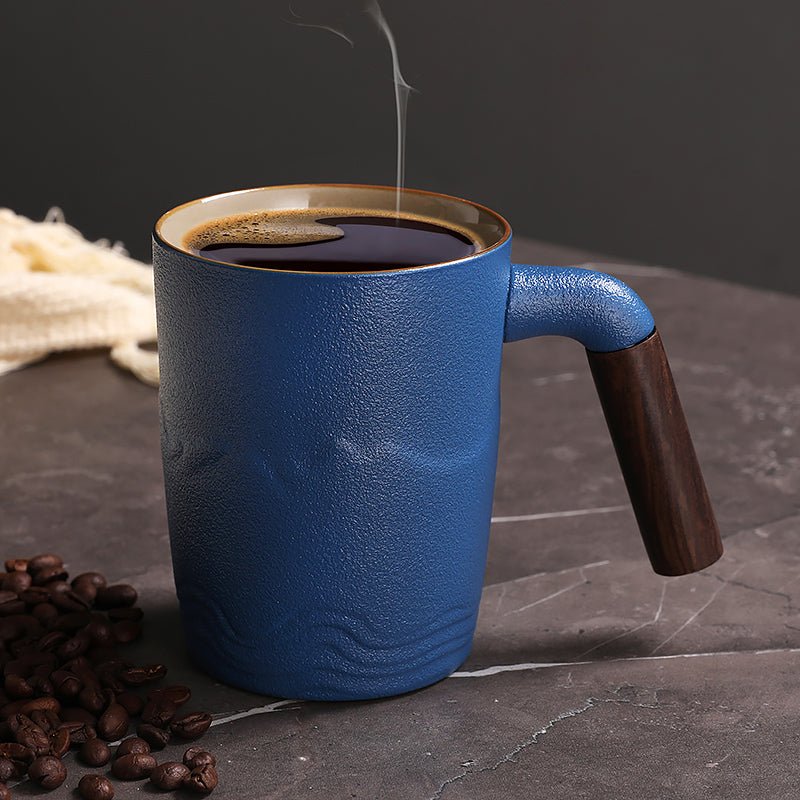
Ceramic Lined Coffee Mug Buying Guide for Everyday Use
A ceramic lined coffee mug can solve the taste-and-feel complaints that push buyers away from plain metal or basic ceramic. Here’s what we check in real use: lining quality, rim feel, size, and care.
Weiterlesen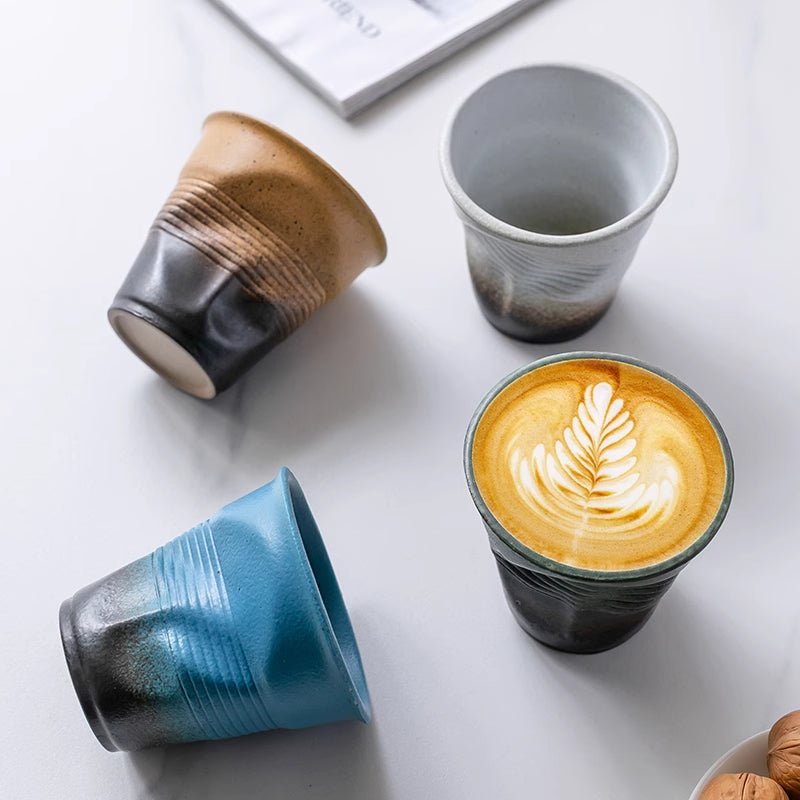
Peets Coffee Mug Stoneware Pottery Cup Brown Aztec Southwestern Design
A practical buyer’s guide to the peets coffee mug stoneware pottery cup brown aztec southwestern design: what feels right in hand, what to check in the glaze, and which CoffeifyMug options are clos...
Weiterlesen
Hinterlasse einen Kommentar
Diese Website ist durch hCaptcha geschützt und es gelten die allgemeinen Geschäftsbedingungen und Datenschutzbestimmungen von hCaptcha.