
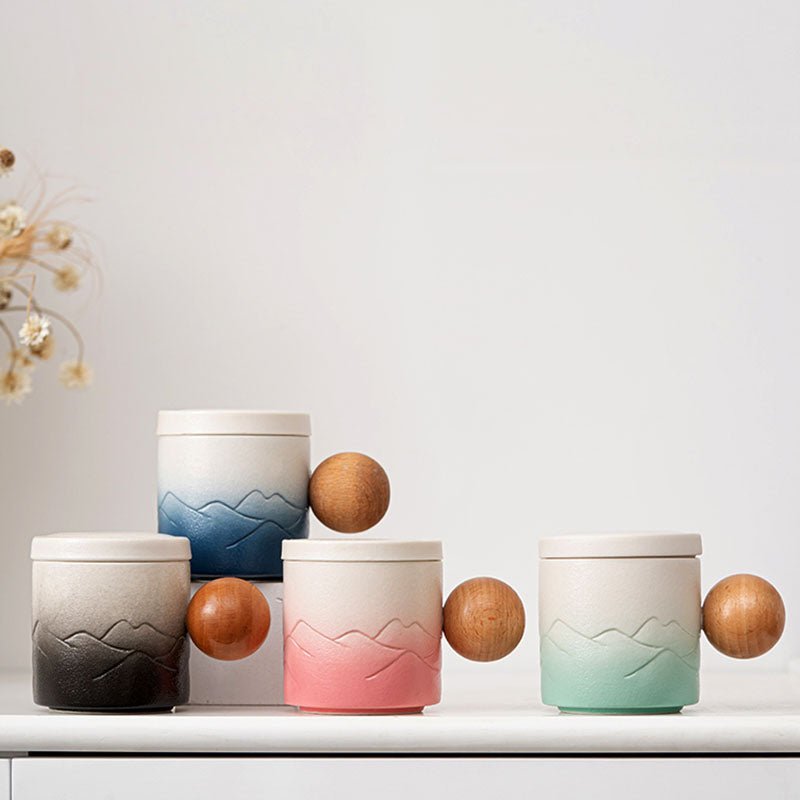
Huge Tea Cup Buying Guide: Size, Shape, and Real Daily Use
Reading time: about 10 minutes
A huge tea cup sounds simple until it sits in your hand. Then the questions start: does it feel steady, is the handle big enough for your fingers, and will it actually fit under your cabinet shelf or dishwasher rack?
We see that decision play out all the time in our store. Some shoppers want a cup that can handle a long work session without constant refills. Others want one generous pour for evening tea, hot chocolate, or broth. The right huge tea cup is less about size alone and more about balance, wall thickness, handle comfort, and how you wash it every day.
If you want a quick starting point, our full collection shows the range we carry, and the three pieces we usually point shoppers to for oversized tea are the Pleated Coffee Tea Cup, Golden Waves Kio Coffee Tea Mug, and The Flow Coffee Tea Mug.
What size counts as a huge tea cup for daily use?
For most shoppers, a huge tea cup is one that holds noticeably more than a standard tea cup and can support a long drink without feeling clumsy. The exact ideal depends on how you drink. If you pour one mug and sip for a while, a larger capacity is helpful. If you refill often and prefer a lighter cup in the hand, going too large can become annoying fast.
In practice, the useful question is not “how big can it be?” but “how much tea do you want before the cup feels heavy or awkward?” A very large cup can be great at a desk, but it may be less comfortable for relaxed one-handed use on the couch. If you want a broader breakdown of sizing, our Big Tea Cup Buying Guide: Size, Material, and Daily Use goes deeper into the trade-offs.
How big is too big?
We usually see trouble when buyers choose a cup that looks great online but turns unwieldy in real life. A cup that is very wide can feel stable on a table but harder to hold with smaller hands. A tall, oversized cup may be easier to grip, but it can feel top-heavy if the base is narrow.
- Best for desk use: a cup that stays steady and does not crowd a keyboard or notebook.
- Best for home sipping: a cup with a comfortable handle and enough room for tea plus milk or lemon.
- Less ideal: a very large cup if you hate finishing a drink that has gone lukewarm before you reach the bottom.
Which shape works best for a huge tea cup?
Shape affects everything from heat retention to comfort in the hand. A wide cup gives you a broad surface, which can cool tea faster. A taller cup often feels more compact on the table and may help the drink stay warm a bit longer. A gently curved body can be easier to hold than a straight-sided one, especially if you tend to cradle the cup while reading or working.
In our experience, shoppers often overlook rim shape. A thicker rim can feel sturdy and pleasant, while a thin rim can make a cup feel more refined but also more delicate. Neither is automatically better. It depends on whether you want a relaxed everyday cup or something that feels a bit dressier for guests.
| Shape | What it feels like | Best use | Trade-off |
|---|---|---|---|
| Wide bowl shape | Open, roomy, easy to stir | Loose-leaf tea, milk tea, tea with add-ins | Cools faster and can take up more counter space |
| Tall rounded shape | Comfortable, balanced, easier to stack visually | Daily desk tea, longer sipping sessions | Can feel bulkier for small hands |
| Sculpted or pleated shape | Textured and more decorative | Gift sets, display-friendly cabinets | Texture can make cleaning around grooves a little slower |
If you like a more decorative profile, the Pleated Coffee Tea Cup is worth a look. If you want a more expressive silhouette, the Golden Waves Kio Coffee Tea Mug and The Flow Coffee Tea Mug show two different approaches to oversized tea drinkware without feeling identical on the shelf.
What materials make sense for a huge tea cup?
Material matters more as the cup gets larger. A huge tea cup already holds more liquid, so the weight, wall thickness, and heat feel become noticeable. Ceramic is a common choice because it feels substantial and keeps tea pleasant to hold without turning icy or flimsy. Porcelain-like finishes usually feel smoother and a bit more refined, while stoneware tends to feel heavier and more grounded in the hand.
We recommend checking three things before you buy: the glaze, the wall thickness, and how the handle joins the body. A strong handle attachment matters on a big cup because the weight of a full pour puts more stress on that join than a small cup would. A glossy glaze is easier to wipe clean, while a textured or carved surface can catch tea residue if you do not rinse promptly.
One practical note from handling this category every day: oversized cups with very thin walls can heat up quickly under boiling water and may feel hot to the touch. That is not a defect by itself, but it can be uncomfortable if you prefer to wrap your hand around the body instead of using the handle.
What do we check before we recommend one?
- Handle clearance: enough room for fingers without squeezing.
- Base stability: a flat, steady bottom that does not wobble on a tray or desk.
- Finish quality: smooth glaze, even edges, and no rough spots near the rim.
- Cleaning access: no awkward grooves that trap tea stains if you rinse late.
If you want a practical buying overview that focuses on everyday use rather than just appearance, our related guide on Huge Tea Mugs: How to Choose the Right Size, Shape, and Material matches this topic closely.
How do you know if the handle will feel comfortable?
Handle comfort is one of the first things customers notice after the novelty of a huge tea cup wears off. A generous cup can look perfect in photos and still be awkward if the handle opening is too tight. That is especially true if you have larger fingers, use the cup with one hand, or prefer a fuller pour.
We look for a handle that lets you slip two to three fingers through comfortably without pressing against the side of the cup. The connection point should feel secure. If the handle is very slim or sharply angled, the cup can feel less reassuring when full. That does not mean it is bad; it means it is better for lighter pours or for people who mostly set the cup down between sips.
If hand comfort is your main concern, it can help to compare oversized cups with handled styles before you choose. Our Handle Cup Buying Guide for Daily Coffee and Tea covers what to check if you know you will carry your mug from kitchen to desk several times a day.
In our store, the cups that get the fewest complaints are not always the biggest ones. They are the ones that feel balanced once filled, clean up easily, and do not fight the hand.
What is a huge tea cup good for, and what is it not good for?
A huge tea cup is a good fit if you want fewer refills, a more generous serving, or a cup that doubles for tea, coffee, or hot chocolate. It also makes sense if you like a slower drink pace and do not want to keep walking back to the kettle. On a desk, it can be a very practical choice.
It is not the best choice if you want fast cooling, compact storage, or the lightest possible cup. A large cup can dominate a small tray, and it may be too bulky for narrow cup holders, tiny shelves, or travel. If you drink delicate tea that you want to stay very hot and aromatic, a smaller vessel may suit you better.
That is the trade-off we try to be honest about. Bigger is convenient. Bigger is also heavier, takes longer to dry, and can be more awkward in a crowded sink.
Which of our oversized cups fits different buying styles?
Different shoppers want different things from a huge tea cup, and that is where our product range helps. Some people want texture and visual interest. Others want a simple shape that disappears into daily use. Here is how we usually think about the three options we carry most often in this category.
- Pleated Coffee Tea Cup: better if you like a detailed, tactile look that feels more decorative on open shelving.
- Golden Waves Kio Coffee Tea Mug: a strong choice if you want an oversized mug with more visual character and a display-worthy finish.
- The Flow Coffee Tea Mug: a good fit for shoppers who want a cleaner, calmer profile that still reads as a large daily cup.
If you are comparing more than just these three, our full collection is the easiest place to scan the current lineup side by side. We find that shoppers make faster decisions once they see the options together rather than bouncing between individual pages.
How should you care for a huge tea cup so it lasts?
Most oversized ceramic tea cups are easiest to keep looking good with prompt rinsing after use. Tea stains build up faster on light interiors, especially if you leave a splash of black tea or chai sitting overnight. A soft sponge and mild dish soap usually handle daily cleanup. For stubborn rings, a short soak is safer than scrubbing hard with an abrasive pad.
A few care habits help avoid common problems we see:
- Do not shock the cup with sudden temperature changes if it has been sitting in a cold sink and you are pouring in very hot liquid.
- Check the rim and handle area after washing, since chips often start at edges or stress points.
- Use a padded spot in the dishwasher if you machine-wash, so larger pieces do not knock into other items.
If the piece has a textured exterior or sculpted detail, dry it fully before putting it away. That keeps water spots from collecting in grooves and helps the finish stay cleaner between uses.
What do shoppers usually overlook before buying a huge tea cup?
Three things come up again and again in customer questions: cabinet clearance, weight when full, and how the cup fits in a real washing routine. A mug can look perfect in a styled photo and still be too tall for the shelf above the kettle. It can also feel wonderful empty and annoyingly heavy once filled to the brim.
We also see buyers forget to compare the cup to the drink they actually make. If you take tea with milk and sugar, or if you often use the cup for broth or cocoa, you may prefer a shape with a wider opening. If you mostly drink plain tea and want warmth to last, a slightly taller form may be better.
For readers who want a broader sizing framework before they purchase, our article Large Tea Cup Buying Guide: What to Check Before You Buy is a solid companion piece, and Massive Tea Cup Buying Guide for Daily Tea and Big Pours goes further on the oversized end of the category.
Frequently asked questions
Is a huge tea cup good for loose-leaf tea?
Yes, especially if you use a basket infuser or like enough room for leaves to open up. A wider cup can make steeping and stirring easier. The trade-off is that a very broad cup may cool faster than a smaller one.
Will a huge tea cup fit in a dishwasher?
Usually yes, but the real test is rack height and spacing. Some oversized mugs take up the upper rack comfortably, while taller shapes may block spray arms or nearby cups. Check your rack clearance before you commit to daily machine washing.
Are huge tea cups too heavy for everyday use?
Not necessarily, but weight becomes noticeable once the cup is full. A well-balanced oversized cup should still feel secure in one hand when lifted by the handle. If you prefer a very light cup, a smaller size may be more comfortable.
Can I use a huge tea cup for coffee too?
Yes. Many shoppers use the same oversized cup for tea, coffee, cocoa, or broth. Just keep in mind that larger cups can make espresso-based drinks feel diluted if you like a smaller, tighter serving.
What is the best huge tea cup for gifting?
Choose one with a balanced silhouette, an easy-to-hold handle, and a finish that looks polished without being fragile. Decorative textures can make a gift feel special, but a simpler shape is often safer if you do not know the recipient’s exact taste.
If you are ready to compare options side by side, start with our full collection, then open the three oversized cups above and check three things: handle comfort, base stability, and whether the shape suits your usual tea routine. That quick pass usually makes the right choice obvious.
Read more
Lang Coffee Mugs: What to Compare Before You Buy
Lang coffee mugs work best when the handle, shape, and finish match how you actually drink coffee. This guide compares our options, what to check in person, and which mug fits daily use.
Weiterlesen
Religious Coffee Mugs: What to Buy for Gifts, Prayer, and Daily Use
Religious coffee mugs work best when they fit the way someone actually drinks, prays, and sets up a morning routine. We break down the design choices, size trade-offs, and gift details that matter ...
Weiterlesen
Hinterlasse einen Kommentar
Diese Website ist durch hCaptcha geschützt und es gelten die allgemeinen Geschäftsbedingungen und Datenschutzbestimmungen von hCaptcha.