
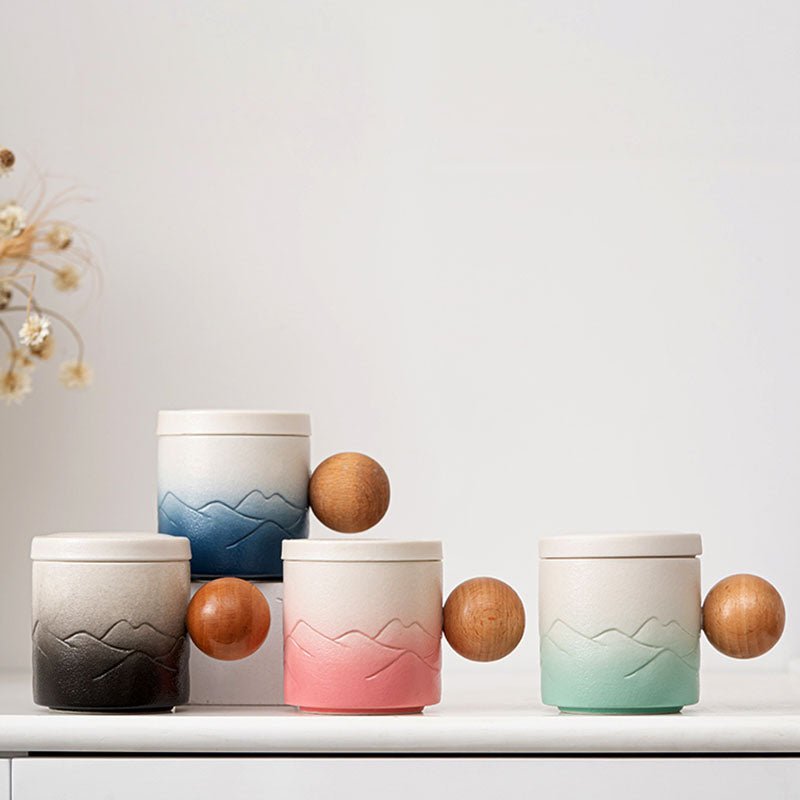
How to Get Rid of Tea Stains on Mugs Without Damaging the Finish
Reading time: about 9 minutes
A tea ring at the bottom of a white mug is usually the first thing people notice on a desk or beside the sink. We see it all the time in our store: a mug that still feels solid, but the inside has picked up a brown film from daily tea, especially with strong black tea, hard water, or mugs that sit overnight without rinsing.
If you are figuring out how to get rid of tea stains on mugs, the safest answer is usually a gentle cleaner, a soft tool, and a little patience. That matters because the wrong scrubber can dull a glossy glaze, scratch a printed design, or wear down a matte finish faster than the stain itself.
If you are also comparing mugs for everyday use, we keep two helpful starting points on our site: our product collection shows the mugs we carry now, and our full collection makes it easier to compare sizes, shapes, and finishes before you buy.
What removes tea stains without scratching the mug?
The safest methods are the ones that lift the stain instead of abrading the surface. On most ceramic mugs, we start with warm water and a paste made from baking soda. For lighter tea marks, that is usually enough. For a more stubborn ring, a short soak with a mild cleaning solution can help loosen the buildup before you wipe it away.
Our experience is simple: soft tools do the job better than aggressive scrubbing. A microfiber cloth, a non-scratch sponge, or even a soft bottle brush works well on the inside curve where tea tends to collect. Steel wool and abrasive powders remove more than the stain. They can leave fine scratches that hold onto future discoloration.
- Best for most mugs: baking soda paste and a soft sponge.
- Best for fresh stains: a quick rinse followed by warm soapy water.
- Best for older rings: a longer soak before gentle wiping.
- Not a good match: rough scouring pads on glossy glaze or printed surfaces.
If you want a deeper comparison of stain care on similar drinkware, our coffee-focused guides, How to Get Rid of Coffee Stains in Mugs Without Damaging the Finish and How to Get Coffee Stains Out of Mugs Without Damaging the Finish, cover the same basic finish-safety rules from a slightly different stain angle.
What is the safest step-by-step method for tea stains?
For most everyday mugs, this is the method we recommend first because it balances cleaning strength with finish safety. It works well for ceramic mugs, stoneware, and most glazed interiors.
- Rinse the mug with warm water so loose tea residue does not harden further.
- Sprinkle a small amount of baking soda inside the mug, then add just enough water to form a thin paste.
- Let it sit for 5 to 10 minutes if the stain is light, or a little longer if the ring is darker.
- Use a soft sponge or cloth to wipe the stain in circles, focusing on the base and the upper tea line.
- Rinse thoroughly and check the inside under light before drying.
If the stain remains, repeat the process instead of switching immediately to a harsh cleaner. In our experience, repeated gentle passes are safer than one aggressive scrub, especially on mugs with printed logos, metallic accents, or hand-applied glazing.
For cups that are used every day on a kitchen counter or office desk, the key is drying quickly after washing. Stains set faster when leftover tea sits in the mug overnight.
Which mug materials clean up best?
Not every mug finish behaves the same. That matters if you are shopping for new mugs or trying to decide whether an older mug is worth saving.
| Material or finish | Cleaning behavior | What to watch for |
|---|---|---|
| Glazed ceramic | Usually easiest to clean with baking soda or mild soap | Can still scratch if you use abrasive pads |
| Stoneware | Durable, but stains can linger in tiny surface pores if the glaze is uneven | Avoid strong scrubs on textured interiors |
| Matte finish | Often shows tea residue sooner | Requires softer tools so the surface does not look cloudy |
| Printed mugs | Cleaning is fine if the print is sealed well | Do not soak for too long if the decoration looks fragile |
If you are choosing a tea mug with cleanup in mind, our article Best Tea Mugs for Daily Use: Size, Shape, and Materials is worth reading because size and shape affect staining more than most shoppers expect. A wider mouth is easier to clean by hand, while a very narrow mug can hide residue along the base where the sponge barely reaches.
We also see a practical difference between 10-ounce everyday mugs and larger 14- to 16-ounce mugs. Bigger mugs give tea more room, but they also leave a larger wet area if the cup sits unused. If you brew strong tea multiple times a day, choose a finish that tolerates frequent washing over a decorative surface that only looks good on a shelf.
What should you avoid on printed, glazed, or handmade mugs?
Some mugs look tougher than they are. A glossy mug with a printed quote may survive the dishwasher fine, but the decoration can still fade or become cloudy if you use the wrong cleaner too often. Handmade mugs can also have subtle surface variation, which means stain cleanup needs more caution around the lip and handle join.
We avoid these mistakes:
- Bleach on decorative mugs: it can be too harsh for printed or hand-finished surfaces.
- Metal scrubbers: they can leave visible swirl marks on glazed interiors.
- Long soaking on unverified prints: if the decoration is not clearly sealed, extended soaking adds risk.
- Dishwasher-only assumptions: some mugs are dishwasher-safe but still hold tea stains in the same spot after every cycle.
That is one reason we think finish quality matters as much as style. A mug that looks beautiful in a gift box should also hold up to real use: morning tea, desk refills, a quick rinse, and then back on the rack. If you want mugs that are meant to be used hard rather than admired once, our store’s selection is built around that practical side of the category.
How do you keep tea stains from coming back?
Once the stain is gone, prevention is easier than repeating a full cleaning cycle every few days. A few habits make a real difference.
- Rinse the mug soon after finishing tea instead of letting residue dry on the inside.
- Do a quick wash with mild soap if the mug sat out for hours.
- Dry the interior with a towel when hard water leaves a visible film.
- Rotate mugs with very light interiors if you want stain buildup to show less.
Tea with tannins is always going to leave some trace over time. That does not mean the mug is ruined. It does mean certain finishes will age better than others. A plain white glossy mug shows staining faster, but it also makes cleanup easier. A darker or speckled glaze hides minor marks better, though it may not show you when residue is building up.
For shoppers who want mugs that work for both tea and coffee, our coffee stain guides also help with long-term care. How to Get Rid of Coffee Stains in Mugs Without Damaging the Finish is especially useful if the same mug moves between tea in the morning and coffee in the afternoon.
When is a stained mug worth replacing instead of cleaning?
Some stains are just cosmetic. Others are a sign the mug is no longer a good daily-use piece. If the inside glaze has worn thin, if the decoration is lifting, or if the rim feels rough, replacement is the better choice.
We would replace a mug when:
- the stain remains after repeated gentle cleaning and the surface looks permanently dulled,
- the glaze has visible craze lines that keep collecting residue,
- the mug chips near the lip or handle, or
- the printed design is peeling and the surface underneath is no longer easy to clean.
That trade-off matters. A chipped mug can still be sentimental, but it is not ideal for regular use. If you are buying for a kitchen set, desk setup, or a small gift bundle, it is usually better to choose a mug with a smooth glazed interior and a finish that is easy to rinse clean.
We have seen shoppers keep fighting the same stained mug for months when a better replacement would have solved the problem faster. If that is where you are now, the practical move is to compare current options in our full collection and pick a shape that is easier to wash by hand.
Frequently asked questions
Does baking soda remove tea stains from mugs?
Yes, baking soda is one of the safest first steps for most ceramic mugs. It works best on light to moderate stains and on smooth glazed interiors. If the stain is older, you may need to repeat the process once or twice instead of scrubbing harder.
Can I put a stained mug in the dishwasher?
You can, if the mug is dishwasher-safe, but a dishwasher cycle alone does not always remove tea staining. It may loosen fresh residue, yet older brown rings often stay behind. We still recommend a brief hand-clean with a soft sponge if you want the inside to look fully clean.
Will vinegar damage my mug finish?
Vinegar is usually fine for a quick clean on plain glazed ceramic, but we would avoid long soaks on decorative mugs, matte finishes, or pieces with fragile prints. If you try it, rinse well afterward so the smell does not linger.
Why do some mugs stain faster than others?
Tea, hard water, and the mug finish all play a part. Light interiors show the stain sooner, textured surfaces hold residue longer, and unglazed or uneven finishes can trap color in tiny surface pits. A smoother glazed mug is usually easier to maintain.
What is the best mug type if I drink tea every day?
Look for a glazed ceramic or stoneware mug with a smooth interior, an easy-to-grip handle, and a size that matches your usual serving. If you like frequent refills, a mid-size mug is easier to rinse and dry. For more buying context, our article Ceramic Mugs for Tea: How to Choose the Right Size, Shape, and Finish breaks down the trade-offs clearly.
If you want to compare mugs with cleanup in mind, start with the smoothest interior finish, then check whether the mug is dishwasher-safe, how wide the mouth is, and whether the decoration can handle regular washing. That small checklist saves time later, and it usually leads to a mug you will actually keep using.
Related from our store
Read more
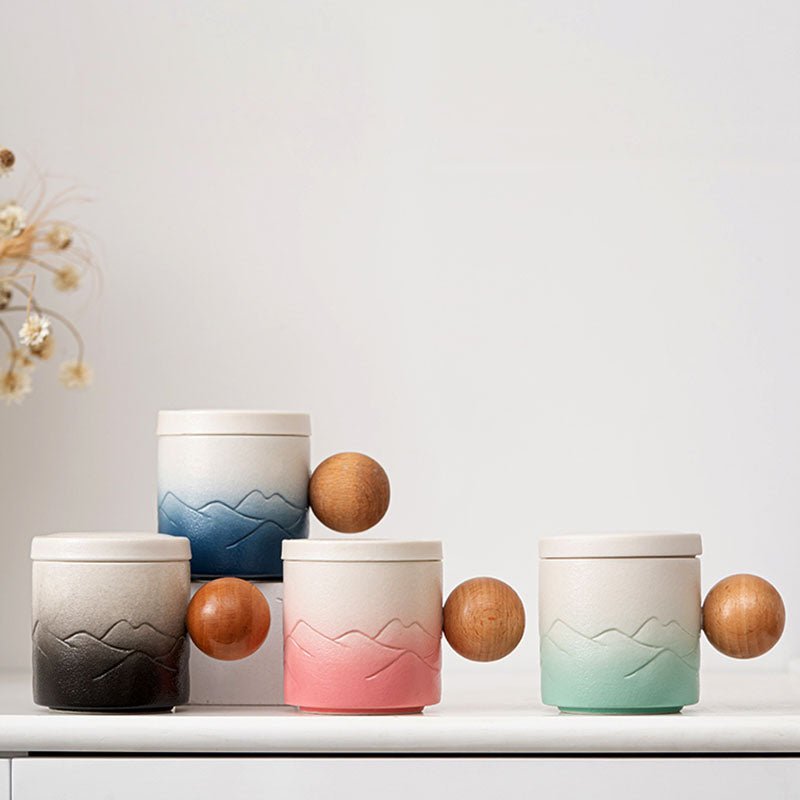
Good Coffee Mugs for Daily Use, Gifts, and Desk Coffee
Good coffee mugs are the ones that feel balanced, clean up easily, and still make sense after the first refill. We break down what matters in daily use and where our best shapes fit.
Weiterlesen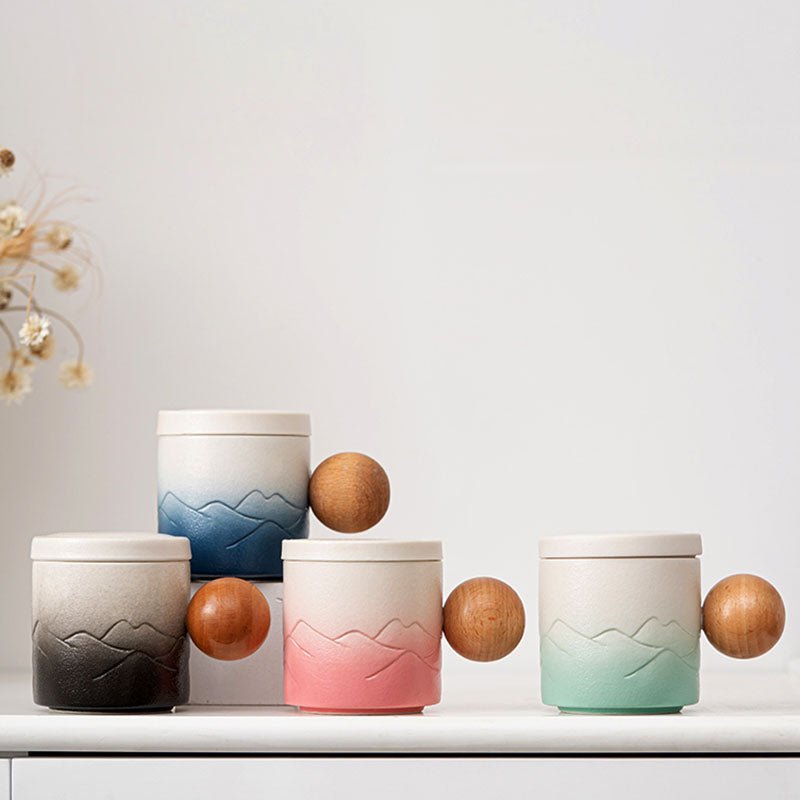
How to Remove Tea Stains from Mugs Without Damaging the Finish
Tea stains build up fast on glazed ceramic, porcelain, and stoneware mugs, especially around the rim and inside base. Here’s the safest way we clean them, plus what to avoid on matte, printed, and ...
Weiterlesen
Hinterlasse einen Kommentar
Diese Website ist durch hCaptcha geschützt und es gelten die allgemeinen Geschäftsbedingungen und Datenschutzbestimmungen von hCaptcha.