

How to Get Coffee Stains Out of a Mug Without Damaging the Finish
Reading time: about 10 minutes
A coffee mug can look clean on the outside and still hold a brown ring inside the bowl, especially around the base where the last sip dries overnight. We see this all the time in our store: a mug comes back from office desk duty, the dishwasher, or a weekend of slow sipping, and the glaze still looks fine even though the coffee film has settled in.
If you want to know how to get coffee stains out of mug without clouding the finish, the method matters as much as the cleaner. A glossy ceramic mug can usually handle gentler scrubbing than a matte or textured piece, but all mugs can be scratched or dulled by the wrong tools. That is why we recommend starting with the least aggressive option first.
We also want to be direct about trade-offs. Some stains come out fast. Some do not. Older stains, rough-glazed interiors, and mugs with tiny surface marks can keep holding onto color even after a good wash. If a mug is already chipped, crazed, or etched, it may stain again more quickly no matter how carefully you clean it.
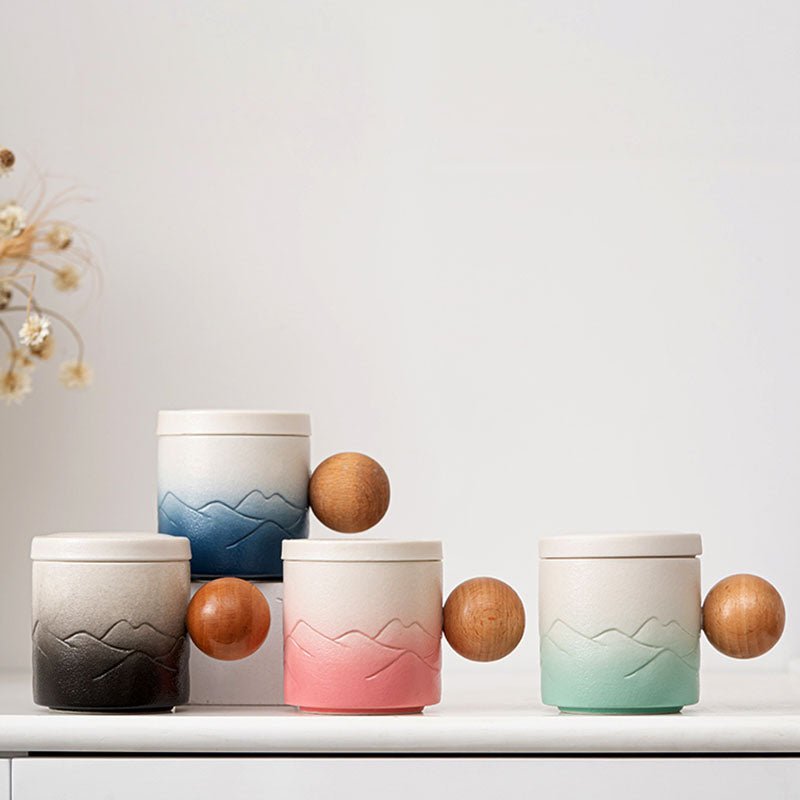
For shoppers comparing mug styles, it helps to see what you are working with. A smooth, glazed piece like our Round Coffee Tea Mug is usually easier to wipe clean than a highly textured surface. If you prefer a taller profile that feels more like a daily desk mug, the Landscape Tall Coffee Tea Mug gives you more vertical room inside, which can make residue easier to spot. For a color-forward option that still has a practical everyday shape, the Emerald Coffee Tea Mug is a strong choice for buyers who want a mug that looks good on the counter and in hand.
If you are browsing the broader assortment, our all collection is the quickest way to compare shapes and finishes before deciding which mug will be easiest to keep clean long term.
What actually causes coffee stains in a mug?
Coffee stains are usually a mix of tannins, oils, and mineral residue. Dark roast coffee tends to leave more visible coloring on pale interiors, while milk-based drinks can create a thin greasy film that traps color near the rim and the bottom curve of the mug.
In our experience, the spots that annoy people most are not dramatic. They are the small ones: a line just below the lip, a tan ring where the coffee level sat, or a patch at the bottom that shows up after the mug air-dries overnight. These are common in office kitchens where mugs sit in a sink for hours before washing, and they show up even faster on mugs that get rinsed but not fully washed.
Three details matter here:
- Glaze type: Smooth, glossy ceramic usually releases stains more easily than matte or rustic finishes.
- Surface wear: Micro-scratches from abrasive sponges give stains a place to cling.
- Dry time: Letting coffee dry inside the mug makes the stain more stubborn, especially around the base.
What is the safest first method to remove coffee stains?
For most mugs, start with warm water, a drop of dish soap, and a soft sponge or microfiber cloth. This sounds basic, but it removes the loose film before you bring out anything stronger. We always suggest this first because it protects glaze and printed finishes.
- Rinse the mug with warm water.
- Add a small amount of dish soap.
- Scrub the stain with a soft sponge using circular motions.
- Rinse well and check the inside near the base and under the lip.
- Dry with a clean towel so you can see whether any brown tint remains.
If the stain is still visible, move to a mild paste rather than immediately reaching for a harsh abrasive. This is the safest path for everyday ceramic mugs, especially if the mug has a decorated exterior or a glazed interior you want to keep looking new.
For a deeper look at finish-safe methods, our guide How to Remove Coffee Stains from a Mug Without Damaging It walks through the same careful approach we use for customer care questions.
How do you remove stubborn coffee stains without scratching the mug?
If soap alone is not enough, baking soda is usually the next step we reach for. It has enough texture to lift residue, but it is still far gentler than steel wool or a scouring pad. That makes it a better fit for ceramic mugs, especially ones with glossy interiors.
Here is the method we recommend in our store when a mug has a stubborn brown ring but no damage to the glaze:
- Mix baking soda with a little water until it forms a spreadable paste.
- Apply the paste to the stained area.
- Let it sit for 5 to 10 minutes.
- Rub gently with a soft sponge or cloth.
- Rinse thoroughly and inspect the bottom of the mug under bright light.
For stains that cling near the bottom curve, a soft bottle brush can help, but only if it is not stiff enough to mark the finish. We do not recommend metal scrubbers, magic-eraser style heavy abrasion, or anything that leaves a chalky residue on matte surfaces.
Trade-off worth knowing: the more textured or satin-like the finish, the more careful you need to be. Those surfaces can hide discoloration well, but they can also show wear sooner if you scrub them aggressively.
Is vinegar safe for coffee stains, and when should you avoid it?
White vinegar can help loosen mineral film and coffee residue, especially if the mug has been sitting with hard-water buildup. It is useful, but it is not our first choice for every mug. Strong acidic cleaners can be unnecessary on a clean-looking glaze, and they are not ideal for every decorated finish.
Use vinegar like this only when soap and baking soda have not fully solved the problem:
- Mix equal parts white vinegar and warm water.
- Fill the mug enough to cover the stained area.
- Let it sit for 10 to 15 minutes.
- Wash again with mild dish soap.
- Rinse completely so no vinegar smell remains.
Avoid soaking mugs with metallic accents, delicate decals, or finishes the manufacturer does not recommend for prolonged acidic contact. If you are unsure, treat vinegar as a spot treatment rather than a soak. That is especially true for gift mugs or novelty pieces that may look sturdy but have more delicate surface decoration than they first appear.
If you are buying a mug because you are tired of cleaning around stubborn marks, our article How to Get Rid of Coffee Stains in Mugs Without Damaging the Finish is a useful companion read before you choose your next cup.
Which mug styles are easier to keep stain-free?
Some mugs are simply easier to maintain. That does not mean they never stain, but they wipe down faster and usually hide less residue in seams, ridges, or narrow bottoms. From handling customer returns and viewing everyday use patterns, we can say that shape and finish matter more than most shoppers expect.
| Mug style | What helps cleaning | What to watch for |
|---|---|---|
| Round ceramic mug | Smooth interior, simple shape, easy sponge access | Can still show a ring if coffee dries at the bottom |
| Tall mug | Good for long drinks and easy visual inspection inside | Narrower profile can be less convenient for larger hands or thicker brushes |
| Colored ceramic mug | Can hide light staining better on the outside | Interior glaze quality matters more than color alone |
If your main goal is easy maintenance, the Round Coffee Tea Mug is a practical everyday pick because its simpler shape gives you fewer edges to clean around. The Landscape Tall Coffee Tea Mug is a better fit if you like a taller silhouette and want a mug that feels good on a desk or side table. The Emerald Coffee Tea Mug works well if you want color without giving up a straightforward ceramic cleaning routine.
What should you not use on a stained mug?
We get this question a lot because the wrong cleaner can make a mug look worse than the coffee stain did. If the mug has a glossy glaze, harsh tools can leave a dull patch that catches future stains even faster.
- Do not use steel wool unless the mug is intentionally rough and the brand says it is safe.
- Do not use very gritty powders on printed or decorative finishes.
- Do not soak for long periods if the mug has metallic details or delicate decoration.
- Do not assume all dishwashers solve it; some stains need a pre-wash first.
Dishwashers are useful, but they are not magic. In a busy kitchen, a mug can come out technically clean and still show a shadow of coffee near the base. If that happens, one quick hand-clean with baking soda is usually better than running repeated hot cycles.
For readers who want a broader buying perspective, the piece How to Get Rid of Coffee Stains in Mugs Without Scratching the Finish is a helpful follow-up before you decide what style belongs in your cabinet.
How do you keep coffee stains from coming back?
Once a mug is clean, the best prevention is small habits. We see the biggest difference when people rinse soon after drinking and avoid letting a half-inch of coffee dry at the bottom overnight. That tiny delay is often what turns a light film into a stubborn stain.
Use these habits if you want a mug to stay cleaner between washes:
- Rinse the mug right after finishing your drink.
- Do a quick wash the same day instead of waiting until morning.
- Use soft sponges rather than abrasive scrubbers.
- Dry the mug fully so residue does not sit in a damp ring.
- Choose a smooth-glazed mug if easy maintenance matters more than decorative texture.
Our own store handling shows a simple pattern: mugs that get rinsed promptly and washed gently keep their finish looking better for longer. That is one reason buyers who use their mug at a desk, in a break room, or for everyday home brewing often prefer straightforward ceramic shapes over highly detailed surfaces.
Which mug should you buy if easy cleaning matters most?
If easy cleaning is a top priority, shop for a mug with a smooth glazed interior, a simple silhouette, and no hard-to-reach ridges. The best mug is not always the most decorative one. It is the one you will actually keep using without fighting stains every week.
Here is the quick decision rule we use with shoppers:
- Choose a round mug if you want the simplest all-purpose shape.
- Choose a tall mug if you like a more upright profile and a desk-friendly feel.
- Choose a colored mug if you want the outside to look polished while still checking that the inside glaze is smooth.
If you are still comparing options, start with our all collection and filter mentally by finish first, style second. That order usually leads to a better purchase than choosing by color alone.
Frequently asked questions
Will baking soda remove old coffee stains from a mug?
Usually, yes, if the stain is only on the surface and the glaze is still intact. Old stains may need a second round or a short soak before gentle scrubbing. If the mug is already scratched, some discoloration may remain in the tiny marks.
Can I put a stained mug in the dishwasher and expect it to come out clean?
Sometimes, but not always. A dishwasher can loosen fresh residue, yet older coffee rings often need a quick pre-wash by hand. If the stain is still there after one cycle, use a baking soda paste rather than repeating harsh wash cycles over and over.
Is vinegar safe for ceramic coffee mugs?
White vinegar is generally safe for plain ceramic mugs when used briefly and rinsed well. We would avoid long soaks on mugs with metallic accents, special decals, or finishes that the maker says should not sit in acidic liquid. Short contact is the safer approach.
Why does my mug stain faster than my other mugs?
It is usually the glaze, not the coffee. A mug with a rougher interior, fine scratches, or tiny wear spots will hold onto color more easily than a smooth-glazed mug. Dark roasts and milk-based drinks can make the stain show up faster too.
What type of mug is easiest to keep clean for daily coffee?
A smooth ceramic mug with a simple shape is usually easiest to maintain. Round interiors are easier to scrub, and glossy finishes release stains more readily than textured or matte surfaces. If low-maintenance care matters, start with straightforward shapes like the mugs in our core collection.
If you want to compare easy-clean styles before buying, check the all collection, then open the Round Coffee Tea Mug and Landscape Tall Coffee Tea Mug side by side. That is the quickest way to choose a mug that looks good now and still cleans up easily after the coffee settles in.
Read more
Huge Tea Mug Buying Guide for Daily Tea, Desk Use, and Gifts
A huge tea mug should solve a real problem: fewer refills, a steadier desk setup, and a shape that still feels comfortable in hand. We compare what to look for, what to avoid, and which CoffeifyMug...
Weiterlesen
Huge Coffee Cup Buying Guide: How to Choose the Right Oversized Mug
A huge coffee cup solves the real problem of constant refills, but the right one depends on balance, handle comfort, and how you actually drink. Here’s how we compare oversized mugs in our store, p...
Weiterlesen
Hinterlasse einen Kommentar
Diese Website ist durch hCaptcha geschützt und es gelten die allgemeinen Geschäftsbedingungen und Datenschutzbestimmungen von hCaptcha.