
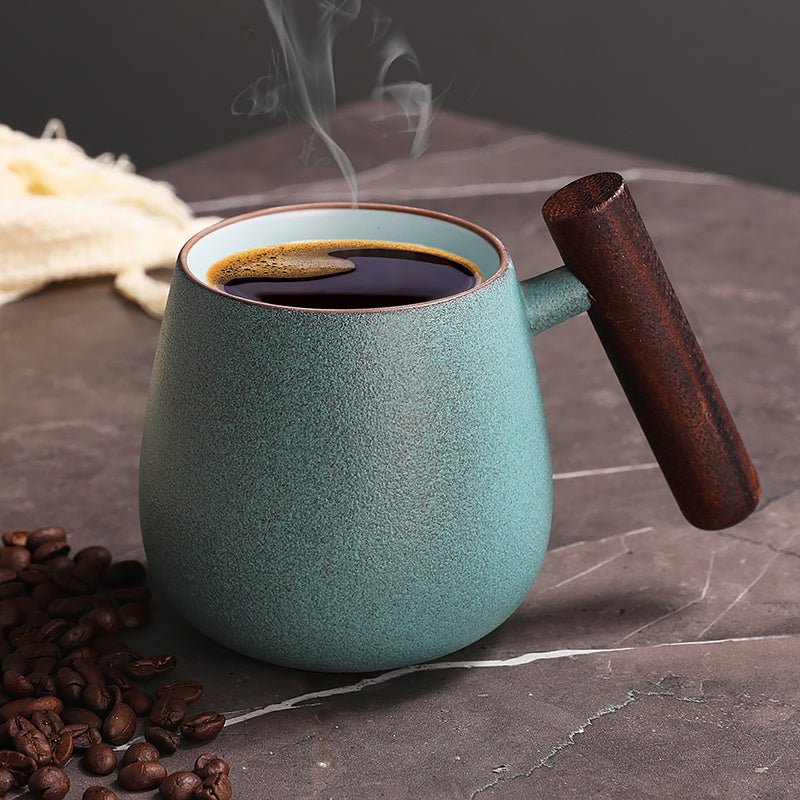
How Many Ounces Is a Standard Coffee Mug? A Buyer’s Guide
Reading time: about 10 minutes
A mug sitting next to the coffee maker can look “standard” until you pour in a full cup and realize it either feels too small or leaves half your coffee cold by the time you finish it. That is the real problem shoppers run into: mug size is not always obvious from the photo, and ounces on the product page do not always match how the mug actually drinks.
How many ounces is a standard coffee mug? In most kitchens, a standard coffee mug is 8 to 12 ounces. We see 11-ounce and 12-ounce mugs most often in everyday use, especially for drip coffee, tea, and hot chocolate. Some “standard” mugs run a little smaller at 8 ounces, while larger everyday mugs may stretch to 14 or 15 ounces and still get called standard by sellers.
That range matters because mug shape changes the usable fill amount. A tall straight-sided mug, a rounded camp-style mug, and a wide latte-style mug can all be labeled differently even when the capacity is close. In our store, we pay attention to the difference between listed capacity and practical drinking capacity, because shoppers do not usually care about the marketing label. They care about how much coffee fits before the rim feels too full.
What does “standard coffee mug” usually mean in ounces?
“Standard” is a loose term, which is why this question gets messy fast. For most buyers, a standard mug means the everyday mug you would use for a single serving of brewed coffee. That usually lands in the 8-12 ounce range.
Here is the simplest way we think about it:
- 8 oz: closer to a small classic cup, often better for espresso-based drinks, tea, or people who want a short pour.
- 10-12 oz: the most common everyday coffee mug size in our experience.
- 14-16 oz: a larger mug for people who want a bigger coffee, extra milk, or less refilling.
- 20 oz and up: oversized mugs, usually better for long desk sessions or very large pours, not a classic “standard” mug.
If you want a broader breakdown of common cup sizes, our related guide How Many Oz Is a Coffee Mug? Common Sizes and What Fits Best walks through the most common capacity ranges shoppers compare before buying.
Why does a mug listed as 12 oz sometimes not feel like 12 oz?
Because manufacturers usually measure capacity to the brim, not to a comfortable drinking line. A mug may be sold as 12 ounces, but once you leave room for a normal pour, you might only use 10 to 11 ounces without risking a spill. That gap is normal.
We see this all the time with thicker ceramic mugs. A mug with a thick base or thick walls can have a slightly smaller interior than the same outer size in a thinner build. The reverse can also happen: a mug that looks compact on the outside can hold more than expected if it has straighter walls and a deeper bowl.
Three details that affect real-world capacity:
- Rim shape: A flared rim can make the top feel wider and the mug easier to sip from, but it does not always add much usable volume.
- Wall thickness: Thicker ceramic may retain heat longer, but it can reduce interior space.
- Handle placement: A large handle can make a mug feel bigger in the hand even when the ounce count stays the same.
That is why two mugs with the same listed ounces can feel very different on a kitchen counter or office desk.
Which mug size works best for daily coffee?
For most shoppers, the sweet spot is still 11 or 12 ounces. It gives enough room for a standard pour of drip coffee without making the mug feel oversized. It also leaves space for a splash of milk, cream, or foam.
If you drink coffee black, a smaller mug can feel better because the cup stays hot and the portion is easier to finish while it tastes fresh. If you usually add milk, sweetener, or flavored creamer, a slightly larger mug often works better because it prevents spillover and gives you room to stir.
Here is how we usually help customers choose:
- Choose 8 oz if you want a smaller serving, prefer espresso drinks, or like coffee that cools down quickly so you can finish it fast.
- Choose 10-12 oz if you want the classic everyday mug for home or office use.
- Choose 14-16 oz if you pour large mugs of coffee, add a lot of milk, or dislike refilling.
- Choose 20 oz+ only if you really want a large vessel and do not mind the weight when full.
If you are comparing larger options, our guides on 16 Ounce Coffee Mug Buyer’s Guide: Size, Material, and Fit, 20 oz Coffee Mug: What to Check Before You Buy, and 24 oz Coffee Mug: What to Check Before You Buy can help you see where the line shifts from standard to oversized.
What should you check before buying a mug online?
A mug photo can hide a lot. At our store, we look at the same few details every time because they tell you more than the marketing name does.
| What to check | Why it matters | What to look for |
|---|---|---|
| Ounce capacity | Shows the maximum fill, not always the comfortable pour | 8 oz, 10 oz, 11 oz, 12 oz, 16 oz, etc. |
| Material | Changes heat retention, weight, and feel | Ceramic, stoneware, porcelain, glass, or stainless steel |
| Dishwasher and microwave care | Affects daily convenience and long-term finish | Microwave-safe glaze, dishwasher-safe finish, hand-wash only if decorated |
| Handle size | Impacts comfort and grip | Enough room for two to three fingers, depending on hand size |
| Rim and wall thickness | Changes how the mug drinks and holds heat | Smooth rim, balanced weight, no obvious wobble |
One thing shoppers often miss: a glossy glaze can look beautiful in product photos, but if the mug is hand-painted or has metallic accents, it may not be microwave-safe. Another common issue is a slightly uneven base. It is not always a defect, but if a mug rocks on the counter, that is a bad sign for everyday use.
If you want to compare current styles by size and finish, our full mug collection is the easiest place to browse what is actually available now.
Does mug material change how many ounces you should buy?
Not directly, but it changes how the mug feels in use. A ceramic or stoneware mug in the 11- to 12-ounce range often feels like the best all-purpose choice because it holds heat reasonably well and does not feel too heavy. Porcelain tends to feel a little lighter and more refined. Glass shows the drink well, but it can feel less insulating. Stainless steel is durable, but it is usually not the style people mean when they ask about a standard coffee mug.
We often see buyers choose a larger mug only because they want more volume, then realize the full mug is too heavy once it is filled. A 16-ounce ceramic mug can be noticeably heftier than a 12-ounce one, especially after a full pour of coffee. That matters if you drink at a desk, carry the mug across the house, or have a habit of using one hand while opening emails or lunch containers.
For gift buyers, this matters even more. A mug that looks generous in a gift box can still be awkward for someone with smaller hands or a narrow shelf. Size is not just about ounces. It is about balance, grip, and where the mug will actually live.
What size is best for coffee with milk, foam, or room for stirring?
If you add milk, cream, or foam, a standard 10- to 12-ounce mug usually gives you enough room without overflowing. That extra space is helpful for cappuccino-style drinks, cocoa, or coffee that needs a little stirring. A tight 8-ounce mug can work, but only if you keep the pour small.
Shoppers making lattes at home usually prefer a larger cup because foam takes up room fast. The same is true for anyone who likes flavored drinks with syrups or whipped toppings. In those cases, a mug that is technically “standard” may not be the best fit, and a 14- or 16-ounce cup can be more practical.
Our practical rule: if your drink needs room for both liquid and additions, buy one size up. If you want the coffee to stay hotter and you finish it quickly, stay closer to 10 or 11 ounces.
Is a standard mug good for office desks and gift orders?
Yes, but with a few caveats. A standard 11- or 12-ounce mug is usually the safest pick for an office desk because it is compact enough to sit beside a laptop, keyboard, or notebook without taking over the workspace. It also tends to fit most coffee machines and standard brewing routines better than oversized mugs.
For gifts, standard sizing is usually the least risky choice because it suits most people without feeling too specialized. That said, it is not ideal if the recipient is a big coffee drinker who likes very large pours. If someone’s daily habit is “fill it to the top and keep working,” a 16-ounce option may be better.
We also recommend checking the finish before gifting. High-gloss ceramic shows fingerprints less than some matte finishes, while matte mugs can scuff a little more easily around busy office desks and stacked dish racks. Neither is bad. They just age differently.
How do you avoid buying the wrong mug size?
The easiest way is to compare the mug against the way you actually drink coffee, not the way the listing sounds. We see fewer returns when shoppers answer a few practical questions first.
- Do you drink straight coffee, or do you add milk and foam?
- Do you want one serving or a larger desk-side refill mug?
- Do you care more about heat retention or about light weight?
- Will the mug go in the microwave and dishwasher often?
- Do you prefer a compact cup, or do you like a roomy lip and handle?
If you are still unsure, start with the classic middle ground. That is usually 10 to 12 ounces. It covers the widest range of everyday coffee use without becoming too heavy or too small.
Frequently asked questions
How many ounces is a standard coffee mug in the U.S.?
A standard coffee mug in the U.S. is usually 8 to 12 ounces, with 11 and 12 ounces being especially common for everyday use. Some brands stretch that label a little, so always check the listed capacity before buying.
Is a 12 oz mug a standard size?
Yes, a 12 oz mug is one of the most common standard sizes. It works well for drip coffee, tea, and drinks with a splash of milk. It is also a good middle-ground size for home and office use.
Is an 8 oz mug too small for coffee?
Not if you like a smaller serving or drink espresso-based beverages. It can feel too small for people who pour a full mug of drip coffee or who add milk and cream. For those buyers, 10 to 12 ounces is usually more comfortable.
Why do some mugs say 16 oz if they look like a regular mug?
Because the interior shape may be deeper than it looks, or the mug may have a wider body with a sturdy handle and thick walls. Capacity is about volume, not just visual size. A 16 oz mug often drinks much larger than a standard mug, even if the outer shape is similar.
What is the best mug size for black coffee?
For black coffee, many buyers prefer 8 to 12 ounces because the drink stays hot and does not sit too long in the cup. If you regularly finish a full mug quickly, a standard size is usually the best fit. For slower sipping, a slightly larger mug may be more practical.
If you are comparing sizes before buying, start with the classic 10- to 12-ounce range, then check material, care instructions, and handle comfort. If you want to browse current options by style and capacity, visit our product collection or compare finishes in our full collection. If you are deciding between mug sizes, our linked guides on 16, 20, and 24-ounce options can help you choose the right one before checkout.
More from our blog
Read more
Coffee Mugs Funny Enough to Gift and Actually Use
Funny coffee mugs work best when the joke lands fast and the mug still feels good in the hand. We break down what to look for so you can pick one that gets used at home, at work, and after the firs...
Weiterlesen
Rae Dunn Coffee Mug Buying Guide: Size, Care, and Fit
A practical guide to choosing a Rae Dunn coffee mug with the right size, finish, and care routine. We cover the trade-offs that matter before you buy.
Weiterlesen
Hinterlasse einen Kommentar
Diese Website ist durch hCaptcha geschützt und es gelten die allgemeinen Geschäftsbedingungen und Datenschutzbestimmungen von hCaptcha.