
Handmade Coffee Mugs: How to Choose the Right One for Daily Use
Reading time: about 9 minutes
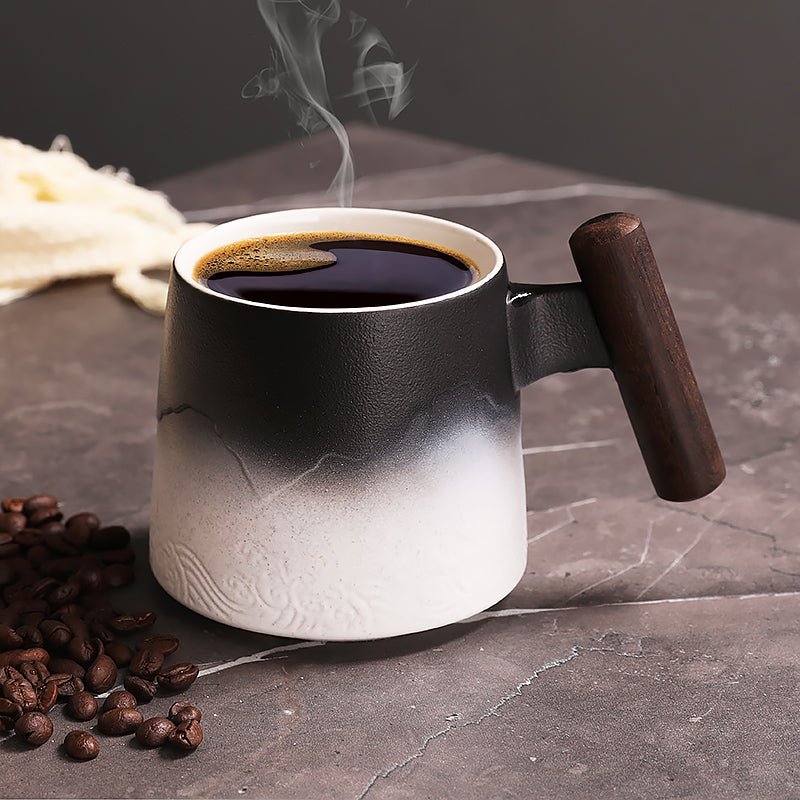
A handmade mug shows its character the moment you pick it up. The lip may be slightly thicker than a factory cup, the handle may sit a little differently in your fingers, and the glaze may shift from one side to the other instead of looking perfectly identical. That is exactly why shoppers compare carefully before buying.
At CoffeifyMug, we handle this category with the same questions our customers ask at the counter: Does it feel balanced? Will it fit under a brewer? Is the glaze smooth enough for daily use? If you are comparing handmade coffee mugs for your kitchen, office desk, or a gift, this guide breaks down the trade-offs we see most often in real orders and unboxings.
What makes handmade coffee mugs different from factory-made mugs?
Handmade mugs are usually shaped, finished, or glazed with more variation than mass-produced pieces. That variation is the appeal. No two are exactly alike, and buyers often want that one-of-a-kind feel for everyday coffee, not just display.
In our experience, the first thing people notice is the weight and balance. A handmade mug can feel more substantial in the hand, but that does not always mean better. Some are thicker at the base for stability; others are lighter and easier to hold during a long morning pour. The real question is whether the mug matches how you drink coffee.
Here are the differences shoppers should watch for:
- Form variation: The rim may be slightly rounded, flared, or uneven by design.
- Glaze variation: Color can pool, break, or shift in ways that create visual texture.
- Handle shape: A handmade handle may be narrower or more open than a standard diner mug handle.
- Wall thickness: Thicker walls hold heat well, but they can feel heavier in the hand.
That handmade character is a benefit if you want personality on the shelf. It is less ideal if you want every mug in a set to match exactly for an office kitchen or a highly uniform dining setup.
Which size works best for everyday coffee?
Size is where many buyers make the wrong trade-off. A mug that looks great online can feel too deep for a drip machine or too small for a milk-heavy drink. We suggest matching the mug to the way you actually drink coffee at home.
If you are still deciding on capacity, our size guides can help you compare typical use cases. For smaller daily drinks, our 8 oz Coffee Mugs: Size, Material, and Fit Guide is a useful starting point. If you prefer something closer to a standard home pour, read 12 oz Coffee Mugs: What to Check Before You Buy. For larger pours, milk drinks, or long desk sessions, our 16 oz Coffee Mugs: What to Check Before You Buy and 20 Ounce Coffee Mugs: What Buyers Should Check Before Ordering articles cover the practical side better than guesswork.
Here is the simple version we use in our store:
| Size | Best for | Common trade-off |
|---|---|---|
| 8 oz | Short espresso-based drinks or small pours | Too small for large milk drinks |
| 12 oz | Standard home coffee use | May feel modest for big morning pours |
| 16 oz | Longer drinks, tea, or office use | Can be too large for some brewers and hands |
| 20 oz | Big capacity needs and slow sipping | Heavier when full; not ideal for compact setups |
If your cabinet space is tight or your mug shelf is shallow, a smaller mug can be the smarter buy. If you often add cream, foam, or extra hot water, the larger sizes make more sense. Handmade coffee mugs are not always a “one size fits all” product, and that is part of the buying decision.
Which materials and finishes hold up best for daily use?
Most handmade coffee mugs are ceramic, stoneware, or earthenware, and each behaves differently. Stoneware is usually the most forgiving for everyday kitchen use because it tends to feel sturdy and substantial. Earthenware can have a warmer handmade look, but it may be a little more porous if the glaze or firing is not suited to frequent washing. Porcelain often feels lighter and more refined, though it can vary in thickness depending on the maker.
One detail many shoppers miss is the glaze finish. A matte glaze can look beautiful on a shelf, but it may show coffee marks or tea staining more visibly than a glossy interior. A glossy glazed interior is usually easier to rinse clean after a latte or black coffee. If you like textured exteriors, check whether the texture is purely decorative or if it creates a rough feel against the hand.
We also advise buyers to check the inside of the mug. A smooth, evenly glazed interior is easier to clean and less likely to trap residue. Unfinished or partially glazed bottoms are common in handmade pieces, and that is normal, but the drinking surface itself should be well finished.
If you are comparing handmade mugs to broader retail options, our article Amazon Coffee Mugs: How to Compare Materials, Sizes, and Everyday Use is useful for seeing how handmade pieces differ from mass-market listings. Handmade mugs usually offer more character, but mass-produced mugs may offer tighter uniformity.
What should you check before buying a handmade mug online?
Photos can hide the practical details. A mug that looks perfect in a styled image may still have a handle opening that feels tight, a base that wobbles on a flat counter, or a rim that looks lovely but feels thick when you drink from it. These are not always defects; they are the kinds of design choices handmade mugs bring with them.
Before you order, we recommend checking these points:
- Rim comfort: A mug should sip cleanly, not feel sharp or bulky at the mouth.
- Handle clearance: Make sure your fingers fit comfortably, especially if you use your mug at a desk for long stretches.
- Base stability: A flat, steady base matters on kitchen counters and side tables.
- Weight when full: A thick handmade mug can become tiring if you carry it across the house often.
- Interior glaze: Look for a smooth drinking surface that rinses clean easily.
- Dishwasher and microwave guidance: Read the care notes closely before assuming compatibility.
We have seen a lot of returns and customer questions come down to this one thing: the mug matched the buyer’s style, but not their routine. A handmade mug is a better buy when you understand the small compromises before it arrives.
How do you care for handmade coffee mugs without damaging them?
Care depends on the clay body, glaze, and firing, so there is no single rule for every mug. That said, many handmade mugs stay in better shape when treated like everyday kitchen pieces rather than heavy utility ware. If the maker says dishwasher safe, we still suggest putting the mug where it will not knock against metal utensils or other cups during the cycle.
For mugs with matte finishes or textured exteriors, hand washing can help preserve the look longer. If a mug has a reactive glaze, tiny variations in color are part of the finish, but rough scrubbing can make the surface look worn sooner than necessary. We also avoid sudden temperature shocks, such as taking a cold mug straight to boiling liquid, because that is where some ceramics can show stress over time.
Simple care habits that help:
- Let the mug cool before washing if it has been filled with very hot liquid.
- Use a soft sponge for glazed interiors and decorative exteriors.
- Do not stack heavy mugs tightly if the rims are delicate or handmade.
- Check for hairline cracks before microwaving or reusing a mug after a drop.
Handmade coffee mugs are not the best choice for someone who wants a nearly indestructible camp-style cup or a mug that can be tossed around a busy break room without thought. For that kind of use, a simpler, heavier-duty style may fit better.
Are handmade coffee mugs good gifts?
Yes, with one condition: the recipient should appreciate design details and regular use. Handmade mugs make strong gifts because they feel personal right away. They work well for birthdays, housewarmings, teacher gifts, and office exchanges, especially when you want something that does not feel generic.
In gift unboxings, people usually react to three things first: the shape, the glaze, and the handle comfort. A mug with a beautiful finish but an awkward grip can be disappointing after the first coffee. That is why we tell shoppers to think beyond color alone.
Handmade mugs are especially good for:
- People who keep a favorite mug on the counter every morning
- Gift recipients who like artisan kitchenware
- Home offices where a mug sits beside a laptop all day
They are less ideal for recipients who want matching sets, highly minimal designs, or pieces that all stack neatly in a crowded cabinet. If your shopper profile values utility first, a more uniform style may be the safer gift.
How do handmade mugs compare with larger-capacity options?
Buyers often start with style and end with capacity. That shift is normal. A handmade mug can look perfect in photos and still be the wrong size for a latte drinker or someone who takes coffee to a desk and sips for an hour.
If you are considering larger mugs specifically, our A buyer's guide to large capacity coffee mugs gives a practical comparison of size, comfort, and daily use. A larger handmade mug can be a great choice for tea, cocoa, or milk-heavy coffee drinks, but it will usually feel heavier and take longer to cool. That is good for slow sippers. It is not as good for fast coffee drinkers who want a lighter cup they can pick up and set down often.
As a rule, we suggest matching the mug to the drink, not the other way around. The best handmade mug is the one that feels natural during a normal weekday morning, not just the one that looks best in a product photo.
Frequently asked questions
Are handmade coffee mugs dishwasher safe?
Some are, some are not. Always check the maker’s care guidance because the clay body, glaze type, and finishing details matter. If a mug has a matte exterior or delicate hand-applied decoration, hand washing is usually the safer choice for long-term appearance.
Do handmade coffee mugs keep coffee hot longer?
They can, especially if the mug has thicker walls and a heavier ceramic body. That said, shape and wall thickness matter more than the word “handmade” itself. A thick stoneware mug usually retains heat better than a thin lightweight cup.
Why do handmade mugs sometimes have small imperfections?
Small variations are part of the category. Slight glaze movement, tiny shape differences, or uneven color transitions are often what make a mug feel handmade rather than machine-made. Real defects are different: wobbling bases, rough drinking rims, or visible cracks are the things to watch for.
What size handmade mug is best for daily coffee?
For most buyers, 12 oz is the easiest starting point. It handles a standard drip coffee without feeling oversized, while still leaving room for milk or cream. If you prefer larger drinks or spend a long time at your desk, 16 oz may be the better fit.
Can handmade coffee mugs go in the microwave?
Many can, but not all. Some glazes, metallic accents, and certain clay bodies are not microwave-safe. We recommend checking the product notes before microwaving, especially if the mug has decorative finishes or feels unusually dense.
If you are ready to compare options, start by matching size, handle comfort, and care instructions to your routine. Then check our current selection on our products page or browse the full collection to see which handmade coffee mugs fit your daily pour.
More from our blog
Read more
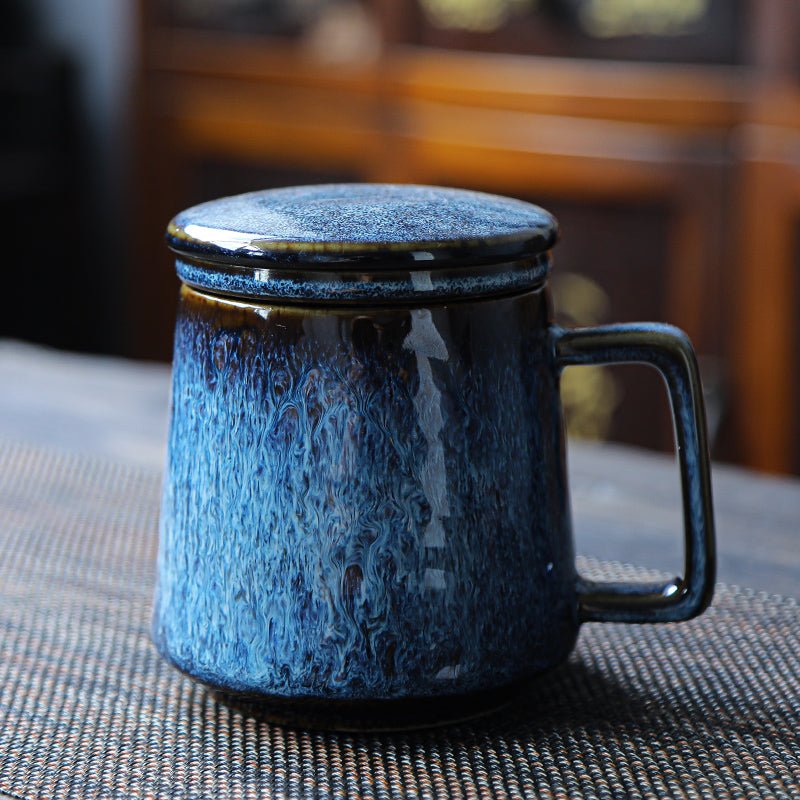
Flower Coffee Mugs: How to Choose the Right One for Daily Use
A practical guide to flower coffee mugs that compares everyday usability, gift appeal, materials, and care. We break down what actually matters before you buy, including size, finish, and where flo...
Weiterlesen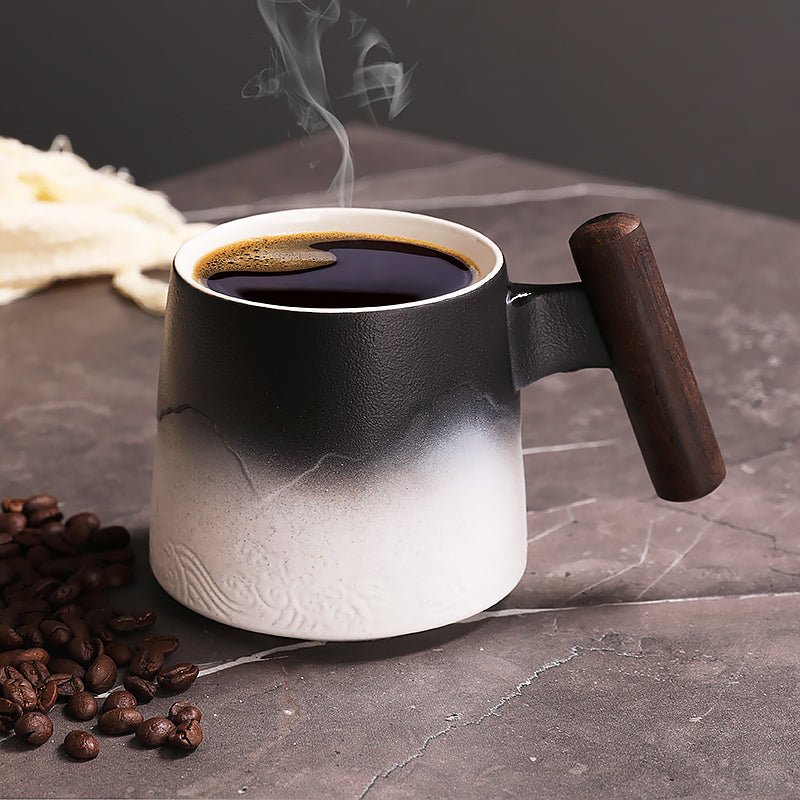
Cobalt Blue Coffee Mugs: What Buyers Should Check Before Ordering
A practical guide to cobalt blue coffee mugs, covering glaze finish, size, material, and everyday use so you can choose a mug that fits your routine and looks good on the counter.
Weiterlesen
Hinterlasse einen Kommentar
Diese Website ist durch hCaptcha geschützt und es gelten die allgemeinen Geschäftsbedingungen und Datenschutzbestimmungen von hCaptcha.