
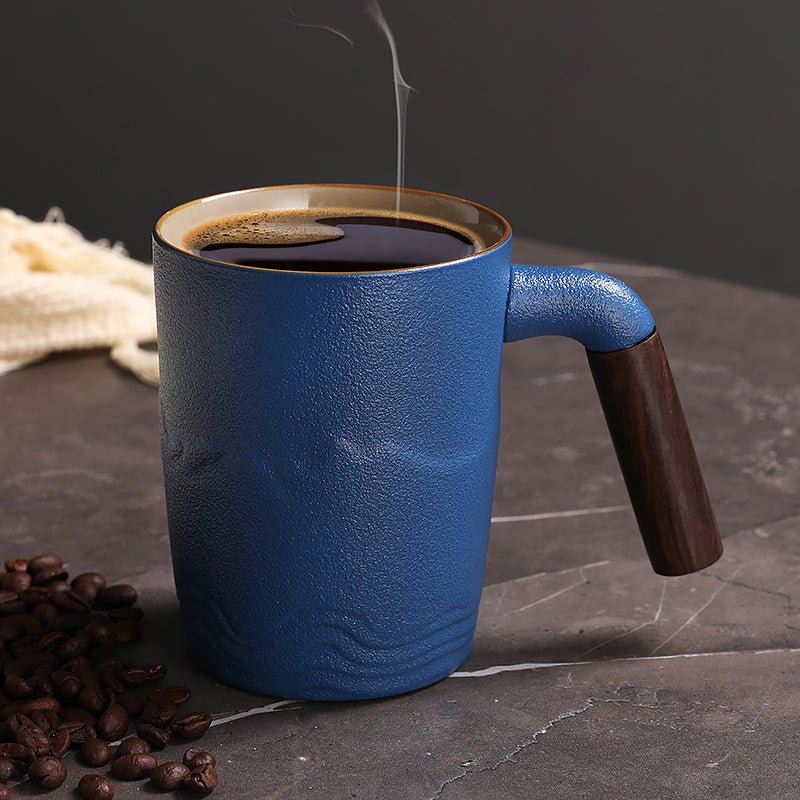
Guggenheim Coffee Mug Guide: What to Look for Before You Buy
Reading time: about 9 minutes
A mug can look right in the photo and still feel wrong on the kitchen counter. The handle pinches. The rim feels thick. The print is pretty, but the cup is awkward once you actually pour coffee into it.
That is usually the real buying question behind a guggenheim coffee mug search: shoppers want an art-forward mug with a clean, display-worthy look, but they also want something they will reach for on a Tuesday morning. In our store, we see both use cases every day. Some buyers want a gift that looks curated. Others want a mug that sits well on a desk, takes heat well, and does not feel flimsy after a few dishwasher cycles.
If you want to compare mug styles with that balance in mind, start with our Koi Fish Coffee Tea Mug, The Crane Coffee Tea Mug, or Landscape Coffee Tea Mug. You can also browse the full range in our collection of all mugs if you are comparing styles side by side.
What are buyers usually looking for in a guggenheim coffee mug?
Most shoppers are not just hunting for a name. They are looking for a mug with a museum-shop feel: graphic enough to stand out, refined enough to gift, and practical enough to use without treating it like a shelf piece.
That usually means a few things matter more than the label on the listing:
- Artwork placement: the design should feel intentional, not crowded by the handle or cut off at the seam.
- Rim comfort: a smooth drinking edge matters more than most product photos suggest.
- Handle clearance: fingers should fit without scraping the mug body, especially if you drink hot coffee.
- Glaze quality: a clean glaze helps the mug look polished and also makes cleanup easier.
- Everyday weight: too light can feel cheap; too heavy gets annoying on a desk or in a meeting.
If your goal is a mug that feels like a thoughtful art object but still belongs in daily rotation, keep those details in front of the design theme. That is the difference between something you admire once and something you actually keep by the machine.
Which details separate a good mug from a gift-only mug?
We inspect mugs the same way a buyer ends up using them: on a counter, under bright kitchen light, and after repeated washes. The issues that show up fastest are small, but they matter.
Here are the details we look for before we recommend a mug in this category:
- Handle shape: a handle that is too narrow can hurt after a long pour, especially with a fuller cup.
- Foot ring finish: the base should sit flat and not scrape a table. A rough foot ring is a common annoyance.
- Print registration: artwork should be centered and crisp. Off-center graphics make an otherwise nice mug feel rushed.
- Glaze consistency: pinholes, specks, or uneven shine can happen in ceramic production. Small variations are normal, but obvious defects are not ideal on a gift item.
- Rim thickness: a very thick rim can make a mug feel bulky. A very thin rim can feel delicate in the wrong way.
For art-inspired mugs, these details matter because the design is part of the value. A strong image can still lose the sale if the cup feels awkward in the hand or if the print looks poorly aligned in person.
That is also why we do not treat every decorative mug the same. A display-first piece and a daily-driver mug are not identical products, even if they share the same artwork style.
What size should you choose for daily coffee?
Size changes the whole experience. A mug that feels perfect with tea can feel too small for drip coffee with milk. A larger mug can solve that, but it also adds weight and can be harder to sip comfortably at a desk.
For buyers comparing common mug sizes, these guides are useful: 10 oz Coffee Mug: Size, Fit, and What to Check Before You Buy, 11 oz Coffee Mug: Size, Fit, and What to Check Before You Buy, and 12 Ounce Coffee Mug Buying Guide for Daily Use and Better Fit.
| Size | Best for | Trade-off |
|---|---|---|
| 10 oz | Smaller coffee pours, tea, espresso-based drinks with less milk | Less room if you like a larger morning cup |
| 11 oz | Standard drip coffee, office desks, everyday use | Not as roomy for heavy cream or big pours |
| 12 oz | Longer sipping sessions, more milk, larger casual drinks | Can feel bulkier in a smaller hand |
If you are buying this as a gift, 11 oz is usually the safest middle ground. If the recipient drinks a lot of milk-based coffee, 12 oz gives more breathing room. If they like a tighter, more compact cup, 10 oz feels more controlled on a desk or tray.
Our advice is simple: match the mug to the drink, not to the photo.
How do our art-inspired mugs compare if you want that museum feel?
If you are using the phrase guggenheim coffee mug because you want an art-museum mood more than a literal souvenir, we would compare the options by visual temperament rather than by hype.
- Koi Fish Coffee Tea Mug: a stronger choice if you want motion and color that reads clearly from across a room.
- The Crane Coffee Tea Mug: a calmer option if you prefer a cleaner, more restrained presentation.
- Landscape Coffee Tea Mug: a good fit if you want a broader, scenic feel that looks at home on a desk or shelf.
In our experience, the right choice depends on where the mug will live. A kitchen counter can handle bolder artwork. A work desk often benefits from a cleaner design that does not fight the rest of the setup. A gift box needs a mug that looks finished from the first unboxing moment.
If you are still comparing styles, our full mug collection is the fastest way to scan the visual direction before narrowing down. That is usually more helpful than making a decision from one thumbnail.
What should you expect from care and durability?
Care is where a lot of glossy product pages get vague. A decorative mug can be perfectly fine for coffee and still need a little more attention than a plain utilitarian cup.
For most ceramic mugs, these are the practical checks we use:
- Dishwasher use: if the product page does not clearly say it is dishwasher-safe, hand washing is the safer default for printed artwork.
- Microwave use: avoid microwaving mugs with metallic accents or finishes that are not meant for heat.
- Thermal shock: moving a hot mug straight into cold water can stress the ceramic and lead to hairline cracks over time.
- Abrasive cleaning: rough scrub pads can dull the glaze and wear down printed surfaces faster than normal washing.
Common wear points on ceramic mugs are usually easy to spot once you know where to look: a rough foot ring, tiny glaze pinholes, faint crazing lines in the finish, or image wear near the rim from repeated washing. None of that is unusual for decorated drinkware, but it is exactly why buyers should read the care details before they buy.
This is also where trade-offs become real. A highly decorative mug can be more satisfying to unbox, but a plain mug can sometimes be easier to live with every day. If you want the art look without babying the cup, keep the design simple and the finish durable.
For a deeper fit check before you choose a size, our article on 10oz Coffee Mug: Fit, Materials, and What to Check is a useful companion read.
Which mug is not the right choice?
A guggenheim coffee mug is not the best pick for every buyer, and that is worth saying plainly. If you want a travel mug with a lid, a commuter cup that fits a car holder, or a very large latte vessel, a decorative ceramic mug is the wrong category.
It is also not ideal if your first priority is feather-light weight. Ceramic gives you a more substantial feel, but it will never disappear in the hand the way a thin travel cup might. And if you are buying for a very small cabinet or an overpacked office shelf, size and handle clearance matter more than artwork.
On the other hand, if you want a mug for a home desk, a calm kitchen routine, or a gift that feels more considered than a generic souvenir, this category makes sense. That is why we keep emphasizing the basics: size, handle comfort, glaze, and care.
Frequently asked questions
Is a guggenheim coffee mug good for everyday use?
Yes, if the mug has a comfortable handle, a smooth rim, and a size that matches your usual drink. The design should be part of the value, not something that makes the mug awkward to wash or hold. If you want something purely decorative, you can prioritize artwork over capacity; if you want a daily mug, choose comfort first.
What size should I choose if I drink drip coffee with milk?
For most buyers, 11 oz is the safest starting point, and 12 oz is better if you like extra milk or a longer pour. A 10 oz mug can work, but it feels tighter once you add creamer. If size is your main question, compare it against our size guides before choosing.
Are printed ceramic mugs safe for the microwave and dishwasher?
That depends on the finish and the decoration method. If the product page does not clearly say it is microwave- and dishwasher-safe, treat hand washing as the safer choice, especially for graphic mugs. Avoid metallic accents in the microwave and use gentle cleaning to keep the print looking sharp.
What should I check before buying a decorative mug online?
Check the handle shape, listed capacity, care instructions, and how the artwork is placed on the mug. Look closely for product photos that show the mug from multiple angles, not just the front. That is the fastest way to avoid a mug that looks good on the listing but feels wrong in your hand.
Is a museum-style mug a good gift?
Usually yes, as long as the recipient likes art or has a clean desk or kitchen style. It is a stronger gift than a generic novelty mug because it feels chosen, not random. Just make sure the size is appropriate, since a gift that looks great but drinks too little can miss the mark.
If you are comparing options now, use this quick checklist: choose the right size, confirm the care method, inspect the handle shape, and decide whether you want a bold or restrained design. Then move to our all mugs collection and pick the style that fits how you actually drink coffee, not just how it looks in a thumbnail.
Read more
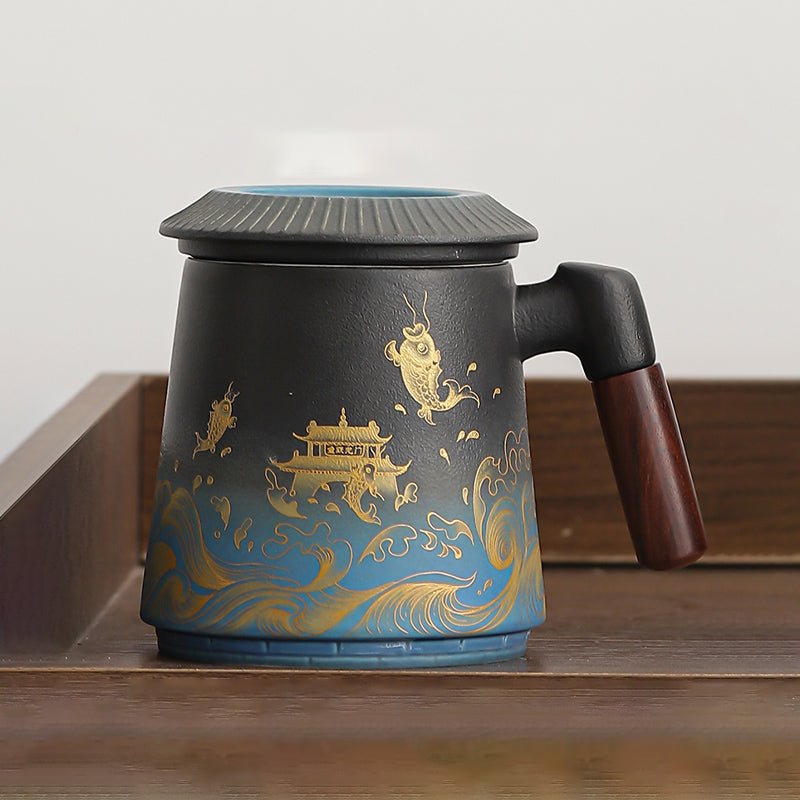
Frida Kahlo Coffee Mug Buying Guide: Style, Size, and Quality
A Frida Kahlo coffee mug should do more than look artistic. We break down print quality, mug size, care, and gift value so you can choose one that works on a real kitchen counter or desk.
Weiterlesen
LA Rams Coffee Mug Buying Guide: Size, Material, and Gift Picks
A practical guide to choosing a LA Rams coffee mug that fits daily coffee use, gifting, and easy care. We cover size, handle comfort, durability, and which styles make sense for real kitchens and d...
Weiterlesen
Hinterlasse einen Kommentar
Diese Website ist durch hCaptcha geschützt und es gelten die allgemeinen Geschäftsbedingungen und Datenschutzbestimmungen von hCaptcha.