
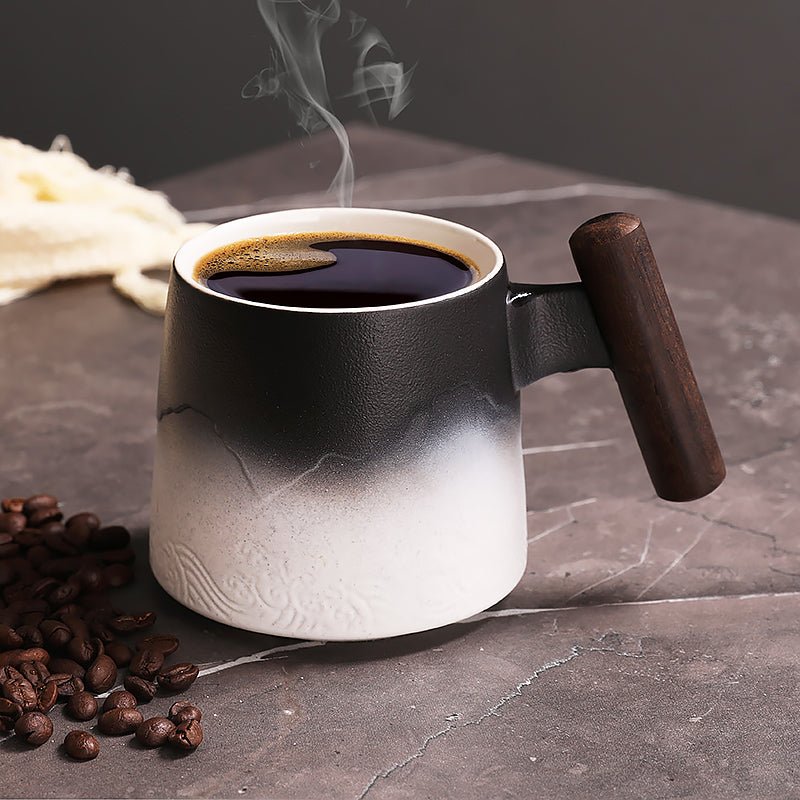
Good Coffee Mugs: How to Choose the Right One for Daily Use
Reading time: about 9 minutes
A mug feels right or it does not. The handle digs into your fingers, the rim feels too thick, or the cup looks great but turns awkward after a few refills at your desk. That is usually where good coffee mugs separate from mugs that just photograph well.
In our store, we look at coffee mugs the same way buyers do at home, in the office, and in gift boxes: how they feel in the hand, how much coffee they actually hold, and how they hold up after repeated use. If you want a broader look at styles before you buy, start with our full mug collection. If you care more about design than plain utility, our guide to cool coffee mugs that look good and work every day is a useful companion read.
What makes good coffee mugs actually good to use?
A good coffee mug is not just a container. It needs a stable base, a handle that clears your knuckles, a rim that feels comfortable on your lips, and a size that matches the way you drink coffee. That sounds basic, but many mugs miss at least one of those points.
Here is what we check when we handle mugs for our own product selection:
- Balance: A mug should sit flat and feel steady when full. Tall, narrow mugs can tip more easily on crowded counters.
- Handle clearance: If the handle opening is too small, two fingers may fit but the mug still feels awkward when hot.
- Rim comfort: A thinner, smoother rim usually feels better for everyday sipping than a bulky edge.
- Heat behavior: Ceramic and stoneware stay comfortable to hold longer than metal, but they also cool coffee at different rates.
- Finish quality: Glaze, print placement, and evenness around the handle matter because chips, rough spots, and print wear show up fast with daily washing.
Those details sound small. They are the difference between a mug that stays in rotation and one that gets pushed to the back of the cabinet.
Which material should you choose for daily coffee?
Material changes how a mug feels, how long it stays hot, and how much maintenance it needs. Most shoppers narrow this down to ceramic, stoneware, or occasionally glass. Each one has a place, but none is perfect for every buyer.
| Material | What it does well | Trade-offs |
|---|---|---|
| Ceramic | Common, versatile, usually comfortable in hand, easy to print or glaze well | Can chip if banged against sinks or counters; heat retention is moderate |
| Stoneware | Feels solid, often thicker and more substantial, good for daily kitchen use | Heavier than ceramic; thickness can make the mug feel bulky for small hands |
| Glass | Lets you see the drink, good for layered coffee or presentation | Usually less forgiving on temperature and more fragile in real kitchen use |
For most people buying good coffee mugs for home or office use, ceramic or stoneware is the safest choice. If you need a mug that lives near a sink, gets used by different people, and goes through dishwasher cycles often, those materials usually make more sense than delicate novelty glass. If you want to compare print durability specifically, our article on photo coffee mugs explains what tends to hold up and what tends to wear first.
One limitation: thicker stoneware can keep a drink warmer, but it can also feel too heavy for someone who prefers a lighter cup. That is not a flaw. It is a match issue.
What size mug fits your coffee habit?
Size is where a lot of buying mistakes happen. A mug that looks perfect online can feel too small for a long morning pour, or too large if you only drink a short cup and do not want it to cool slowly.
We group size choices by how they get used, not just by capacity labels:
- 8 oz: Better for smaller servings, espresso-based drinks, or people who want a compact cup. See our 8 ounce coffee mugs guide for the details buyers often overlook.
- 12 oz: A common everyday size for standard drip coffee and tea. Our 12 oz coffee mugs guide covers what to check before ordering.
- 16 oz: Useful if you like a fuller pour, add milk, or want room for a larger serving without spill risk. We break down the practical points in our 16 oz coffee mugs guide.
- 20 oz: Best for people who want one mug to cover a long work session or a generous refill. If that sounds like your routine, read our large capacity mug guide and our related 20 oz coffee mugs article.
Here is the plain trade-off: smaller mugs cool faster but fit a simpler pour. Larger mugs reduce refill trips but add weight and can feel unwieldy if the handle is cramped. If a buyer says, “I want one mug for everything,” we usually push them to think about their actual pour size first, not the label on the listing.
Which details affect comfort more than people expect?
The small features are often the ones you feel every day. A mug that looks clean in photos can still be annoying if the handle angle is wrong or the glaze makes the surface slippery after washing.
These are the details we pay attention to in our experience handling mugs for the store and for real customer use:
- Handle shape: Round, squared, and open-loop handles all feel different. A wider handle is usually easier for bigger hands or for people who drink while standing.
- Wall thickness: Thicker walls can make a mug sturdier and better at holding heat, but too much thickness makes the mug feel heavy and bulky.
- Base diameter: A wider base helps stability on office desks, side tables, and crowded kitchen counters.
- Interior glaze: A smooth interior is easier to clean after coffee oils, milk residue, or hot chocolate. Rough or uneven glazing tends to stain sooner.
- Dishwasher and microwave use: If you wash mugs daily, a simple glaze and durable print placement matter more than decorative extras.
Good coffee mugs should also survive ordinary life. That means being set down on a counter too hard, stacked in a cabinet, and washed more than the seller expected. We do not treat that as abuse. That is normal use.
If you are buying for an office kitchen, choose the mug that is easiest to identify, easiest to wash, and least likely to chip when stacked. The prettiest mug is not always the best office mug.
Which good coffee mug is right for gifts, home use, or the office?
The right mug depends on where it will live. A gift mug needs a stronger visual point of view. A home mug needs daily comfort. An office mug needs durability and easy cleanup.
Use this simple buyer filter:
- For gifts: Choose a mug with a clean print, a memorable shape, or a design that feels personal. If the gift is photo-based, our photo mug guide helps you avoid prints that look flat or wear too quickly.
- For home: Prioritize handle comfort and capacity. You will notice those two things every morning.
- For office: Pick a mug that is easy to recognize, dishwasher-friendly, and not so tall that it becomes unstable near a keyboard or notebook stack.
- For casual entertaining: Consider a mug that matches the rest of the table setting but still feels solid enough for repeated use.
One honest limitation: a decorative mug with a bold print is not the best choice if you want the same mug to handle rough treatment day after day. A plainer ceramic mug usually lasts longer in shared spaces. Style and durability rarely peak at the same time.
If you want to browse our current options directly, the simplest starting point is our products page. It is the fastest way to compare shapes, sizes, and styles side by side.
How should you care for a mug so it lasts longer?
Most mugs fail slowly, not suddenly. You see hairline chips around the rim, faint staining near the bottom, or print wear on the part you touch most. Care does not make a weak mug strong, but it can stretch the useful life of a good one.
We recommend this basic routine for everyday mugs:
- Wash soon after use if coffee or tea sits in the cup for hours.
- Do not shock a hot mug with cold water right after pouring out the drink.
- Avoid scraping the glaze with metal utensils if you stir sugar or protein powder into coffee.
- Check for chips at the rim and base before stacking mugs tightly.
- If the mug is printed, use gentler washing for the first few cycles when possible.
For buyers, the key question is not just “Will this mug survive?” It is “Will this mug stay pleasant after normal use?” A mug that chips easily or stains fast stops feeling like a good purchase even if it worked fine on day one.
Frequently asked questions
What size is best for good coffee mugs?
For most daily drinkers, 12 oz or 16 oz is the easiest place to start. 12 oz suits a standard cup of coffee, while 16 oz gives more room for milk, creamer, or a larger pour without feeling cramped.
Are ceramic mugs better than stoneware mugs?
Not always. Ceramic is often lighter and more common, while stoneware usually feels thicker and more substantial. If you want a lighter mug for quick use, ceramic can be better; if you want a heavier mug that feels solid on the desk, stoneware may be the better fit.
Can good coffee mugs go in the dishwasher?
Many can, but the real question is how the mug is finished. A simple glazed ceramic mug is usually easier to maintain than a decorative mug with a delicate print or special surface treatment. Always check the care details for the specific mug you choose.
What makes a coffee mug feel cheap?
Uneven glazing, a handle that is too narrow, a base that wobbles, and a rim that feels rough are common signs. A mug can look fine in photos and still feel awkward in the hand, so the physical details matter more than the product title.
What should I buy if I want one mug for everyday use?
Look for a balanced ceramic or stoneware mug in the 12 oz to 16 oz range, with a comfortable handle and a smooth interior glaze. That combination usually covers home kitchens, office desks, and gift use without being too specialized.
If you are comparing options now, start with the capacity that matches your actual pour, then check handle comfort, material, and care instructions before you choose. That order saves most buyers from picking a mug that looks right but feels wrong after a week of use.
Read more
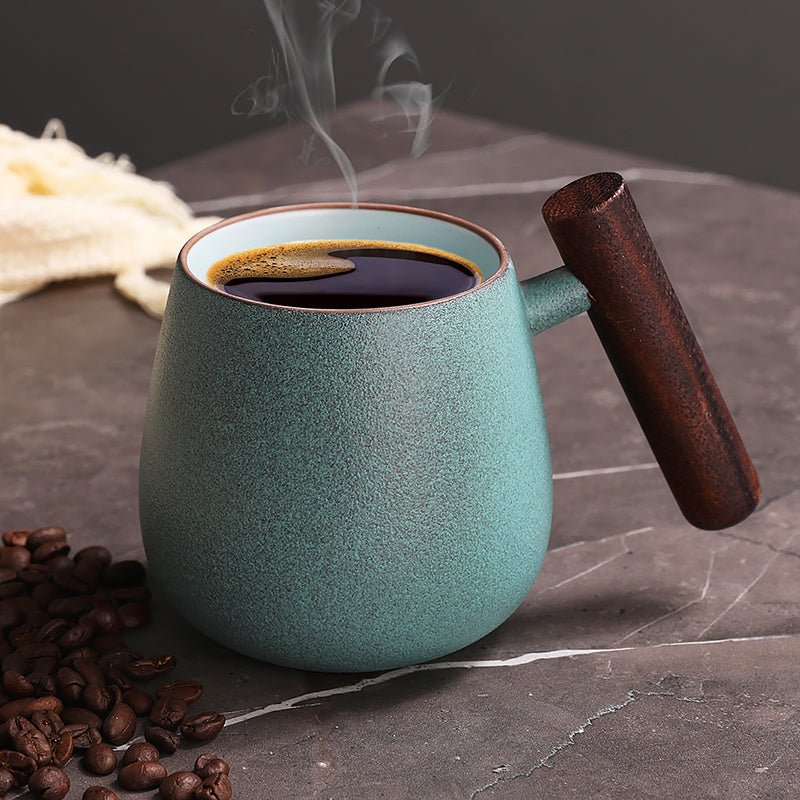
Leak Proof Coffee Travel Mug: What to Check Before You Buy
A leak proof coffee travel mug should survive a commute, a desk shuffle, and a bag ride without dripping. Here’s what actually keeps coffee in the mug and what usually fails.
Weiterlesen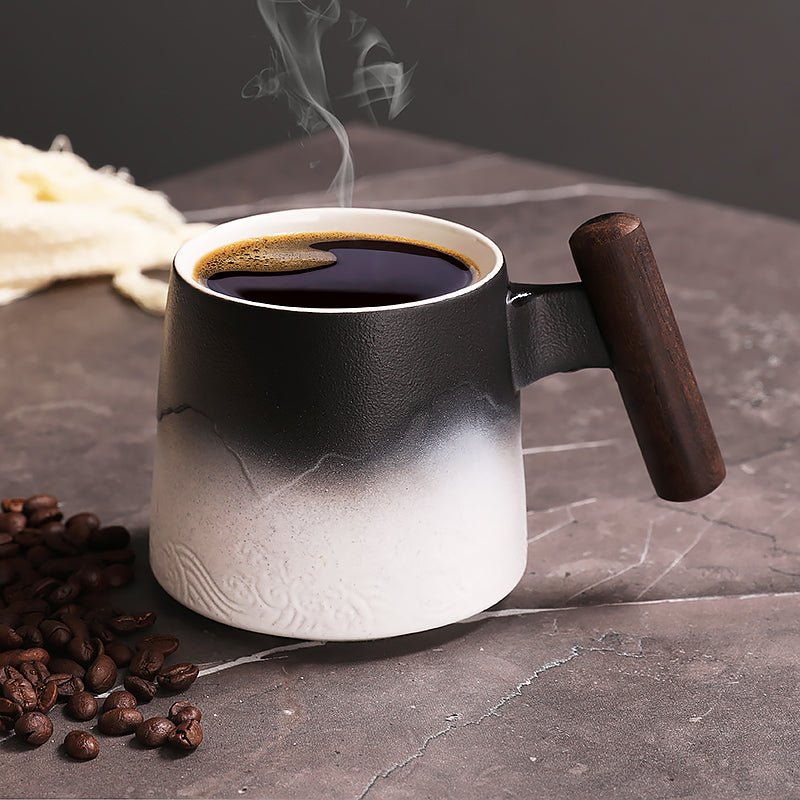
Coffee Mug Near Me: How to Choose the Right Mug Before You Buy
A practical buyer's guide for shoppers searching coffee mug near me, with real trade-offs on size, material, care, and where to compare options before you buy.
Weiterlesen
Hinterlasse einen Kommentar
Diese Website ist durch hCaptcha geschützt und es gelten die allgemeinen Geschäftsbedingungen und Datenschutzbestimmungen von hCaptcha.