
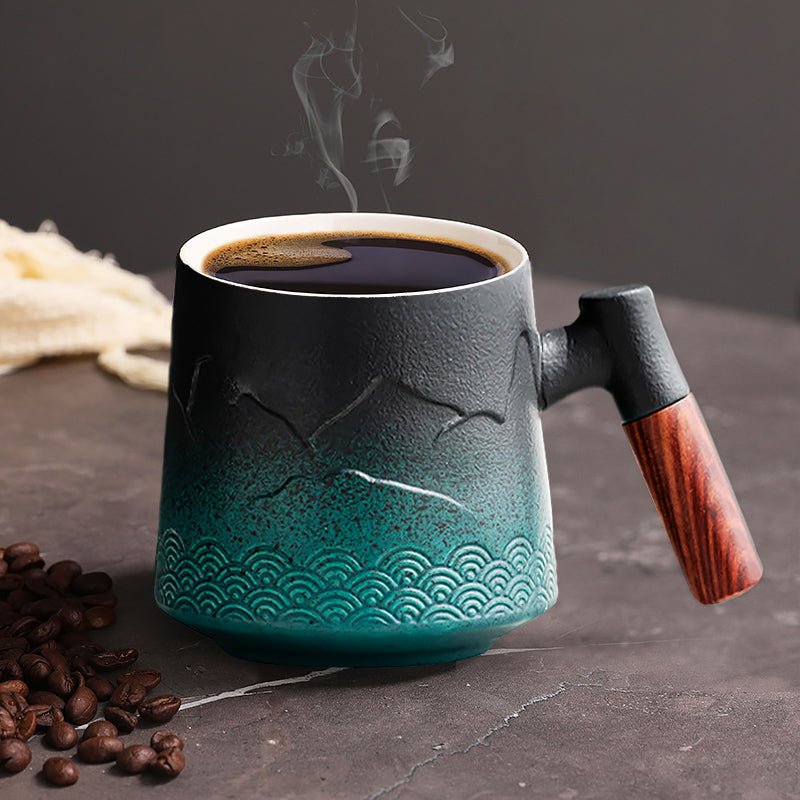
Glass Mug with Lid and Straw for Hot Coffee: What to Check
Reading time: about 9 minutes
A glass mug with lid and straw for hot coffee solves a real desk problem: you want to see your drink, cut down on spills, and keep sipping without lifting a loose cover every minute. The catch is that the wrong mug feels awkward fast, especially if the lid leaks, the straw gets too hot, or the glass is too thin for everyday use.
In our store, we treat this as a three-part check: the glass body, the lid, and the straw all need to match how you actually drink coffee. A pretty cup is easy to find. A usable one takes a closer look.
What problem does this mug actually solve?
This style makes sense for people who drink coffee slowly at a kitchen counter, office desk, or home workspace. The clear glass lets you see the drink level, which sounds minor until you are trying to judge how much milk is left or whether the mug needs a top-up. The lid helps reduce splashes from a quick walk across the room, and the straw lets you sip without fully opening the cup each time.
That said, a glass mug is not a vacuum-insulated tumbler. It will not hold heat the way a travel mug does, and it is not the best choice if you plan to throw it into a bag or drive with it in a cup holder. If spill-proof commuting is the real goal, our best travel coffee mug guide is the better comparison point.
If you are still deciding what kind of everyday mug suits you best, the basics in Best Coffee Mug: What Actually Matters for Daily Use and Best Mug to Drink Coffee: What Actually Works Every Day will help you compare the fit before you narrow down a style.
What should you check in the glass, lid, and straw?
We look at these mugs as a small system. If one part is weak, the whole cup feels cheap or annoying after a week on the desk. The details below are the ones shoppers usually miss until they have already ordered the mug.
| Part | What to check | Why it matters |
|---|---|---|
| Glass body | Heat-resistant glass, a flat base, and a rim that does not feel razor-thin | Thicker glass is less likely to chip from normal desk use and feels steadier in the hand |
| Lid | Snug fit, secure seal, and a drink opening that is easy to sip from | A loose lid can rock, leak, or pop off when you move the mug |
| Straw | Material, width, and whether it feels comfortable for the drink temperature | A straw that is too narrow clogs more easily; one that is too hard can be awkward with hot coffee |
| Capacity | Enough room for coffee plus milk, foam, or ice if you use them | A mug that is too small feels cramped, while a larger one can feel heavy in glass |
A few defect modes are worth checking for right away. Look for hairline cracks near the rim, a lid that sits unevenly, cloudy patches in the glass, and a straw hole that is too loose to stay centered. If you are buying as a gift, these are the details that turn a nice unboxing into a return.
For buyers comparing larger servings, our 20 oz Coffee Mug: What to Check Before You Buy article is useful, because size changes both the balance and the drinking experience. A 20 oz cup can be practical for long mornings, but it is not automatically the right answer for a glass mug with lid and straw for hot coffee.
Is a straw actually a good idea for hot coffee?
Sometimes. Not always. This is the main trade-off buyers should understand before they commit.
A straw works best when the coffee has cooled a bit, or when the drink is a latte, milk coffee, or iced coffee that is being finished slowly. For coffee that is still very hot, a straw can feel too warm in the mouth and may change how quickly you notice the heat. A lid without using the straw is often the safer move for the first few minutes.
Material matters here too:
- Silicone straws feel softer and are more forgiving on the teeth, but they can hold onto flavor if they are not cleaned well.
- Stainless steel straws are durable, but they can transfer heat quickly, which is not ideal with very hot coffee.
- Glass straws keep the look consistent, but they are more fragile and need more careful handling.
If you mostly drink black coffee straight out of the mug, a lid is the bigger win and the straw is a secondary feature. If you like a slower sip with milk, foam, or a drink that cools gradually on a desk, the straw starts to make more sense.
How do you clean and care for it without shortening its life?
Glass is simple to wipe down, but the lid and straw are where most of the maintenance lives. We have seen plenty of mugs look great on day one and then start smelling like milk or stale coffee because the hidden parts were not cleaned properly.
A practical care routine looks like this:
- Wash the glass soon after use so coffee residue does not dry along the rim.
- Remove the lid gasket or seal, if the lid has one, and wash that piece separately.
- Use a straw brush for the inside of the straw, especially after milk drinks.
- Dry the lid fully before reassembling it so moisture does not linger in the seal.
- Avoid rough scrubbers on the glass if you want to keep the surface clear and scratch-free.
If the manufacturer says the mug is dishwasher-safe, that usually helps with the glass body, but the lid can be more sensitive than the cup itself. We would still check the lid design before sending it through repeated dishwasher cycles. A cheap lid often warps or loosens sooner than the glass shows wear.
One more caution: do not move a glass mug from very cold to very hot conditions too quickly. Rapid temperature changes are how thin glass gets stressed. If the mug has been sitting in the fridge, let it come closer to room temperature before pouring in boiling liquid.
Which size and use case make the most sense?
For most desk setups, the sweet spot is usually a mug that feels stable and easy to lift with one hand. A lot of shoppers end up preferring a moderate size for this style because the lid and straw add enough height and weight on their own.
Here is the simplest way to think about use case:
- Home desk or kitchen counter: a glass mug with lid and straw works well if you sip slowly and want to see the drink level.
- Gift buying: this style looks polished in a box, especially if the lid sits neatly and the straw matches the cup.
- Commuting: this is usually the wrong category; a sealed travel mug is the better tool.
- Large pours: if you like bigger servings, compare the feel against a larger format before deciding, because glass weight becomes noticeable fast.
For shoppers who are drawn to bigger cups, our Big Coffee Cups: What to Check Before You Buy a Large Mug guide explains why larger mugs can be comfortable on paper but less pleasant in the hand after a full pour. That is especially true with glass, where thickness and balance matter more than they do in plastic.
If your main goal is just a dependable everyday coffee vessel, not a novelty, then size, lid fit, and easy cleaning matter more than the style itself. That is the same lens we use across the category.
What is this mug not good for?
It is not the right choice for every coffee drinker. A glass mug with lid and straw for hot coffee is usually not ideal if you need all-day heat retention, sealed leak protection, or a mug that can ride in a bag without worry. It is also not the best pick for someone who only wants to gulp down very hot black coffee and move on.
It can also be a poor fit if you dislike washing multiple pieces. The cup is easy. The lid and straw are where the real upkeep lives. If you want a truly low-maintenance mug, a simpler ceramic mug may be easier to live with. If you want the safest option for the car or commute, a travel tumbler is still the better choice.
That trade-off is why we think the category works best for home use, office desks, and gift buyers who care about both appearance and everyday function. The mug should earn its place by being convenient, not just photogenic.
Frequently asked questions
Can I use a glass mug with lid and straw for very hot coffee?
You can, but it is better for coffee that has cooled slightly rather than liquid that is still near-boiling. The lid helps with splashes, but the straw can feel uncomfortably hot if the drink is too fresh. For the hottest pours, we would sip through the lid opening first or let the coffee cool a bit.
What straw material is best for hot coffee?
There is no perfect option for every buyer. Silicone is softer and usually the easiest on the mouth, stainless steel is durable but can get hot, and glass looks clean but is more fragile. If you mainly drink warm coffee, silicone is often the least fussy choice.
Is a lid on a glass coffee mug actually leakproof?
Usually no. A lid can reduce splashes and slow spills, but it is not the same as a sealed travel tumbler unless the product is specifically designed that way. If you need to toss the mug into a bag or carry it in a car, choose a true travel mug instead.
Can I put the lid and straw in the dishwasher?
Sometimes yes, but the lid design matters more than the glass itself. Heat can warp some plastic lids, and milk residue can hide in the seal or inside the straw. We recommend checking the care instructions and cleaning the gasket or seal separately when possible.
What size should I choose for a desk coffee mug?
For most people, a moderate size feels easier to handle than an oversized mug once it is filled with coffee. If you add milk or like a longer drink, a larger size can make sense, but the mug will feel heavier in glass. If you are unsure, compare the weight and capacity before choosing.
If you want to compare current options, start with our product lineup at products and then check the broader range in collections/all. The quickest buying test is simple: verify the glass thickness, make sure the lid sits snugly, confirm the straw material, and choose the size that fits your real coffee habit.
More from our blog
Read more

Cool Coffee Mugs That Look Good and Work Every Day
Some cool coffee mugs only work on a shelf. This guide breaks down the details we check in-store: material, size, handle comfort, dishwasher care, and which styles are worth buying for daily use or...
Weiterlesen
Coffee Mug with Lid: What Buyers Should Check Before They Order
A coffee mug with lid should keep heat in, cut desk spills, and still be easy to clean. We break down lid fit, materials, sizes, and the trade-offs that matter before you buy.
Weiterlesen
Hinterlasse einen Kommentar
Diese Website ist durch hCaptcha geschützt und es gelten die allgemeinen Geschäftsbedingungen und Datenschutzbestimmungen von hCaptcha.