
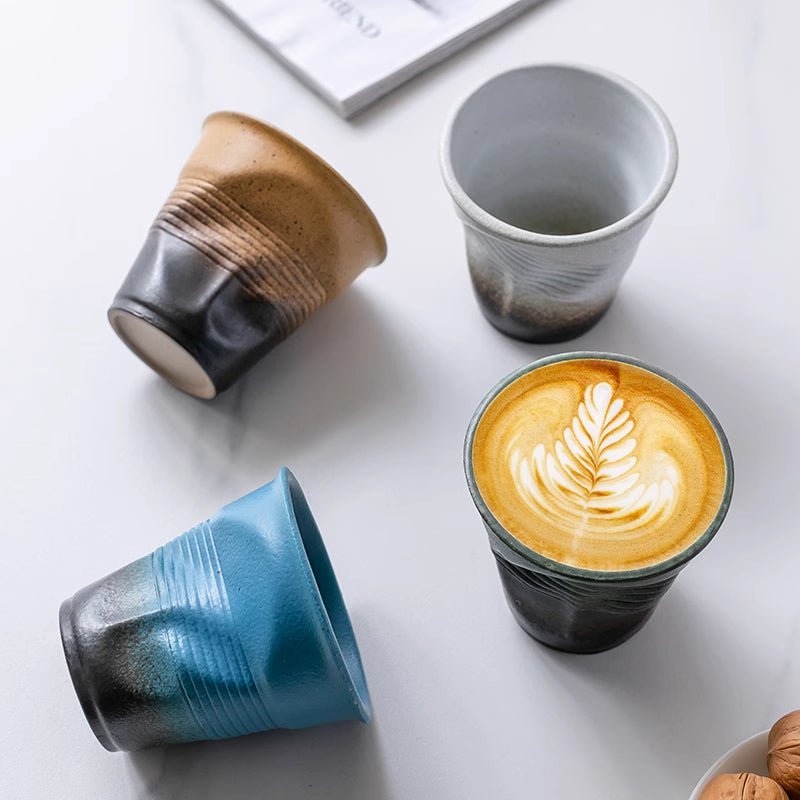
Fancy Tea Cups: What to Buy for Daily Use and Gifting
Reading time: about 9 minutes
A tea cup can look beautiful in a listing and still feel awkward the first time you pour boiling water into it. We see that mismatch a lot: shoppers want fancy tea cups for a gift, a shelf display, or a nicer daily routine, but they still need something that sits steady on a kitchen counter, cleans easily, and does not feel fragile after two dishwasher cycles.
That is the balance we care about in our store. A good tea cup should have a comfortable rim, a stable base, and a shape that feels intentional rather than decorative for decoration's sake. If the piece is too thin, too small, or too delicate, it stops being useful fast. If it is too heavy or clumsy, it gets left in the cabinet. The best picks land in the middle.
For shoppers comparing styles, our own product selection gives you a practical starting point. If you want a sculptural, giftable mug with a tea-friendly profile, take a look at the Planet Coffee Tea Mug. If you prefer a sharper geometric look, the Rhombus Coffee Tea Mug is a stronger visual statement. For something more playful and less traditional, the Handbag Coffee Tea Mug leans into novelty and works well as a gift piece or desk-side conversation starter.
What makes a tea cup feel fancy without making it impractical?
Fancy does not have to mean fragile. In practice, the pieces that sell well for us are the ones that look considered and still hold up to everyday use. The design cues matter, but they should not get in the way of drinking.
We look for a few concrete details before we recommend a cup:
- Body material: ceramic and porcelain are the most common for a reason. They hold heat well, feel balanced, and usually give you the cleanest sip.
- Rim shape: a thin, even rim usually feels better than a thick, chunky edge. It makes tea feel more polished without changing the drink.
- Base stability: a flat, even foot reduces wobble on smooth counters and office desks.
- Handle comfort: the handle should leave enough room for two fingers, especially if the cup will hold hot tea rather than just look decorative.
The trade-off is simple: highly ornate pieces often ask you to give up convenience. Tall handles, sculpted forms, metallic accents, and painted details can all look great, but they may need gentler washing or more careful storage. If you want something for a busy kitchen, keep the design special and the construction straightforward.
If you want a broader buying checklist before choosing, our article Fancy Tea Cups: What to Look For Before You Buy breaks down the practical checks we use before we add a style to our assortment.
Which style should you choose for daily tea, gifting, or display?
The right style depends on where the cup will live most of the time. A display shelf has different needs than a kitchen sink. A gift box has different needs than an office desk.
| Style | Best for | What to watch for |
|---|---|---|
| Sculptural mug shape | Daily tea with a design-forward look | Make sure the base is stable and the handle feels secure when full |
| Geometric form | Modern kitchens and office desks | Sharp corners can be striking, but they should not feel awkward to hold |
| Novelty statement piece | Gifting and display | These are often less stackable and not ideal if you need a full matching set |
For a buyer who wants fancy tea cups mainly for everyday use, we usually suggest a mug-style shape with enough volume for a proper pour and a handle that does not pinch. For someone buying a present, the visual impact matters more, especially during the unboxing moment. A unique silhouette can carry the gift even before the recipient tries the first cup.
That is also why some shoppers should avoid ultra-delicate, highly decorative cups. If you plan to use them at a busy breakfast table, a narrow base or very thin wall can become a liability. Those pieces may be lovely on a sideboard, but they are not always the best choice for repeat dishwasher use or hurried morning refills.
How do these styles compare in real use?
We think in terms of real routines: tea before work, tea between meetings, tea on a quiet Saturday, and tea that is unboxed as a gift. That is where the differences become obvious.
- Planet Coffee Tea Mug: a good fit if you want a rounded, balanced feel. This style suits people who like a cup that reads as special but still works for ordinary tea service.
- Rhombus Coffee Tea Mug: the right choice if you like cleaner lines and a more modern profile. It is a stronger match for minimalist kitchens, design-minded gifts, and shelves where shape matters.
- Handbag Coffee Tea Mug: best for shoppers who want something playful. It is not the first pick for someone who wants a classic tea service look, but it can be excellent as a gift or statement piece.
All three live in the same broader conversation: you are buying a cup that looks more considered than a basic diner mug. That said, none of these styles is ideal if you want a full formal tea service with matching saucers and a classic fine-bone-china presentation. If your goal is formal afternoon tea, a traditional cup-and-saucer set will suit you better.
To see the broader mix we carry, our all collections page is the easiest place to compare different cup shapes and designs side by side.
What details do we check before we recommend a tea cup?
Our store looks at the parts shoppers usually notice only after the cup arrives. That is where quality problems tend to show up.
- Glaze consistency: a smooth, even glaze usually cleans better and feels better in the hand.
- Rim finish: rough edges are a real issue. A cup can look attractive and still feel unfinished at the lip.
- Handle join: the handle should look integrated, not pasted on as an afterthought. Weak joins are one of the first places stress can show.
- Foot ring: an uneven foot can make a cup rock on a table, which is a small defect that becomes annoying quickly.
- Decoration placement: if the design sits too close to the rim or handle, it can wear more visibly over time.
Care is part of the buying decision too. A fancy tea cup with printed decoration, metallic trim, or a very polished glaze may need gentler washing. If the piece is meant for hand washing only, that is not a flaw. It just means you should not buy it expecting low-effort cleanup after every tea break. If dishwasher convenience matters more than design drama, keep the finish simpler.
For shoppers comparing style versus everyday durability, our other guides can help narrow the field. Fancy Cups: What to Buy for Daily Use, Gifting, and Display is useful if you are deciding between something decorative and something practical. If you also like the look of large-format drinkware, Large Cups for Tea: How to Choose the Right Size and Shape covers capacity and proportions in a way that helps avoid buying a cup that feels oversized or undersized for your routine.
Are fancy tea cups a good gift?
Yes, if the recipient actually drinks tea or likes display-worthy kitchen items. A fancy cup is one of those gifts that feels more personal than a generic mug, but it is also easier to misjudge if you do not think about the person's style.
We see the best results with gifts that match one of these situations:
- The person keeps a neat kitchen and enjoys having a few standout pieces on open shelving.
- The person works from home and likes a desk mug that feels more elevated than a standard office cup.
- The person already collects mugs or cups and appreciates a design that is different from the usual round ceramic shape.
It is not the best gift if the recipient is hard on dishware, stacks everything in a crowded cabinet, or prefers matching sets over statement pieces. In those cases, a simpler ceramic cup or a two-piece tea set will probably land better.
How should you decide before you buy?
Before you add a fancy tea cup to cart, compare the practical details first and the styling second. That keeps you from ending up with a piece that looks great in the photo but is awkward in hand.
- Check the intended use: daily tea, gifting, display, or all three.
- Look at the shape: rounded, geometric, or novelty.
- Think about care: dishwasher convenience versus hand-wash-only finishes.
- Inspect the comfort factors: handle size, rim feel, and base stability.
- Decide how much novelty you want: subtle, noticeable, or full statement piece.
In our experience, the happiest buyers are the ones who match the cup to a real habit. A morning tea drinker needs comfort and durability. A gift buyer needs visual impact and a style the recipient will enjoy unpacking. A collector may care more about the silhouette than the capacity. Those are different purchases, and they should be treated that way.
Frequently asked questions
Are fancy tea cups okay for everyday use?
Yes, as long as the cup has a stable base, a comfortable handle, and a finish that suits regular washing. We usually suggest avoiding very delicate decorative pieces for daily kitchen use, especially if you want something that can handle frequent tea breaks and quick cleanup.
What size works best for tea?
Most shoppers are comfortable with a moderate cup that feels generous without being oversized. A cup that is too small cools too fast and feels fragile in use, while a very large one can make tea feel more like a soup mug. The right size depends on how you drink tea: short and strong, or slower and more relaxed.
Are novelty tea cups a bad idea?
Not at all, but they are usually better as gifts or display pieces than as a primary everyday cup. Novelty shapes can be fun and memorable, yet they sometimes sacrifice stackability, balance, or easy cleaning. If you want something purely practical, a simpler mug shape is safer.
Should I choose porcelain or ceramic?
Both can work well. Porcelain often feels a bit more refined and can have a thinner wall, while ceramic tends to feel sturdier and more casual. If you want a fancy look with a practical feel, either can work as long as the glaze is even and the cup sits flat.
What should I avoid when buying fancy tea cups?
Avoid cups with rough rims, wobbly feet, or handles that feel too small for your fingers. Also be cautious with overly ornate finishes if you know you will wash the cup often or store it in a crowded cabinet. Beauty is useful only if the cup still works in real life.
If you are ready to compare styles, start with the three cups above, then use our all collections page to see what feels right for your kitchen, desk, or gift list. If you want the practical-first checklist behind the category, our fancy tea cups buying guide is the next best stop before choosing.
Read more
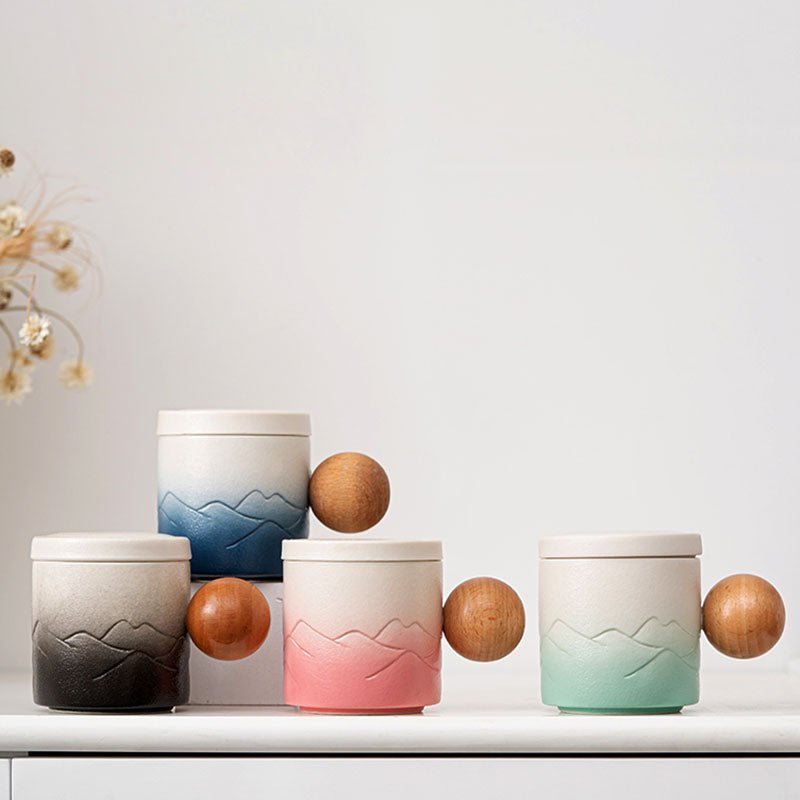
Coffee Cup Tall Buying Guide for Daily Coffee and Desk Use
A practical guide to choosing a coffee cup tall for home, office, or gifting. Compare shape, size, care, and the tall mugs that make sense for real daily use.
Weiterlesen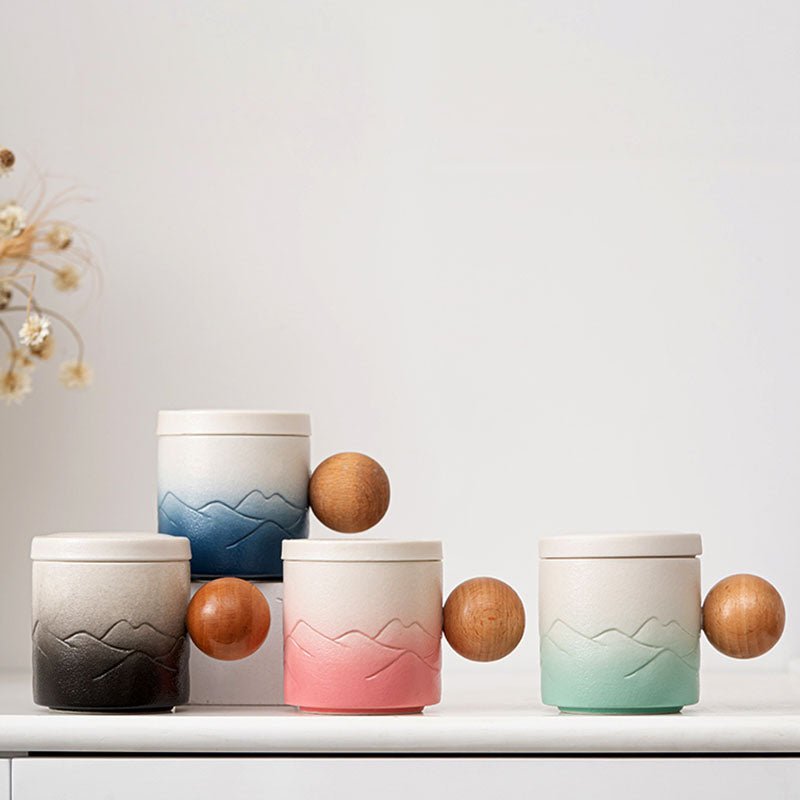
Chrismtas Mug Buying Guide for Giftable, Everyday Use
A practical chrismtas mug guide for shoppers who want something giftable and actually pleasant to use. We cover shape, comfort, care, and the trade-offs that matter after the wrapping paper comes off.
Weiterlesen
Hinterlasse einen Kommentar
Diese Website ist durch hCaptcha geschützt und es gelten die allgemeinen Geschäftsbedingungen und Datenschutzbestimmungen von hCaptcha.