
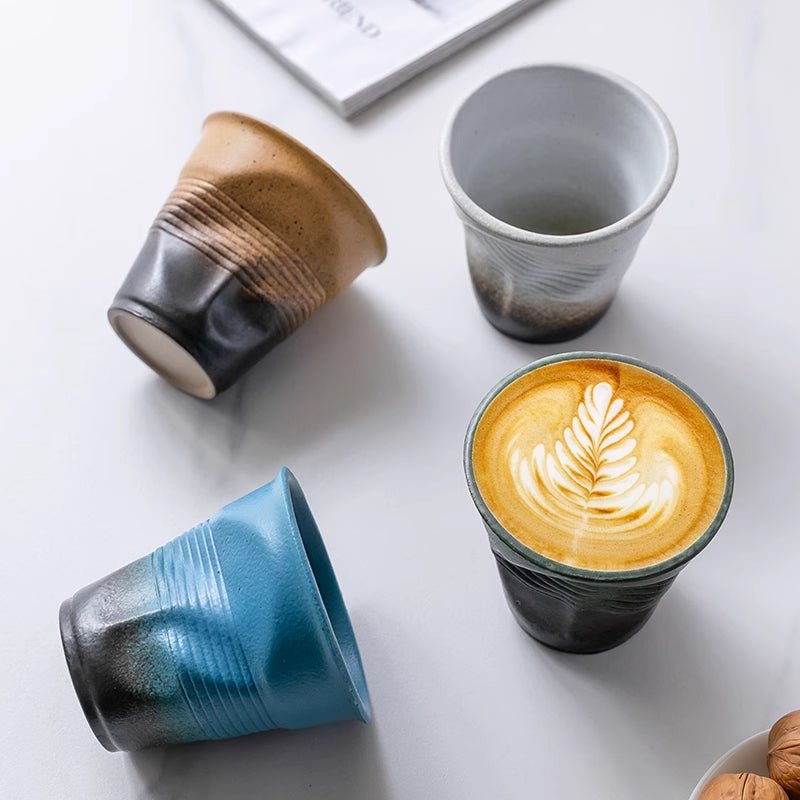
Fancy Tea Cups for Gifting, Display, and Everyday Tea
Reading time: about 9 minutes
A fancy tea cup has to survive more than a single unboxing photo. We see them on kitchen counters, office desks, and gift tables, and the same questions come up every time: does the rim feel comfortable, does the base sit flat, and will the finish still look clean after a few wash cycles?
In our store, we treat "fancy" as a mix of shape, finish, and usability. A cup can be decorative without becoming impractical. It can also be beautiful and still be the wrong choice if the handle is cramped, the opening is too narrow for herbal tea, or the glaze shows wear too quickly.
What should fancy tea cups actually feel like in your hand?
The first test is simple: pick it up and imagine drinking from it twice a day. A good cup should feel balanced, not top-heavy. The rim should feel smooth, the handle should leave enough space for two fingers if it has one, and the base should sit flat without rocking on a table.
We also look at how the shape changes the drinking experience. A wider opening releases aroma faster, which is useful for black tea and floral blends. A narrower opening keeps heat in a little longer, but it can feel less open and is not ideal for teas you like to sip quickly. Fancy tea cups are often judged by looks first, but real comfort comes from these small details.
| Buyer need | What to look for | What to avoid |
|---|---|---|
| Gift | Clean finish, stable base, packaging that protects the rim | Overly delicate handles if the recipient will use it every day |
| Daily use | Smooth glaze, comfortable grip, easy-to-clean interior | Rough seams, unstable foot rings, awkward proportions |
| Display | Distinct silhouette, polished details, cohesive color | Thin decorative trim that can wear quickly |
| Tea variety | Enough capacity for your usual pour, not just a small demitasse-style cup | A cup that looks elegant but is too small for your normal serving |
One small detail matters more than most shoppers expect: the lip. A thick, blunt lip can make a cup feel heavy and less refined. A very thin lip can feel elegant, but if it is too sharp or uneven, it becomes annoying in daily use. That is the kind of issue we notice immediately when we handle pieces in-store.
Which material is best for the way you drink tea?
Material changes everything about a fancy tea cup. Porcelain is a common choice because it tends to look refined, hold shape well, and show color clearly. Fine china pushes that lighter, more delicate look even further. Ceramic and stoneware feel sturdier in the hand, but they usually read more casual and can be a better fit for everyday use than for a formal table.
Glass tea cups are a different category entirely. They let you see the color of the tea, which is useful for green tea, herbal blends, and layered drinks. The trade-off is heat management. Glass can feel hotter to the touch, and it does not have the same warm, traditional feel as porcelain or ceramic. If you want a cup that looks ornate on a shelf and still gets used often, we usually suggest thinking carefully about that balance before buying.
Decoration also matters. Metallic trim, hand-painted accents, and applied embellishments can look excellent, but they often need gentler care. If the listing does not clearly say dishwasher-safe or microwave-safe, assume it is not the right piece for aggressive everyday use. That is not a flaw. It is just part of how decorative drinkware is made.
If you want a broader breakdown of that trade-off, our guide on Fancy Tea Cups: What to Look For Before You Buy goes deeper into the details we check before we add a new style to our store.
Which styles make the best gifts or display pieces?
Some buyers want a classic tea service look. Others want a cup that starts a conversation before the tea is even poured. That is where sculptural shapes matter. In our experience, the most memorable fancy tea cups are not always the most traditional ones. They are the pieces with a strong silhouette, a well-finished surface, and a shape that still works on a real table.
If you prefer something more distinctive than a standard round cup, our Planet Coffee Tea Mug, Rhombus Coffee Tea Mug, and Handbag Coffee Tea Mug show three different ways a cup can feel fancy without being fussy. One reads more sculptural, one leans geometric, and one works especially well as a gift because the shape itself does some of the talking.
That said, a dramatic silhouette is not for everyone. If you want matching saucers, a very formal tea service, or a cabinet full of coordinated pieces, a sculptural cup may not be the best fit. It can also be a poor choice if you prefer to stack your drinkware tightly or store everything in a small kitchen cabinet. The same shape that makes a cup memorable can make it less convenient.
For shoppers comparing decorative options across different use cases, our article on Fancy Cups: What to Buy for Daily Use, Gifting, and Display is a useful companion read, especially if you are deciding between something ornamental and something you will handle every day.
If you are browsing our broader range, the full collection is the fastest way to compare shapes side by side and see which styles fit your tea routine best.
What should you check before ordering online?
This is where a lot of buyers get caught. Photos make every cup look clean and balanced, but the real difference shows up in the product details. We recommend checking the same practical points we look at when evaluating inventory: dimensions, opening width, handle clearance, finish consistency, and care notes.
- Dimensions: Make sure the cup is large enough for the pour you actually drink. A small decorative cup may look elegant but feel impractical if you usually pour a full mug.
- Rim and lip: Look for a smooth edge with no roughness. A chipped or uneven rim is one of the first quality problems customers notice.
- Base stability: The cup should sit flat. A wobbly base can make even a beautiful piece feel cheap.
- Handle or grip: If the cup has a handle, check that your fingers fit without squeezing. If it is handleless, think about heat transfer and grip comfort.
- Finish quality: Watch for pinholes, thin glaze spots, crooked decoration, or visible seams. These are common defect modes that can reduce the feel of the piece even when the overall shape looks good.
- Care instructions: If you want low-maintenance use, confirm whether the cup is dishwasher-safe and microwave-safe. Decorative trim can change the answer.
The practical rule is simple: the prettier the cup, the more you should inspect the care instructions. Fancy tea cups can handle regular use, but not every decorative finish is meant for the same treatment. Hand-wash is often the safer call for pieces with metallic details or more delicate decoration.
If you are leaning toward larger serving sizes, our guide on Large Cups for Tea: How to Choose the Right Size and Shape is worth reading before you commit. A lot of buyers discover too late that they wanted capacity more than ornament.
Are fancy tea cups practical for everyday use?
They can be, but only if you choose the right type. A fancy cup works well for morning tea at a kitchen table, a calm afternoon break at a desk, or a gift that will actually be used. It is less useful if you need something rugged for hurried drinks, shared office kitchens, or constant dishwasher rotation.
Here is the honest trade-off:
- Good for: Home tea routines, gifts, display shelves, slow drinking, and making a small ritual feel special.
- Not ideal for: Travel, rough handling, children’s use, or situations where you need a very large, insulated cup.
- Sometimes a better choice: A larger mug-style cup if you drink tea like coffee and want more volume than a traditional tea cup usually gives.
That is why we do not push every shopper toward the most ornate option. A delicate-looking cup can be perfect for a quiet tea corner and frustrating anywhere else. If you want a cup that is purely decorative, say so in your own buying criteria. If you want everyday use first and style second, let the practical details lead.
If your decision is still split between display and use, the comparison in Fancy Tea Cups: What to Look For Before You Buy and the style breakdown in Christmas Tea Cups for Gifts, Daily Use, and Holiday Tables can help you separate the pieces that look good in a photo from the ones that make sense on your counter.
Frequently asked questions
Are fancy tea cups dishwasher safe?
Some are, but not all. If a cup has metallic trim, hand-painted details, or a decorative finish that is not clearly labeled dishwasher-safe, hand-washing is the safer choice. We recommend checking the product care notes before you buy instead of assuming all decorative cups can handle the same routine.
What size fancy tea cup is best for daily tea?
For most daily tea drinkers, the best size is the one that matches your normal pour without feeling cramped. A cup that is too small cools fast and may need refilling, while an oversized cup can feel more like a mug than a tea cup. If you usually drink larger servings, a mug-style shape may be more practical than a formal cup.
Do fancy tea cups need saucers?
No. Saucers are useful if you want a traditional tea service look or need a place for a spoon or tea bag, but they are not required for everyday use. Many shoppers prefer a cup without a saucer because it stores more easily and works better on a desk or kitchen counter.
Can fancy tea cups be used for coffee too?
Yes, if the size and shape suit your drink. Many buyers use fancy tea cups for espresso, small coffee pours, or specialty drinks. Just keep in mind that some tea cups are smaller and more delicate than what coffee drinkers expect for a full morning cup.
What should I check when the cup arrives?
Inspect the rim, handle, base, and glaze right away. Look for chips, hairline cracks, rough spots, or uneven decoration. If the cup is intended as a gift, checking it before wrapping saves a lot of trouble later.
If you are ready to narrow it down, start with the three checks we use in-store: rim comfort, base stability, and care instructions. Then compare shapes in the full collection and choose the cup that fits how you actually drink tea, not just how you want it to look on the shelf.
Read more
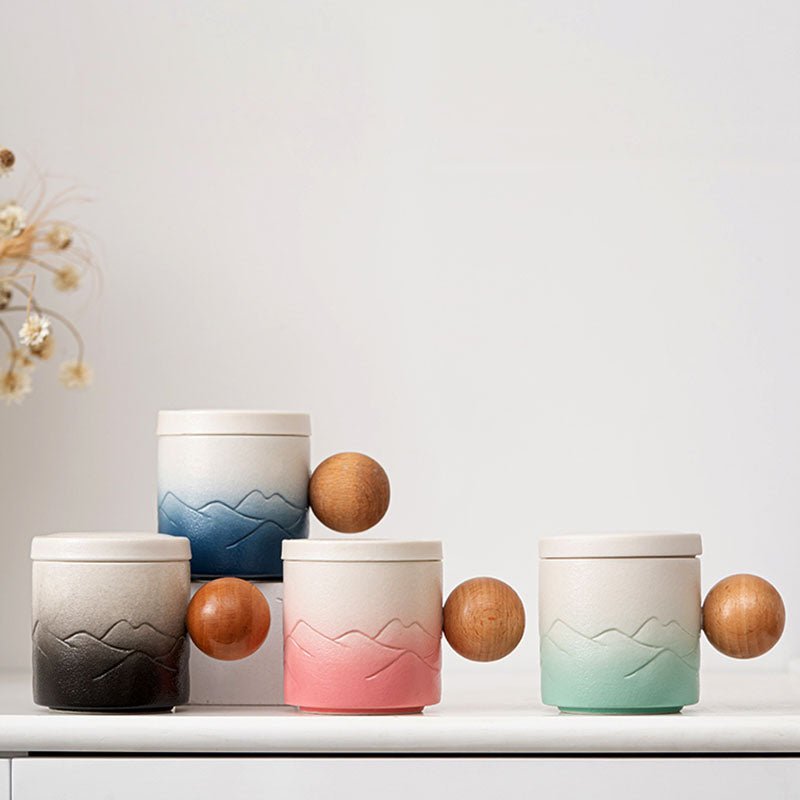
Designer Coffee Mugs for Daily Use: Style, Size, and Fit
Designer coffee mugs can look great on a shelf and still fail at the desk. This guide compares style, size, comfort, care, and the trade-offs we see most often when shoppers pick one for daily use.
Weiterlesen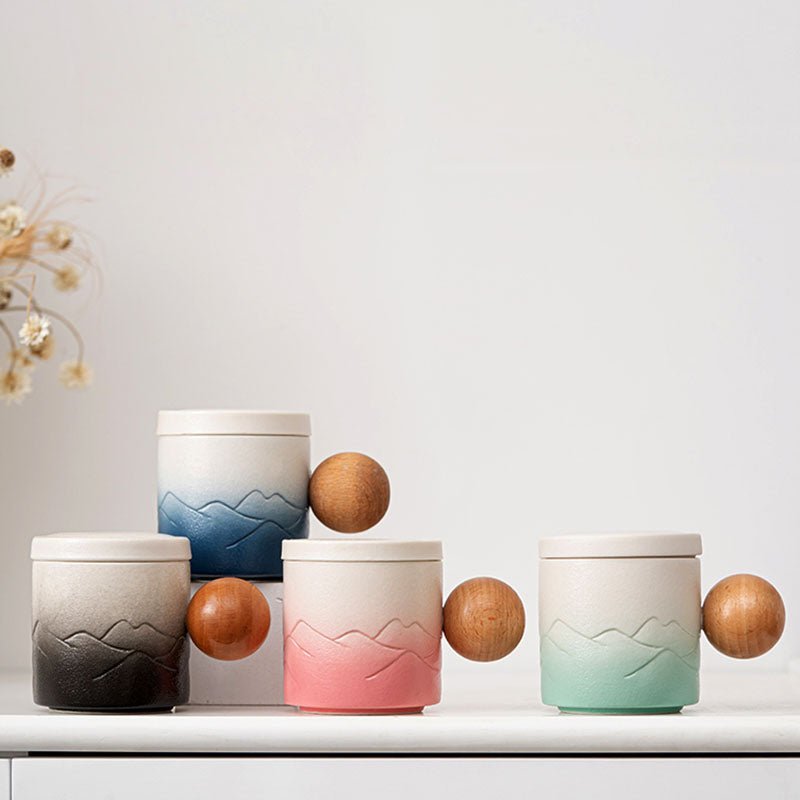
Friends Coffee Mug Buying Guide for Gifts, Daily Use, and Size Fit
A practical guide to choosing a friends coffee mug that actually works on a desk, in the kitchen, or as a gift. We cover size, comfort, finish, and which styles make sense for different buyers.
Weiterlesen
Hinterlasse einen Kommentar
Diese Website ist durch hCaptcha geschützt und es gelten die allgemeinen Geschäftsbedingungen und Datenschutzbestimmungen von hCaptcha.