
Espresso Coffee Mug Sets: How to Choose the Right Set
Reading time: about 9 minutes
We see the same problem all the time: a buyer wants espresso cups that look sharp, stack cleanly, and do not feel awkward in the hand, but the options all blur together once the photos get small. The right set is usually the one that fits your actual routine, not the one that looks best for a single staged shot.
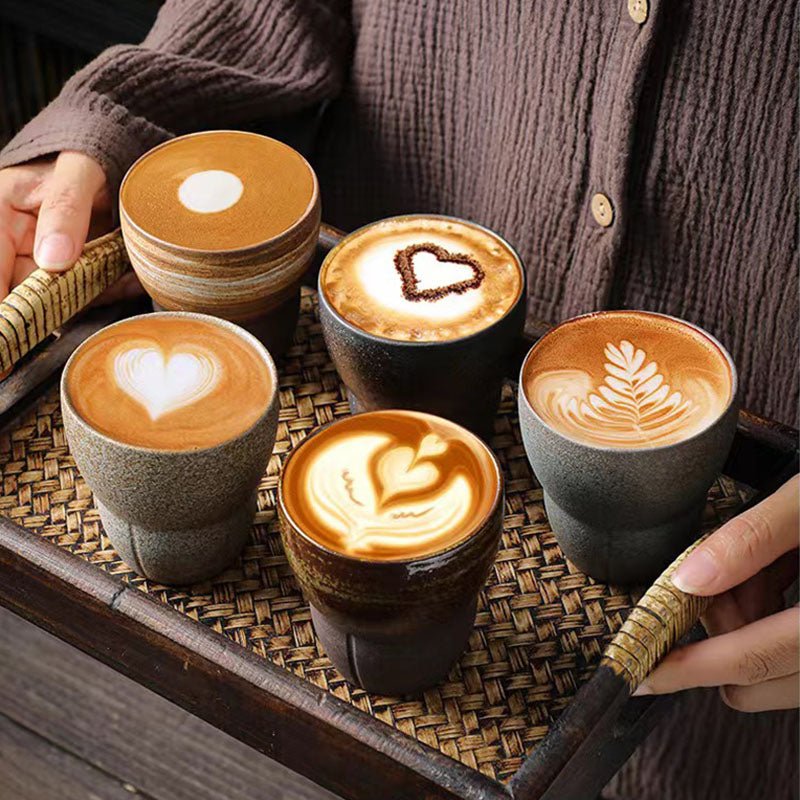
If you want a quick place to start, browse our full collection and then compare it against a specific style such as the Retro Coffee Tea Cup. That is usually the fastest way to spot what you like in the cup itself, not just in the picture.
What should espresso coffee mug sets actually do well?
Espresso coffee mug sets need to do four jobs at once: hold a small pour without looking oversized, feel stable on a tray or countertop, clean up easily after daily use, and store without taking over the cabinet. That sounds simple, but many sets fail at one of those points.
In our experience, shoppers usually regret one of two mistakes. They buy cups that are too small to comfortably handle, or they buy larger cups that technically work for espresso but make every serving feel lost inside the cup. A real espresso set should suit short drinks, fast service, and a tight footprint near the machine.
Here is what we look at in our store when someone asks us to compare options:
- Capacity: Small espresso servings need a cup that does not swallow the drink.
- Rim shape: A smoother rim gives a better sip and helps crema stay intact longer.
- Handle clearance: If your finger knuckles rub the cup wall, the set will feel annoying very quickly.
- Base stability: A flat, balanced foot helps on narrow machine trays and busy counters.
If you want a wider buying framework, our article Espresso Coffee Mug Sets: How to Choose the Right Set goes deeper into fit and use cases.
Which cup style fits your routine best?
Style matters more than most shoppers expect. Not because the cup needs to be dramatic, but because shape changes how it handles heat, storage, and daily cleanup.
| Style | Best for | Trade-off |
|---|---|---|
| Retro-inspired cup | Gift sets, casual service, visual character | Usually less minimal, so it may not suit a very plain kitchen |
| Ball-handled cup | Comfortable grip and a slightly more distinctive look | The handle shape can take more shelf space |
| Pleated cup | A structured look that reads well on open shelving | Textured surfaces can show glaze variation more clearly |
For a compact, giftable look, the Ball Handled Coffee Tea Mug is worth a close look. If you prefer a more sculpted profile, the Pleated Coffee Tea Cup gives you a different visual rhythm without changing the basic espresso-friendly format.
We usually tell buyers to choose the style that matches where the cups will live. Open shelf, open counter, or gift box each favors a different shape. The wrong one is not broken. It is just visually noisy in the wrong setting.
How do size and capacity affect espresso use?
Size drives almost everything in espresso service. A cup that is too deep can make a short shot feel lonely at the bottom. A cup that is too wide can cool the drink faster. And a cup that is too small can be uncomfortable to hold or easy to spill when you are moving from machine to table.
Real buyers should think in practical terms:
- Single espresso: Best in a compact cup with a balanced base and enough room for crema.
- Doppio or short milk drinks: A slightly roomier set works better so the drink does not splash at the rim.
- Office use: Look for a cup that is easy to carry one-handed and does not crowd a small desk.
- Gift use: Pick a set that looks intentional even before it is wrapped, because unboxing matters.
If you already own larger everyday drinkware, our guide 10 oz Coffee Mug: Size, Fit, and What to Check Before You Buy is a helpful contrast point. It shows why a mug that works for drip coffee may feel wrong for espresso.
We do not recommend oversizing espresso cups just to make them seem more versatile. That usually leads to a loose feel, faster temperature drop, and a look that does not match the drink being served.
What details should you inspect before buying?
These are the small details that separate a set you enjoy from one you tolerate.
- Wall thickness: Thinner walls can feel elegant, but they may also feel more delicate in daily dishwashing and stacking.
- Handle comfort: The opening should leave enough room for an adult finger without forcing a pinch grip.
- Glaze consistency: Watch for uneven glaze, pinholes, or rough spots around the rim and handle joint.
- Foot ring: A clean, even foot helps the cup sit flat and reduces wobble on trays.
- Set consistency: In a multi-cup set, the pieces should look matched enough that one cup does not feel like a factory outlier.
Those details are not glamorous, but they are exactly what show up in day-to-day use. On a kitchen counter, a slightly wobbly base feels cheap. In an office, a handle that is too tight gets noticed every morning. During a gift unboxing, uneven glazing can turn a nice present into a return.
We also advise buyers to think about care before they fall in love with the design. If you want fast cleanup, check whether the set is easy to hand wash or dishwasher safe according to the product listing. If you know the cups will live in a busy home with frequent cycling through the dishwasher, choose shapes with fewer awkward seams and fewer small grooves that trap residue.
Which set is better for home, office, or gifting?
Different buyers need different compromises. There is no single best espresso set for every use case.
Home kitchen
Choose a set that stacks neatly and does not crowd your machine area. If your cabinets are already full, lower-profile cups usually make more sense than decorative shapes with oversized handles.
Office desk
Pick a cup that is stable and easy to pick up around papers, laptops, and chargers. A compact shape matters more here than a dramatic silhouette. Espresso sets that are too ornate can feel out of place on a work desk.
Gift set
Focus on visual cohesion and first impression. A set with a clear design language, such as the Retro Coffee Tea Cup, feels more intentional when opened. For gift buyers, our article Coffee Mug Storage Ideas for Kitchens, Offices, and Gift Sets is useful because storage and presentation are tied together more than people expect.
One limitation to keep in mind: espresso coffee mug sets are not the best choice if the recipient mostly drinks large lattes, long americanos, or all-day drip coffee. In that case, a larger mug set will get used more often. A smaller set should match the drink, not fight it.
How do these sets hold up in real use?
We think about durability in practical terms, not marketing language. A cup can look beautiful in a product photo and still be frustrating after three weeks of real use.
Common wear points we watch for in this category include:
- Rim chips: Usually caused by contact with other cups in storage or a hard tap against the sink.
- Handle stress: The handle-to-body join is where many cups show weakness first.
- Glaze dulling: Repeated wash cycles can make some finishes look tired before the shape itself has worn out.
- Stack scuffs: If cups are stored nested too tightly, the contact points can show wear faster.
That is why we recommend thinking about how the set will live after purchase. If you have limited cabinet space, choose a design that stacks or nests safely. If you plan to use the cups daily, prioritise a form that is easy to pick up, easy to rinse, and not fussy around the handle.
If your current issue is simply that your drinkware collection is too large and too mixed, the broader guide Coffee Mug Sets: How to Choose the Right Set for Daily Use is a sensible companion read before you buy another set.
Which set should you buy if you want the least regret?
If you want the lowest-risk choice, start with the cup shape that best matches how you drink espresso at home:
- Pick retro styling if you want something easy to gift and easy to recognize on a shelf.
- Pick a ball-handled shape if comfort in the hand matters more than minimalism.
- Pick a pleated shape if you want a more structured look that stands out without being loud.
From there, check three things before you order: the cup size relative to your drink, the comfort of the handle, and whether the set suits your storage space. Those three checks prevent most buyer regret.
We do not recommend buying espresso coffee mug sets just because they match a trend photo. If the set is too decorative for everyday storage, too small for your preferred pour, or too delicate for your cleaning routine, it will end up unused. Practicality wins here.
Frequently asked questions
How many cups should be in an espresso coffee mug set?
For most buyers, a 2- or 4-piece set is the most practical. Two works for a couple or a small espresso station, while four is usually better for households that host guests or want replacements on hand. If you entertain often, a larger matching set is easier than piecing together extras later.
Are espresso coffee mug sets dishwasher safe?
That depends on the specific listing and the finish. In general, many ceramic-style cups handle normal dishwasher use well, but hand washing is gentler on printed details, gloss finishes, and delicate glaze edges. If you want the longest-looking life, avoid stacking wet cups tightly after washing.
What size is best for espresso?
Choose a compact cup that fits a short pour without leaving too much empty space above the drink. A cup that is too large can cool espresso faster and make the serving look undersized. If you also drink longer coffee formats, consider a separate larger mug set instead of trying to force one set to do everything.
Can I use espresso cups for tea or small desserts?
Yes, many buyers do. A small cup can work well for strong tea, tasting portions, or dessert servings like pudding and mousse. That said, if your main use is tea or general coffee, a larger cup may be the more comfortable daily choice.
What should I check when the set arrives?
Inspect the rims, handles, and bases right away. Make sure each cup sits flat, the glaze looks even, and there are no chips from transit. If the set is a gift, we recommend opening it before wrapping so you can catch any damage early.
What should you do next?
If you want a straightforward next step, compare the style you prefer against the actual product pages, then check whether the set fits your storage and drink habits. Start with the full collection, then narrow to the exact shape that makes sense for your kitchen, office, or gift list. If you are still deciding, pick the cup that matches your routine first and your decor second. That is the combination that usually gets used, not just admired.
Read more
Large Coffee Cups: What to Look for Before You Buy for Daily Use
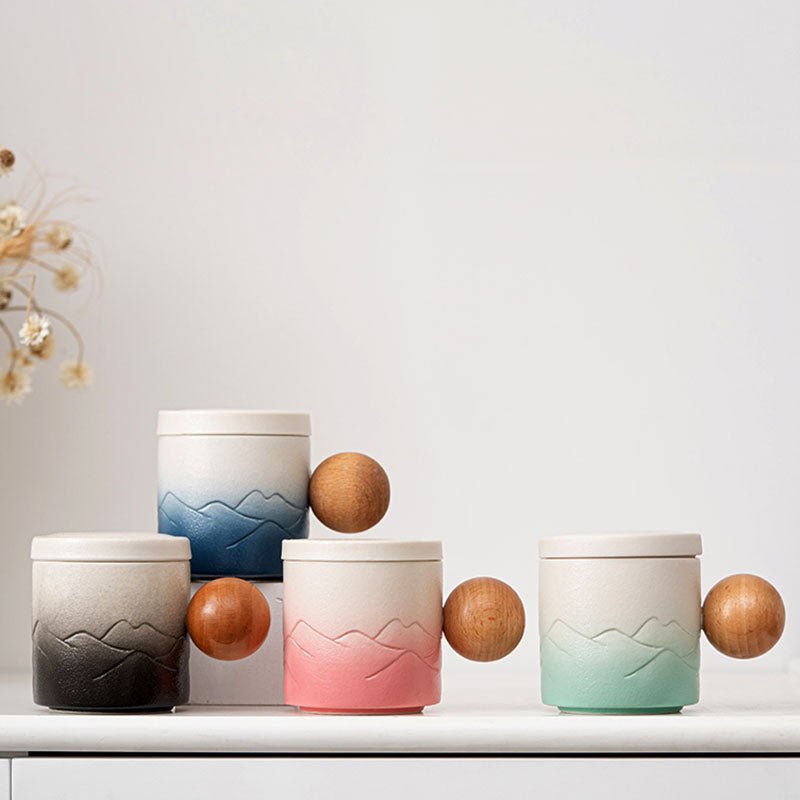
Large coffee cups should feel easy to hold, easy to wash, and right for the way you drink at home or at work. We compare three daily-use picks, the trade-offs that matter, and the checks we use bef...
Weiterlesen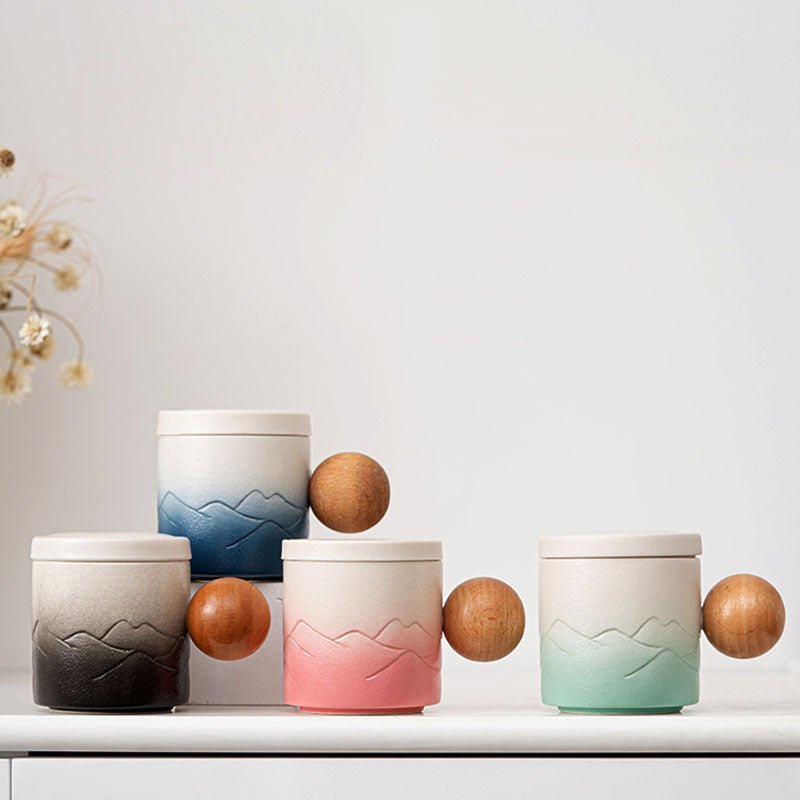
Cool Coffee Cups for Daily Use, Gifting, and Desk Coffee
A practical guide to cool coffee cups that feel good in the hand, hold up on a real kitchen counter, and make sense for gifts. We compare style, comfort, care, and the trade-offs worth checking bef...
Weiterlesen
Hinterlasse einen Kommentar
Diese Website ist durch hCaptcha geschützt und es gelten die allgemeinen Geschäftsbedingungen und Datenschutzbestimmungen von hCaptcha.