
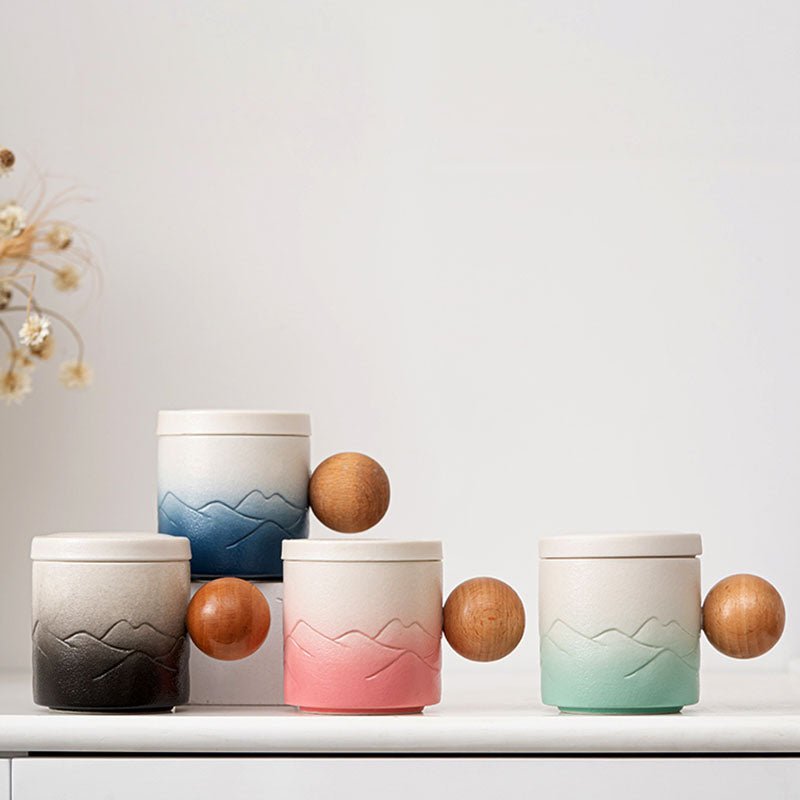
Espresso Coffee Mug Sets for Daily Use, Gifts, and Small Kitchens
Reading time: about 9 minutes
A customer sets two espresso cups beside the machine, pulls a pair of shots, and realizes the cups are too tall for the shelf and too light to feel stable in the hand. That is the gap espresso coffee mug sets are meant to solve: compact size, comfortable handling, and a shape that looks right on the counter.
In our store, we judge these sets the same way shoppers use them at home: on a narrow kitchen counter, next to a busy office machine, or opened as a gift before the first cup is poured. If you want to compare the options we carry, start with our Retro Coffee Tea Cup for a classic profile, then scan the full collection if you want to compare shape, handle style, and finish side by side. For a deeper buying framework, our guide Espresso Coffee Mug Sets: How to Choose the Right Set covers the basics in plain terms.
What should you check before buying espresso coffee mug sets?
We look at three things first: the cup size, the handle, and the base. Those sound basic, but they decide whether a set feels convenient every morning or annoying by the third use. A good espresso cup should sit flat, hold the drink without feeling oversized, and give your fingers enough room to move without brushing the hot wall.
For glazed ceramic sets, the details that matter most are easy to miss in product photos. We check whether the foot ring is smooth, whether the rim feels even, and whether the handle has enough clearance for a two-finger grip. If any of those feel off, the cup may still look nice on a shelf but feel frustrating at the espresso machine.
- Size: Single shots usually feel right in a 2 oz to 4 oz cup, while a double shot or a drink with a little extra room often works better in the 3 oz to 6 oz range.
- Handle comfort: A tiny handle can look elegant, but it is not ideal if you have larger hands or pour several drinks in a row.
- Stability: A flat, balanced base matters more than people expect, especially on smooth stone counters and office desks.
- Finish: A clean glazed interior is easier to rinse after crema and sugar, while a rough foot ring can scratch trays and saucers.
- Storage: If your cabinet is shallow, a lower profile cup is easier to stack and less likely to chip when you reach for one quickly.
If you are still deciding between espresso cups and a larger everyday mug, our 10 oz Coffee Mug: Size, Fit, and What to Check Before You Buy guide is useful because it shows where a bigger cup stops feeling like an espresso vessel and starts acting like a regular mug.
Which size and shape work best for espresso?
Espresso is small, but the cup shape changes the experience. A narrower cup helps the shot look concentrated and keeps the drink warm longer. A wider mouth cools faster and can make the crema disperse sooner, which is not what most espresso drinkers want unless they are stretching the cup for macchiatos or short milk drinks.
We usually separate buyers into three groups:
- Pure espresso drinkers: Pick a compact cup with a stable base and a comfortable lip. This is the best fit for single shots and short doubles.
- Milk drink drinkers: Choose a slightly larger set if you use the cup for cortados or small flat whites. Too small, and the drink feels cramped.
- Gift buyers: Choose a shape that is easy to understand at a glance. Clean lines and a sturdy handle usually feel safer than highly stylized forms.
That is why a product can look perfect online and still disappoint on the counter. A cup that feels balanced in the hand will be used more often. A cup that is too shallow, too tall, or too delicate tends to get moved to the back of the cabinet. Our buying rule is simple: the right set should make the espresso routine easier, not more fussy.
Which style is right: retro, ball-handled, or pleated?
These three styles solve slightly different problems. The right choice depends on the counter space you have, the hand feel you like, and how formal or casual you want the set to look. In practice, the visual style is less important than the way the cup sits in your hand after the second or third use.
| Style | Best for | Trade-off |
|---|---|---|
| Retro Coffee Tea Cup | Buyers who want a classic silhouette that feels familiar on a breakfast tray or beside a home espresso machine | Retro shapes can look more traditional than some shoppers want if they prefer a clean modern barista look |
| Ball Handled Coffee Tea Mug | People who like a distinctive handle and a cup that feels a little more sculptural in the hand | The ball handle can be less comfortable for larger hands or for anyone who wants a very open grip |
| Pleated Coffee Tea Cup | Shoppers who want visual texture, a bit of extra grip, and a set that looks gift-ready out of the box | The ridged body can collect droplets or residue more easily if the cup is not dried fully after washing |
The pleated shape is the one we would steer toward if the set is meant to feel special on the table. The ball-handled style is the one we would choose when a buyer wants something memorable. The retro shape is the safest pick when you want a familiar espresso cup that will not fight the rest of the kitchen.
If you want a fuller buying discussion across daily-use styles, our article Coffee Mug Sets: How to Choose the Right Set for Daily Use is helpful, especially if you are comparing espresso sets against cups that will also be used for tea or small coffee pours.
What quality issues do we look for before a set reaches the shelf?
We inspect the practical things customers notice immediately, even if they cannot name them. A cup can photograph well and still be wrong if the base rocks, the glaze feels rough at the rim, or the handle sits at an awkward angle. That is why our checks are centered on use, not just appearance.
Our rule of thumb: if a cup rocks on the counter empty, it will feel more annoying once it is full.
Common issues to watch for are easy to spot once you know where to look:
- Wobble: The cup does not sit flat, which is a problem on smooth counters and trays.
- Glaze pinholes: Tiny dots in the finish may be cosmetic, but they can make a cup look less refined.
- Rough rim or foot ring: These can scratch saucers, catch on cloths, or feel uncomfortable during a sip.
- Handle seams or sharp joins: A handle should feel smooth, not like something you need to avoid every time you pick up the cup.
- Uneven wall thickness: Thin spots can cool too quickly and make the cup feel less substantial in hand.
These details are the difference between a set that stays in regular use and one that gets saved for guests only. If a buyer wants a set mostly for display, that is one thing. If they want a daily espresso ritual, we would prioritize balance, rim comfort, and easy cleaning over decorative novelty.
How should you care for them day to day?
Care matters because espresso residue is small but stubborn. Crema leaves a thin film, sugar can cling to the rim, and textured surfaces need a little more attention than a plain mug. If the listing says the set is dishwasher safe, top-rack placement is the safer default. If it has delicate glaze work or a textured exterior, hand washing is the lower-risk choice.
A few habits make a real difference:
- Rinse the cup soon after use so dried crema does not build up.
- Do not stack cups tightly if the rims touch, because that is where chips usually start.
- Let ridged or pleated cups dry fully before putting them away.
- Avoid moving a hot cup straight onto a very cold stone counter if the wall is thin.
- Use a soft cloth around decorated finishes so the surface keeps its clean look longer.
For customers who want to store sets in a tight cabinet or on a small office shelf, our Coffee Mug Storage Ideas for Kitchens, Offices, and Gift Sets article gives practical ways to keep cups from chipping and knocking into each other. That matters more than people expect once a set is in regular rotation.
What should you buy if the set is meant as a gift?
Gift buyers usually want two things: the set should feel easy to understand, and it should not require a long explanation when it is opened. A clean silhouette, a comfortable handle, and a finish that looks polished from across the room are the safest choices. If the person receiving it drinks espresso every day, choose a set that looks compact and purposeful rather than oversized or overly decorative.
We would avoid espresso coffee mug sets as a gift if the recipient mostly drinks full-size drip coffee, long americanos, or iced drinks. In that case, a larger daily mug may be a better fit. Espresso cups shine when the person actually uses them for short shots, macchiatos, or small after-dinner pours. If you are unsure, choose a shape that can still sit neatly on a saucer or tray and will not feel precious to wash and put away.
Frequently asked questions
How many cups should an espresso coffee mug set include?
Most shoppers want a set of two or four because that matches how espresso is usually served at home. Two works for a couple or a single drinker, while four is better if you host or pull shots for guests. If you already have a few daily-use mugs, a smaller espresso set keeps cabinet space under control.
Can I use espresso coffee mug sets for cortados or macchiatos?
Yes, as long as the cup has enough room for the drink you actually make. A very small demitasse-style cup is great for pure espresso but can feel tight once milk is added. For cortados or macchiatos, a slightly larger cup usually gives you more room without losing the compact feel.
Are ball-handled espresso cups comfortable for larger hands?
Sometimes, but not always. A ball handle can feel secure and distinctive, yet it may be less open than a more traditional handle. If you know your hands tend to feel cramped on small mugs, choose a cup with a wider handle opening or test the shape against your grip before buying.
Do espresso coffee mug sets need to be dishwasher safe?
Not necessarily, but dishwasher-safe sets are easier to keep in rotation if you use them every day. If the finish is delicate, textured, or heavily decorated, hand washing is often the safer choice. We recommend following the care notes on the product page rather than assuming every small cup can take the same treatment.
What is the best set for a small kitchen?
A compact set with a stable base and a shape that stacks well is the easiest choice for a small kitchen. Lower-profile cups usually fit better under shelves and in narrow cabinets, and they are less likely to get knocked around. If counter space is tight, prioritize shape and storage over decorative detail.
If you are ready to compare shapes, start with the full collection and narrow your choice by the way the cup feels in hand, not just by the photo. Pick the set that matches your shot size, your cabinet space, and the way you actually make coffee.
Read more
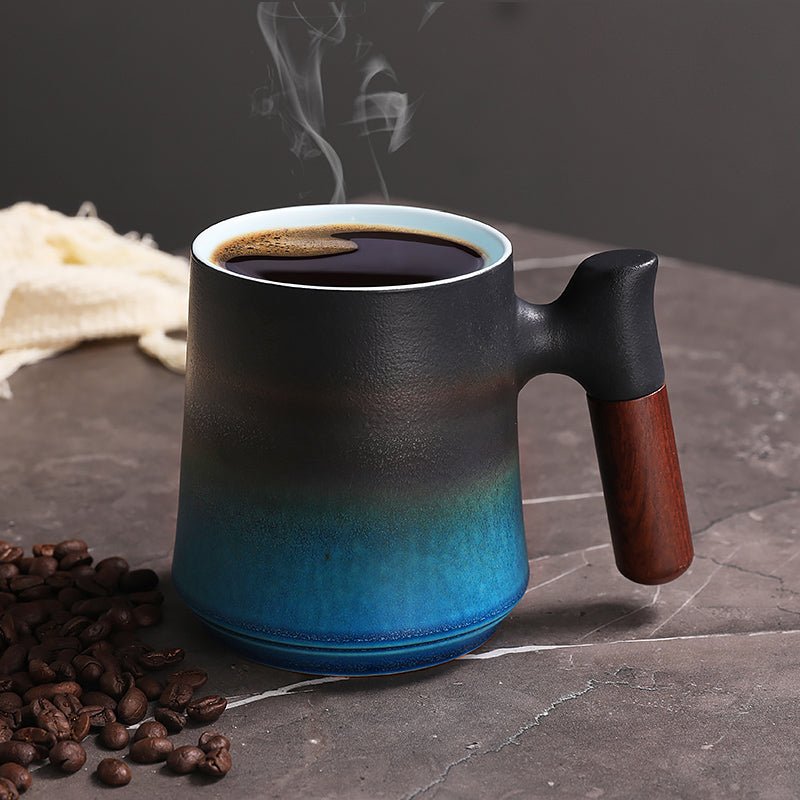
Handmade Coffee Mug Buying Guide: Materials, Fit, and Real-World Use
A handmade coffee mug should feel good in the hand, fit the drink you actually make, and hold up through daily washing. Here’s how we compare options in our store and what to check before you buy.
Weiterlesen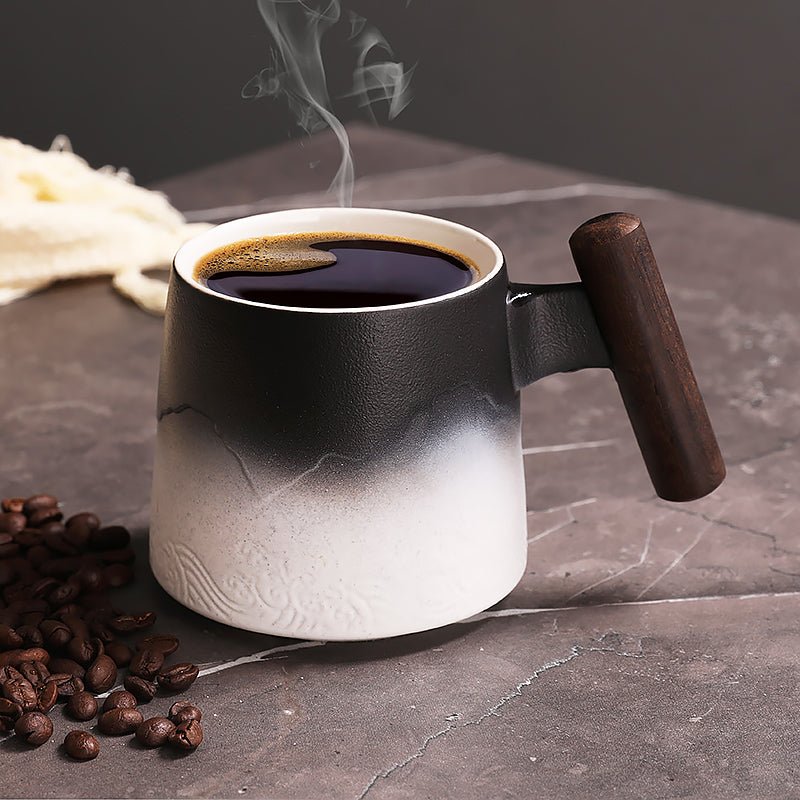
Coffee Mug Hooks: Fit, Materials, and What Actually Works
Coffee mug hooks work best when the mug shape, hook depth, and cabinet clearance line up. This guide covers the real fit checks, material trade-offs, and setups that make sense for daily use.
Weiterlesen
Hinterlasse einen Kommentar
Diese Website ist durch hCaptcha geschützt und es gelten die allgemeinen Geschäftsbedingungen und Datenschutzbestimmungen von hCaptcha.