
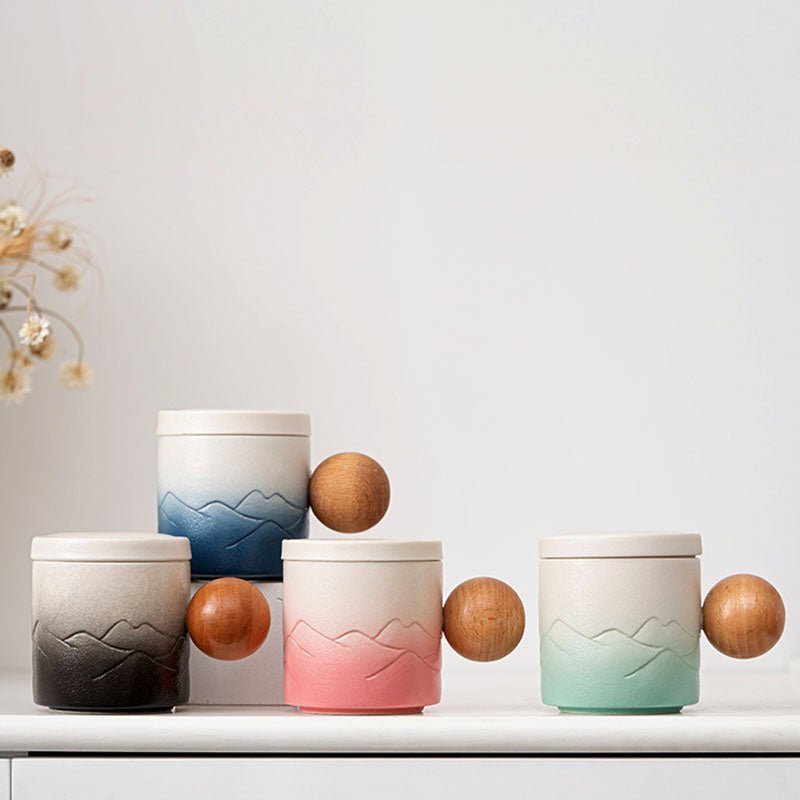
Elegant Coffee Cups That Look Refined and Still Work Daily
Reading time: about 9 minutes
Elegant coffee cups get judged fast. They sit on the counter, get lifted by the handle, meet a spoon, and then go straight through a dishwasher cycle if they are actually going to earn cabinet space. We see the same pattern in our store all the time: customers want a cup that looks polished enough for guests, but not so delicate that it becomes a special-occasion-only piece.
That is the balance this guide is about. If you want a short path to the right style, start with our Pleated Coffee Tea Cup, then compare finishes and shapes across our full collection. If you want more context before buying, our guides on beautiful coffee cups that look good and hold up daily and what to look for before you buy cover the practical side in more detail.
What makes a coffee cup look elegant without becoming fragile?
Elegance in coffee cups usually comes from proportion, surface detail, and restraint. A slim profile, a balanced handle, and a glaze that does not scream for attention tend to age better than oversized decorative features. In real kitchens, the pieces that stay in rotation are usually the ones that look composed from a distance and still feel comfortable in the hand.
We look for a few practical signs that the cup is designed for daily use, not just a product photo:
- Wall thickness that feels substantial without making the cup heavy. Thin enough to feel refined, thick enough to survive regular handling.
- A handle that clears two or three fingers comfortably. If your knuckles hit the cup body, it will feel awkward after a week.
- A stable base that does not wobble on a desk, tray, or tray table.
- A glaze or finish that hides light marks better than high-gloss surfaces that show every smudge.
That is why an elegant cup should never be chosen on looks alone. A delicate shape with a sharp lip can be lovely for espresso, but it may not be the right pick for a long workday coffee. For a broader comparison of styles that still feel presentable on the table, our article on what makes a mug worth buying is a useful companion read.
Which materials feel most refined in everyday use?
Most shoppers narrow this down to ceramic, porcelain, or stoneware. That is the right instinct, but the differences matter more than people expect once the cup hits heat, soap, and repeated handling.
| Material | What it looks like | What it does well | Trade-off |
|---|---|---|---|
| Porcelain | Smooth, fine, clean-lined | Feels formal and light in the hand | Can chip if knocked against a sink or metal edge |
| Ceramic | Warm, versatile, everyday polished | Good balance of style and durability | Quality varies a lot by glaze and firing |
| Stoneware | Textured, grounded, slightly heavier | Feels sturdy and comfortable for daily use | Can be bulkier if you want a very delicate look |
In our experience, customers who want elegant coffee cups for daily breakfasts usually end up happiest with ceramic or porcelain. Porcelain is the more refined look if you want a lighter, finer visual line. Ceramic and stoneware are better if the cup will live on a desk, in a busy kitchen, or beside a laptop where one careless bump is part of reality.
None of these materials is ideal for someone who wants the absolute lightest travel-friendly option. If your coffee mostly moves between the kitchen and the car, a mug with a lid or insulated construction is a better category entirely.
What size and shape should you choose for your drink?
Elegant coffee cups are not all built for the same pour. A petite cup that looks beautiful next to a pastry may be frustrating if you always drink a larger morning brew. Size changes how the cup feels in your hand, how fast the coffee cools, and how tidy it looks on the table.
Here is the practical breakdown we use when helping shoppers choose:
- Espresso and short drinks: smaller cups keep the presentation neat and match the drink volume better.
- Flat white or cappuccino: a medium cup gives enough room for foam without making the drink look lost.
- Regular drip coffee: a larger cup is more practical, but it can look less refined if the silhouette is too wide.
- Guest service: choose a shape that stacks neatly or stores easily if you set out more than one at a time.
A narrower cup often reads as more elegant because it keeps the visual line clean. A wider mouth can still work if the rim is thin and the base is well proportioned. If you need something larger for everyday use, our guide to big coffee cups for daily use explains where size helps and where it starts to work against the look.
Which details make a cup look expensive on a kitchen counter?
Small design details matter more than branding. A cup does not need ornament to feel elevated. It needs restraint, finish quality, and consistent lines. We inspect the same kinds of flaws buyers eventually notice at home: uneven glaze, a handle that looks slightly off-center, a lip that feels sharp, or a base that leaves a rough ring on the table.
Specific details worth checking before you buy:
- Rim finish: a smooth rim gives a better sip and looks more polished.
- Handle attachment: the join should look clean and feel solid, with no obvious rough seam.
- Glaze consistency: intentional texture is fine, but blotchy finish reads as low quality.
- Foot ring: the bottom should sit flat and not scratch a table.
The Pleated Coffee Tea Cup is a good example of how a subtle exterior texture can add visual interest without making the piece feel busy. For shoppers who want the cup to do the visual work while staying practical enough for daily use, that balance matters more than a loud pattern.
Elegant should not mean precious. If a cup looks perfect only under studio lighting, it will probably annoy you in a real kitchen.
Can elegant coffee cups still handle daily wear?
They can, but only if you choose with the actual routine in mind. Dishwasher cycles, stacked storage, and repeated reheating all expose weak points quickly. A beautiful cup that stains easily or chips at the handle is not a good buy, no matter how good it looked on day one.
For day-to-day use, we advise checking three things before you commit:
- Care instructions: confirm whether the cup is dishwasher safe, microwave safe, or hand wash only.
- Surface type: matte finishes can show utensil marks differently than glossy ones.
- Storage fit: tall or sculpted cups may not stack well or may crowd a shallow cabinet.
This is also where trade-offs matter. Highly decorative cups are often better for guest service than for office desks with constant reheating. If your coffee lives next to a keyboard all morning, prioritize a stable base and comfortable grip over the thinnest possible rim. For a broader buying checklist, our post on cups that look good and hold up daily covers the wear points we see most often.
Are elegant coffee cups a good gift?
Yes, as long as the style is restrained and the use case is realistic. Elegant coffee cups are one of the easier gifts to give because they fit into daily routines, but they also have a narrow failure point: if the cup is too delicate, too small, or too ornate for the recipient’s habits, it ends up unused.
We usually recommend elegant cups as gifts for someone who:
- Serves coffee or tea at home and cares about presentation.
- Likes quiet, neutral tableware instead of bold novelty pieces.
- Has a real kitchen setup, not just a breakroom shelf.
If you are choosing for a gift box or a housewarming, keep the design calm and the shape usable. A cup that feels substantial in the hand and looks tidy beside a saucer or dessert plate usually lands better than a highly stylized piece that only works in a photo. For shoppers comparing gift options, our article on Christmas coffee cups for gifts, daily use, and real kitchens is a helpful reference even outside the holiday season because the buying logic is the same.
How do you compare options before buying?
We suggest comparing elegant coffee cups the same way we would in our store: by look, hand feel, and maintenance. A cup can seem perfect online and still fail once you picture it on your own table.
- Look at the silhouette: does it feel balanced or overly decorative?
- Check the handle size: can you grip it naturally without pinching?
- Confirm the material: porcelain, ceramic, or stoneware each changes the feel.
- Read the care notes: dishwasher, microwave, and hand-wash guidance matter.
- Match it to your drink: espresso, cappuccino, or full mug coffee.
If you are comparing more than one style, keep the shortlist tight. Two or three candidates are enough. After that, the decision usually comes down to whether you want the cup to read as airy and refined, or warm and grounded. Our full collection is the fastest way to compare those looks side by side.
Frequently asked questions
Are elegant coffee cups dishwasher safe?
Some are, and some are not. Always check the care instructions before buying, because glaze type, decorative finishes, and fine rims can change how a cup should be washed. If you want something for daily use, dishwasher-safe is the safer choice.
What size is best for elegant coffee cups?
It depends on the drink. Smaller cups suit espresso and short pours, while medium sizes work better for cappuccino, flat white, and everyday coffee. If the cup is too large, it can lose the refined look that makes it appealing in the first place.
Do elegant coffee cups work for office desks?
Yes, if they have a stable base and a comfortable handle. We would avoid very tall, delicate, or heavily ornamented designs for a desk, because they are more likely to feel awkward around laptops and notebooks. A simple ceramic cup usually performs best.
What is the most durable material for elegant coffee cups?
For a balance of elegance and daily durability, ceramic and stoneware are usually the most practical. Porcelain often looks the most refined, but it can be more susceptible to chips if handled roughly. The right choice depends on whether your priority is a lighter look or a sturdier feel.
Can elegant coffee cups be used for tea too?
Yes. A good coffee cup works for tea, hot chocolate, and other hot drinks as long as the size and handle feel right. That is one reason we like versatile shapes in our store: they do more than one job without looking generic.
If you want the shortest route to a buyable option, start with the Pleated Coffee Tea Cup, then compare it against the rest of the collection using the checklist above: material, handle comfort, care instructions, and whether the shape matches how you actually drink coffee.
Read more
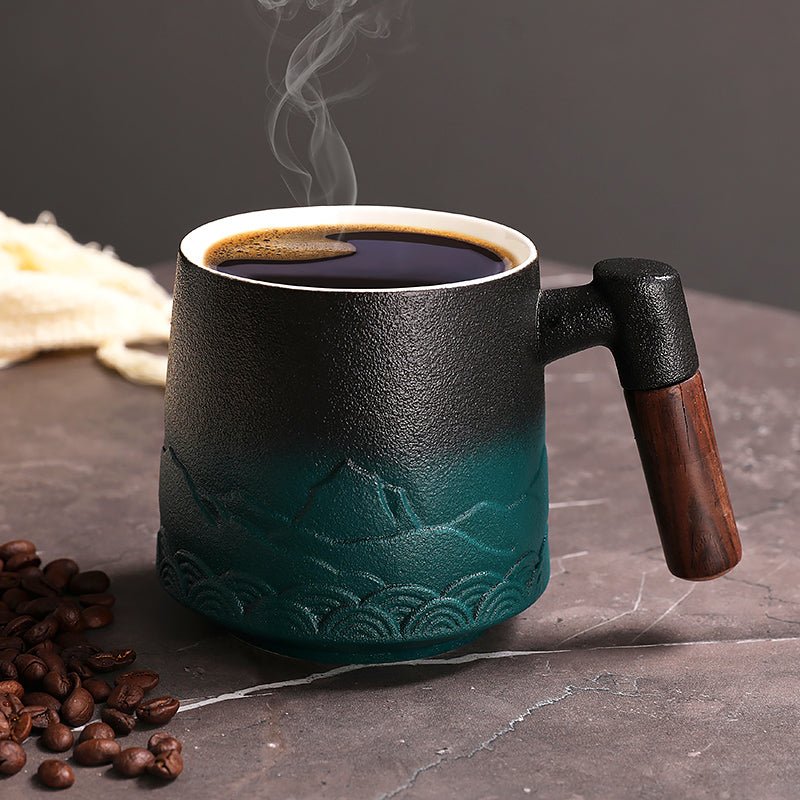
Unbreakable Coffee Mugs: What Actually Holds Up Day to Day
A practical guide to choosing unbreakable coffee mugs that resist chips, tipping, and daily wear. We cover the real trade-offs, the best shapes for busy kitchens, and what to check before you buy.
Weiterlesen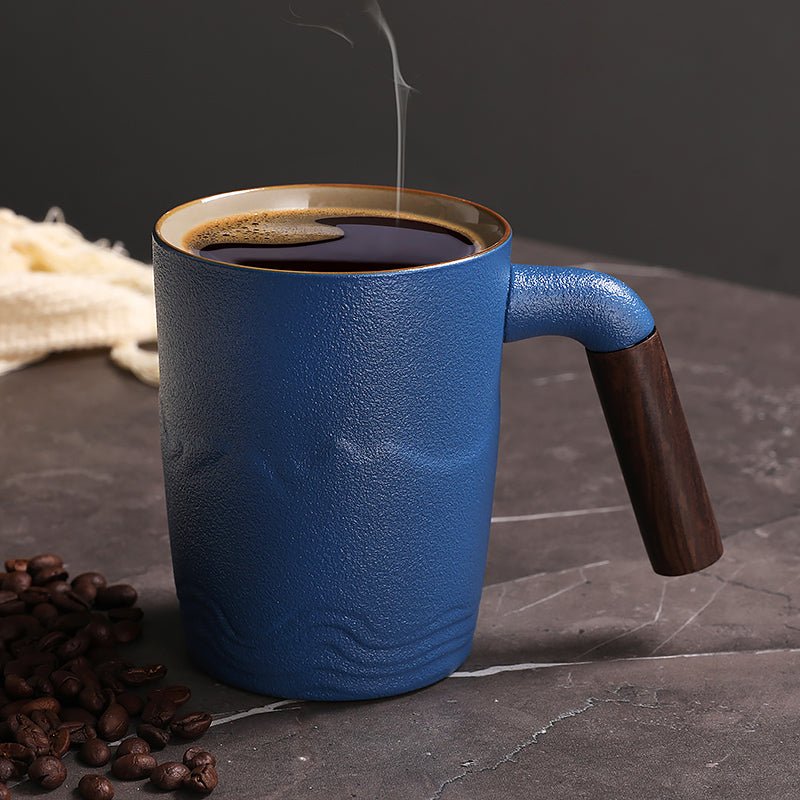
Browning Coffee Mug Buying Guide for Size, Finish, and Fit
A browning coffee mug can look warm and classic, but the best buy depends on size, handle comfort, and how it will hold up in daily use. We compare practical options for the kitchen, office desk, a...
Weiterlesen
Hinterlasse einen Kommentar
Diese Website ist durch hCaptcha geschützt und es gelten die allgemeinen Geschäftsbedingungen und Datenschutzbestimmungen von hCaptcha.