
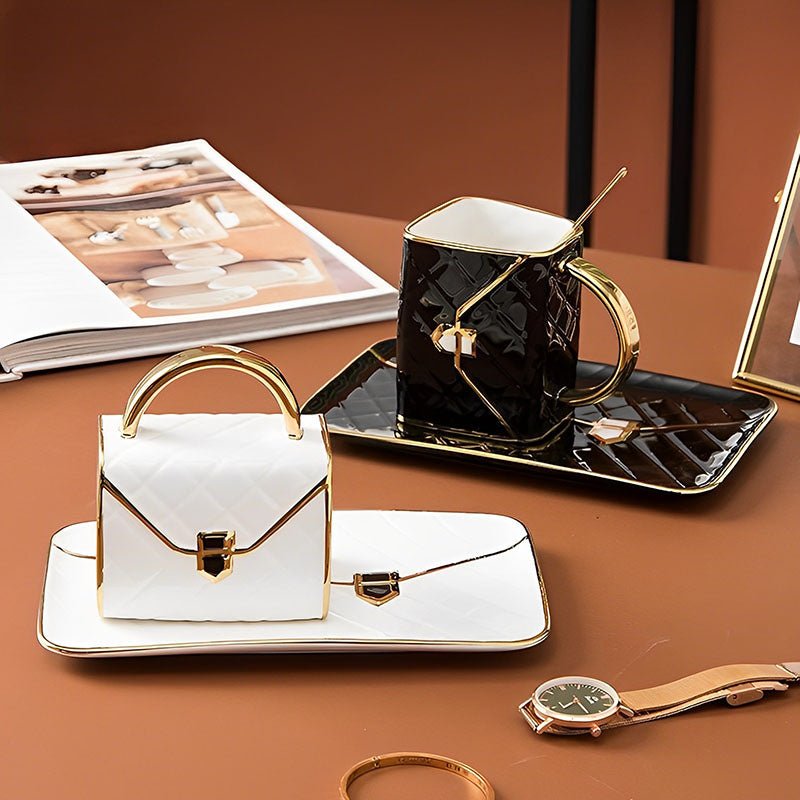
Easter Coffee Mugs: How to Choose the Right One for Gifts
Reading time: about 10 minutes
A pastel mug that looks right in a basket can still be a bad buy if the handle pinches, the base rocks on a counter, or the artwork fades after a few dishwasher runs. That is the part shoppers only notice after Easter morning, which is why we look at easter coffee mugs the same way we would any daily-use mug: size, material, finish, and how it feels in real hands.
In our store, easter coffee mugs usually fall into two groups. Some are bought as giftable spring pieces for a brunch table or office desk. Others are meant to become the everyday mug that stays in rotation after the holiday. Those are not the same purchase. A mug that is perfect for a basket may be too delicate for a busy kitchen sink, and a heavy stoneware mug may be ideal for a long drip coffee but awkward if the recipient prefers smaller pours.
If you are comparing sizes first, our size guides help narrow the field. For a standard daily cup, start with 12 oz Coffee Mugs: What to Check Before You Buy. If the person drinks larger pours or milk drinks, compare it with 16 oz Coffee Mugs: What to Check Before You Buy. If you want a bigger desk mug, 20 Ounce Coffee Mugs: What Buyers Should Check Before Ordering is the right next read.
For shoppers who want something cute but still usable, our Adorable Coffee Mugs: What to Look for Before You Buy guide covers the same trade-offs from a gift angle.
What makes an Easter mug a gift people keep using?
The best Easter mug is not the one with the busiest pattern. It is the one that still feels right when the wrapping paper is gone and the mug is sitting on a kitchen counter in June. That means the basic shape has to work first. A comfortable handle, a stable base, and a rim that does not feel awkward on the lips matter more than the theme printed on the side.
We see three reasons people keep a seasonal mug in rotation:
- The size matches the drink they actually make every morning.
- The mug is easy to wash and does not require special care.
- The artwork is cheerful without being so fragile that the mug becomes shelf-only decor.
A decorative mug is fine for Easter morning. A daily mug needs a comfortable handle, a stable base, and a finish that survives real washing.
If you are buying for a gift basket, that balance matters even more. A mug with a narrow opening looks pretty in photos, but it can be harder to clean. A tall, thin cup can also feel top-heavy on a desk. A slightly wider body with a steady base tends to be the safer buy for people who will actually use it.
Which size should you choose for coffee, tea, or hot chocolate?
Size is where most buyers make the wrong guess. Easter coffee mugs often look similar online, but the usable capacity changes how the mug feels in the hand and how quickly it cools. If the recipient drinks espresso, a cortado, or a small cappuccino, 8 oz can make sense. For a standard drip coffee drinker, 12 oz is the common middle ground. For lattes, tea refills, or a long desk morning, 16 oz or 20 oz becomes more practical.
If you want a broader size comparison, our 8 oz Coffee Mugs: Size, Material, and Fit Guide is useful for smaller drinks, and our A buyer's guide to large capacity coffee mugs covers the bigger end of the range.
| Size | Best use | Main advantage | Trade-off |
|---|---|---|---|
| 8 oz | Espresso drinks, short pour tea, smaller servings | Compact and easy to store | Not ideal for people who want a full mug of drip coffee |
| 12 oz | Everyday coffee, tea, most gift buyers | Balanced size and weight | Can feel small for latte drinkers |
| 16 oz | Lattes, larger pours, desk use | More room without becoming oversized | Heavier and takes more cabinet space |
| 20 oz | Big coffee servings, long work sessions, soup-friendly use | Lots of capacity | Bulkier, less comfortable for smaller hands |
There is a real trade-off here. A larger mug keeps the drink around longer, but it also gets heavier when filled. If someone has a small cabinet, a 20 oz mug can be annoying to store. If they mostly drink espresso or tea in smaller portions, a big mug can feel oversized and awkward. That is why we usually tell buyers to match the mug to the drink, not just the holiday theme.
Which material and finish hold up best after the holiday?
Most Easter mugs are ceramic or stoneware, and both can work well. Ceramic is common because it is easy to shape, easy to decorate, and usually comfortable for everyday use. Stoneware feels a bit heavier and often gives a sturdier, more grounded feel on a kitchen counter. Bone china has a lighter, more refined look, but it is not the best choice if the mug is likely to get knocked around in a shared kitchen.
From a buying standpoint, the finish matters as much as the body material. A smooth glaze is easier to clean and usually resists everyday wear better than a heavily textured surface. We also watch for pinholes in the glaze, wobbly bases, and printed artwork that sits too close to the rim, because those are the small defects that show up once the mug is used and washed a few times.
Care is part of the decision too:
- Top-rack dishwasher safe is convenient for daily use, but hand washing is safer for metallic accents or metallic trim.
- Microwave-safe ceramic and stoneware are practical, but decorative prints can limit that.
- Avoid sudden temperature changes, like moving a very hot mug straight into cold water.
If the mug is meant to be used every weekday, we favor a simple glaze and a plain interior over decorative extras that need special handling. If the mug is more of a keepsake or a basket piece, a more detailed finish is fine, as long as the buyer knows it may not be the best choice for rough daily washing.
Which design details matter most for comfort and style?
An Easter motif can be cute and still be a smart purchase. The details that matter are usually the ones people only notice after they have held the mug a few times. Handle clearance is a big one. A handle that leaves room for two fingers without pinching is usually more comfortable than one that looks pretty but is too tight. The same goes for the rim. A very thin rim can feel elegant, but some buyers prefer a slightly thicker rim because it feels more durable in daily use.
We also pay attention to the base and the overall silhouette. A mug with a wider base sits better on a desk and is less likely to get nudged over next to a laptop or notebook. A tapered body can look nice in photos, but it may feel less stable if the mug is tall and full. Inside color matters too. A light interior makes it easier to see tea strength, foam, or leftover grounds, while a dark interior can hide staining better over time.
For buyers who want a cute mug without drifting into novelty-only territory, this is the same thinking we use in our Adorable Coffee Mugs: What to Look for Before You Buy guide. The goal is simple: make sure the mug is pleasant to look at, but also easy to hold, wash, and keep on the counter.
Good Easter design usually does one of these well:
- Uses soft spring colors that still look fine after the holiday.
- Keeps the artwork away from the lip and the handle where it gets handled most.
- Leaves enough blank surface so the mug does not feel crowded or overly seasonal.
If the mug is too themed, it can become a one-week item. If the design is subtle, it has a better chance of staying in use through the rest of spring and beyond.
What should you check before ordering easter coffee mugs online?
Buying online is convenient, but the photos do not always tell you what matters most. A product can look balanced in a styled image and still be heavy, thin, or awkward in person. Before you click buy, check the details that affect daily use and shipping risk.
- Look for finished capacity, not just a size label. A mug named 12 oz should clearly say whether that is the working capacity or a rounded marketing figure.
- Check the care instructions. If it has metallic accents, assume it may need hand washing and may not be microwave-safe.
- Study the handle and base photos. A handle should look large enough for real fingers, and the base should sit flat.
- Think about the shipping use case. If it is going into a basket, the mug needs packaging that protects the rim and handle.
- Match the mug to the drinker. A small espresso fan does not need a giant mug, and a daily latte drinker will probably outgrow a tiny one.
If you are unsure where to start, the safest route is to compare a standard mug against a slightly larger one. That is why buyers often move between a 12 oz and a 16 oz option before deciding. If you are still narrowing it down, our current assortment on products and the broader collections/all page makes it easier to compare the styles we actually carry.
Frequently asked questions
Are easter coffee mugs dishwasher safe?
Some are, but not all. Ceramic and stoneware mugs are often dishwasher safe, while mugs with metallic accents, foil details, or delicate decals may need hand washing. We always tell buyers to check the care note before assuming a decorative mug can handle daily dishwasher cycles.
What size Easter mug makes the best gift?
For most people, 12 oz is the safest gift size because it works for coffee, tea, and hot chocolate without feeling oversized. If the recipient likes larger lattes or drinks coffee all morning at a desk, 16 oz may be the better fit. If they prefer smaller drinks, 8 oz can be a smarter choice than a mug that is too large.
Is ceramic or stoneware better for daily use?
Both can be good for daily use. Ceramic is common, versatile, and often a little lighter, while stoneware feels sturdier and usually has a more substantial hand feel. If the mug will live in a busy shared kitchen, stoneware can be a practical choice, but the glaze quality still matters more than the label alone.
Can I use a decorative Easter mug every day?
Yes, if the mug is made with everyday use in mind. The key is whether the mug is microwave-safe, dishwasher-safe, and comfortable enough to hold repeatedly. If it has fragile print, gold trim, or a very narrow handle, it may be better as a display mug rather than a daily driver.
What should I buy if the mug is going into an Easter basket?
Choose a shape that is not too tall, a handle that will not snag on filler paper, and a finish that can survive shipping and unpacking. A 12 oz mug is usually the most flexible basket choice because it feels giftable without taking over the whole basket. If the recipient likes bigger drinks, move up to 16 oz instead of forcing the smaller size to do too much.
What should you compare before you buy this week?
Before you order, compare three things: size, care instructions, and handle comfort. That is the shortest path to an Easter mug that gets used after the holiday instead of sitting on a shelf. If you want to shop the options we currently carry, start with our full collection and then narrow down the styles that fit your drink, your cabinet space, and your washing routine.
More from our blog
Read more
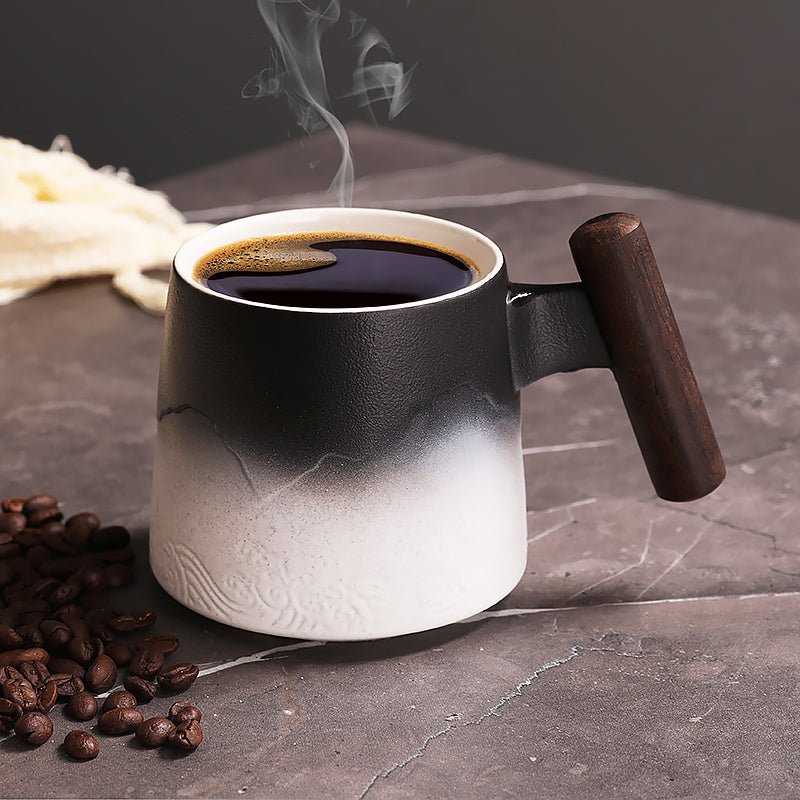
Coffee Mug Drawings: What to Check Before You Buy
Coffee mug drawings look simple online, but the real buy is about print method, mug shape, and daily care. We break down what lasts, what does not, and which sizes work best for desk use or gifting.
Weiterlesen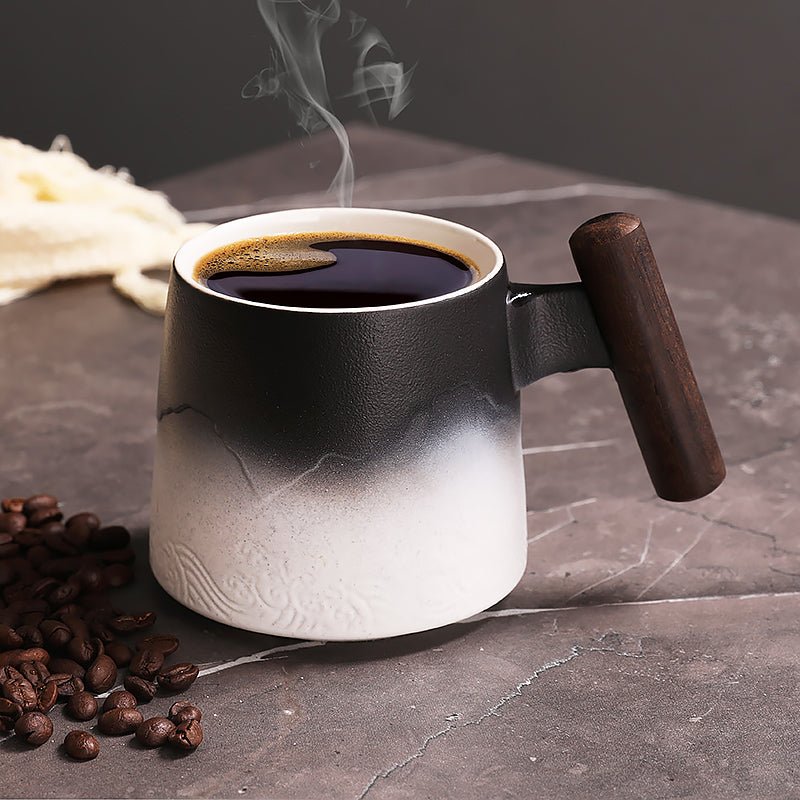
Red Coffee Mugs: Size, Material, and Finish Guide for Buyers
Red coffee mugs work best when the color fits the mug's job: daily coffee, office desks, or gifting. This guide breaks down size, material, finish, and care trade-offs so you can pick one that hold...
Weiterlesen
Hinterlasse einen Kommentar
Diese Website ist durch hCaptcha geschützt und es gelten die allgemeinen Geschäftsbedingungen und Datenschutzbestimmungen von hCaptcha.