
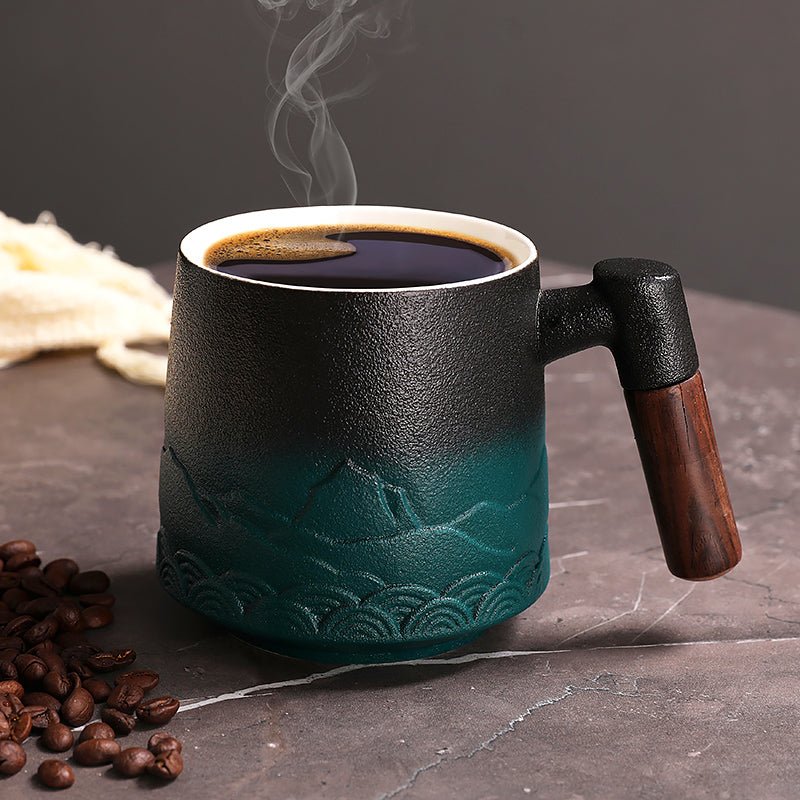
Dollar Tree Coffee Mugs: What to Check Before You Buy
Reading time: about 9 minutes
A mug that looks fine under fluorescent store lights can feel very different once it is on a kitchen counter, filled with hot coffee, and washed for the third time in a dishwasher. That is the real decision point with dollar tree coffee mugs: not the shelf tag, but the handle fit, glaze quality, and whether the mug survives daily use without becoming annoying.
We handle mugs for a living, and our advice is simple. If you need a spare for the office, a guest shelf, or a low-cost backup, a budget mug can make sense. If you want a mug that feels better in the hand, sits more steadily on the desk, and holds up as your daily favorite, it is worth comparing cheaper options against a more deliberate design like our Planet Coffee Tea Mug or browsing our full mug collection.
If you want a second checklist while you compare, our related guides on Dollar Tree Coffee Mugs: What Buyers Should Check Before Ordering and 12 oz Coffee Mugs: How to Choose the Right Mug for Daily Use cover the same decision from slightly different angles.
What makes dollar tree coffee mugs appealing in the first place?
The appeal is obvious: low upfront cost and fast availability. For a dorm room, a breakroom, a move-in box, or a cabinet that needs one more backup mug, that matters. You do not have to wait for shipping, and you do not have to overthink a mug that will only be used occasionally.
The trade-off is that cheap mugs often vary more from piece to piece. One cup may have a comfortable handle and a flat base, while another may feel awkward or sit a little unevenly. That inconsistency is the main reason shoppers end up replacing budget mugs sooner than they expected.
In our experience, the best use case for budget mugs is not the mug you reach for first every morning. It is the spare you do not mind lending, the desk mug that can disappear into the office sink, or the backup for tea service during a holiday visit.
What should you check before buying a cheap mug?
We always tell shoppers to look past the price and inspect the parts you touch every day. A mug does not have to be expensive to be useful, but it does need to be pleasant enough to keep using.
- Handle clearance: Make sure your fingers fit comfortably without rubbing the cup body. Thin handles are a common pain point on budget mugs.
- Rim finish: Run your eyes around the lip. A rough or uneven rim is distracting every time you drink.
- Base stability: Set it on a flat surface. If it rocks even slightly, it will feel cheap and can spill more easily on a desk.
- Glaze consistency: Look for thin spots, pinholes, or bubbles. These usually do not matter for a shelf display, but they matter when you want a mug to age well.
- Interior size: A mug can look large outside and still feel cramped inside. If you drink pour-over coffee or tea with milk, check the actual fill line by eye.
These details sound small, but they are the difference between a mug you keep and a mug you silently move to the back of the cabinet.
What are the common weak points in low-cost coffee mugs?
Cheap mugs often fail in predictable ways. We see the same patterns over and over: a handle that is too narrow, a glaze that looks fine until light hits it, and a base that feels a little unrefined on a hard countertop.
| Buyer check | Why it matters | What can go wrong |
|---|---|---|
| Handle shape | Controls comfort and grip | Knuckles scrape the mug body or the grip feels cramped |
| Rim smoothness | Affects the drinking experience | Rough glaze or a sharp edge feels cheap every sip |
| Base flatness | Prevents wobble on desks and counters | Mug rocks slightly and feels unstable |
| Surface finish | Signals consistency and durability | Scuffs, glaze pits, or visible tooling marks show up quickly |
| Size and balance | Determines how it feels when full | A tall mug can feel top-heavy when carried one-handed |
These issues do not make every inexpensive mug bad. They do mean you should treat a low-cost mug as a compromise, not a guaranteed daily workhorse.
When is a budget mug good enough, and when is it not?
A cheap mug is usually good enough when the job is simple. If you need something for occasional coffee, hot tea at a shared kitchen, or a backup for guests, a basic mug can do the work. If it chips a little over time, that may still be acceptable.
It is not the right choice if you care about a mug feeling balanced in the hand, if you use it several times a day, or if you want a gift that opens well and feels intentional out of the box. For that, the shape and finish matter more. A mug like our Rhombus Coffee Tea Mug is a better fit when the visual design and desk presence matter as much as the function.
We also would not recommend a bargain mug for situations where you need a dependable mug in a high-traffic office kitchen. Shared dishwashers, stacked cabinets, and hurried handling expose weak handles and brittle finishes faster than home use does.
What mug sizes do most shoppers actually need?
Most buyers start by guessing and end up choosing by habit. That is why size guides matter. A mug that is too small feels inconvenient for coffee drinkers who add milk or cream. A mug that is too large can cool too slowly or feel heavy when full.
As a practical rule, daily coffee drinkers often land in the 12 to 16 ounce range. Smaller servings work for espresso-based drinks or tea. Larger mugs suit people who want one fill to last longer, especially at a desk.
If you are trying to decide on capacity rather than style, our guides on 14 Ounce Coffee Mugs: Size, Fit, and Buying Guide and 16 Ounce Coffee Mugs: Size, Materials, and Fit Guide are useful comparisons. They help you think about real fill volume, hand feel, and cabinet storage instead of just reading the number on the listing.
If your current mug feels awkward because the handle is tight or the cup is too shallow, size is probably the problem. If the size is fine but the mug still feels disappointing, the issue is usually shape or finish.
How do our mugs compare to the cheapest options?
We build and select mugs for shoppers who want the object to feel considered, not disposable. That does not mean every buyer needs a premium mug. It does mean there is a clear difference between a low-cost impulse purchase and a mug chosen for everyday use.
Some of our mug shapes are designed to sit better on a desk, and that matters more than people expect. The Handbag Coffee Tea Mug, for example, is the kind of piece that makes sense when the mug is also part of the room's look. A mug with a stronger visual profile can be a better gift or a better desk accessory than a generic budget cup.
We are careful not to oversell that difference. A more distinctive mug is not automatically the right choice if you just want a plain spare for the kitchen. But if you are tired of mugs that feel flimsy in the hand or look interchangeable, the upgrade is noticeable the first week you use it.
Our view is straightforward: buy the cheapest mug only when the use case is genuinely disposable or occasional. If the mug will live on your counter, desk, or gift shelf, the details become worth paying attention to.
What should you check if you are buying a mug as a gift?
Gift mugs are judged differently from everyday mugs. The recipient notices shape, finish, and how it feels when unboxed. A mug that works as a cheap backup can still miss the mark as a present.
- Choose a shape that looks intentional rather than generic.
- Check that the handle looks comfortable for adult use, not just decorative.
- Make sure the finish is even enough to hold up under close inspection.
- Think about the recipient's drink habit: coffee, tea, or a larger all-day cup.
- Pick a mug that can sit on a shelf or desk without looking out of place.
If the mug is for a coworker, a teacher, or a housewarming basket, presentation matters more than the lowest possible price. That is where a distinct form factor can make a small gift feel more deliberate.
How should you care for a budget mug so it lasts longer?
Care is simple, but it is where many mugs lose their finish early. Avoid shocking a hot mug with cold water right away. Do not scrape the interior with metal utensils. If the mug has any rough glaze edge or faint surface mark, use a gentler sponge instead of an abrasive scrubber.
In real kitchens, the biggest wear comes from stacking, sink knocks, and dishwasher cycles. A mug with a thinner lip or weaker glaze will show that faster. If you are buying a low-cost mug, give it a little more space in the cabinet and avoid crowding it beside heavier stoneware.
That same advice applies to better-designed mugs too. Good care does not turn a basic mug into a premium one, but it can keep it useful long enough to justify the purchase.
Frequently asked questions
Are dollar tree coffee mugs good for everyday use?
They can be, but only if the specific mug has a comfortable handle, a flat base, and a smooth rim. Many work fine as backups or occasional-use mugs, but they are not always the best choice for a mug you reach for multiple times a day.
What is the biggest problem with cheap coffee mugs?
The most common problems are inconsistency and comfort. One mug may feel fine while another from the same shelf has a rough rim, a cramped handle, or a slight wobble on the counter.
Should I buy a cheap mug or spend more on one mug I will keep?
If the mug is for occasional use, cheap can be the right answer. If you drink from it daily, or if it is meant to be a gift, spending more usually gets you better balance, better finish, and less annoyance over time.
What size mug works best for coffee with milk or cream?
Most shoppers do well in the 12 to 16 ounce range. That gives enough room for coffee plus add-ins without forcing you to top off constantly or overfill the cup.
Can a budget mug still be a good gift?
Yes, but only if it looks intentional and feels solid in the hand. For gifts, the shape and presentation matter more than the lowest price. A distinctive mug often lands better than a generic bargain cup.
If you want to compare budget-friendly options against better-shaped everyday mugs, start with the checklist above and then browse our full mug collection. If you are choosing between sizes, our 12 oz and 16 oz guides are the fastest way to narrow it down before you buy.
Read more
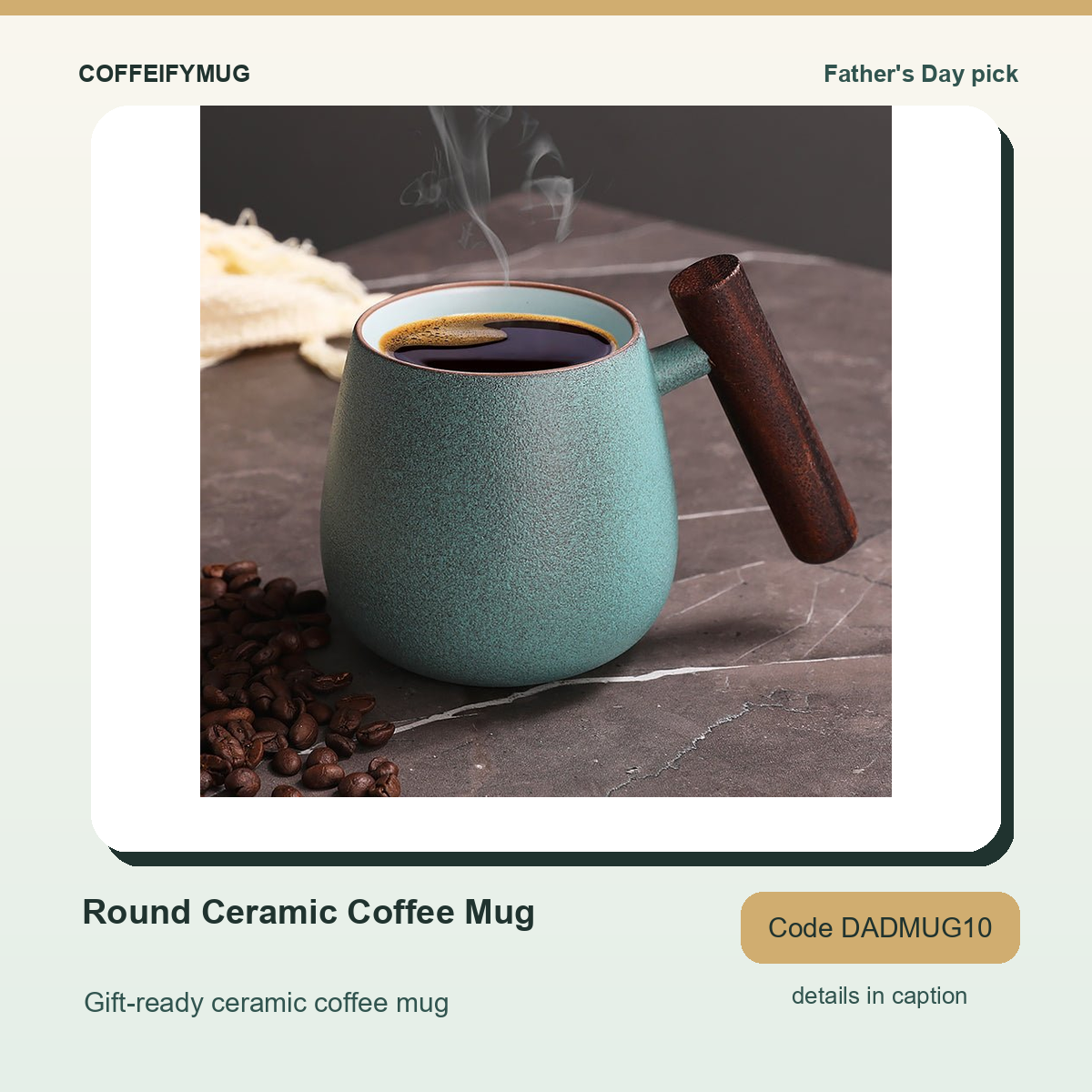
Coffee Mug Size Guide: 8 oz, 12 oz, 15 oz, and Large Mugs
Compare common coffee mug sizes by routine, capacity, handle comfort, and use case before choosing a ceramic mug.
Weiterlesen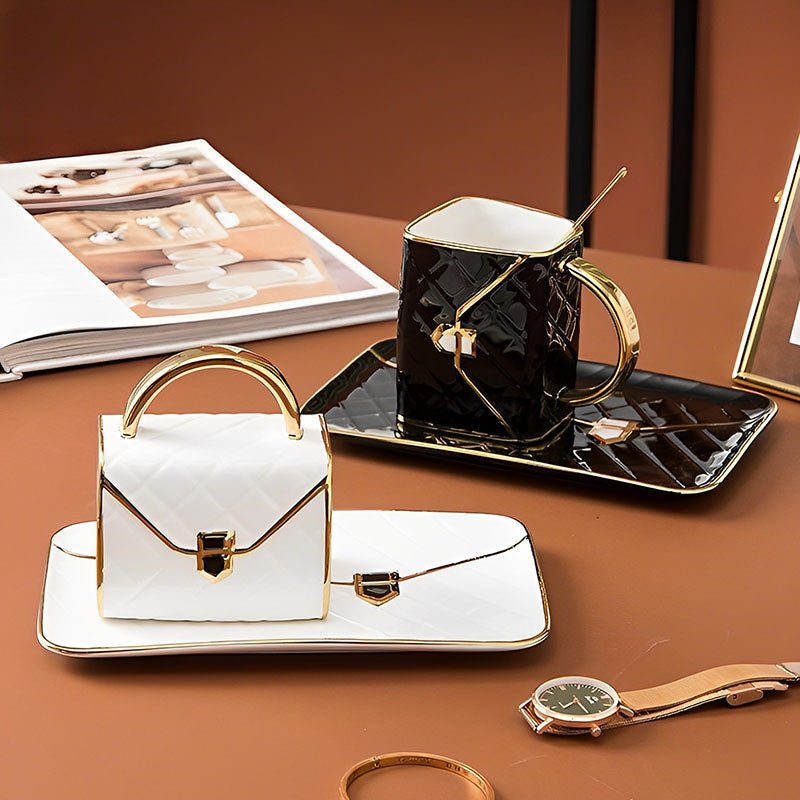
Stainless Coffee Mug Buying Guide for Daily Use and Gifting
A practical look at how a stainless coffee mug performs on a desk, in a commute bag, and during everyday cleanup. We cover size, lid fit, finish, and which styles are best for different buyers.
Weiterlesen
Hinterlasse einen Kommentar
Diese Website ist durch hCaptcha geschützt und es gelten die allgemeinen Geschäftsbedingungen und Datenschutzbestimmungen von hCaptcha.