
Denby Coffee Mugs: What to Check Before You Buy
Reading time: about 10 minutes
A mug can look perfect on a product page and still feel wrong the first time you pour a full coffee into it. With denby coffee mugs, most buyers are really deciding between feel, weight, glaze quality, and whether the mug suits their daily routine or just looks good on the shelf.
We handle and compare mugs for everyday use, so we look at the details that matter after the unboxing: how the handle fits two fingers, whether the rim feels comfortable, how a stoneware body behaves in the dishwasher, and whether the size actually matches your drink. If you are narrowing down options, our own collection of coffee mugs is a useful place to compare shapes side by side before you commit.
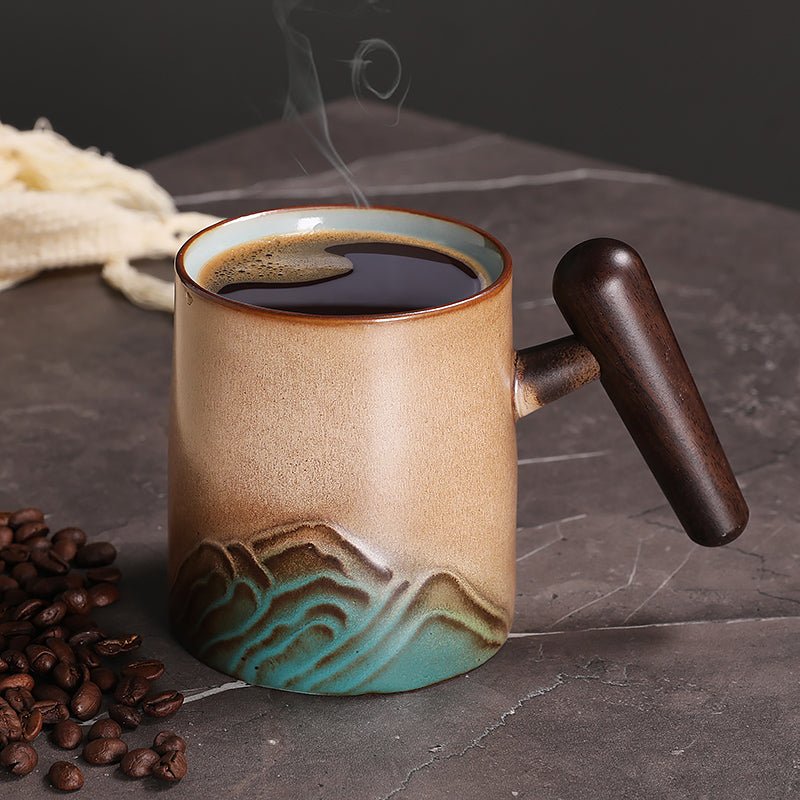
For shoppers who want a straightforward, everyday mug rather than a display piece, our Morning Night Coffee Tea Mug is a simple baseline. If you want a more nature-inspired look, the Mountain Coffee Tea Mug and Great Mountain Coffee Tea Mug are worth comparing for handle feel and desk-to-kitchen versatility.
What do buyers usually want from denby coffee mugs?
Most people searching for denby coffee mugs are not just looking for a logo or a style family. They want a mug that feels substantial, looks presentable enough for guests, and survives repeated use without developing annoying flaws like a too-thin rim, a handle that pinches, or a base that chips easily on a hard countertop.
In practice, that means the buying decision usually comes down to four things:
- Weight: A heavier stoneware mug often feels sturdy, but it can be tiring for long office sessions or people who prefer a lighter cup.
- Capacity: A mug around 12 oz works well for standard coffee and tea; larger sizes are better for milk-heavy drinks, but they can feel bulky in smaller hands.
- Handle size: A handle should fit comfortably without forcing your knuckles into the body of the mug.
- Finish: A smooth glaze is easier to wipe clean, while textured or matte surfaces can show cutlery marks more quickly.
That is why we always tell customers to think about how the mug will be used on a kitchen counter, at a work desk, or during a rushed morning refill. A mug that looks elegant in a cabinet may still be a poor daily choice if the shape is awkward or the wall thickness traps heat in an uncomfortable way.
Which mug size should you compare first?
Size is the first filter we use because it affects everything else: temperature retention, hand feel, and whether the mug suits black coffee, cappuccino, or tea with milk. If you already know you like a more compact drink, our 12 oz coffee mugs guide is a good companion read before you buy.
For denby coffee mugs, shoppers often compare these practical size bands:
| Size | Best for | Trade-off |
|---|---|---|
| 10 to 12 oz | Everyday coffee, tea, smaller servings | Less room for milk or foam |
| 14 oz | Larger pour, long desk sessions | Can feel heavier and wider in the hand |
| 16 oz | Big drinks, iced coffee, generous tea pours | May be too large for a compact cabinet or small hands |
We usually recommend matching mug size to the drink you actually make most often. A mug that is too large can cool faster because the drink spreads out more. A mug that is too small can feel cramped and spill-prone when filled near the rim.
How do you judge handle comfort and wall thickness?
This is where a lot of glossy mugs fail in real life. A handle can look elegant but still be awkward if it is too narrow, too tight to the body, or cut in a way that presses against the fingers. Wall thickness matters too: thick stoneware keeps the mug feeling solid, but if the rim and lip are too chunky, the drinking experience can feel blunt instead of refined.
When we evaluate mugs in our store, we check the following by hand rather than trusting the photos alone:
- Handle clearance: Two fingers should fit without scraping the mug body.
- Grip angle: The handle should let the mug hang naturally, not force a wrist twist.
- Rim comfort: A smoother rim is better for daily coffee and tea than an overly thick edge.
- Base stability: The mug should sit flat and not wobble on a countertop or tray.
If you are comparing this to more everyday, utilitarian shapes, our 12 oz coffee mugs buying checklist covers the same practical checks we use before stocking a style. That is the right approach for denby coffee mugs too. Style matters, but the hand test matters more.
What should you look for in glaze, color, and finish?
For denby coffee mugs, the finish is often part of the appeal. Buyers tend to want a mug that looks calm, durable, and table-ready without feeling fragile. A good glaze should look even, with no obvious pinholes, cloudy patches, or rough spots that catch a sponge during washing.
From a seller’s perspective, the finish is also where you notice small defects first. The common things we watch for are:
- Pinholes: Tiny surface marks that can show up in the glaze.
- Uneven foot rings: A rough base that can mark shelves or feel gritty in the hand.
- Color shift between pieces: Important if you are buying a set and want a matched table look.
- Hairline stress marks: Worth checking around the handle attachment and rim.
None of that means a mug is unusable, but these details affect how long the mug stays attractive if you wash it often and stack it with other kitchenware. If you care about a clean cabinet presentation, it is worth checking each mug under natural light before bringing it into daily rotation.
Are denby coffee mugs the right choice for daily use?
They can be, but only if you like a mug with some presence. Stoneware-style mugs are usually a better fit for people who want a stable feel in the hand and do not mind a bit of extra weight. They are less ideal if you want something very light for commuting between rooms, carrying to an office, or using with one hand while typing.
Here is the trade-off we see most often:
- Good fit: Home kitchens, guest cupboards, gifting, and people who want a mug that feels substantial.
- Not the best fit: Small espresso-style servings, very cramped shelves, or buyers who prefer ultra-light cups for long workdays.
- Care reality: Everyday washing is fine for many mugs, but decorative finishes need more attention than plain, durable utility pieces.
If you are still comparing, our 16 oz coffee mugs guide helps when you are deciding between a standard daily mug and a larger comfort-size cup. That comparison is useful because many denby coffee mugs sit in the middle ground: roomy enough for a full pour, but not always as large as a latte bowl.
What problems show up after a few weeks of use?
The issues that matter usually do not appear on day one. They show up after dishwashing, cabinet stacking, and a few hurried mornings. In our experience, the most common frustrations are not dramatic. They are small, repeated annoyances that decide whether a mug becomes your favorite or gets pushed to the back of the shelf.
Watch for these patterns:
- Heat retention that is too aggressive: A thick mug can keep the drink hot, but it may make the outside uncomfortable to hold for a while.
- Stacking wear: If the rim or foot ring is rough, stacked mugs can rub and chip over time.
- Handle fatigue: A handle that feels fine for a quick test may become irritating with repeated use.
- Dishwasher fading: Printed details or certain decorative finishes can lose sharpness after frequent cycles.
That is why we prefer plain, well-balanced mugs for daily drinkers and reserve decorative options for lower-frequency use or gifting. If you want a mug that is easy to live with rather than baby, choose the simpler shape.
How do denby coffee mugs compare with simpler everyday mugs?
The main difference is usually in feel and presentation. Denby coffee mugs tend to appeal to shoppers who want a more finished, homeware-forward look. Simpler everyday mugs are often easier to replace, easier to mix and match, and sometimes lighter in hand.
If we are being direct, the choice comes down to use case:
- Choose denby coffee mugs if: you want a richer table presence, a more substantial mug body, and a piece that looks good on a breakfast tray.
- Choose a plain daily mug if: you prioritize easy matching, lower visual risk, and a less expensive backup cup for busy mornings.
- Choose a larger mug if: you regularly make long drinks, iced coffee, or tea with a lot of milk.
For shoppers who want to compare against our own range without overcommitting, the Morning Night Coffee Tea Mug is a sensible all-rounder, while the Mountain Coffee Tea Mug and Great Mountain Coffee Tea Mug give you a different visual style without losing the practical day-to-day use factor.
What should you check before ordering a mug set?
If you are buying more than one mug, consistency matters. We see buyers focus on color and forget the things that make a set annoying later: slight size variation, different handle comfort, or a glaze that looks great individually but clashes when grouped on the shelf.
Before you buy, check these points:
- Dimensions: Confirm height, rim width, and total capacity if the mug needs to fit under a machine or on a narrow shelf.
- Handle clearance: Make sure the handle works for the largest hand in the household, not just the person ordering.
- Finish consistency: Look for even color and clean edges if the mugs will be displayed together.
- Care instructions: Confirm whether the mug is best treated as everyday dishwasherware or handled more carefully.
If you want a broader comparison point, the full mug collection helps you compare formats quickly. For more reading on capacity trade-offs, our 14 ounce coffee mugs guide is useful if you are trying to decide whether a mid-size mug will feel more comfortable than a compact one.
Frequently asked questions
Are denby coffee mugs good for everyday use?
They can be, especially if you like a mug with a heavier, more substantial feel. The main thing to check is whether the size and handle shape fit your routine, because a mug that feels great for weekend coffee may be less convenient at a desk or in a crowded cabinet.
What size denby coffee mug should I choose?
For most daily drinkers, 10 to 12 oz is a practical starting point. Move up to 14 oz or 16 oz if you like larger pours, milk-heavy drinks, or longer sessions at a desk where you do not want frequent refills.
Do stoneware coffee mugs chip easily?
They are durable for normal use, but the rim, handle edge, and base can chip if they are knocked against a sink, counter, or stacked roughly. We always recommend checking the foot ring and handle attachment before buying, because that is where wear usually starts.
Can I use denby coffee mugs in the dishwasher?
Many mugs are marketed for easy care, but you should always follow the product-specific care guidance. Decorative finishes, printed details, and hand-finished surfaces can need gentler handling than plain utility mugs.
What should I buy instead if I want a lighter mug?
If weight is your top concern, a simpler everyday mug is usually the better fit than a heavy stoneware style. Our Morning Night Coffee Tea Mug is a practical place to start if you want a daily-use cup that feels straightforward rather than bulky.
If you are comparing denby coffee mugs against other daily-use options, start with size, handle comfort, and finish quality, then decide whether you want a more substantial stoneware feel or a lighter mug for everyday use. If you want to keep comparing, check the full mug collection and match the mug to the way you actually drink coffee at home or at work.
Read more
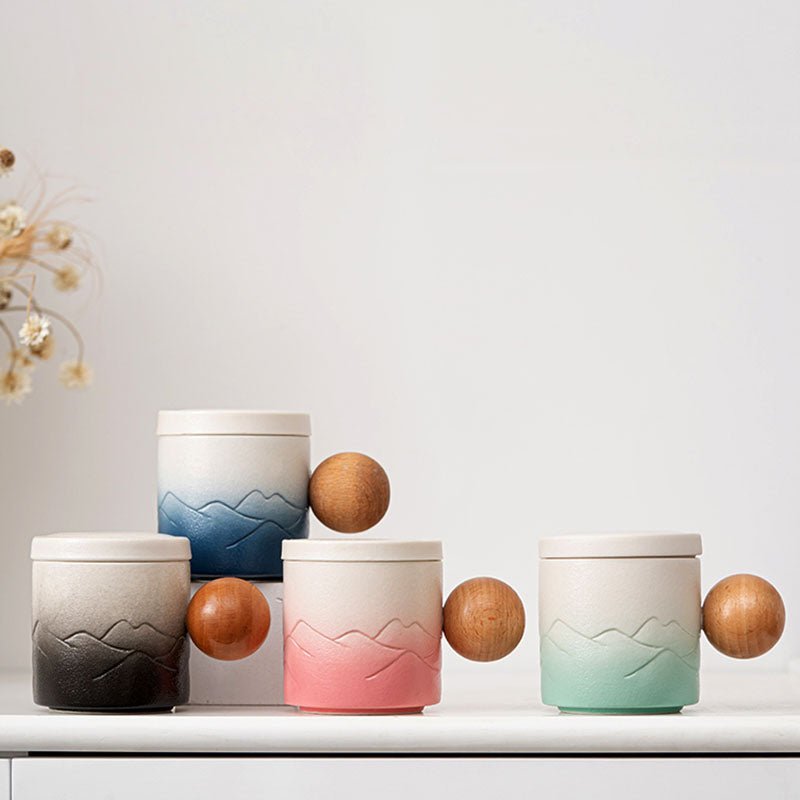
Wood Cups: What to Check Before You Buy for Daily Use
Wood cups can look warm and feel comfortable, but the real value is in the build: handle comfort, finish quality, and how easy they are to care for. This guide breaks down what we check before we p...
Weiterlesen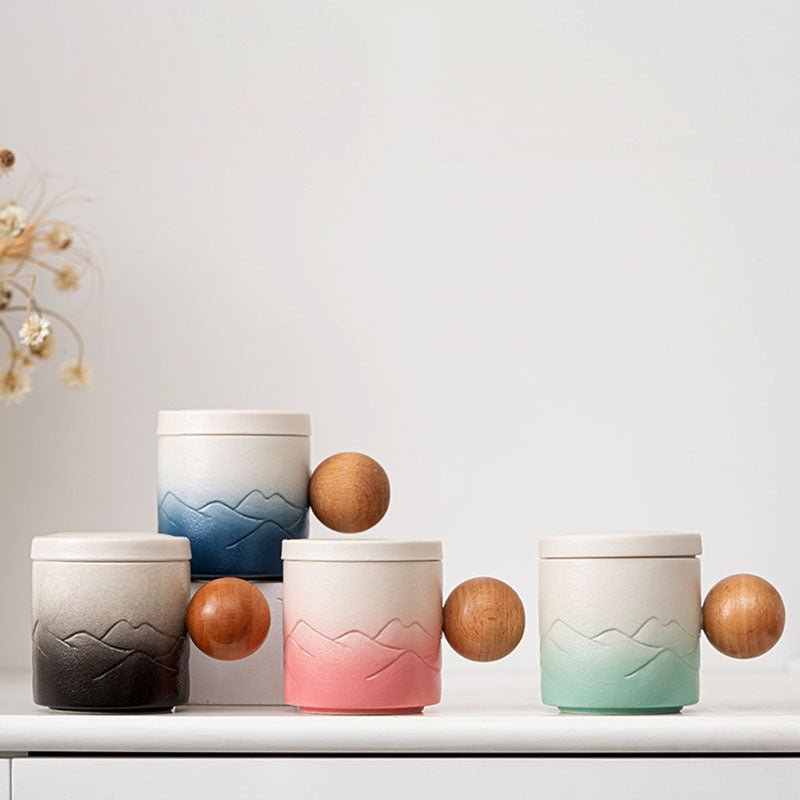
Oversized Mugs: How to Choose the Right Shape for Daily Use
Oversized mugs are not all comfortable to use. We compare shape, weight, material, and real-world fit so you can pick one that works on a desk, counter, or gift shelf.
Weiterlesen
Hinterlasse einen Kommentar
Diese Website ist durch hCaptcha geschützt und es gelten die allgemeinen Geschäftsbedingungen und Datenschutzbestimmungen von hCaptcha.