
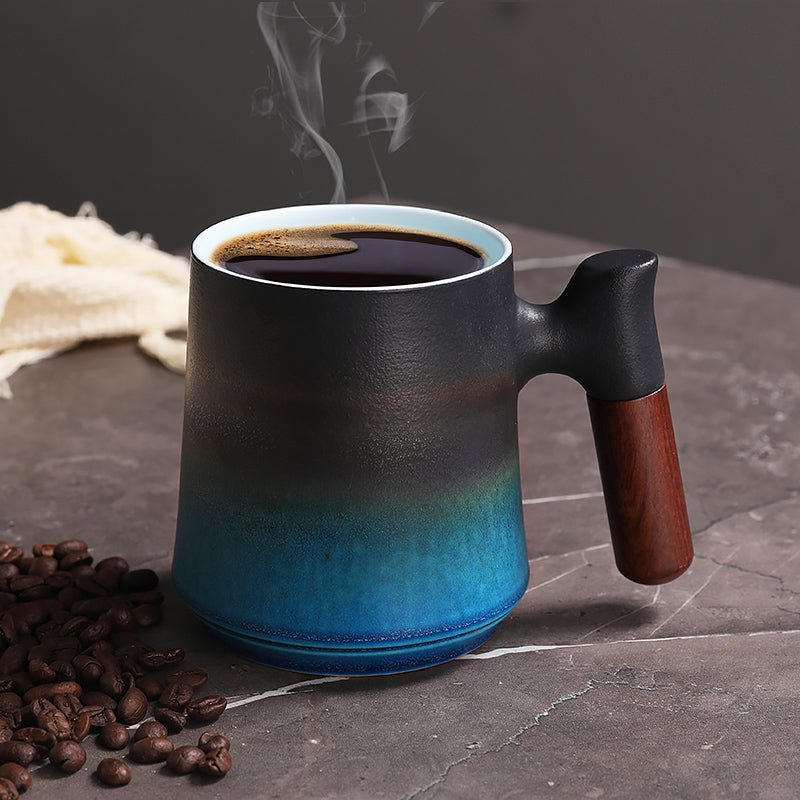
Cute Ceramic Coffee Mugs Capacity Guide: 400, 440, or 480 ml?
Reading time: about 9 minutes
A mug can look perfectly sized in a product photo, then feel surprisingly small after milk is added or unnecessarily bulky beside a keyboard. Our cute ceramic coffee mugs capacity guide focuses on that everyday mismatch. We compare the listed 400, 440, and 480 ml capacities against real serving routines, including a quick morning coffee, a slower desk drink, tea with room for a bag, and larger pours intended to reduce refills.
The product-specific facts below stay limited to the current product names, ceramic category, designs, and listed capacities. Refill patterns and serving suggestions are our practical fit assessment, not claims that every buyer pours the same amount. If the appearance matters as much as volume, you can also compare the broader unique coffee mugs collection before settling on a size.
Cute ceramic coffee mugs capacity guide: what changes from 400 to 480 ml?
An 80 ml difference does not sound dramatic on paper. On a kitchen counter or office desk, however, it can be the difference between finishing a drink while it is still at the temperature you prefer and leaving part of a larger serving untouched. It also affects how much room you have for milk, foam, a tea bag, or ice.
| Current product | Listed capacity | Our practical serving fit | Main trade-off |
|---|---|---|---|
| Handbag Coffee Tea Mug | 400 ml | Moderate coffee or tea servings | Less room for large iced or heavily milk-based drinks |
| Pleated Coffee Tea Cup | 440 ml | Longer desk drinks and flexible mixed servings | Slightly more volume than a short-coffee drinker may need |
| The Gradient Coffee Tea Mug | 480 ml | Large tea, milk coffee, or fewer-refill routines | More drink to finish and a larger format to accommodate |
These are listed capacities, not prescribed fill lines. A brim-full measurement is rarely the most comfortable daily pour. Steam, movement, milk, foam, tea infusers, and ice all need headroom, so usable serving volume will usually be lower than the number on the product page.
400 ml Handbag Mug: does it fit a regular coffee routine?
The 400 ml Handbag Coffee Tea Mug is the most restrained capacity in this comparison. We would point a shopper toward it when the situation is a moderate morning pour, a standard tea session, or a decorative gift that still needs to function as an everyday mug. Its handbag-inspired presentation also gives the recipient an immediate visual feature during unboxing rather than relying on capacity alone.
- Best fit: One moderate drink that does not need a large amount of milk, foam, or ice.
- Refill pattern: Suitable for someone comfortable returning to the kettle or coffee maker if they want a second serving.
- Desk fit: A sensible starting point for drinkers who do not want the largest mug beside a laptop, notebook, or phone.
- Not ideal for: Oversized iced coffee, a very large latte-style drink, or anyone specifically trying to minimize refills throughout a long work block.
Choose this one because the serving routine is moderate and the handbag design is the priority. Do not choose it solely because 400 ml sounds large; leave space for additions and consider the volume you actually finish before the drink cools.
440 ml Pleated Cup: is the middle capacity the most flexible?
The Pleated Coffee Tea Cup sits between the other two at 440 ml. That middle position is useful for shoppers who alternate between black coffee, tea, and drinks with milk. It provides more margin than the 400 ml mug without moving straight to the largest listed option.
In our experience selling mugs, this is the capacity range buyers often find easier to share across routines. One person can use a lower fill for coffee, while another can take advantage of the extra room for tea or milk. Capacity is available without requiring every serving to use it.
- Best fit: A mixed household or office routine with different drinks from day to day.
- Refill pattern: A longer single serving, with the option to pour less when a shorter drink makes more sense.
- Style fit: The pleated design suits a shopper who wants visible ceramic texture rather than the handbag or gradient look.
- Not ideal for: Someone who consistently drinks small servings and dislikes unused space in the cup.
The buyer situation here is flexibility: one mug needs to handle several serving styles. The 440 ml Pleated Coffee Tea Cup is the relevant next step because its listed capacity occupies the middle of the current comparison.
480 ml Gradient Mug: who benefits from the largest option?
The 480 ml Gradient Coffee Tea Mug is the largest option covered here. We would match it with a shopper who makes a substantial tea, adds a meaningful amount of milk to coffee, or prefers carrying one drink to a desk instead of getting up for an early refill.
That extra capacity is not automatically better. A large ceramic mug can encourage a bigger pour than someone normally finishes, and a drink may spend longer cooling during a meeting or focused work session. Buyers who prefer short, concentrated coffee should usually start with a smaller format rather than treating unused capacity as a benefit.
- Best fit: Large hot drinks, milk-forward servings, or a fewer-refill work routine.
- Refill pattern: The strongest option of these three for extending the first serving.
- Style fit: A direct choice for shoppers who prefer the gradient design and want the highest listed capacity in this group.
- Not ideal for: Small coffee servings, crowded work surfaces, or drinkers who routinely leave part of a large mug unfinished.
The right reader situation is clear: choose 480 ml when you regularly use the space. The product page is the best next stop for checking the current design details before adding it to your cart.
How much of the listed capacity should you actually pour?
Capacity describes available volume, but it does not tell you how close to the rim you will enjoy drinking. We use a simple routine check with shoppers: picture the drink after every ingredient has been added, not just the first coffee or tea pour.
- Start with the base drink. Think about the amount of brewed coffee, espresso plus water, or tea you normally prepare.
- Add milk, foam, or creamer mentally. A cup that fits the base coffee may become tight once the drink is completed.
- Allow handling room. Carrying a mug from the kitchen to a desk is easier when liquid is not close to the rim.
- Account for tea tools or ice. A tea bag, infuser, or ice cubes displace liquid and need working space.
- Check what you finish. A larger capacity does not help if the final third is routinely left cold.
This is general serving guidance, separate from the product specifications. The product pages provide the listed capacity; your ingredients and preferred headroom determine the practical daily pour.
Which capacity matches your refill pattern?
Refill frequency is often a better decision variable than mug size in isolation. On our own counters and desks, we see three distinct routines:
- Fresh second pour: Pick 400 ml if you enjoy returning for another hot serving instead of holding one larger drink for longer.
- Flexible single serving: Pick 440 ml if your drink changes across coffee, tea, and milk-based preparations.
- Long work block: Pick 480 ml if you want the most listed volume before the next kitchen trip and normally finish a large serving.
If your normal reference point is a smaller 12 oz format, our 12 oz ceramic coffee mugs capacity guide can help you compare that familiar serving with these larger listed options. Shoppers considering a present can also use the 400, 440, and 480 ml coffee mug gift capacity guide to weigh recipient habits alongside presentation.
How should you care for a glazed ceramic mug?
Care directions on the current product page should take priority, especially for dishwasher and microwave use. We do not assume those appliances are suitable unless the listing explicitly says so. For routine ceramic handling, these conservative steps help protect the rim, glaze, base, and handle area:
- Inspect the rim and handle junction for chips or hairline cracks before the first use and after accidental knocks.
- Avoid pouring very hot liquid into a mug that is unusually cold; sudden temperature changes can stress ceramic.
- Use a soft sponge and nonabrasive cleaner when hand washing so the glazed surface is not unnecessarily scuffed.
- Do not keep using a mug with a growing crack, a loose-feeling handle, or a sharp chipped drinking edge.
- Dry the mug before placing it in a cabinet, particularly if its shape prevents air from moving freely around the base.
Decorative ceramic mugs can also require more cabinet planning than plain stackable cups. Check the product photography and dimensions shown on the listing if shelf height, stacking, or clearance under a coffee machine is a deciding factor.
Frequently asked questions
Which capacity in the cute ceramic coffee mugs capacity guide leaves room for milk?
The 440 and 480 ml options provide more listed volume than the 400 ml mug, so they are the more practical starting points for drinks with a substantial milk addition. Your usable pour still depends on how much headroom you leave and the amount of coffee used as the base.
Is a 400 ml ceramic mug too small for daily coffee?
No. It suits a moderate serving and can be preferable if you like a fresh refill or rarely finish oversized drinks. It is less suitable for large iced coffee or milk-heavy recipes that need considerable extra room.
Should I buy 440 ml or 480 ml for an office desk?
Choose 440 ml for flexibility and a somewhat more restrained serving. Choose 480 ml if reducing refill trips matters more and you regularly finish a large drink. Also check the product page dimensions if your desk is crowded or you use a fixed cup space.
Does listed mug capacity equal the comfortable drinking volume?
Not necessarily. Listed capacity describes total available volume, while a comfortable pour usually leaves room below the rim for carrying, stirring, milk, foam, tea tools, or ice. Treat the listed figure as a comparison point rather than a required serving size.
Can these ceramic mugs go in a dishwasher or microwave?
Follow the care information on the individual product page. Material alone does not confirm that a specific decorative finish or construction is suitable for a dishwasher or microwave, so we recommend checking the current listing rather than assuming.
Which mug page should you open next?
- Open the Handbag Coffee Tea Mug if 400 ml, moderate pours, and its handbag-inspired look match the recipient or routine.
- Open the Pleated Coffee Tea Cup if 440 ml and day-to-day flexibility are the strongest priorities.
- Open The Gradient Coffee Tea Mug if 480 ml, fewer refills, and the gradient design make sense for the intended serving.
Before buying, confirm three points: the volume you normally finish, the space needed for milk or ice, and the design you want to handle every day. Then compare the current options in our unique ceramic coffee mug collection and use the individual product page to verify the latest specifications and care details.
More from our blog
Read more
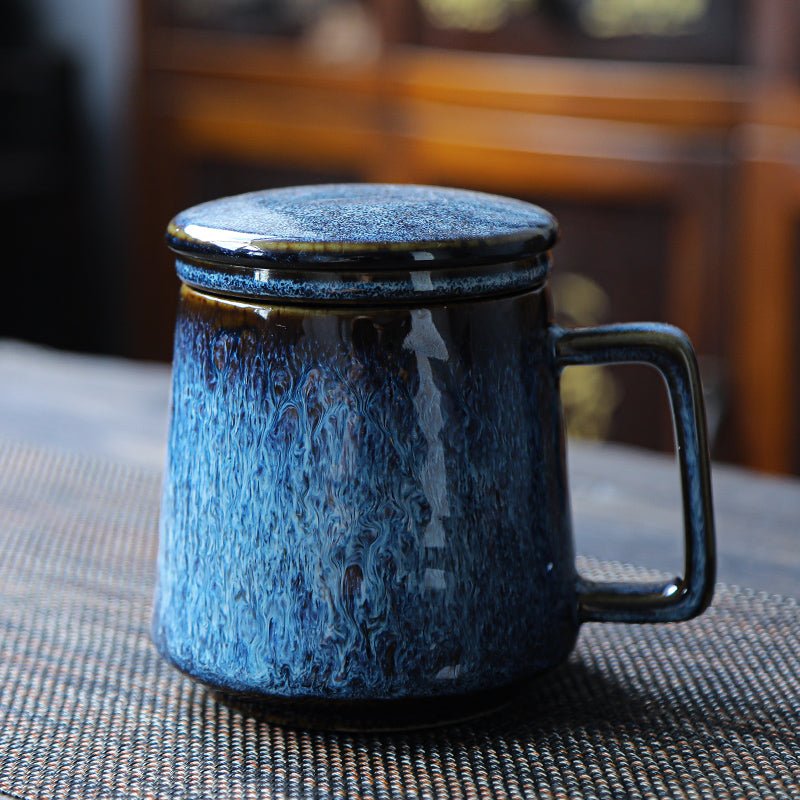
Oversized ceramic coffee mugs capacity guide: 400, 440, 480 ml
Compare 400, 440, and 480 ml ceramic mugs by usable pour, refill frequency, drink style, and current CoffeifyMug product fit. Includes practical guidance for milk, ice, desk use, care, and gifting.
Weiterlesen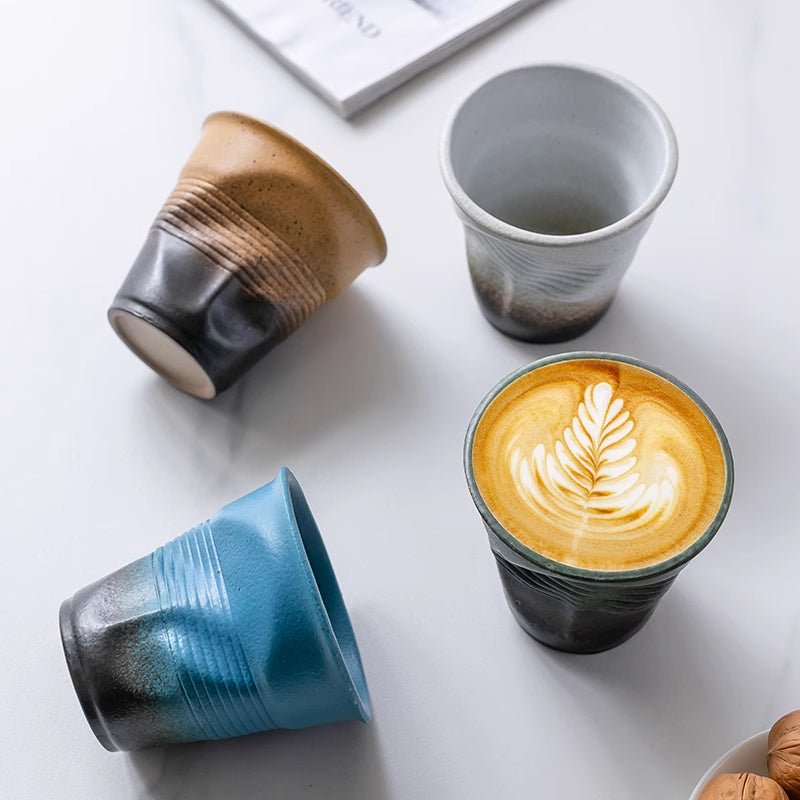
Lungo Coffee Cup Capacity Guide: 170, 200, or 270 ml?
Compare CoffeifyMug's current 170, 200, and 270 ml options by planned headroom, refill habits, and everyday serving routine. Includes practical capacity calculations and clear product matches.
Weiterlesen
Hinterlasse einen Kommentar
Diese Website ist durch hCaptcha geschützt und es gelten die allgemeinen Geschäftsbedingungen und Datenschutzbestimmungen von hCaptcha.