
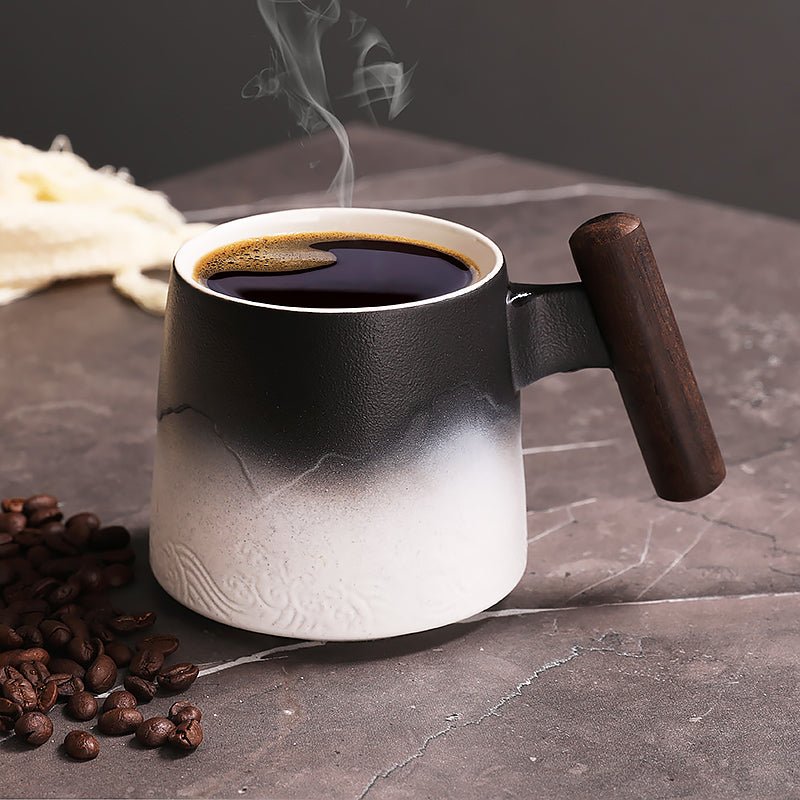
Cracker Barrel Coffee Mugs: Size, Style, and What to Check
Reading time: about 8 minutes
A mug that looks right on the shelf can still be wrong in the hand. With cracker barrel coffee mugs, the details that matter most are usually the ones shoppers only notice after the first pour: how thick the rim feels, whether the handle clears two fingers comfortably, and whether the glaze will hold up after repeated dishwasher cycles.
We see this a lot in our store. People want a mug with that classic, homey diner feel, but they also want something they can use every day without babying it. That is the right way to shop. A good mug should work on a kitchen counter, at an office desk, and during a gift unboxing without feeling fragile or fussy.
If you are comparing everyday mug sizes at the same time, our 12 oz Coffee Mugs: What to Check Before You Buy guide and 16 Ounce Coffee Mugs: Size, Materials, and Fit Guide can help you judge whether this style matches your drink habits.
What makes cracker barrel coffee mugs appealing to buyers?
Most shoppers are drawn to this style because it feels familiar. The appeal is usually not sleek minimalism. It is the opposite: a sturdy, classic mug with enough visual weight to feel substantial in the hand.
In practical terms, that usually means a few things buyers notice right away:
- A thicker ceramic or stoneware body that feels durable on a table.
- A curved handle that works better for casual sipping than for rigid, narrow grips.
- A profile that suits drip coffee, tea, cocoa, and reheated leftovers of coffee that sat a little too long.
The trade-off is real. Heavier mugs are not ideal if you want something featherlight for a packed office bag or a camp setup. They can also be too bulky for tiny hands, espresso servings, or tight under-cabinet storage.
Which material should you look for?
For cracker barrel coffee mugs, the material matters more than the branding style. Most buyers are comparing ceramic and stoneware. Both can work well, but they behave differently in daily use.
| Material | What it feels like | Best for | Watch for |
|---|---|---|---|
| Ceramic | Smoother and often a little lighter | Daily coffee, gift sets, general kitchen use | Chips on the rim if handled roughly |
| Stoneware | Heavier and more substantial | At-home coffee, soup, cocoa, long use on the counter | Can feel bulky and may take longer to dry |
We usually tell shoppers to check the finish closely. A glossy glaze is easier to wipe clean, but it can show fine scratches over time. Matte finishes can look great, but they may show utensil marks or feel slightly rougher after repeated use.
Also check whether the mug is fully microwave safe and dishwasher safe. Decorative accents, metallic trim, or specialty printed surfaces can change that answer. If a mug is meant to be used every morning, simple care instructions are usually the safer choice.
What size works best for daily coffee?
This is where many shoppers get it wrong. A mug can look perfect online and still hold too much or too little for the way you actually drink coffee.
If you want a standard drip coffee portion, many buyers are happiest in the 12 oz to 16 oz range. That is enough room for coffee plus cream without making the mug feel oversized. If you prefer larger pours, a bigger mug can reduce refills, but it will also get heavier when full.
For a quick side-by-side view, our 16 oz Coffee Mugs: What to Check Before You Buy and 20 Ounce Coffee Mugs: What Buyers Should Check Before Ordering posts cover the trade-offs more directly. If you are buying for a strong tea drinker or someone who likes a big evening cocoa, a 20 oz format may make sense. If you want a better fit for espresso-based drinks or smaller portions, that is usually too much mug.
- Choose 12 oz if you want a standard, easy-to-lift everyday cup.
- Choose 16 oz if you like a fuller pour with room for milk or foam.
- Choose 20 oz only if you truly use large servings and do not mind the extra weight.
How do you judge handle comfort and balance?
Handle comfort is one of the first things customers remember after the mug arrives. It is also one of the easiest things to overlook in product photos.
A good handle should let at least two fingers pass through without scraping the mug body. The mug should feel balanced when full, not top-heavy. If the handle sits too close to the cup wall, the mug can get hot in the wrong place and feel awkward to carry.
In our experience, this matters most in three situations:
- Morning use when your hands are not fully awake yet.
- Office use when you are carrying a mug between desk and printer with one hand.
- Gift use when the first impression is based on how it feels, not just how it looks.
A mug that looks charming but has a cramped handle will end up sitting on the shelf. That is not a defect in the design so much as a mismatch for the buyer.
What defects or wear should you check before buying?
We look for a few common problems whenever we evaluate a mug line. None of these are dramatic, but they affect how long the mug stays satisfying to use.
- Hairline glaze crazing, which shows up as fine lines in the finish.
- Uneven foot rings that make the mug rock slightly on a flat surface.
- Sharp glaze edges around the rim or handle seam.
- Print fading or surface wear after repeated washing.
These issues are especially worth checking if you plan to use the mug every day. A slightly imperfect finish may be acceptable for a decorative shelf piece, but it is less acceptable for a mug that will go through regular dishwasher cycles and hot drinks.
If you want a fuller buying checklist for other classic styles, our Crate and Barrel Coffee Mugs: What Buyers Should Check First article covers similar quality checks that apply well here too, especially around build, glaze, and everyday use.
Are these mugs good for gifts, kitchens, or offices?
They can fit all three, but not equally well.
For gifts, cracker barrel coffee mugs work because they feel familiar and practical. They are easy to understand, and most people know exactly how they would use one. That makes them safer than a novelty mug with a joke that lands poorly or a handle shape that looks interesting but feels awkward.
For kitchens, this style is a strong fit if you want a mug that can move from breakfast coffee to afternoon tea without feeling out of place. It also pairs nicely with other simple stoneware pieces.
For offices, the main question is storage. If your office cabinet shelves are shallow, a thick mug can be annoying to stack or line up. It is also not the best choice if you rely on a narrow cup holder or a travel lid. If portability matters more than comfort, a travel mug is the better pick.
Our rule of thumb: buy the mug for the way you actually drink, not the way you imagine it on a styled shelf.
How should you care for a mug if you want it to last?
Basic care is usually enough, but consistency matters. Most ceramic and stoneware mugs hold up well when you keep the routine simple.
- Wash after use so coffee oils do not build up in the glaze.
- Let the mug cool before adding cold water, which helps reduce thermal stress.
- Use the dishwasher only if the mug is labeled dishwasher safe.
- Skip abrasive scrubbers on printed or glossy finishes.
- Check the rim and handle periodically for small chips before the damage spreads.
These steps sound basic because they are. But they are also the difference between a mug that looks decent after months of use and one that starts looking tired after a few weeks.
Frequently asked questions
Are cracker barrel coffee mugs usually ceramic or stoneware?
They are commonly ceramic or stoneware, and both can be good choices for daily use. Ceramic tends to feel a bit lighter, while stoneware usually feels thicker and more substantial. Check the product details if you need a specific weight or finish.
What size should I buy if I drink one standard cup of coffee?
For one standard cup, 12 oz is usually the safest starting point. It gives you room for coffee and a little milk without feeling oversized. If you like a larger pour or tend to add a lot of cream, 16 oz is often the better fit.
Can I put this style of mug in the dishwasher?
Only if the specific mug is labeled dishwasher safe. Plain ceramic and stoneware often are, but printed surfaces, special glazes, or decorative accents can change that. We always recommend checking the care note before the first wash.
Are these mugs good for microwave use?
Many are, but not all. Avoid microwave use if the mug has metallic trim, foil-like printing, or care instructions that say otherwise. If microwave convenience matters, choose a simple ceramic or stoneware mug with clear care labeling.
What is the biggest drawback of cracker barrel coffee mugs?
The main drawback is size and weight. They can feel too heavy for some users and too bulky for small cabinets or travel use. If you want something ultra-light or highly portable, a different mug style will fit better.
What should you compare before you order?
If you are narrowing your options, focus on the basics that affect daily use, not just the look.
- Capacity: 12 oz, 16 oz, or 20 oz based on your real pour size.
- Material: ceramic for lighter daily use, stoneware for more heft.
- Handle: enough clearance for comfortable fingers.
- Care: dishwasher and microwave compatibility if convenience matters.
- Finish: smooth glaze if you want easy cleaning, plain surfaces if you want fewer care concerns.
If you want to compare this style against other everyday options, browse our full mug collection and match the shape, size, and finish to how you actually drink. If your main priority is a reliable daily cup, that is the fastest way to avoid buying the wrong mug twice.
More from our blog
Read more
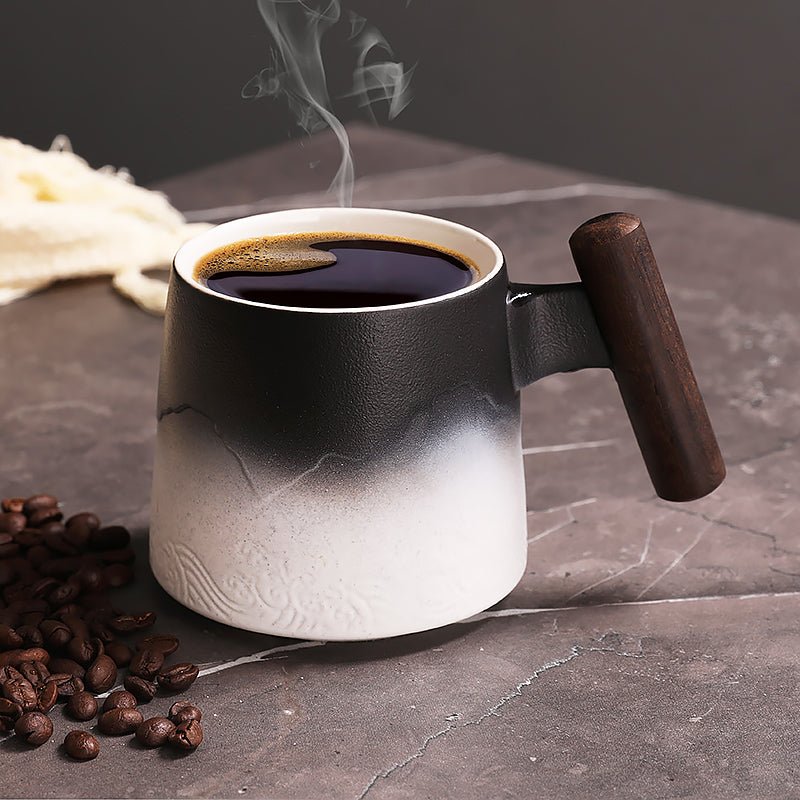
Coffee Mug Pipe Buying Guide: What to Check Before You Buy
A coffee mug pipe can be a smart gift or desk piece, but only if the material, balance, and cleanup make sense for the way it will be used. We break down the checks our team uses before recommendin...
Weiterlesen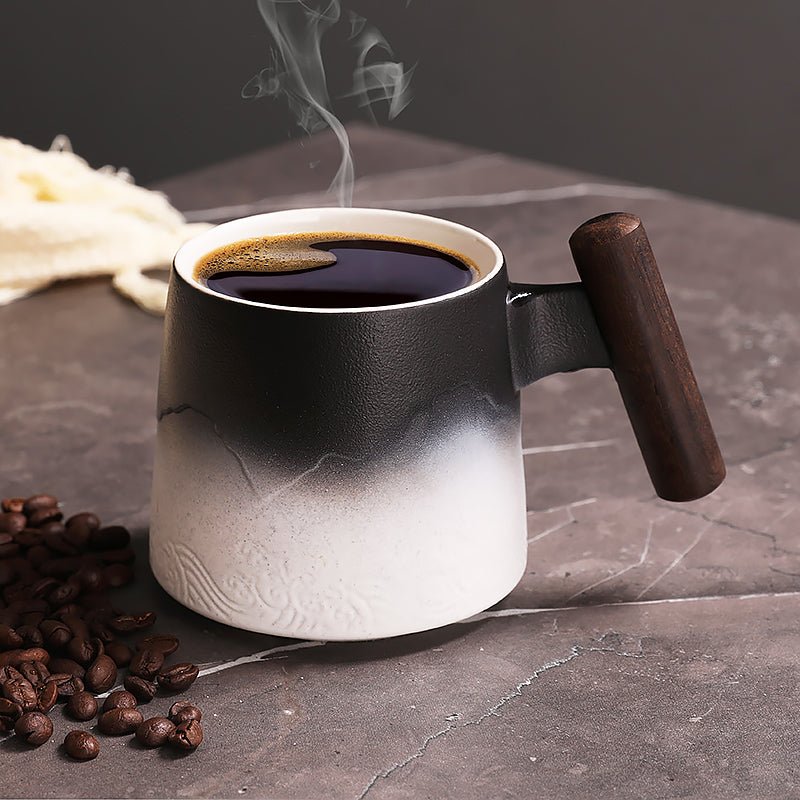
How Many Oz in a Coffee Mug? Common Sizes and What Fits Best
A coffee mug label does not always match the pour you actually use. Here we break down common mug sizes, what fits comfortably, and what to check before you buy.
Weiterlesen
Hinterlasse einen Kommentar
Diese Website ist durch hCaptcha geschützt und es gelten die allgemeinen Geschäftsbedingungen und Datenschutzbestimmungen von hCaptcha.