
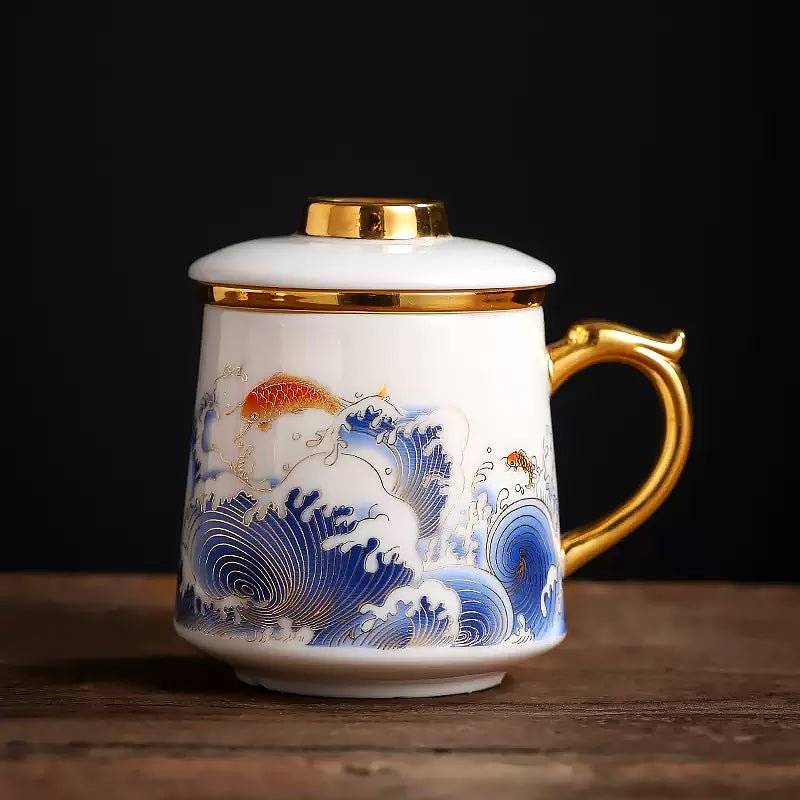
Cool Coffee Mug for Microwave: What to Buy and What to Avoid
Reading time: about 11 minutes
We see this problem all the time: someone wants a mug that looks good on a desk, feels solid in the hand, and can go straight from the shelf to the microwave without drama. That last part sounds simple until the handle gets too hot, the print fades, or the mug is too shallow and spills over on the way back from the microwave.
If you are shopping for a cool coffee mug for microwave use, the real question is not just how it looks. It is whether the mug can handle daily reheating, regular washing, and the little abuse that comes with real life on a kitchen counter or office desk. We sell and handle this category every day, and the best choices usually come down to material, shape, and finish — not just the design on the front.
What makes a coffee mug truly microwave-friendly?
A microwave-friendly mug has to do three jobs well at once: heat safely, hold up to repeated use, and stay comfortable enough to carry. In our experience, the mugs that perform best are usually ceramic stoneware or porcelain with a smooth glaze and no metallic decoration.
Here is what we check first in our store before we would recommend a mug for microwave use:
- Material: Ceramic, stoneware, and porcelain are the usual winners. Glass can work too, but it is not always the most comfortable or practical for coffee.
- Decoration: No foil accents, metallic trim, or raised embellishments that can interfere with microwave use or wear down in washing.
- Wall thickness: A mug that is too thin can feel flimsy, while one that is very thick can stay cooler on the outside but may heat unevenly.
- Finish: A smooth glaze is easier to clean and less likely to stain from coffee oils over time.
- Handle shape: A good handle should fit two or three fingers comfortably and stay usable after heating.
That last point matters more than people expect. A mug can be microwave-safe on paper and still be awkward in real use if the handle gets hot or the opening is too wide for stable carrying.
If you want the deeper buying checklist, we also break this down in our post on Microwave Safe Coffee Mug: How to Choose One That Actually Holds Up.
Which materials work best for microwave use?
The short answer: ceramic and stoneware are usually the safest everyday bet, with porcelain close behind. Each one has trade-offs, and those trade-offs matter if you are buying for a kitchen, office, or gift.
| Material | What it does well | Trade-off | Best fit |
|---|---|---|---|
| Ceramic | Common, comfortable, broad design range | Can be heavy and may vary by glaze quality | Daily home or office use |
| Stoneware | Solid feel, durable body, good heat retention | Often thicker and a little heavier | People who like a sturdier mug |
| Porcelain | Clean look, lighter feel, smooth finish | Can chip if handled roughly | Gift mugs and lighter everyday use |
| Glass | Easy to see contents, usually microwave-friendly if labeled | Can feel hot and is less forgiving if dropped | Minimalist setups and occasional use |
We like ceramic and stoneware most for a cool coffee mug for microwave use because they balance practicality with style. They also tend to hold up better to the repeated cycle many customers put them through: coffee in the morning, rinse at lunch, dishwasher at night, repeat.
That said, a mug that feels great in the hand is not always the best for everyone. If you want something ultra-light for carrying from counter to desk, porcelain may suit you better. If you prefer a heavy mug that stays planted on the table, stoneware is often the better pick. If you are comparing sizes, our guides on 20 oz Coffee Mug: What to Check Before You Buy and 8 oz Coffee Mug: What to Check Before You Buy can help you match capacity to your routine.
What size should you choose for a microwave mug?
Size affects more than capacity. It changes how the coffee heats, how much room you have for foam or cream, and whether the mug feels stable when you carry it out of the microwave.
For most shoppers, these are the practical size ranges we see work best:
- 8 oz: Best for smaller servings, espresso-based drinks with added hot water, or people who do not want a large mug taking up desk space.
- 11 to 15 oz: The most balanced everyday size for drip coffee, tea, and reheating leftovers like cocoa or broth.
- 20 oz: Good for big coffee drinkers, but less ideal if your microwave has a small turntable or if you tend to fill mugs too full before reheating.
A larger mug is not automatically better. A 20 oz mug can be useful, but it may heat unevenly if the liquid is shallow and spread across a wide base. It can also be too bulky for compact microwave interiors. On the other hand, a small mug may look sleek but feel limiting if you actually drink a full cup before leaving the house.
If you want to compare mug sizes with buying intent in mind, our collection pages are the fastest place to review current options: our full mug collection and the product listings at our products page.
What design details make a mug look cool without causing problems?
A mug can look great on a shelf and still be annoying in daily use. We have seen plenty of sharp-looking mugs with weak handles, awkward lips, or prints that chip after normal washing. The best designs stay simple where it matters and creative where it is safe to be creative.
Look for these details if you want something that feels cool without becoming fussy:
- Stable base: A flat, even bottom helps prevent wobble on desks and microwave plates.
- Rounded lip: Easier to sip from and usually more comfortable than a thick, squared rim.
- Comfortable handle clearance: Enough space for fingers, even if the mug is hot.
- Simple print placement: Artwork placed away from the base and rim tends to wear better.
- Glaze consistency: An even glaze usually signals better finishing and easier cleaning.
Style matters, but the mug should still work in a real kitchen. A dark matte finish may look sharp, yet some matte glazes can show utensil marks or coffee residue more easily than glossy finishes. A glossy mug can feel easier to maintain, though it may not have the same tactile look. That is a fair trade-off, and buyers should choose based on how they actually clean and use the mug.
For shoppers who want a mug that feels more personality-driven, our article on Awesome Coffee Mugs: How to Choose a Mug You’ll Actually Use is a useful companion read.
How can you tell if a mug will hold up to daily reheating?
Daily microwave use is where weak mugs show their problems. In our experience, the common failure points are not dramatic. They are small annoyances that add up: a handle that gets too warm, hairline crazing in the glaze, a printed design that fades, or a chip on the lip after a few sink bumps.
Before buying, we recommend checking for these practical signs of durability:
- Even glaze coverage: Bare spots or rough patches can be a bad sign for long-term cleaning and wear.
- Solid handle attachment: The handle should look integrated with the body, not thin or delicate.
- Balanced weight: A mug that is too light can feel fragile; too heavy can be tiring if you carry it a lot.
- Clean rim finish: The lip should feel smooth, with no sharp edge or visible seam.
- Dishwasher-friendly care: If the mug can handle the dishwasher, it is usually easier to keep in regular rotation.
Microwave use alone is not the full test. A real mug also has to survive the sink, the dishwasher rack, and the occasional tap against a countertop. That is why we do not oversell novelty pieces as everyday staples. Some are better as desk decor or gift mugs than as hard-working coffee cups.
We tell customers the same thing we tell ourselves in the store: a good mug should be easy to reach for on a busy morning, not just nice to photograph once.
Which mugs are better for gifts, office desks, or home kitchens?
The right choice depends on where the mug will live most of the time. That is one of the simplest ways to avoid a disappointing purchase.
For home kitchens: choose a mug that is easy to stack, easy to wash, and big enough for the drink you actually make most often.
For office desks: choose a mug with a comfortable handle, a stable base, and a design that will not feel awkward next to a laptop and notepad.
For gifts: a clean design with a reliable microwave-safe body usually beats a novelty shape that looks funny but is hard to use.
If you are buying for a specific recipient, we also have a focused guide on Microwave-Safe Coffee Mugs for Men: What to Check Before Buying. That article is helpful if you are comparing mug size, grip, and styling for a gift or everyday carry setup.
One limitation worth saying plainly: a mug that is perfect for one person can be annoying for another. A larger coffee drinker may love a 20 oz mug, while someone with a compact microwave or small hands may prefer something smaller and lighter. Matching the mug to the use case is usually smarter than chasing the most eye-catching design.
What should you avoid before buying a microwave mug?
We have seen enough returns and customer questions to know where buyers get tripped up. A mug can be attractive online and still disappoint once it reaches a real kitchen.
Avoid these common issues when shopping for a cool coffee mug for microwave use:
- Metallic accents or trim: These do not belong in a microwave mug.
- Very narrow handles: They can be uncomfortable, especially when the mug is warm.
- Overly thin walls: They can make the mug feel fragile and less stable.
- Highly textured exteriors: They may look interesting but can be harder to clean.
- Oversized shapes for small microwaves: A mug that barely fits is inconvenient and easy to knock around.
We also advise caution with ultra-novelty mugs that prioritize shape over function. A sculpted handle or unusual silhouette can be fun, but it may not fit a microwave turntable well and may be awkward to sip from. If you want usable style, it is usually better to choose a straightforward ceramic body with a strong graphic or finish.
Frequently asked questions
How do I know if a coffee mug is microwave safe?
Check the product details first for explicit microwave-safe wording, then look for a ceramic, stoneware, porcelain, or glass body with no metal trim. If the listing is vague, treat it cautiously. We always recommend buying from a seller that clearly states how the mug should be used and cared for.
Can a cool coffee mug for microwave use go in the dishwasher too?
Many can, but not all finishes age the same way. Glossy ceramic and stoneware mugs usually hold up better than heavily decorated or matte specialty finishes. If you want low-maintenance daily use, dishwasher compatibility is one of the first details to check.
What size mug is best for reheating coffee in the microwave?
For most people, 11 to 15 oz is the most practical range because it gives enough room for coffee without sloshing. If you drink large servings, 20 oz can work, but it may be too bulky for small microwaves. Smaller 8 oz mugs are better for shorter drinks or smaller servings.
Why does my mug get hot in the microwave if it is microwave safe?
Microwave-safe does not mean the mug stays cool. The liquid usually heats faster than the mug body, but some materials and glazes still warm up over time. If the handle or sides get uncomfortably hot, use a mitt or choose a different mug with thicker walls and a better handle design.
Is a matte mug a bad choice for microwave use?
Not necessarily. Matte mugs can look great, but some show marks and stains more easily than glossy mugs, especially with daily coffee use. If you want the easiest clean-up, a smooth glossy glaze is often the safer pick.
What is the best next step if you want one that actually gets used?
Start with the basics: material, size, handle comfort, and care instructions. Then decide where the mug will live most of the time — kitchen, desk, or gift box — because that will tell you more than style photos alone.
If you want to compare current options quickly, browse our full collection or go straight to our products page. If you are narrowing things down, use this quick checklist before you buy:
- Microwave-safe material with no metal accents
- Size that matches your usual drink volume
- Handle that stays comfortable after heating
- Finish that fits your cleaning habits
- Shape that works with your microwave interior and storage space
That is usually enough to separate a mug you will like for a week from one you will actually keep in rotation.
More from our blog
Read more
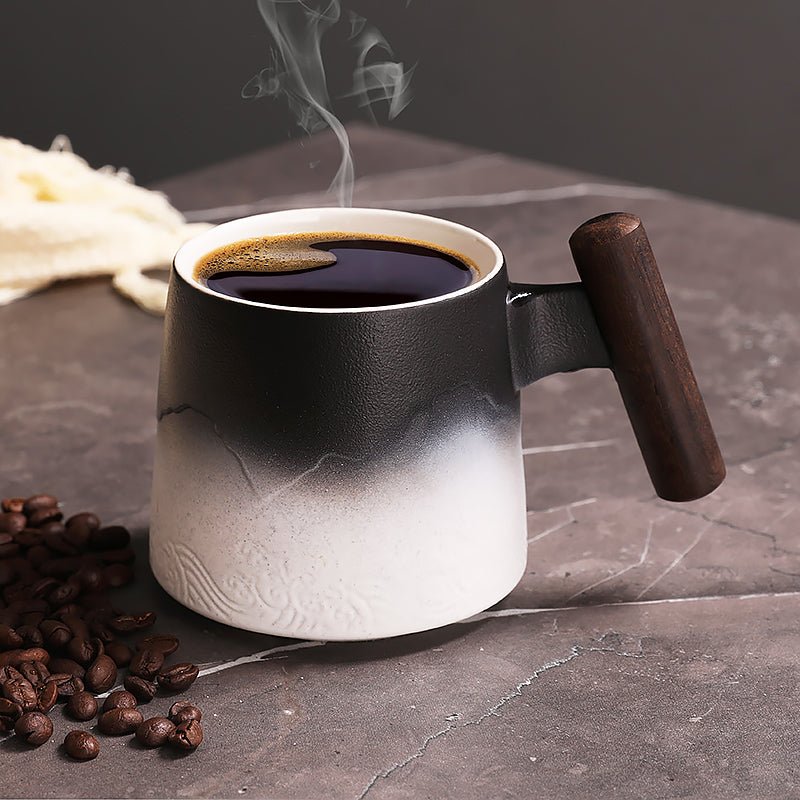
Camping Coffee Mug: What to Buy for Heat, Weight, and Durability
A camping coffee mug has to do more than hold coffee. It needs the right size, a finish that survives packing, and a shape that still feels usable on a cold morning at camp.
Weiterlesen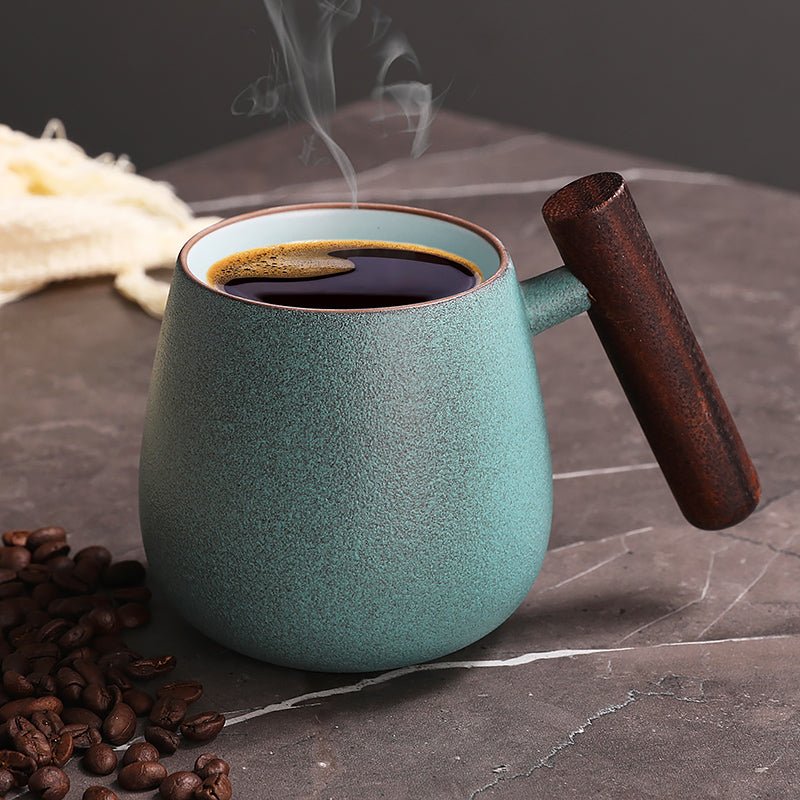
Ceramic Travel Coffee Mug with Lid: What Buyers Should Check Before Buying
A ceramic travel coffee mug with lid feels simple until you start comparing lid fit, heat retention, and spill risk on a desk or in a car. This guide breaks down the real trade-offs so you can choo...
Weiterlesen
Hinterlasse einen Kommentar
Diese Website ist durch hCaptcha geschützt und es gelten die allgemeinen Geschäftsbedingungen und Datenschutzbestimmungen von hCaptcha.