
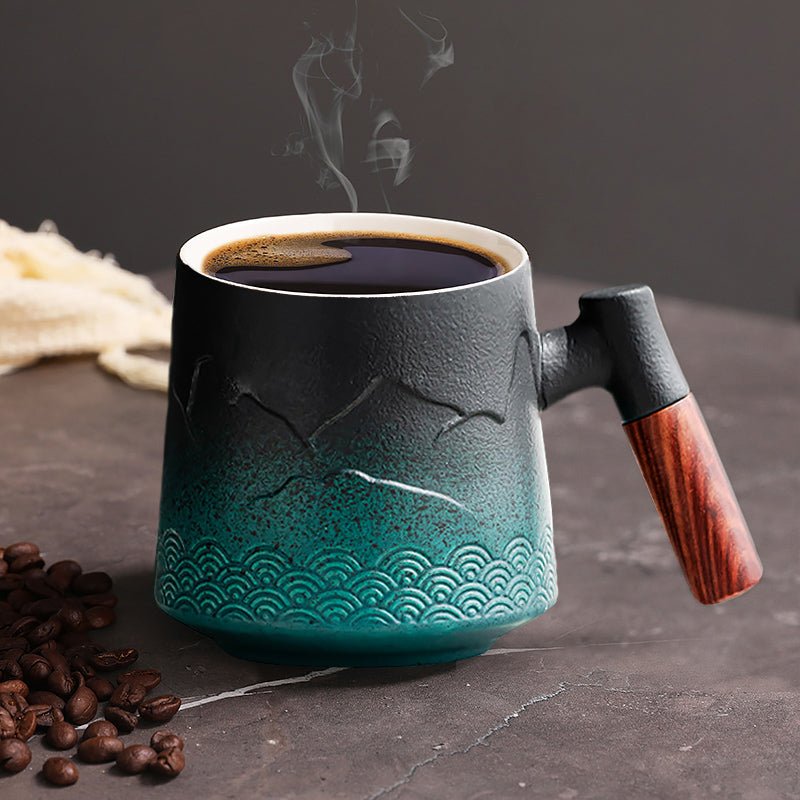
Coffee Travel Mug with Handle: What to Check Before You Buy
Reading time: about 9 minutes
A mug can look right on a product page and still feel wrong at 7:10 a.m. if the handle digs into your fingers, the lid drips on the commute, or the cup is too wide for the car console. That is the real test for a coffee travel mug with handle, and it is the one we focus on when we evaluate this category in our store.
We see the same buying mistakes repeatedly: shoppers choose for looks first, then discover the mug is awkward to carry, hard to clean, or too bulky for a desk or cup holder. If you want a mug that actually gets used, the details matter more than the slogan. Start with the basics in our travel coffee mug with handle buying guide, then use this article to narrow the decision down by how you drink coffee every day.
What makes a coffee travel mug with handle worth buying?
A good coffee travel mug with handle earns its place by making one part of the day easier. The handle should let you carry the mug one-handed without sliding, the lid should reduce splashes during real movement, and the body should fit the places you actually use it: a kitchen counter, office desk, bag side pocket, or car cup holder.
In our experience, buyers usually want one of three things from this category:
- Comfort: a handle that stays cool enough to hold and does not force your knuckles into the lid.
- Stability: a base shape that sits flat and does not wobble when you set it down next to a keyboard or in a vehicle.
- Protection: insulation or wall construction that keeps coffee pleasant longer than a thin open cup.
This is also where the trade-off starts. A handle adds bulk. That is great if you carry coffee from kitchen to office or through a parking lot, but it can be annoying if you want the most compact mug possible. If your priority is ultra-low profile storage, a handle may not be the best fit.
For shoppers comparing broad options, our full collection is the easiest place to see which styles feel more compact and which are built for easier grip.
Which materials and lid styles hold up best in daily use?
Material choice changes how a mug feels in hand, how long it stays warm, and how annoying it is to clean. The most common options are stainless steel, ceramic, and ceramic-lined or coated designs. Each has a different practical profile.
| Material | Best for | Trade-off |
|---|---|---|
| Stainless steel | Commutes, desk use, longer heat retention | Can feel more utilitarian; some users prefer a liner for taste |
| Ceramic | Home or office drinking with a coffee shop feel | Heavier and more breakable if dropped |
| Ceramic-lined / coated | People who want easier flavor neutrality with a tougher outer shell | Usually costs more and depends on the quality of the finish |
Lids deserve the same attention. A simple push-on lid may be fine for a desk, but for walking through a parking lot or riding in a car, a tighter lid with a well-seated gasket is usually more practical. We look for easy opening, a secure seal, and a drinking opening that does not force coffee to splash toward the nose when the mug is tilted.
One common defect mode we watch for is poor lid alignment. If the lid does not seat evenly, it can seep at the edge even when the mug itself is fine. Another is a loose sliding cover that moves too easily in a bag. A lid that works at home may still fail under movement, which is why everyday handling matters more than the product photo.
If you are also comparing mug styles for insulation and spill control, our article on the best insulated coffee mug with handle breaks down the same decisions from a heat-retention angle.
How do size, capacity, and handle shape affect comfort?
Size sounds straightforward until you try to hold a mug with one hand while opening a door or typing with the other. A coffee travel mug with handle should feel balanced, not top-heavy. That balance depends on the cup diameter, the handle clearance, and where the weight sits once coffee is inside.
Here is what we tell shoppers to check before buying:
- Grip room: make sure four fingers can fit comfortably through the handle without scraping the side of the mug.
- Base width: confirm the bottom is narrow enough for your car cup holder or desk tray.
- Capacity: choose enough volume for your routine, but not so much that the mug becomes too tall or too heavy when full.
- Lid height: taller lids can improve sealing, but they also raise the drinking line and can make storage trickier.
We see a lot of buyers underestimate handle shape. A handle that looks elegant can be too thin for longer pours of hot coffee, especially if you are carrying the mug from the kitchen to a meeting. A slightly thicker handle often feels better in real use, even if it looks less delicate on the shelf.
There is also a practical limit to what this category does well. If you need a mug that fits inside a small backpack pocket or a narrow bicycle bottle cage, a handled design may be the wrong format. In that case, the better move is often a slimmer travel mug without a handle, which we compare in best travel mug for coffee.
What problems show up after a few weeks of use?
Short-term testing often misses the annoyances that matter most. The mug feels fine the first day, then the lid starts holding coffee smell, the handle loosens in the hand, or the finish shows wear from the dishwasher rack. We pay attention to the failures that usually surface after repeat use, not just first impressions.
The common problems are predictable:
- Condensation: if the body is not well insulated, the outside can get damp and slippery.
- Staining and odor retention: coffee oils build up around lid seals, sip openings, and threads.
- Paint wear: coated exteriors can chip where the mug rubs against counters, sink edges, or other dishes.
- Handle stress: a weak join between the handle and body can make the mug feel less secure over time.
Cleaning matters more than many shoppers expect. A mug with multiple lid parts may be easier to seal but harder to keep fresh. If the lid has a removable gasket, that is useful for deep cleaning, but it also means one more part to track. We recommend checking whether the mug can be rinsed easily after a busy morning and whether the lid design lets you reach the corners without a brush fight.
For shoppers who plan to use the mug every day at home, the ceramic route can be easier to live with, which is why we also publish a dedicated ceramic coffee travel mug buying guide. Ceramic is not the toughest option, but it can be a better fit if flavor and feel matter more than ruggedness.
Is a handled travel mug better for commuting, office work, or gifting?
The best use case depends on the setting. A coffee travel mug with handle is strongest when the user wants a familiar coffee-cup feel with a bit more spill protection. That makes it a solid pick for desk workers, home users, and gift buyers who want something practical instead of trendy.
For commuting, the handle helps only if the mug still fits the car. If it does not, the handle becomes a liability because the mug may tip or occupy too much room. For office work, the handle is often a plus because it makes a hot mug easier to grab without touching the body. For gifting, handled mugs usually feel more substantial than a plain tumbler, especially when paired with coffee beans or a gift card.
That said, this category is not ideal for every buyer. It is usually not the best choice for people who pack light, carry coffee in a laptop bag, or need the most leak-resistant option available. If the plan is to toss the mug into a bag and forget about it, a more sealed travel tumbler may be the smarter pick.
Our store sees the best response from buyers who want daily convenience and a more comfortable hold than a standard straight-walled tumbler can offer. If that is the direction you are leaning, compare the handled options in our products area and pay attention to the mug shape, lid style, and cleaning notes.
How should you compare options before checking out?
Before you buy, we recommend a simple side-by-side check. It keeps the decision practical and prevents the usual regret that comes from choosing a mug that looks good but works poorly in the places you use it.
- Measure your car cup holder: if you commute, this is non-negotiable.
- Check handle clearance: your fingers should not press against the lid edge.
- Inspect lid design: look for a secure fit and an opening you can drink from comfortably.
- Decide on cleaning effort: simpler parts are easier to maintain every day.
- Match the material to the setting: stainless steel for durability, ceramic for a calmer drinking feel, ceramic-lined for a middle ground.
If you are comparing more than one style, start with the question, “Where will I actually use this most days?” That answer usually narrows the choice faster than any feature list. A mug for a home office is not the same as a mug for school pickup, long drives, or bag carry.
Our experience is that shoppers are happiest when they buy for the routine they already have, not the routine they wish they had.
Frequently asked questions
Is a coffee travel mug with handle good for driving?
It can be, but only if the base fits your cup holder and the handle does not interfere with the console or gear area. A handled mug that is too wide or too tall becomes awkward fast in a car. We always suggest checking dimensions against your actual vehicle setup before buying.
Are stainless steel or ceramic coffee travel mugs with handles better?
Stainless steel is usually better for durability and heat retention. Ceramic is usually better if you care more about taste, feel, and a more traditional drinking experience at home or in the office. If you want a middle ground, look for ceramic-lined designs.
Can a handled travel mug go in the dishwasher?
Some can, but not all parts tolerate dishwasher heat equally well. The lid, gasket, and exterior finish are the areas most likely to show wear first. If you want a mug to last, check care notes and wash the lid pieces carefully by hand when needed.
What size coffee travel mug with handle should I buy?
Pick the smallest size that still covers your usual coffee amount with a little margin. Bigger is not always better because the mug can become heavier, taller, and harder to carry one-handed. A size that feels comfortable empty may feel awkward once filled.
What is the biggest drawback of a mug with a handle?
Bulk. The handle improves comfort, but it also makes the mug harder to pack and sometimes harder to fit into tight cup holders or bag pockets. If portability is your top priority, a slimmer travel mug without a handle may serve you better.
If you want to compare handled mugs with the rest of the range, start with the full collection and focus on the mug that fits your daily route, not just your kitchen shelf. That is the quickest way to land on a mug you will actually use.
More from our blog
Read more
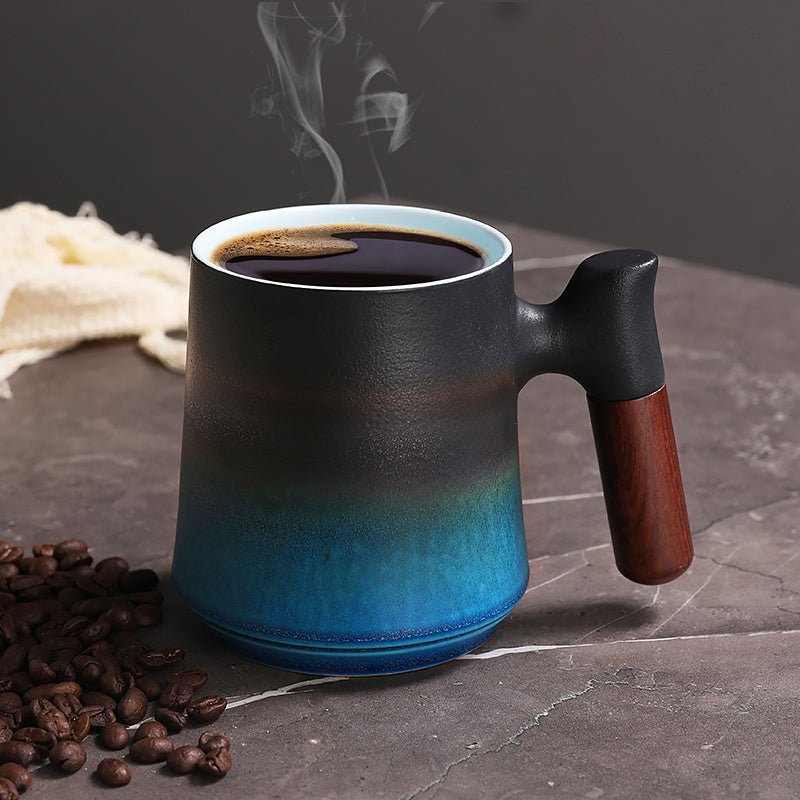
Ceramic Coffee Mugs 20 oz: Buyer's Guide for Fit, Heat, and Care
Ceramic coffee mugs 20 oz give you more room for a full pour, but the right one still depends on handle comfort, wall thickness, and how it behaves in the dishwasher. This guide breaks down what to...
Weiterlesen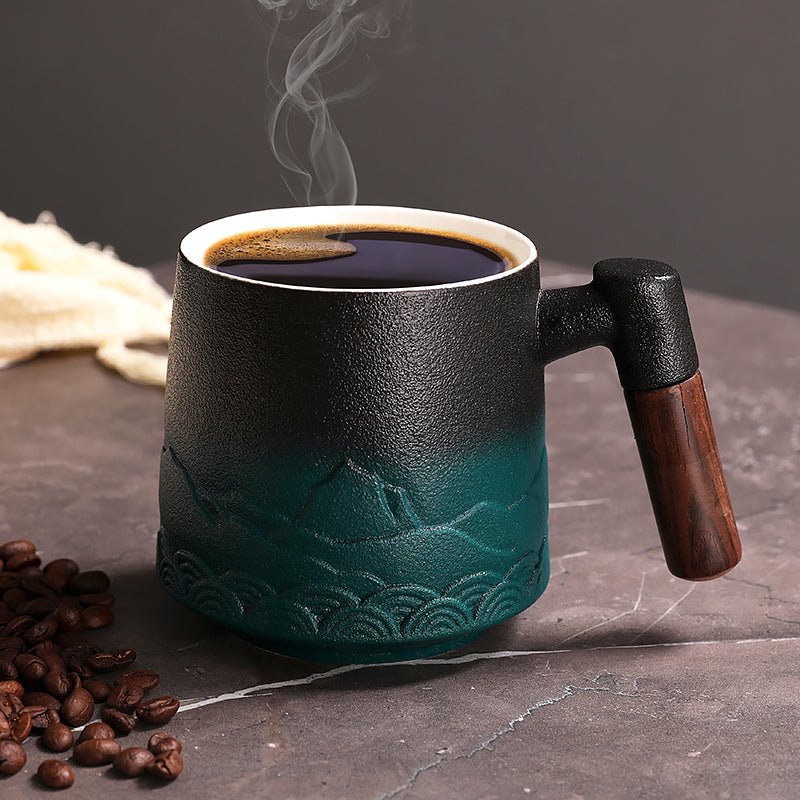
Keurig Coffee Mug: How to Choose the Right Size and Fit
A practical buyer’s guide to finding a keurig coffee mug that fits under the brewer, holds the right amount, and suits real daily use. We cover mug height, lip width, handle clearance, and the trad...
Weiterlesen
Hinterlasse einen Kommentar
Diese Website ist durch hCaptcha geschützt und es gelten die allgemeinen Geschäftsbedingungen und Datenschutzbestimmungen von hCaptcha.