
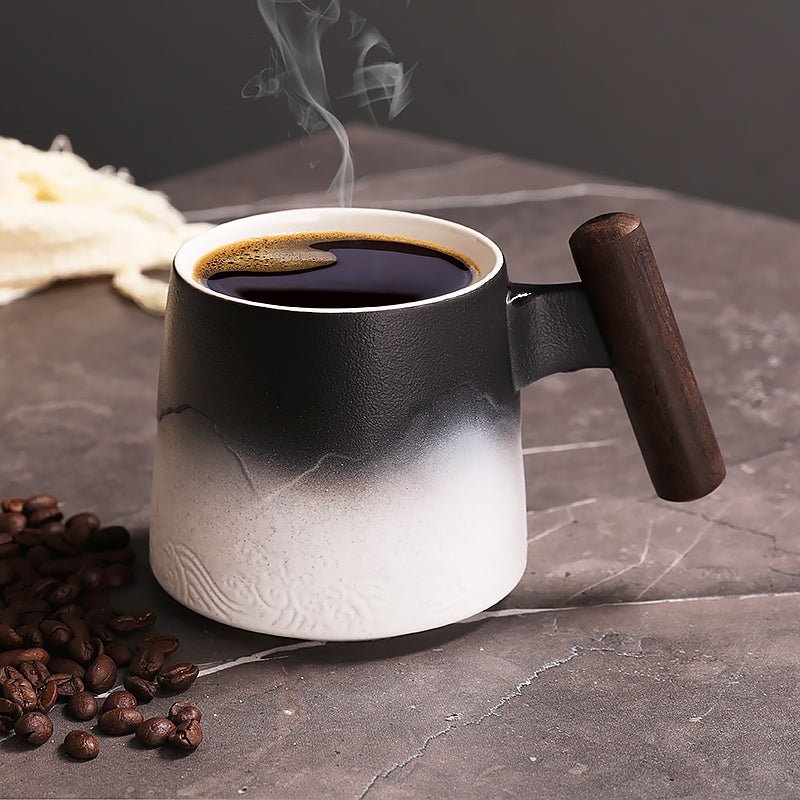
Coffee Mugs and Glasses: How to Choose the Right Everyday Drinkware
Reading time: about 10 minutes
The mug that feels great during a slow morning can be the wrong choice for an office desk. The glass that looks perfect on a shelf may show fingerprints, water spots, and scratches the first week it gets used. That gap between how drinkware looks online and how it actually lives in a kitchen is where most buying mistakes happen.
At CoffeifyMug, we handle this category as practical everyday drinkware, not display props. Our team pays attention to the things shoppers notice after the box is opened: lip comfort, handle room, weight in the hand, and how a piece holds up after a few dishwasher cycles. If you are comparing coffee mugs and glasses, this guide is meant to help you choose something you will actually keep using.
What should you check before buying coffee mugs and glasses?
The first decision is not style. It is use case. A mug for black coffee at a desk has different needs than a mug for lattes at home, and a clear glass for cold brew has different trade-offs than a sturdy tumbler for daily water use.
Here is the short list we recommend checking before you buy:
- Capacity: Think in real servings, not just ounces on a product page. A 12 oz mug often suits standard drip coffee; 16 oz gives more room for milk or a larger pour; 20 oz can work for long mornings but may feel heavy when full. If you want deeper size comparison, our guides on 12 oz Coffee Mugs: What to Check Before You Buy and 16 oz Coffee Mugs: What to Check Before You Buy break down the practical differences.
- Material: Ceramic is the most common for coffee mugs because it holds heat well and feels familiar in the hand. Glass shows beverage color and works nicely for iced drinks, but it can feel less insulating. If you need help comparing larger sizes, our 20 Ounce Coffee Mugs: What Buyers Should Check Before Ordering article covers where bigger mugs help and where they become cumbersome.
- Handle or no handle: Handles matter more than shoppers expect. A handle that is too narrow can be annoying with larger hands or when the mug is full. Glass drinkware often skips the handle, which makes it better for cold drinks than for coffee you want to hold a long time.
- Care routine: Check whether the item is meant for dishwasher use, hand washing, or both. Decorative finishes, metallic accents, and delicate printed surfaces usually need more careful cleaning than plain ceramic or simple clear glass.
- Cabinet and shelf fit: A tall mug or a wide-bottom glass can look great but still be awkward if your cabinets are shallow or your dishwasher rack is crowded.
We see the same issue in gift orders all the time. A shopper picks something that looks elegant in photos, but the recipient uses a microwave every day and really needed a plain, durable mug with no metallic details. Practical beats pretty when the item gets used daily.
Which material works best for daily coffee use?
Material affects heat retention, weight, feel, and cleaning. That is why the best choice is usually the one that matches the way you actually drink coffee.
| Material | Best for | Trade-off |
|---|---|---|
| Ceramic | Hot coffee, lattes, everyday home use | Heavier than some alternatives; can chip if handled roughly |
| Glass | Iced coffee, cold brew, presentation | Shows water spots and can feel hotter or cooler to the touch depending on the drink |
| Stoneware | Kitchen use where heft and a hand-thrown look matter | Often bulkier and can take up more cabinet space |
| Double-wall glass | Hot or cold drinks where visual appeal matters | Usually more fragile than a basic mug and not always ideal for rough daily use |
In our experience, ceramic remains the safest pick for most coffee drinkers because it balances comfort and durability. A plain ceramic mug with a comfortable handle usually works for drip coffee, tea, hot chocolate, and reheating leftovers of coffee that cooled off at a desk. Glass makes more sense when the drink itself is part of the presentation, like an iced latte with visible layers or sparkling water on a summer afternoon.
What does not work as well? A thin glass mug for someone who drinks slowly over an hour. It loses heat faster and can be awkward to hold if there is no handle. A heavy stoneware mug is also not ideal for someone who wants a light, easy-to-lift cup before sunrise.
How do size and shape change the drinking experience?
Size changes more than capacity. It affects balance, heat loss, and how much room you have for milk, foam, or ice. Shape matters too. A wider opening cools coffee faster. A narrower opening helps hold heat a little longer.
If you are comparing common mug sizes, our size-focused guides are worth a look: 12 oz Coffee Mugs: What to Check Before You Buy, 16 oz Coffee Mugs: What to Check Before You Buy, and A buyer's guide to large capacity coffee mugs.
Here is how we usually frame it for shoppers:
- 12 oz: Best for standard coffee portions and smaller hands. It is the easiest size to store and typically feels balanced on a breakfast table.
- 16 oz: Good for larger pours, milky drinks, and people who like extra room without moving into oversized territory.
- 20 oz and up: Helpful for long work sessions or big coffee drinkers, but not ideal if you dislike a heavier mug or do not want your coffee cooling slowly across a huge cavity.
For glasses, the same logic applies. A shorter, wider glass is stable on a table and good for iced drinks. A taller glass can look elegant but may be less convenient in a crowded dishwasher rack or a narrow cabinet.
We tell shoppers to choose the size they will use on a Tuesday morning, not the one that looks best in a styled photo.
What details show up only after a few days of use?
This is where online photos are least useful. The first few wash-and-dry cycles reveal whether a piece is just attractive or actually well made.
There are a few details our team looks for every time:
- Rim comfort: A smooth rim feels better than a thick or sharply cut edge, especially if you drink without adding milk or sugar.
- Handle clearance: The space between handle and body matters for larger fingers and for anyone who prefers a full grip rather than a pinch grip.
- Base stability: A flat, even base reduces wobble on a desk or counter.
- Finish durability: Glossy glazes can show marks more easily, while matte finishes may show utensil contact or cleaning wear in different ways.
- Dishwasher performance: Some surfaces stay cleaner-looking than others after repeated cycles. Printed designs, metallic trim, and fragile glass edges need more care.
One common defect mode with mugs is a handle that looks fine from the front but feels cramped when you actually hold it. Another is a base that is slightly uneven, which becomes obvious on a smooth countertop. With glassware, we pay attention to edge finish and clarity. Minor ripples can be normal in some styles, but a rough lip is not something you want in daily use.
If you are buying for a shared kitchen, office break room, or gift basket, plain durable pieces often age better than highly decorative ones. They are easier to rinse, easier to stack, and less likely to be set aside because someone is worried about breaking them.
Are coffee mugs and glasses good gift choices?
Yes, but only if you match the style to the recipient’s habits. A mug gift is useful because everyone drinks something. A glass gift is useful because it can fit many settings. The risk is buying something that looks thoughtful but does not fit the person’s routine.
We see a few common gifting scenarios:
- Office gift: Go with a classic mug or simple glass that will not clash with a desk or break room.
- Homebody gift: Choose a comfortable mug with a generous handle and a size that fits their usual drink order.
- Housewarming gift: A matched set of mugs and glasses can work well if the recipient is setting up a kitchen from scratch.
- Holiday gift: Decorative styles are fine here, but only if they still clean easily and do not require special care.
If you want something a little more playful, our article on Amusing Coffee Mugs: How to Choose One That Gets Used is a good reminder that humor should not get in the way of everyday use. A funny mug that is awkward to hold will spend more time in a cabinet than on a desk.
For shoppers who care about style as much as function, our comparison piece on Anthropologie Coffee Mugs: How to Compare Style, Size, and Everyday Use is useful because it looks at the real trade-offs behind decorative appeal.
How should you care for coffee mugs and glasses so they last longer?
Simple care habits make a bigger difference than most people think. A mug or glass can look fine on day one and still age badly if it is scrubbed too hard, stacked carelessly, or run through a harsh cycle repeatedly.
We recommend these basic care steps:
- Rinse soon after use so coffee oils and tea stains do not sit on the surface.
- Use a mild detergent unless the manufacturer suggests otherwise.
- Avoid thermal shock by not moving a very hot glass straight into cold water.
- Stack carefully so rims and handles do not knock together in the cabinet.
- Check printed or decorative finishes before putting them in the dishwasher if the care instructions are not explicit.
For coffee stains, a soft sponge is usually enough for ceramic. For glass, a lint-free towel helps reduce spotting after washing. If a mug has a matte glaze or textured surface, a deeper rinse may be needed because residue can hide in the finish. That is not a flaw so much as a maintenance trade-off.
And if you are shopping for a store, office, or frequent-use kitchen, it is often smarter to choose simpler construction over ornate details. Fewer delicate parts means fewer breakages and fewer returns.
Where can you compare options before buying?
If you want to compare drinkware by style, capacity, and use case, start with our current selection at our products page. If you prefer browsing the full range in one place, the all collection is the quickest way to see what is available right now.
We build our selection around the practical details shoppers ask about most: size, handling, and how a piece will behave after repeated use. That means you can compare options without having to guess whether a mug is meant for daily coffee or just for display.
Frequently asked questions
What size coffee mug is best for everyday use?
For most people, 12 oz to 16 oz is the most practical range. A 12 oz mug suits standard drip coffee, while 16 oz gives more room for milk, foam, or a larger pour. If you want a deeper comparison, start with the size guides linked above.
Are glass mugs good for hot coffee?
Yes, but they are not the best fit for everyone. Glass mugs can look great and let you see layered drinks, but they usually feel less insulating than ceramic and can be less comfortable for slow sipping. If you drink hot coffee over a long stretch, ceramic is often the better choice.
Can coffee mugs and glasses go in the dishwasher?
Many can, but not all. Plain ceramic and simple glass often do fine in the dishwasher, while printed designs, metallic accents, and some specialty finishes may need hand washing. Always check the care instructions before relying on dishwasher cleaning.
What should I avoid if I want a mug that lasts?
Avoid very thin handles, uneven bases, and decorative finishes that require special care if you plan to use the mug every day. For glasses, avoid styles that feel too delicate for your routine or that are awkward to dry and store. The best long-term choice is usually the one that fits your habits, not just your shelf.
Is a large mug always better?
No. Large mugs are useful if you want more coffee or add a lot of milk, but they can be heavy, bulky, and slower to cool in a way some people dislike. If you prefer a lighter feel or smaller serving, a medium mug is often the more comfortable choice.
If you are ready to compare options, use this quick checklist: pick the size you will actually drink from, decide between ceramic and glass, check the handle and rim, and confirm the care instructions. Then browse our full collection or head to our products page to narrow it down from there.
More from our blog
Read more
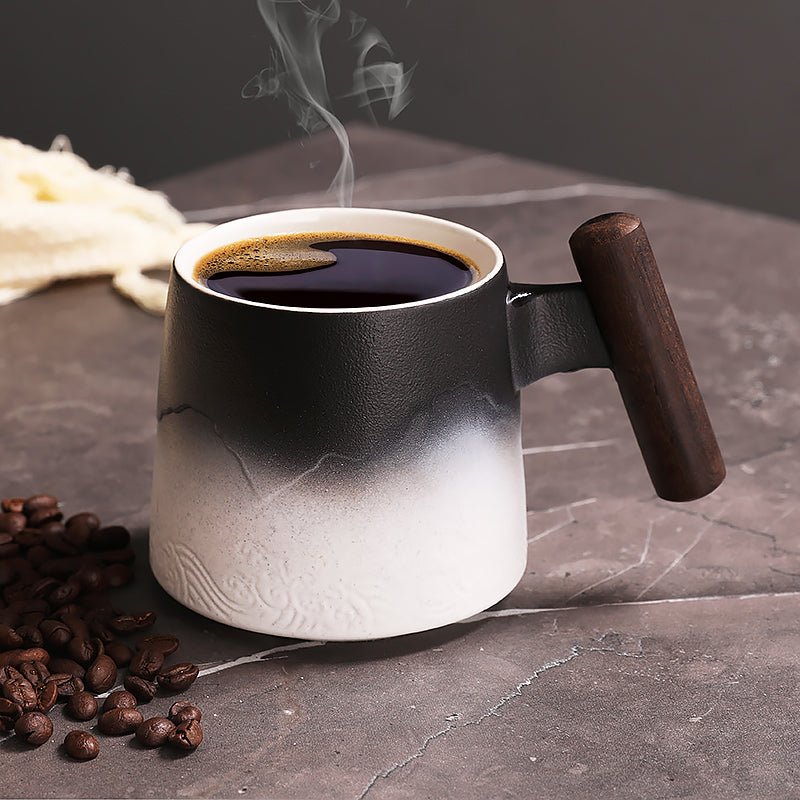
Ugly Mugs Coffee House: What Buyers Should Look For Before Ordering
A practical buyer’s guide to ugly mugs coffee house style mugs: what feels good in hand, what holds up in daily use, and what to check before you buy. We compare size, shape, material, and care so ...
Weiterlesen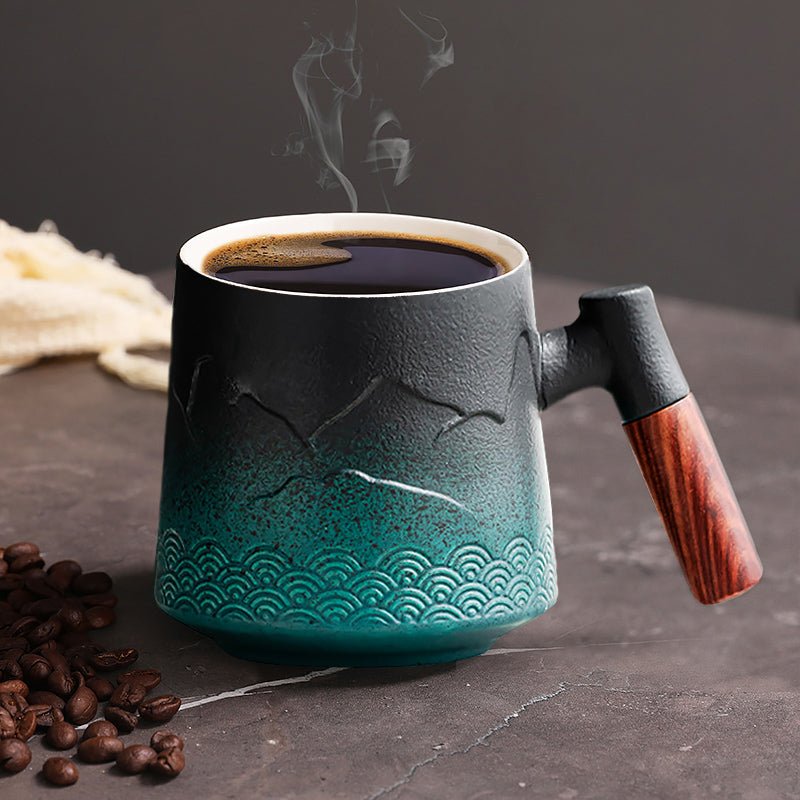
Coffee Mugs with Logo: What Buyers Should Check Before Ordering
A practical guide to choosing coffee mugs with logo for offices, client gifts, and everyday use. We cover size, material, print durability, and the trade-offs that matter before you buy.
Weiterlesen
Hinterlasse einen Kommentar
Diese Website ist durch hCaptcha geschützt und es gelten die allgemeinen Geschäftsbedingungen und Datenschutzbestimmungen von hCaptcha.