
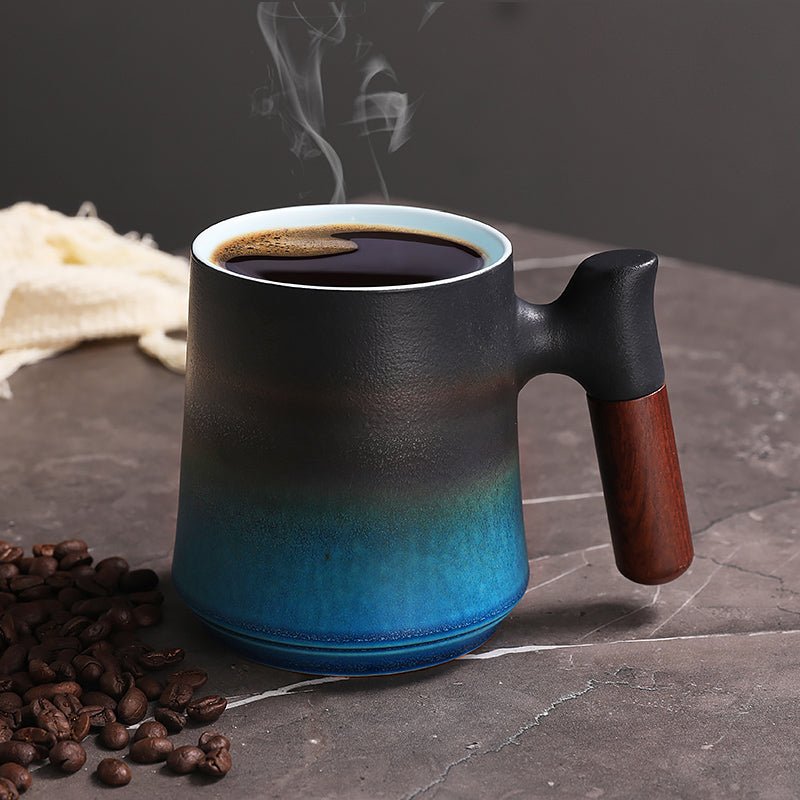
Coffee Mugs 8oz: Size, Fit, and What to Check Before You Buy
Reading time: about 9 minutes
An 8 oz mug looks small until you pour a full cup into it and realize there is not much room left for milk, cream, or foam. That is exactly why buyers compare coffee mugs 8oz carefully: the size sounds simple, but the daily experience changes fast with handle shape, rim width, and how much you actually drink before noon.
In our store, we see two kinds of shoppers reach for this size. Some want a smaller, more intentional cup for a short coffee break. Others are trying to keep a desk clean and a serving size controlled. If that sounds familiar, start by looking at our full mug collection, then compare a few styles like the Pleated Coffee Tea Cup, the Golden Waves Kio Coffee Tea Mug, and The Flow Coffee Tea Mug.
What does 8 oz really mean for a daily coffee?
Eight ounces is a compact serving, not a large all-morning mug. For many buyers, it works best for a standard black coffee pour, a small latte, a flat white, or tea when they want less volume and less cooling time. It is also a practical size for people who do not want a cup taking over the entire desk.
There is a trade-off. A true 8 oz mug is not ideal if you regularly drink big drip coffee servings, add a lot of milk, or like enough headroom to stir freely without splashing. If you usually want a 12 oz fill line with room to spare, one of our longer comparisons such as 10 oz Coffee Mugs: How to Choose the Right One for Daily Use or 12 Ounce Coffee Mugs: Fit, Shape, and Buying Tips will give you a better reference point.
We usually tell shoppers to think in terms of use, not just volume. A mug can be labeled 8 oz and still feel roomy or tight depending on wall thickness, flare at the rim, and how high the handle sits. Two mugs with the same stated capacity can feel very different in the hand.
Who is an 8 oz mug actually best for?
We recommend this size most often for buyers who want a smaller, cleaner drinking routine. That usually includes:
- People who drink one measured cup at a time and do not want leftovers going cold.
- Office desks where a smaller footprint matters more than a big capacity.
- Tea drinkers who prefer a hotter, shorter pour.
- Gift buyers who want a polished mug without choosing an oversized novelty shape.
- Anyone who dislikes heavy, two-handed mugs that crowd the cupboard.
That said, an 8 oz mug is not the right pick for everyone. It is not a great match for people who refill frequently, pour a large home-brewed cup, or want a mug that doubles as a soup bowl. For those buyers, a larger format is easier to live with and less likely to feel limiting by the second pour.
In our experience, the best 8 oz mug is the one that fits the drink you actually make on a weekday morning, not the one that looks biggest on a shelf. That is why we pay attention to everyday scenarios: crowded kitchen counters, laptop tables, and gift unboxings where first impressions matter immediately.
Which shape details matter most at 8 oz?
Shape matters more at this size than people expect. A compact mug should still feel stable, comfortable, and easy to drink from. We look at four details first.
- Rim thickness: A thinner, even rim usually feels better on the lips. A chunky or uneven rim can make a small mug feel clumsy.
- Handle opening: Check whether two or three fingers can fit comfortably. Small mugs are often ruined by a handle that looks good but pinches in use.
- Base stability: A slightly wider base helps the mug sit flat on a desk and lowers the chance of a wobble.
- Wall profile: Straight walls, tapered sides, or a slight curve change how the mug feels in the hand and how much room it leaves for foam or milk.
Many 8 oz mugs sit roughly in the 3 to 3.5 inch tall range with a compact footprint, but the exact feel depends on design. A mug with a wide mouth and a low profile can read larger than its stated size. A tall, narrow mug may hold the same amount but feel more concentrated and warmer to hold.
If you are shopping for style as well as size, the Pleated Coffee Tea Cup is a good example of how form can change the experience without changing the practical size. The same is true for the sculpted lines in the Golden Waves Kio Coffee Tea Mug and the cleaner profile of The Flow Coffee Tea Mug.
What should you check before buying an 8 oz mug online?
Buying a mug online is mostly about reducing surprises. We have seen the same few issues come up again and again, and they are easy to check before you order.
| What to check | Why it matters | Common problem if you skip it |
|---|---|---|
| Capacity wording | Some mugs list brim capacity, not usable fill amount. | You may end up with less drink than expected. |
| Handle size | A good handle should fit your fingers without forcing a tight grip. | The mug feels awkward or slips when hot. |
| Rim and lip finish | A smooth, even rim improves everyday comfort. | The mug can feel rough or unbalanced at the mouth. |
| Care notes | Dishwasher and microwave suitability changes how you use it daily. | You may buy a mug that needs more handwashing than you want. |
| Foot and base | A flat, stable base is important on slick counters and office desks. | The mug rocks, tips, or feels less secure in use. |
We also recommend looking closely at product photos for two common defect modes: glaze pinholes or speckling that are cosmetic, and uneven handle joins that can affect comfort. On small mugs, those details stand out more because there is less surface area to hide them.
If you are deciding between small and medium formats, our guides to 12 oz Coffee Mugs: What to Check Before You Buy and 14 Ounce Coffee Mugs: Size, Fit, and Buying Guide are useful for seeing where the size jump starts to matter in daily use.
Care is worth checking too. If a mug will live near a sink, in an office break room, or on a bedside tray, ask whether the finish can handle routine dishwasher cycles and microwave reheating. Decorated surfaces, metallic accents, and very glossy finishes can be less forgiving than plain ceramic looks, so the care label matters as much as the shape.
How do 8 oz mugs compare with 10 oz and 12 oz mugs?
The most honest answer is that 8 oz is a better fit for smaller habits, while 10 oz and 12 oz give you more margin for milk, foam, and stirring. If you pour a drip coffee and add anything to it, the bigger sizes feel easier. If you want a tighter serving with less waste and faster cooling, 8 oz wins.
Here is the practical difference we see most often:
- 8 oz: Best for smaller servings, tea, short coffee breaks, and desks where space is limited.
- 10 oz: A middle ground for buyers who want a little extra room without moving into a large mug.
- 12 oz: Better for standard coffee pours, milk-heavy drinks, and people who dislike refilling.
If you are still undecided, the best approach is to compare the size with your real routine. A person who drinks espresso-based drinks may find 8 oz perfect. A person who pours a long mug of filter coffee every morning may feel boxed in fast. That is why we encourage shoppers to move between size guides instead of guessing from the number alone.
For a broader size comparison, see our posts on 12 oz Coffee Mugs: How to Choose the Right Mug for Daily Use and 16 Ounce Coffee Mugs for Daily Use: Size, Fit, and Shape Guide. They help show where a compact mug stops feeling sufficient and where a larger one starts taking over the routine.
One limitation is worth calling out clearly. Coffee mugs 8oz are not the best choice if your main goal is all-day drinking, meal-sized portions, or serving a large guest without refilling. For that use case, a larger mug is simpler and more forgiving.
Which styles in our store make sense for 8 oz buyers?
We do not treat size as the only decision. The best 8 oz mug still needs to match the rest of the kitchen, the office desk, or the gift bag it is going into. That is why shoppers often narrow down to one of three style directions.
- Textured or shaped surfaces: Good if you want the mug to feel intentional in hand and visually distinct on the shelf.
- Softer, flowing silhouettes: Good for buyers who prefer a calmer look and a smoother hand feel.
- Simple daily-use profiles: Good for people who want an easy cup that disappears into routine without fuss.
The Pleated Coffee Tea Cup suits buyers who like a little texture and visual movement. The Golden Waves Kio Coffee Tea Mug is a stronger choice for shoppers who want a more decorative presence on the table. The Flow Coffee Tea Mug works well if you want the mug to feel understated and modern.
Those are not the same experience. A textured mug can feel more tactile, but it may also show hand washing habits more quickly. A smoother mug can be easier to wipe down, but it may feel less distinctive as a gift. A buyer should weigh that trade-off before picking style over comfort.
Frequently asked questions
Is an 8 oz coffee mug enough for a regular cup of coffee?
For a smaller drip coffee or a short pour, yes. If you usually drink a large mug with room for milk or cream, 8 oz may feel tight. We find it works best for people who prefer a focused serving instead of a big refillable cup.
Are coffee mugs 8oz good for espresso drinks?
Yes, especially for cappuccino, flat white, or a small latte. The size keeps the drink from feeling oversized and helps the cup stay comfortable on a desk or saucer. It is less suitable if you want a lot of foam and a wide drinking surface.
What should I check first when buying an 8 oz mug online?
Check the handle size, rim finish, and care notes before anything else. Those details affect daily comfort more than the label does. Also confirm whether the listed capacity is usable fill or brim capacity, because that difference matters at this size.
Is an 8 oz mug better for tea or coffee?
It works well for both, but tea often benefits more from the smaller volume because the drink stays hot and you finish it before it cools too much. Coffee drinkers who like a small, measured serving also do well with this size. If you want a long sit-down drink, a larger mug is usually more practical.
What is the main downside of a coffee mug 8oz?
The main downside is limited room. Once you add milk, foam, or a larger pour, the mug can feel crowded fast. If you regularly refill or share drinks, a 10 oz or 12 oz mug is usually the better buy.
If you want a smaller mug that fits daily use without taking over the counter, start with the styles above and compare them against our full collection. If you are still torn between sizes, use the 10 oz and 12 oz guides as your checkpoint, then choose the mug that matches the way you actually drink coffee at home or at work.
Read more
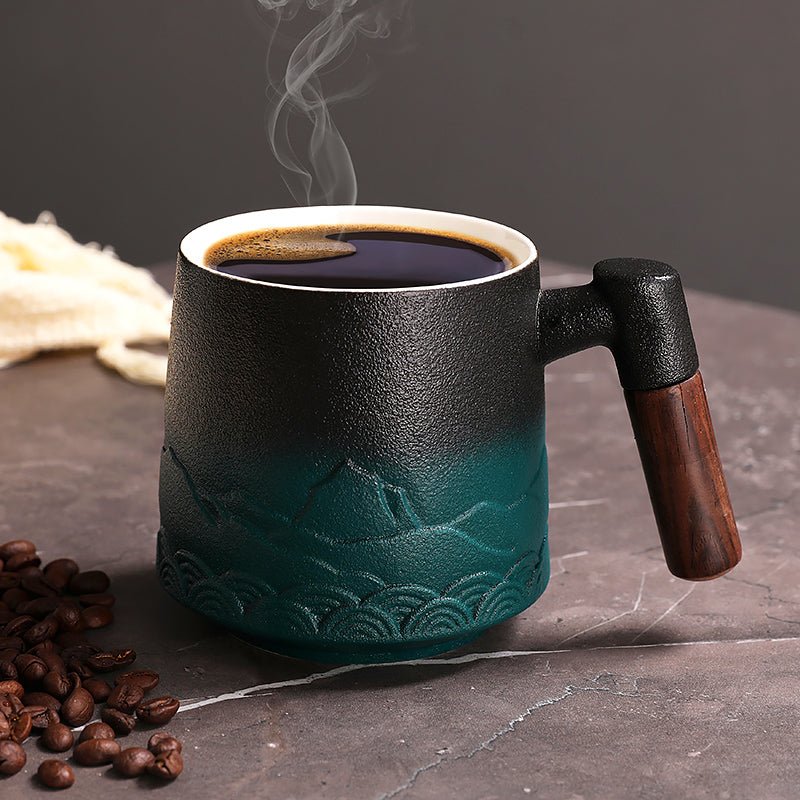
Thick Coffee Mugs: What to Buy for a Heavier, Better-In-Hand Feel
Thick coffee mugs feel more stable in the hand, hold heat better, and usually survive daily desk or kitchen use with less fuss. Here’s how to compare them, what trade-offs to expect, and which Coff...
Weiterlesen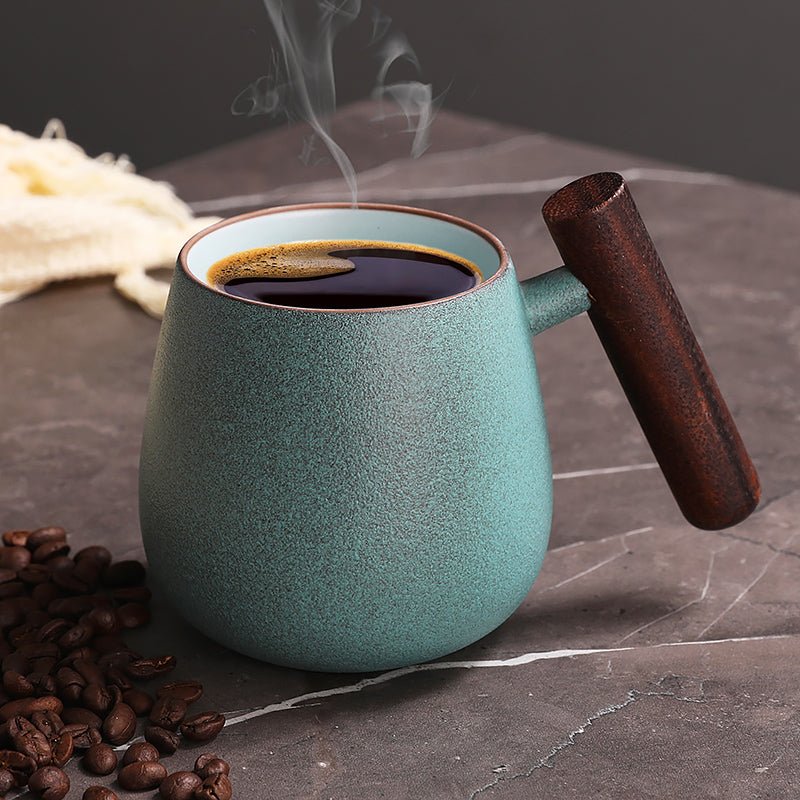
V8 Engine Coffee Mug Buying Guide: Size, Material, and Fit
A practical guide to choosing a v8 engine coffee mug that feels good in hand, fits your usual pour, and holds up on a desk, in the kitchen, or near the garage.
Weiterlesen
Hinterlasse einen Kommentar
Diese Website ist durch hCaptcha geschützt und es gelten die allgemeinen Geschäftsbedingungen und Datenschutzbestimmungen von hCaptcha.