
Coffee Mug With Legs: What to Check Before You Buy
Reading time: about 9 minutes
A coffee mug with legs looks simple from across the room. Up close, the details matter: how steady it sits on a table, whether the feet feel balanced in the hand, and how easy it is to wash after a morning pour of coffee or tea.
We see this category go one of two ways. A buyer wants a mug that feels special enough for display and gift giving, or they want a daily cup that just happens to have a more sculptural base. Those are not the same purchase. If you are comparing options, the right choice depends on where the mug will live, how often it will be used, and whether the shape suits your cupboard, desk, or dishwasher.
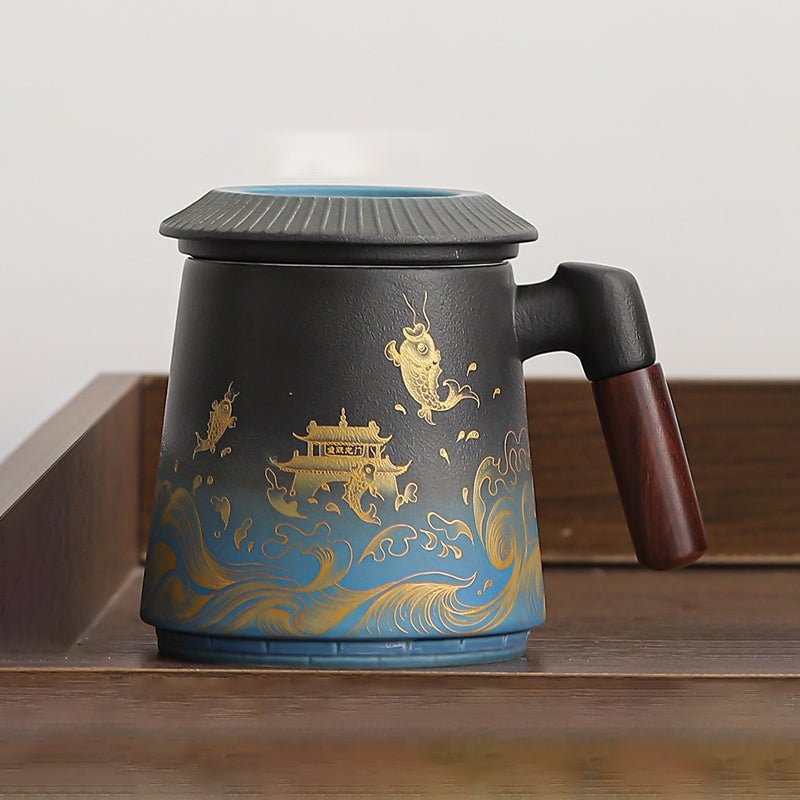
For shoppers who want to browse current options first, start with our full collection and compare the footed styles side by side. If you want a few specific examples, the Round Coffee Tea Mug, Elk and Moon Coffee Tea Mug, and Koi Fish Coffee Tea Mug show three very different ways a mug can be styled with a raised base and a decorative profile.
What makes a coffee mug with legs different from a regular mug?
The main difference is the base. Instead of sitting flat all the way to the bottom edge, a coffee mug with legs is lifted on small feet or a shaped pedestal. That changes the look, but it also changes how the mug behaves on a counter.
In our experience, buyers often notice three things right away:
- It reads more decorative. A footed base gives the mug a handmade or collectible feel, even before you pour anything in it.
- It sits higher. That extra lift can make the mug feel more elegant, but it can also make it slightly less forgiving on an uneven surface.
- It may need more careful handling. A raised base can be fine for daily use, but if the feet are small or sharply shaped, the mug should not be dragged across stone, tile, or a rough desk.
This style is usually better for home kitchens, office desks, and gift sets than for travel or heavy commuter use. If you want a mug that lives in a car cup holder or gets tossed into a bag, a footed mug is the wrong category.
Which material and build details should you check first?
For this style, we look at the build before the artwork. The shape can hide weaknesses if you only shop by appearance.
| What to check | Why it matters | What we recommend |
|---|---|---|
| Body material | Decides heat retention, weight, and durability | Ceramic is a common fit for a coffee mug with legs because it balances feel and presentation well |
| Base shape | Affects stability on the counter | Look for feet that sit evenly and do not wobble on a flat surface |
| Glaze finish | Influences cleanup and long-term wear | A smooth glaze is easier to wipe clean after coffee, tea, or cocoa |
| Handle clearance | Controls comfort and finger space | Make sure the handle is easy to grip without brushing the hot cup body |
We also pay attention to where stress tends to show up. On footed mugs, the most common weak points are the joins where the feet meet the base, the handle attachment, and any thin decorative edges. That does not mean a footed mug is fragile by default. It means the shape leaves less room for sloppy construction.
If you want a practical size and fit refresher while comparing options, our articles on 10 oz Coffee Mug: Size, Fit, and What to Check Before You Buy and 11 oz Coffee Mug: Size, Fit, and What to Check Before You Buy are useful for checking whether the mug size matches your routine.
Is a coffee mug with legs good for everyday use?
Sometimes. Not always.
If you want a mug for one or two hot drinks a day, a well-made footed mug can work well on a kitchen counter, breakfast table, or office desk. It can feel more special than a basic straight-sided mug, and that is part of the appeal.
But there are trade-offs:
- It can be less compact in storage. The raised base changes the stack profile and can make cabinet spacing tighter.
- It is not ideal for rough handling. A mug with sculpted legs or a narrow foot should not be treated like a camping cup.
- It may show wear sooner if dragged. The feet can scuff if the mug is slid over grit, sand, or a rough countertop.
We usually tell shoppers to think in terms of location. If the mug will stay near the coffee maker and move between sink, counter, and desk, a footed mug makes sense. If it needs to survive commuting, shared break rooms, or frequent packing and unpacking, a plain mug is the safer buy.
For buyers who want more everyday sizing context, our 12 Ounce Coffee Mug Buying Guide for Daily Use and Better Fit covers the kind of capacity and fit questions people often ask before choosing a daily mug.
How should you care for a footed mug?
Care depends on the finish, but the basic routine is straightforward. We handle a lot of ceramic drinkware, and the mugs that last tend to be the ones that are washed and dried with a little more care around the base and handle.
- Rinse the mug soon after use so coffee oils do not sit on the glaze.
- Use a soft sponge around the feet and any molded details.
- Dry the base fully before putting it away, especially if the feet are recessed or textured.
- Avoid knocking the legs against the sink or faucet when washing by hand.
- If the mug is labeled for dishwasher use, place it where it will not rattle against heavier items.
What we do not recommend is treating a decorative footed mug like a thick utility mug. If the glaze is delicate, the printed artwork is intricate, or the base shape is elaborate, hand washing is usually the safer choice. That does not make it high-maintenance; it just respects the form.
For a footed mug, the small habits matter. Dry the base, avoid dragging it, and do not stack it under a heavy mug that can chip the rim or feet.
Which style should you buy if you want a gift?
Gift buyers usually have a different goal than daily users. They want something that opens well, looks intentional, and feels personal without requiring a long explanation.
That is where a coffee mug with legs can work very well. The shape looks considered right out of the box, so even a simple drinkware gift feels more curated. Decorative designs such as the Elk and Moon Coffee Tea Mug and Koi Fish Coffee Tea Mug are especially useful if the recipient likes pieces that read as both functional and display-worthy.
Still, there is a limit. If you are buying for someone who prefers a minimal mug with a wide handle and no ornament, a decorative footed mug may feel like too much. In that case, a simpler shape such as the Round Coffee Tea Mug is easier to place into an existing kitchen without clashing with the rest of the set.
We see gift buyers get the best results when they match the mug to the room. A desk mug can be more expressive. A shared kitchen mug should be easier to wash, store, and replace if it breaks. That distinction matters.
What should you compare before adding one to cart?
If you want to buy once and avoid regret, compare the mug against how it will actually be used. We use a simple checklist in our store because style alone is not enough.
- Stability: Does the base sit flat, or does it rock on the counter?
- Grip: Is the handle large enough for a comfortable hold with a full pour?
- Cleanup: Can you wash around the feet without fighting residue in small corners?
- Storage: Will it fit your cabinet height or mug shelf?
- Use case: Is this for daily coffee, tea service, gifting, or display?
That list is a better filter than browsing by shape alone. A coffee mug with legs can be a smart buy if the mug feels balanced in the hand and practical on the counter. It can be the wrong buy if you are prioritizing speed, stacking, or travel.
If you want to compare more sizes and formats before choosing, the related guides on 10 oz Coffee Mug: What Fits, What Doesn’t, and What to Buy and 11oz Coffee Mug: Size, Fit, Materials, and What to Check are useful side-by-side references.
Frequently asked questions
Is a coffee mug with legs stable enough for daily coffee?
It can be, as long as the feet are evenly formed and the mug sits flat on the surface. We would avoid using one with a wobbly base or very thin feet for everyday desk use. On a clean kitchen counter or table, a well-made footed mug is usually stable enough for normal drinking.
Can you put a coffee mug with legs in the dishwasher?
Some can go in the dishwasher, but not all. If the mug has delicate glaze work, printed artwork, or raised details around the feet, hand washing is the safer choice. For dishwasher-safe mugs, place them where they will not bang into heavier items.
Is a coffee mug with legs good for hot tea as well as coffee?
Yes. The shape works for both coffee and tea, which is why many shoppers buy it as a display-friendly drinkware piece. The main question is not the drink, but whether the mug size, handle comfort, and cleaning routine suit your daily habits.
What is the main drawback of a coffee mug with legs?
The biggest drawback is practicality. It can be less stackable, a little more awkward to store, and easier to chip if handled roughly. If you need a mug for travel, office turnover, or heavy use, a simpler straight-sided mug is usually the better choice.
What should I buy if I want the decorative look but still want everyday use?
Pick a mug with a solid ceramic body, a flat and stable base, and a handle that feels easy to hold with one hand. That combination gives you the decorative effect without making cleanup or daily use a hassle. If you want to compare options, start with our full range at https://coffeifymug.com/collections/all and narrow by shape and style.
If you are comparing a coffee mug with legs against a simpler everyday mug, use the checklist above first, then open the full collection and compare the base, handle, and finish side by side before you buy.
Read more
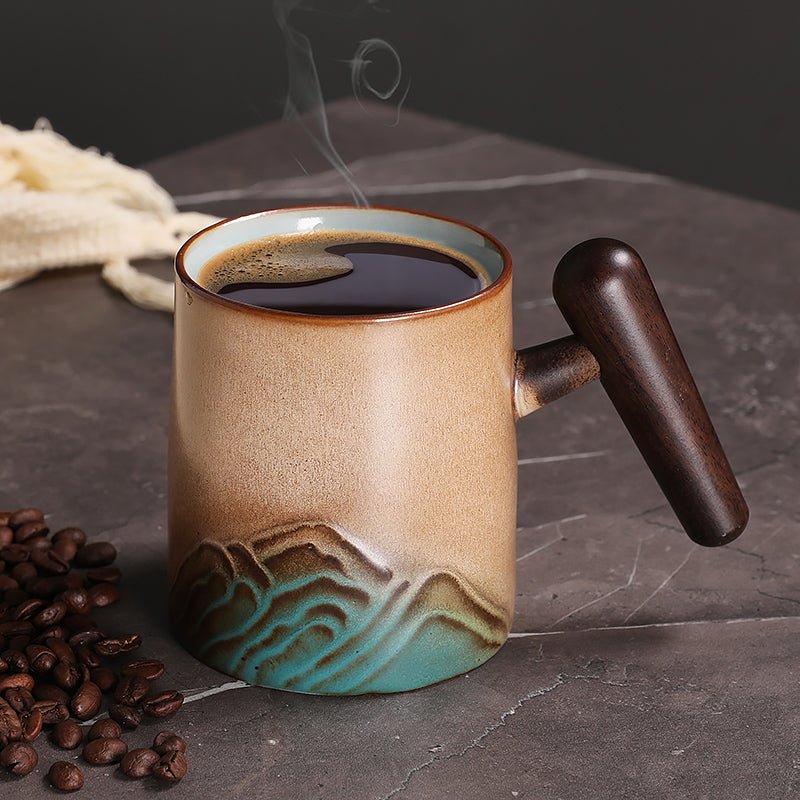
Coffee Mug SVG: What to Check Before You Buy a Mug or Design
A coffee mug svg only works if the file, mug shape, and finish all fit the same job. We break down what matters on real ceramic mugs, what to avoid, and which options make the cleanest gift or ever...
Weiterlesen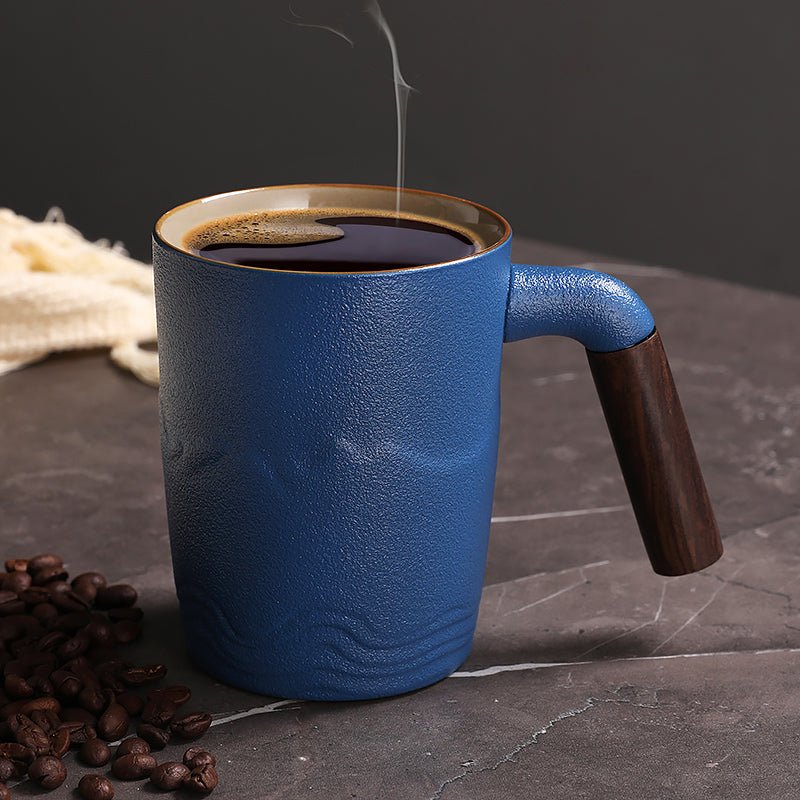
Crimson Lights Coffee Mug: Size, Style, and Buying Checklist
A crimson lights coffee mug looks right only when the finish, shape, and size fit your daily routine. We break down the practical checks we use in our store before recommending one.
Weiterlesen
Hinterlasse einen Kommentar
Diese Website ist durch hCaptcha geschützt und es gelten die allgemeinen Geschäftsbedingungen und Datenschutzbestimmungen von hCaptcha.