
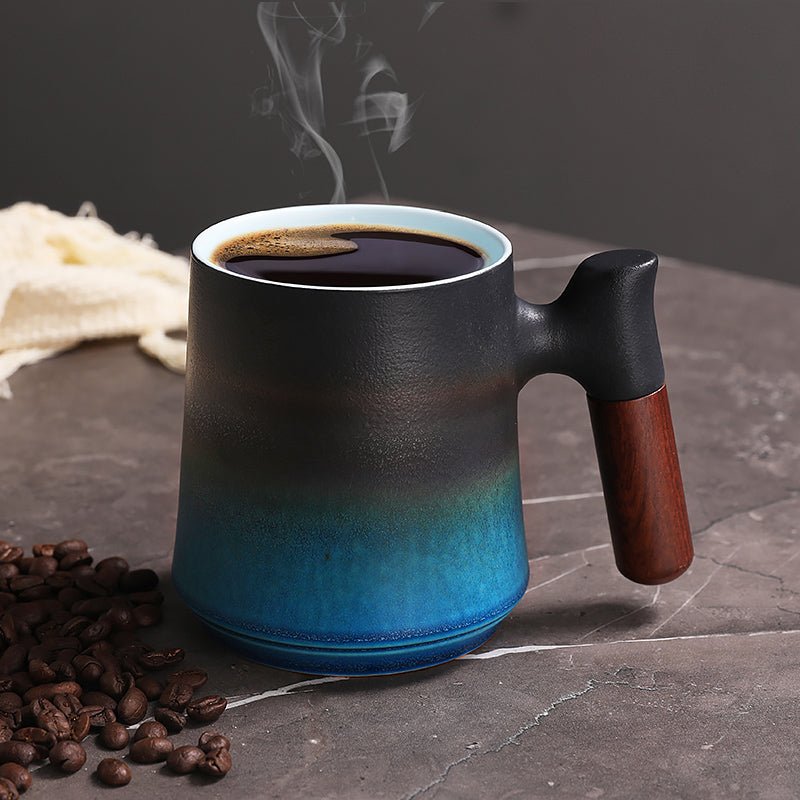
Coffee Mug Sublimation Guide: What Works, What Fails, and What to Buy
Reading time: about 8 minutes
A mug can look perfect on a product page and still fail under heat press if the coating is patchy, the curve is too tight, or the artwork sits too close to the handle. In our store, those are the details that separate a clean transfer from a disappointing blank.
coffee mug sublimation is simple in theory: heat turns sublimation ink into gas and bonds it to a polyester-coated surface. The practical part is choosing the right blank, the right size, and a press setup that respects the mug's shape.
What actually makes coffee mug sublimation work?
Sublimation does not sit on top of the surface like vinyl or a decal. The dye moves into the coating itself, which is why the mug has to be coated for sublimation and why raw ceramic, uncoated stoneware, and heavily textured finishes are poor choices.
That is also why finish matters. A smooth white or very light gloss surface gives the cleanest color because the inks stay bright and the artwork reads clearly. Dark or matte mugs can look great on a shelf, but they are not the right blank for this process. If you want a straightforward starting point, our Mountain Coffee Tea Mug and Great Mountain Coffee Tea Mug are the kind of shapes we like for even wraps. For a broader look at the category, browse the all mugs collection.
We usually tell buyers to think about three things at once: coating, curvature, and handle clearance. Those details decide whether the design lands cleanly or gets squeezed into a narrow strip near the seam. If you are comparing styles, the Emerald Coffee Tea Mug is another useful reference for a mug that needs to look good both in hand and on a desk.
If the blank is not coated for sublimation, the press settings will not save it. The coating is the product.
Which mug blanks are safest bets?
We see the fewest problems with coated ceramic blanks that have a smooth, glossy surface and a body shape that gives the transfer room to sit flat. Straight or gently curved walls are easier to align than dramatic tapers, especially when the artwork wraps around text or a photo.
| Blank type | Best use | Trade-off |
|---|---|---|
| Gloss white coated ceramic | Logos, photos, gift mugs, everyday use | Shows print flaws clearly, so artwork quality has to be solid |
| Straight-sided standard mug | Office desks and simple wrap designs | Less visual personality, but easier to press evenly |
| Taller 12 oz style mug | Roomier drinks and premium gift sets | Needs a larger transfer and more careful alignment |
| Colored or accent mug | Shelf presence and gift presentation | Not ideal if the coating is inconsistent or the print area is tight |
We do not recommend this process for raw terracotta, uncoated stoneware, metallic finishes, or any mug that needs to survive rough treatment every day in a commercial dishwasher. If the buyer wants durability first and decoration second, another print method may be a better fit.
For shoppers comparing shape and capacity, our size guides also help. See 10 oz Coffee Mug: Size, Fit, and What to Check Before You Buy, 11 oz Coffee Mug: Size, Fit, and What to Check Before You Buy, and 12 oz Coffee Mug Buying Guide for Fit, Comfort, and Daily Use if you want to match the blank to the way the mug will actually be used.
What do we check before pressing a mug?
Our process is usually boring on purpose. The fewer surprises before the mug goes into the press, the fewer wasted blanks we see afterward.
- Confirm the design is mirrored and sized to the mug's printable area.
- Clean the surface so there is no dust, oil, or lint under the transfer paper.
- Wrap the transfer tightly and keep the artwork centered, with enough room near the handle and seam.
- Use heat tape to stop the paper from shifting when the press closes.
- Apply even pressure so the print contacts the coating without crushing the body of the mug.
Two common failure modes show up fast here. Too much pressure can leave a dull band or a visible press mark near the edge. Too little pressure can cause soft, washed-out edges because the transfer never fully contacts the coating. Uneven tape placement can also create a faint double image when the paper slips at the last second.
That is why a good mug blank matters just as much as a good printer file. Even a strong design will look weak if the mug has a weird taper, a rough spot in the coating, or a handle that forces the transfer too close to the artwork.
What usually goes wrong, and how do you spot it?
Most bad results are not mysterious. They usually come from one of a handful of repeat problems, and once you know the pattern, you can fix it before the next press.
| Problem | What it looks like | Likely cause |
|---|---|---|
| Ghosting | Soft shadow or double edge on one side of the print | The transfer shifted as the mug was handled or pressed |
| Faded patch | A light or dull area in the middle of an otherwise solid design | Poor coating, weak contact, or uneven pressure |
| Edge shadow | Dark or blurry line near the wrap seam | The paper was not centered or the wrap overlapped unevenly |
| Press mark | Dull band, dent, or crushed look on the mug body | Pressure was too high for the blank shape |
| Color shift | Artwork looks less saturated than expected | Artwork file, coating quality, or press settings were off |
Color shift is the one buyers often blame on the mug, but the file matters too. Low-contrast artwork, washed-out blues, and thin text tend to expose every weakness in the blank. If the mug coating is good and the artwork is strong, the finished print usually looks much more intentional.
Which size should I buy for gifts, desks, or daily use?
Size matters more than people expect. A mug that feels balanced in the hand on a kitchen counter can feel cramped under a desk shelf or awkward in a small cabinet at work.
If you are torn between compact and standard, our guides for 10 oz and 11 oz mugs are useful because the fit questions change with every ounce. For a roomier everyday cup, the 12 oz buying guide is the better match.
- 10 oz: Better for smaller pours, compact cabinets, and buyers who want a lighter-feeling mug.
- 11 oz: The standard middle ground for gifts, office desks, and simple logo work.
- 12 oz: Better for people who want more room for milk, tea, or a larger coffee pour.
If the mug is being sold as a gift, the unboxing experience matters too. A clean glossy blank, a balanced handle, and a print that sits evenly across the face all matter more than a flashy promise on the listing.
How should you care for a sublimated mug?
We tell customers to treat a sublimated mug like a finished print, not a rugged utility tool. Mild soap, a soft sponge, and normal drying do the job. Abrasive pads, harsh scouring powders, and repeated high-heat dishwasher cycles are what wear the finish down first.
That does not mean every sublimated mug has to be hand-washed forever. It means the finish lasts better when the mug is used in a normal home kitchen than when it is run through heavy daily wash cycles. If someone wants a mug for office turnover, shared break rooms, or constant dishwasher use, a different decoration method may be the safer choice.
A few care habits help on the buyer side:
- Wash gently after the first use so oils do not build up on the surface.
- Avoid metal scrubbers that can dull the glaze.
- Do not stack mugs where handles can chip one another.
- Include a simple care note if the mug is being gifted.
Frequently asked questions
What mug material works best for coffee mug sublimation?
Polymer-coated ceramic is the safest choice for standard coffee mug sublimation. The coating is what holds the ink, so raw ceramic, stoneware, and uncoated finishes are not suitable. A smooth glossy surface also tends to show the artwork more clearly than a textured one.
Can you sublimate on black or colored mugs?
Not with the standard process in a way that gives clean, bright results. Sublimation inks are translucent, so they need a light surface to show properly. Colored mugs can work only if they are specifically coated for sublimation and the design is planned around that finish.
Why does my print look faded after pressing?
Faded prints usually point to one of three things: the blank coating was weak, the pressure was uneven, or the file itself did not have enough color strength. Low contrast artwork also makes the problem look worse. Before blaming the mug, check the transfer alignment and the press setup first.
Are sublimated mugs dishwasher safe?
Many are fine for normal home use, but repeated high-heat dishwasher cycles can shorten the life of the finish. We recommend hand washing when appearance matters, especially for gift mugs or retail display pieces. If the mug will be washed hard every day, choose the blank with that use case in mind.
Why does the print shift near the handle?
The handle reduces the printable wrap area and can force the transfer too close to the edge if the design is not centered carefully. That is where ghosting and distorted text often show up. Good alignment and the right blank shape matter more than trying to stretch the artwork wider.
What should you compare before you buy a blank?
Before you order, compare the coating, the body shape, the size, and the care expectations. If you want a simple starting point, compare the shapes in our all mugs collection, then narrow down to the blank that fits your press setup and the buyer's daily routine.
- Check that the mug is coated for sublimation, not just glossy.
- Look at the curve and make sure your artwork has room near the handle.
- Match the size to the way the mug will actually be used, not just the listing title.
- Decide whether the buyer wants easy care or the best possible print longevity.
If you want the easiest path, start with a clean white coated blank, then compare the product shapes we use most often in our store: the Mountain Coffee Tea Mug, the Great Mountain Coffee Tea Mug, and the Emerald Coffee Tea Mug. From there, move to the size guide that matches how the mug will be used, and choose the blank that gives your artwork the most room to print cleanly.
Read more
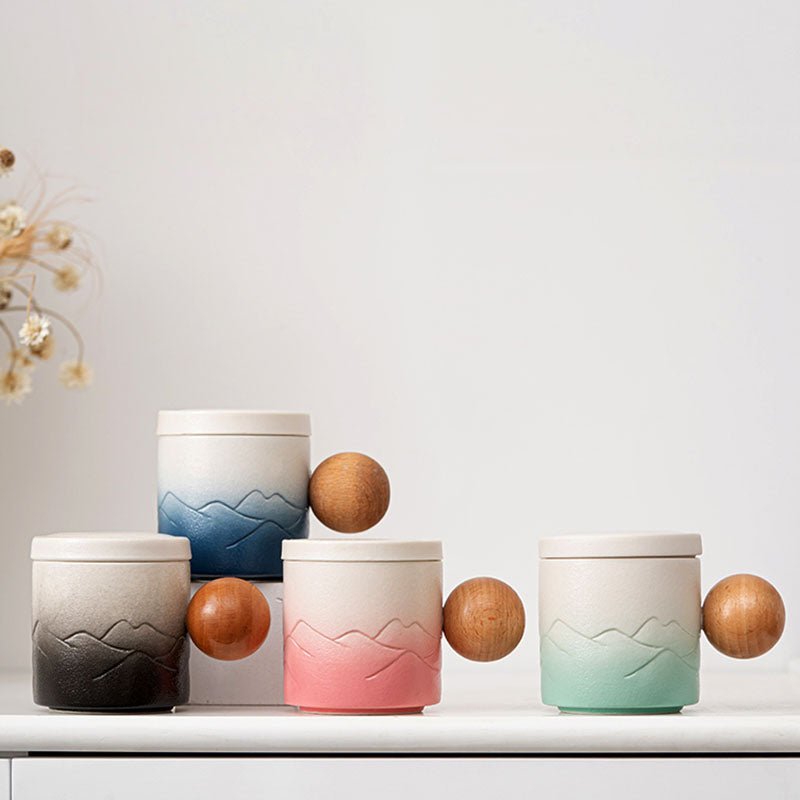
Coffee Mug Flowers: How to Choose a Floral Mug for Daily Use
Coffee mug flowers can be a thoughtful desk mug or gift, but the best one still needs the right handle feel, size, and finish. We break down the practical checks we use before recommending one.
Weiterlesen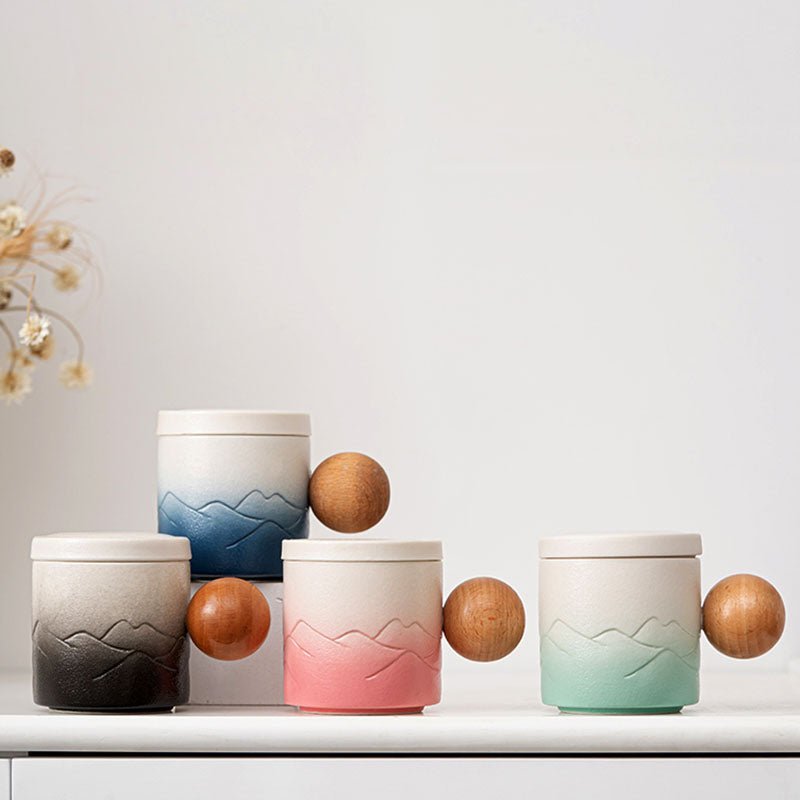
Striped Coffee Mugs for Daily Use: Fit, Finish, and Care
Striped coffee mugs can look great on a kitchen counter, but the wrong rim, handle, or glaze finish turns them into cabinet pieces. We break down the details that matter for daily coffee, tea, desk...
Weiterlesen
Hinterlasse einen Kommentar
Diese Website ist durch hCaptcha geschützt und es gelten die allgemeinen Geschäftsbedingungen und Datenschutzbestimmungen von hCaptcha.