
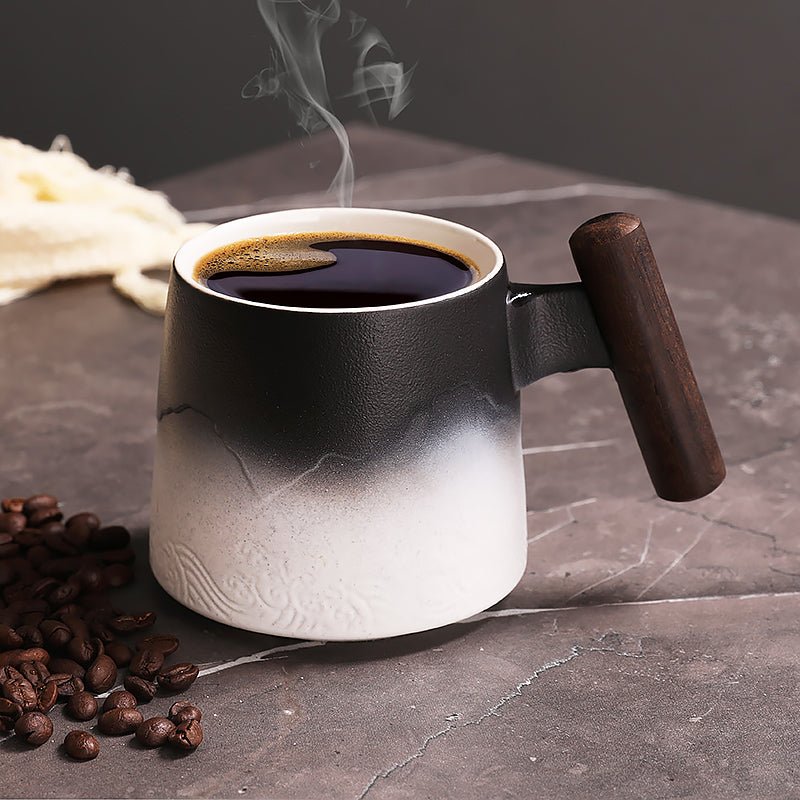
Coffee Mug Shelves: What to Check Before You Buy
Reading time: about 9 minutes
A shelf that looks perfect in a product photo can fail fast on a real kitchen wall. The mug handles bump the back, the shelf sits too shallow for larger cups, or the whole setup starts looking crowded once everyday mugs and gift mugs share the same space.
We sell and handle this category from a practical angle, so we pay attention to the details shoppers usually notice only after installation. Coffee mug shelves should do three things well: hold weight, fit the mugs you already own, and keep your counters easier to live with.
What should coffee mug shelves do in a real kitchen?
The best coffee mug shelves are not just storage. They make the mugs you use most days easier to reach, and they should do that without turning into a dust trap or a display that only works with tiny cups. In our experience, the shelves that satisfy buyers are the ones that solve a specific problem: a crowded counter, a cupboard that is too deep, or a coffee bar that needs to feel finished.
There is a difference between a shelf that looks decorative and one that works through weekday use. If you make coffee before work, you want a mug within arm's reach, not stacked behind three serving pieces. If the shelf is going above a machine or near a sink, clearance matters even more. A mug can be the wrong shape for the space even when the shelf itself is attractive.
For size matching, our mug guides can help before you buy the shelf itself. If you already know your preferred mug size, compare the fit details in our 10 oz Coffee Mug: Size, Fit, and What to Check Before You Buy, 11 oz Coffee Mug: Size, Fit, and What to Check Before You Buy, and 16 Ounce Coffee Mug Buyer’s Guide: Size, Material, and Fit guides. Shelf planning gets easier when you know whether your daily cup is compact or oversized.
Which shelf material holds up best to heavy ceramic mugs?
Material matters more than style here. Coffee mugs are not light, especially stoneware and thick ceramic mugs with wide handles. A shelf built from the wrong material may bow over time, and a cheap finish can show ring marks, chipped corners, or a rough edge where glaze or paint meets regular handling.
We usually compare three practical shelf types:
- Solid wood: Strong visual warmth and good support when properly anchored. It can take everyday use well, but unfinished or poorly sealed wood may stain if a wet mug or damp hand touches it often.
- Metal: Clean, modern, and often very stable for narrow profiles. The trade-off is that hard edges and visible brackets can feel industrial if the rest of the kitchen is softer in style.
- Engineered or composite shelving: Often more affordable and easy to match to a cabinet finish, but quality varies. If the core material is weak or the mounting is light-duty, this is where sagging and surface damage show up first.
For a coffee station, we tend to favor a shelf with a finish that wipes clean easily. Coffee splashes, steam residue, and handprints happen. A painted shelf with a fragile topcoat will show wear sooner than a properly sealed surface. That does not mean you need a premium material for every setup, but it does mean the shelf should be realistic about the environment it lives in.
If you are pairing shelves with mug purchases, our broader catalog on products and the full collection is the best place to compare mug sizes and styles side by side before deciding how much shelf space you actually need.
How deep and tall should coffee mug shelves be?
This is the question that saves people the most frustration. Shelf depth should match the mug handle and the mug body, not just the base diameter. A shelf that is too shallow can look fine until a mug handle hangs off the edge or the cup tips when someone grabs it quickly.
We look at three dimensions:
- Depth: Enough room for the mug base and handle without crowding the front edge.
- Clear height: Enough vertical space for the mug body plus fingers when lifting it in and out.
- Spacing between shelves: Enough room so the top shelf does not make the lower shelf useless for taller mugs.
A common mistake is buying for small espresso cups and later trying to store 14 oz or 16 oz mugs on the same shelf. That creates handle collisions and makes the display look cramped. If your household uses larger daily mugs, compare those measurements against the cup sizes discussed in our 14 oz Coffee Mug: What Buyers Should Check Before They Buy and 15 oz Coffee Mug: Size, Fit, and What Buyers Should Check guides.
Another real-world issue is the overhang from handles. A mug with a wide handle may need more practical shelf depth than the mug's body alone suggests. That is why we tell shoppers to measure the mug at its widest point, not just the diameter of the cup itself.
Our rule of thumb: measure the mug first, then choose the shelf. Reversing that order is how people end up with a display that looks right and works poorly.
Should you buy wall-mounted, countertop, or cabinet mug storage?
Each style solves a different problem, and none of them is best for every home. The right choice depends on how much you want the mugs visible, how often you use them, and whether you can mount hardware safely into studs or solid backing.
Wall-mounted shelves work best when you want the mugs accessible and visible. They free up counters and create a coffee corner that feels intentional. The trade-off is installation. If the wall is weak, the anchors are wrong, or the shelf is too long for the load, the result will not stay level.
Countertop shelves are the easiest to place and move. They are good for renters and people who want a quick coffee station without drilling. The downside is they consume precious prep space, so they are not ideal in small kitchens that already feel tight.
Cabinet or under-shelf mug storage is useful when you want the mugs hidden but still close to the machine. That said, it can be a poor fit for oversized mugs or tall handles, and it is rarely the best option for decorative pieces you want to show off.
For buyers comparing mug styles first, our size-focused articles are useful before choosing a storage style. The 12 Ounce Coffee Mug Buying Guide: Size, Fit, and Best Uses and 16 oz Coffee Mug: What Buyers Should Check Before They Buy explain why a shelf that fits one cup size can feel wrong for another.
What details should you check before buying coffee mug shelves?
This is where good purchases usually happen. Most people focus on appearance first, but the practical details decide whether the shelf still feels good after a month of use.
- Mounting hardware: Check whether the shelf is meant for studs, drywall anchors, or simple surface placement. A shelf for heavy ceramic mugs should not depend on weak hardware.
- Finish quality: Look for smooth edges, even paint or stain, and a surface that will not shed dust or flake with cleaning.
- Weight planning: Think about the mugs you already own. Thick stoneware cups weigh more than thin ceramic cups, and a full shelf adds up quickly.
- Cleaning: Coffee areas collect steam, dust, and splashes. Wipeable surfaces are easier to live with than textured finishes that trap grime.
- Visual crowding: Leave enough negative space. A shelf packed edge to edge with mugs can look cluttered and make it harder to reach the cup you want.
We also recommend checking for obvious defect modes before you install anything: a shelf that arrives slightly bowed, a finish with rough spots at the front edge, bracket holes that do not line up cleanly, or hardware that feels too light for the intended load. Those are the kinds of problems that turn a simple project into a return.
If you want a shelf to support mugs you use daily, not just decorative pieces, prioritize stability over trendy styling. A simple shelf with solid mounting is better than a decorative design that cannot handle real use.
How do you keep coffee mug shelves useful instead of cluttered?
A shelf works best when it stays edited. Once every mug the household owns lands on the same shelf, the setup stops feeling deliberate and starts feeling temporary.
Our store approach is simple: keep the shelf for the mugs that earn their place. The rest can live in cabinets, boxes, or a separate overflow area. That keeps the most-used cups visible and makes the shelf feel like part of the coffee routine instead of storage overflow.
A practical setup usually follows this pattern:
- Place the everyday mugs at the most reachable height.
- Keep larger or less-used mugs on the top row or in a secondary cabinet.
- Leave one or two open spots so the shelf does not look packed the moment a new mug arrives.
- Group similar finishes together if you want a cleaner visual line.
That approach matters even more in shared spaces like offices, break rooms, and guest kitchens. A shelf that is too full sends the wrong signal. People hesitate to touch it, or they put the mug back in the wrong place. A little breathing room makes the shelf actually usable.
If you are building a coffee area from scratch, start with the mugs you want to use every day, then choose the shelf around them. That prevents overbuying storage you will not need.
Frequently asked questions
How many mugs can coffee mug shelves hold?
It depends on shelf length, depth, bracket spacing, and the weight of the mugs themselves. A short shelf may hold a few everyday cups comfortably, while a wider setup can support a full coffee station if the mounting is strong. We recommend planning around the mugs you already use, not a theoretical maximum.
Are coffee mug shelves good for heavy stoneware mugs?
Yes, if the shelf is built and mounted for that load. Heavy stoneware puts more stress on brackets, wall anchors, and shelf materials than thin ceramic cups do. If the shelf is light-duty or decorative-only, it is not the right choice for heavier mugs.
What is the best material for coffee mug shelves in a kitchen?
Solid wood and metal are the most practical choices for many kitchens. Wood gives a warmer look and can support daily use when properly sealed, while metal is often a strong fit for a slimmer profile. The best option depends on whether you want warmth, durability, or a more minimal finish.
Do coffee mug shelves need to be mounted into studs?
For heavy mugs or longer shelves, stud mounting is the safer choice. Some shelves use anchors successfully in the right wall type, but light hardware is not something we would rely on for a full mug display. If you are unsure, choose a lighter load or a countertop option instead.
What should I measure before buying coffee mug shelves?
Measure the mug height, the widest point including the handle, and the wall or cabinet space you have available. That gives you a realistic sense of shelf depth and clearance. If you already own larger mugs, compare them against our size guides before you buy a shelf that may be too shallow.
If you are ready to compare actual mug shapes before choosing a shelf layout, start with the mugs you plan to store and then browse our collection to see what will fit your space best.
More from our blog
Read more
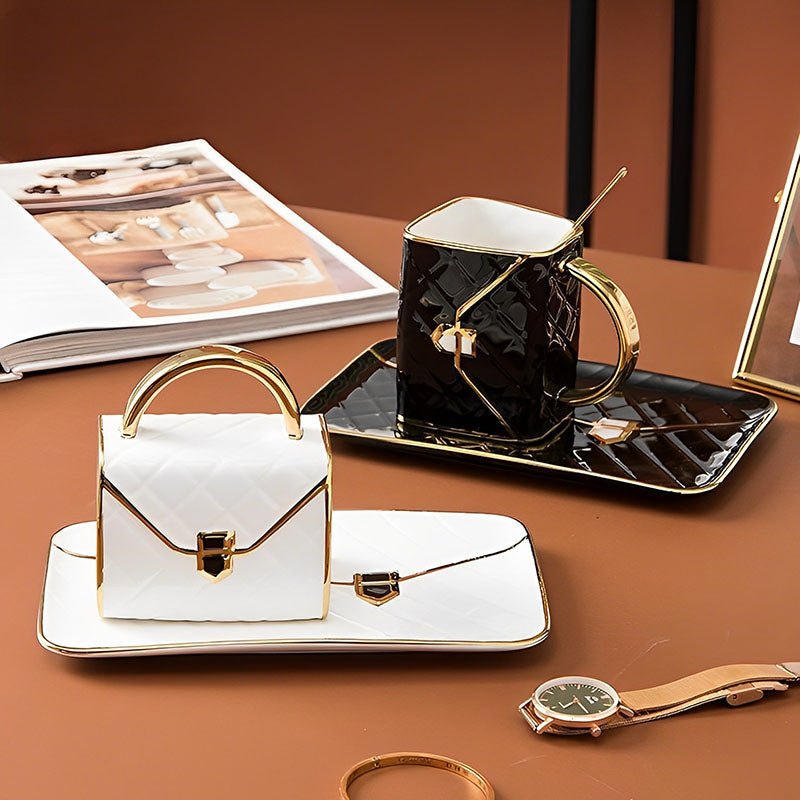
Coffee Mug Sayings That Fit the Person, the Size, and the Gift
Coffee mug sayings work best when the line matches the person, the mug size, and the way it will be used. We break down what reads well, what to avoid, and how to compare options before you buy.
Weiterlesen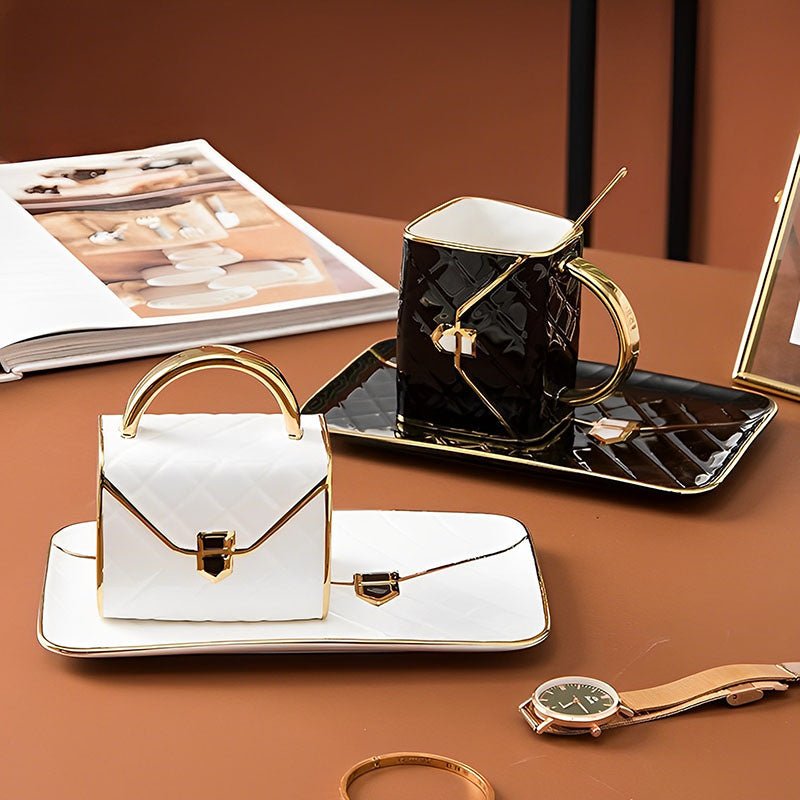
Coffee Mug Snowman: Size, Material, and Gift Buying Guide
A coffee mug snowman works best when the size, handle, and finish match how it will actually be used. We break down what to check before buying, what lasts through winter use, and which options mak...
Weiterlesen
Hinterlasse einen Kommentar
Diese Website ist durch hCaptcha geschützt und es gelten die allgemeinen Geschäftsbedingungen und Datenschutzbestimmungen von hCaptcha.