
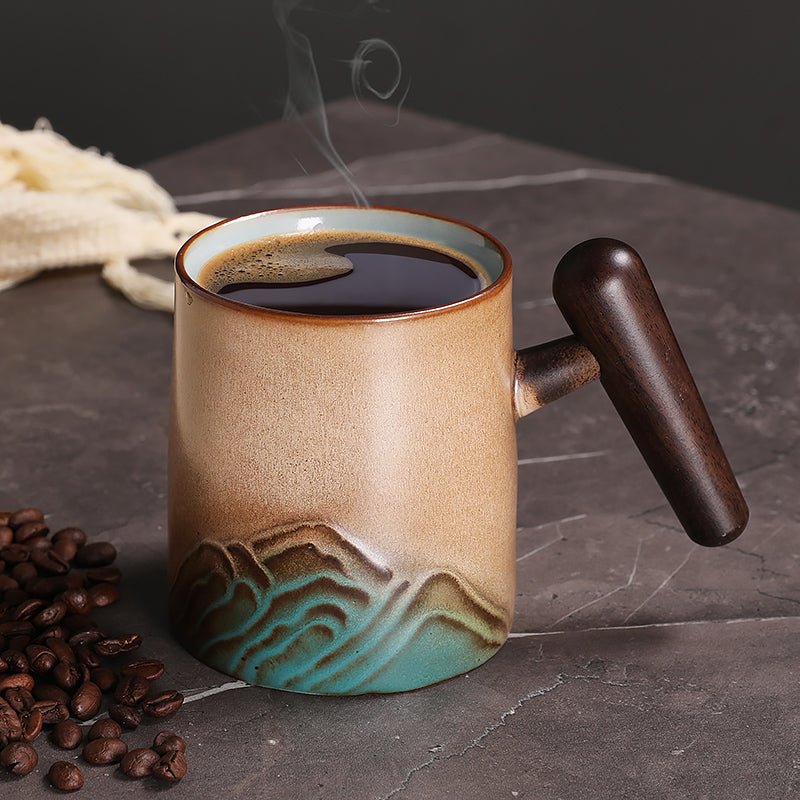
Coffee Mug Set of 8: What to Check Before You Buy
Reading time: about 8 minutes
A full mug rack looks useful until the first busy morning. Then you notice the real questions: does every mug feel comfortable in the hand, do the rims drink cleanly, and will eight pieces still look good after repeated dishwasher cycles?
That is the kind of problem a coffee mug set of 8 is supposed to solve. In our store, we see buyers choose this size when they want matching mugs for a shared kitchen, guest rotation, or office coffee station without mixing styles that never quite line up. The catch is that an 8-piece set only feels like a good buy if it fits how you actually drink.
Some sets are built for display first. Others are made for daily use first. The difference shows up in the details, not the product photo.
What does a coffee mug set of 8 solve in a real kitchen?
A coffee mug set of 8 is most useful when more than one person reaches for mugs every day. Eight pieces give you breathing room for a family, a small office, or a household that likes to keep a few clean mugs ready instead of running the dishwasher after every round of coffee.
It also reduces the mismatch problem. One mug from one store, three from another, and two that only work for tea can make a cabinet feel cluttered fast. A matching 8-piece set keeps the shelf visually calm and makes it easier to grab the same size each morning.
The trade-off is space. If your cabinets are narrow, or if you mostly drink espresso, a set of 8 can be more than you need. It is also not the best choice for people who want oversized latte bowls. Those buyers usually do better with fewer mugs in a larger format.
- Best fit: family kitchens, shared apartments, break rooms, and casual hosting
- Less ideal: small cabinets, single-person households, and espresso-only setups
- Not the right buy: if you need extra-large mugs for soups, cereal, or oversized milk drinks
Which material should you choose for everyday use?
Most buyers end up comparing ceramic first, because it hits the practical middle ground for coffee and tea. It feels substantial, usually drinks comfortably, and can look polished enough for a kitchen counter without feeling precious.
Our own buying checklist starts with the rim, the weight, and the glaze. A smooth drinking edge matters more than a flashy pattern. An even wall thickness matters because one mug in the set should not feel noticeably heavier than the others. A consistent glaze matters because pinholes, rough spots, and color streaks are the first signs of a batch that may have been rushed.
If you want a more detailed look at small daily-use pieces, our 8 Ounce Coffee Mugs: How to Choose the Right Small Mug breaks down why capacity changes the way a mug feels on the desk or at the breakfast table. For a broader material checklist, our Ceramic Coffee Mug Set Buying Guide for Everyday Use covers the everyday points we pay attention to before we recommend a set.
Material trade-offs are real:
- Ceramic: a balanced choice for daily coffee, tea, and general kitchen use
- Heavier builds: feel sturdy, but can be tiring if you carry a mug from counter to desk all day
- Lighter builds: are easier to hold, but may feel less substantial in a busy household
We are careful about this point because a mug set is not only about appearance. A good set should survive the way people really use it, which usually means hot drinks, hurried handling, stacking in a cabinet, and repeated washing.
What details tell you a set is worth buying?
We judge a mug set by the parts most shoppers do not notice until the second or third use. That is where the weak spots show up.
| Check | What good looks like | Why it matters |
|---|---|---|
| Rim | Smooth and even, with no rough seam | More comfortable to drink from every day |
| Handle | Enough room for fingers without scraping knuckles | Better grip and less heat transfer |
| Base | Flat and stable, not wobbly | Safer on crowded counters and desks |
| Glaze | Uniform color with no bare spots or pinholes | Helps the set look consistent after washing |
| Stacking | Nests without chipping the edges | Saves cabinet space in an 8-piece set |
Common defect modes are usually simple, but they matter: hairline glaze cracks, handles attached too close to the body, uneven foot rings, and thin rims that feel sharp instead of smooth. Those are the little things that turn into irritation once the mugs are in the rotation.
We also recommend thinking about cleanup. A mug that stains easily after dark roast coffee or tea can still be acceptable if the glaze releases stains with normal washing. A mug that holds onto residue after every cycle is more work than it is worth.
Which of our mugs fit different buyers best?
If you want a more modern look, the The Gradient Coffee Tea Mug is a good match for buyers who want a little more visual interest without moving into novelty territory. If your kitchen leans classic, the Retro Coffee Tea Cup gives you a cleaner, familiar shape that works well for coffee or tea service. If comfort in the hand is the priority, the Ball Handled Coffee Tea Mug is the one we would look at first because the handle design changes the whole feel of the mug.
These are not interchangeable choices. A slimmer profile can feel better for tea and lighter drinks. A rounder handle can be easier for larger hands or colder mornings. If your household uses mugs for cocoa, reheating, or even the occasional quick soup, you should pay attention to opening width and overall weight, not just color.
To compare the full range of shapes and finishes we carry, start with our all collection. If you are deciding between a larger set and a smaller backup pack, our Coffee Mug Set 6: What to Check Before You Buy for Daily Use is useful for side-by-side thinking. If you want the broader buying checklist we use when we review sets, our Coffee Mug Set Buying Guide for Everyday Use, Gifts, and Kitchens covers the decision points in one place.
How should you compare an 8-piece set with smaller sets or singles?
Small differences matter here. An 8-piece set gives you consistency, but it also takes up more room and costs more shelf space. Singles let you mix and match, but they can create a mismatched cabinet and make it harder to replace a broken mug with something that feels the same in the hand.
For most shoppers, the right choice comes down to use pattern:
- Choose a coffee mug set of 8 if you host often, share a kitchen, or want a matching everyday set for the whole household
- Choose a smaller set if your cabinets are tight or you only need mugs for one or two people
- Choose singles if you are replacing breakage or testing a style before committing to a full set
This is also where a lot of buyers overbuy. Eight mugs sounds practical until they realize their cabinet height only fits four in one stack, or that they mostly drink from one favorite mug and the rest sit untouched. If that sounds familiar, fewer mugs in a better shape can be the smarter move.
On the other hand, if your kitchen is often the place where coffee gets poured for guests, coworkers, or family members on the move, a matched set removes friction. Everybody knows where the mugs are. Nobody has to hunt for the right size.
Frequently asked questions
Is a coffee mug set of 8 enough for a family?
For many households, yes. Eight mugs usually cover daily use plus a small cushion for guests, which helps if the dishwasher is not run every night. If you have a larger family or regularly host, you may want a backup set or a mix of matching singles.
Are ceramic mugs a good choice for daily coffee?
Yes, ceramic is a practical everyday option because it feels balanced in the hand and suits both coffee and tea. The main things to check are rim smoothness, handle comfort, and glaze consistency. We would not choose a set with visible rough spots or unstable bases, even if the style looks good online.
What size mug works best for drip coffee and tea?
For many buyers, a standard everyday mug works best because it leaves room for coffee without feeling oversized. Tea drinkers often prefer a mug that is comfortable to hold for longer stretches, while coffee drinkers may care more about how much room is left for milk or cream. If you want to narrow that choice further, our 8-ounce mug guide is a useful reference point.
Do mug sets of 8 need to stack well?
If you have limited cabinet space, they should. Good stacking reduces chip risk and keeps your kitchen organized. We also look for mugs that sit flat when nested, because uneven stacking is one of the first signs that a set may be awkward to store.
Should I buy one matching set or mix styles from different mugs?
If you want a clean shelf and easy replacement, one matching set is usually the better choice. Mixed styles can work if you like a collected look, but they are harder to replace later and often feel less coordinated at the table. For shared kitchens, matching usually wins on convenience.
What should you check before you order?
Before you buy a coffee mug set of 8, run through a short checklist. It keeps the decision practical and helps you avoid the common regrets that show up after the box arrives.
- Count how many mugs you actually use in a normal week.
- Check whether your cabinets can hold eight mugs without crowding.
- Decide if you want ceramic, a lighter feel, or a more substantial hand-feel.
- Look closely at the rim, handle, and base details, not just the finish color.
- Choose a style that fits your kitchen, your table, and the drinks you serve most.
If you want to keep comparing options, start with our all collection and compare the shapes side by side. That is usually the fastest way to find a set that fits the way your kitchen actually runs.
Read more
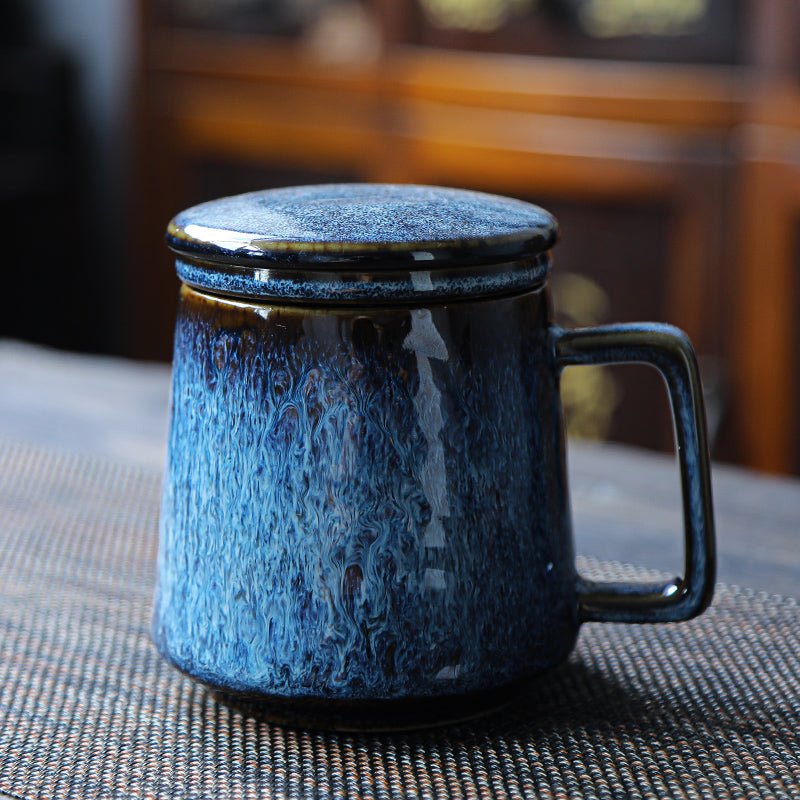
Mug Coffee Cake: How to Choose the Right Mug and Avoid Overflow
Mug coffee cake turns out best when the mug shape, fill level, and microwave timing all work together. This guide shows what to buy, what to avoid, and how we size mugs for better texture.
Weiterlesen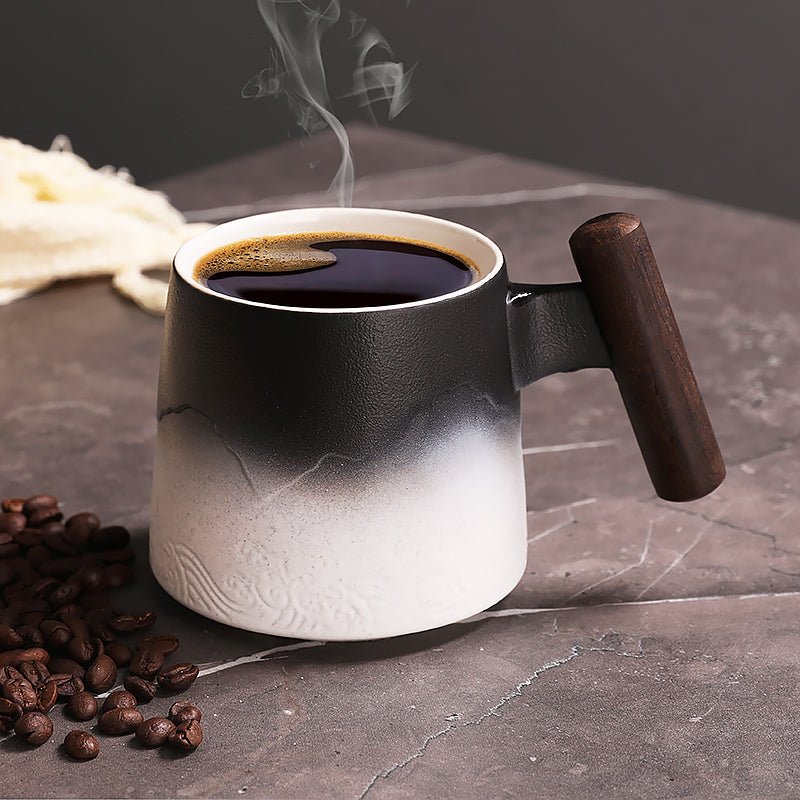
Princess House Coffee Mugs: What Buyers Should Check First
A practical buying guide for Princess House coffee mugs, with the condition checks, everyday-use trade-offs, and backup options we recommend when vintage hunting gets risky.
Weiterlesen
Hinterlasse einen Kommentar
Diese Website ist durch hCaptcha geschützt und es gelten die allgemeinen Geschäftsbedingungen und Datenschutzbestimmungen von hCaptcha.