
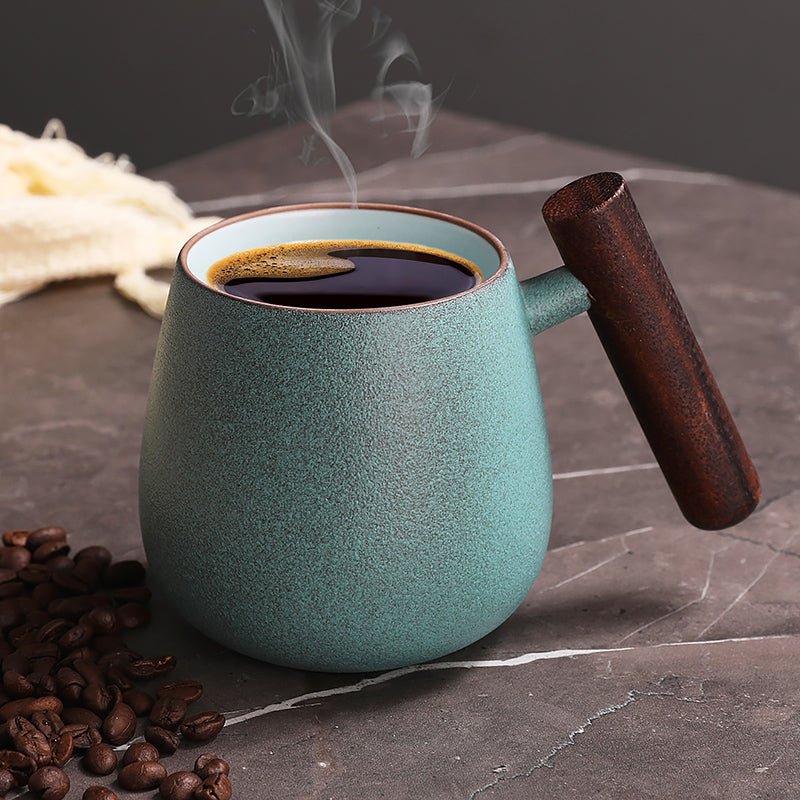
Coffee Mug Printing: How to Choose a Mug That Prints Cleanly
Reading time: about 9 minutes
A mug that looks perfect on a laptop mockup can still fail on a real kitchen counter. The print can sit too close to the handle, the artwork can wrap too far around a curve, or the color can read dull once it lands on glazed ceramic.
That is why we treat coffee mug printing as a buying decision, not just a design decision. Our team looks at the mug shape, the printable area, the artwork size, and how the mug will actually be used: office desks, gift boxes, dishwashers, and quick hand washes after a long day.
For a practical starting point, compare our The Gradient Coffee Tea Mug, Retro Coffee Tea Cup, and Ball Handled Coffee Tea Mug, then browse the full collection if you want to see the rest of the lineup.
What should you check before ordering coffee mug printing?
The biggest mistake we see is starting with the artwork and ignoring the mug itself. A good design can still look off if the mug has a narrow print zone, a heavy curve, or a handle that crowds the logo.
If you want a tighter buyer checklist, our notes in Coffee Mug Printing: What Buyers Should Check Before Ordering cover the basics in a practical order. We use the same lens in our store: fit first, art second, finish last.
- Check the print area. Not every mug gives you the same wrap width or safe margin near the handle.
- Check the surface finish. A glossy ceramic glaze usually shows color well, but fine detail can reveal flaws faster than a simple logo.
- Check the handle clearance. If your text or icon sits too close to the handle, it can feel cramped even when the file looks fine on screen.
- Check the use case. A desk mug needs a different feel than a gift mug, and a mug for daily coffee should be easier to grip and clean.
- Check care expectations. If a buyer wants long-term sharpness, hand washing is usually gentler than repeated harsh dishwasher cycles.
We also tell shoppers to think about the unboxing moment. A gift mug can forgive a little less volume or a slightly smaller print zone if the presentation is strong. A workday mug cannot. It has to feel right in the hand every morning.
The best coffee mug printing starts with a mug that matches the artwork, not the other way around.
Which mug shape works best for your design?
Shape changes how a print reads. A straight-sided mug gives you the cleanest wrap for text-heavy artwork. A more tapered mug can look elegant, but it gives the printer less room to work with at the edges. That is why shape matters as much as color.
| Mug style | What it does well | Where it is weaker |
|---|---|---|
| The Gradient Coffee Tea Mug | Works well for modern, color-forward designs that need a clean visual stage. | Not the best choice if the artwork depends on a very wide wrap or tiny detailed text. |
| Retro Coffee Tea Cup | Fits vintage-style art, simple marks, and a more classic tabletop presentation. | Less ideal for oversized graphics that need a lot of uninterrupted space. |
| Ball Handled Coffee Tea Mug | Good for buyers who care about how the mug feels in hand during daily use. | The handle style can make layout planning feel tighter if you want a very large print. |
For most shoppers, the question is not which mug is best in theory. It is which mug fits the design without forcing compromises. A logo that needs breathing room should not be squeezed into a narrow wrap. A playful illustration should not be cut off by a handle or a curve. If you are still comparing sizes, our 10 oz Coffee Mug: Size, Fit, and What to Check Before You Buy and 11 oz Coffee Mug: Size, Fit, and What to Check Before You Buy guides are the fastest way to compare everyday feel without guessing.
What artwork details make mug printing look clean?
Good coffee mug printing rewards clean artwork. The biggest issues we see are not dramatic. They are small: text that is too thin, a logo that is too close to the edge, or a gradient that looked smooth on a screen but turns muddy on glazed ceramic.
We recommend checking the artwork with the same eye you would use for packaging or storefront signage. If the text needs a magnifying glass on a laptop, it will usually feel awkward on a mug. If the design depends on hairline detail, it is probably too delicate for everyday use.
- Use strong contrast. Dark artwork on a light mug usually reads faster than pale gray on white glaze.
- Keep small text readable. Thin fonts and long slogans lose clarity first, especially around curved surfaces.
- Leave a safe margin. Give the handle some space so the design does not look crowded once the mug is in the hand.
- Avoid relying on tiny gradients. Soft color transitions can look fine in preview files, then show banding or dull edges on ceramic.
- Plan for the real finish. Glossy glaze, bright lighting, and curved walls all affect how the final print reads on a kitchen shelf or office desk.
If the artwork is a logo, vector files are usually the safest starting point. If it is a photo or illustration, high-resolution raster art can work well as long as it is sized properly and the edges are clean. We would not use a low-resolution screenshot for anything that needs to look polished out of the box.
How should you care for printed mugs?
Care matters because the customer experience does not end at checkout. It ends after the tenth wash, the first office spill, and the moment the mug sits on a desk every morning with a spoon inside it.
The safest routine is simple: use a soft sponge, mild dish soap, and warm water. If the care instructions allow dishwasher use, the top rack is usually the gentlest option. We still tell buyers that repeated harsh cycles, abrasive scrub pads, and extreme temperature swings are hard on any printed surface over time.
- Hand wash if you want the lowest risk. This is the most controlled way to protect sharp edges and color clarity.
- Use the top rack when machine washing is allowed. That keeps the mug farther from the hottest spray and the roughest movement.
- Avoid scouring pads. They can dull the finish even if they do not remove the print immediately.
- Do not shock the mug with temperature swings. A cold mug filled with boiling liquid can be harder on ceramic than gradual heating.
- Keep metallic or foil-style decoration out of the microwave. If a design includes those elements, microwave use is the wrong choice.
We do not treat every mug as a heavy-duty utility item. A printed mug can be a daily-use piece, but it is not the same as an uncoated workhorse cup built for rough treatment. If a buyer wants something that can be tossed into a sink pile and scrubbed aggressively, a printed decorative mug is the wrong expectation.
Which CoffeifyMug option fits each buying scenario?
We see three common buyer profiles: the gift shopper, the office buyer, and the person replacing a single favorite mug at home. Each one values a different balance of style, comfort, and print presentation.
- For a modern gift: The Gradient Coffee Tea Mug is the cleaner choice if you want a color-forward look that feels intentional on a shelf or in a gift box.
- For a classic, nostalgic look: The Retro Coffee Tea Cup works well when the design is simple and the mood is more traditional than trendy.
- For hand feel and everyday grip: The Ball Handled Coffee Tea Mug is the one we would point to if comfort in the hand matters more than a purely standard silhouette.
- For side-by-side comparison: Open the full collection and compare shape, handle style, and visual weight before you commit.
There is a trade-off in every direction. A more distinctive mug can make the gift feel special, but it can also narrow the artwork options. A simpler mug can be easier to print well, but it may feel less memorable as a present. We prefer to be honest about that. The best choice is not always the most decorative one.
If you want a broader buying angle, our 10 oz Coffee Mug: What Fits, What Doesn’t, and What to Buy guide is useful for shoppers who are choosing between comfort, capacity, and table presence.
Frequently asked questions
What file type is best for coffee mug printing?
Vector files are usually best for logos because they keep edges sharp when artwork is resized. For photos or complex illustrations, a high-resolution PNG or similar raster file can work well if the image is clean and large enough. We also recommend outlining text before you send it.
Can coffee mug printing survive the dishwasher?
It depends on the printing method, the finish, and the care instructions for the specific mug. Even when a mug is dishwasher safe, hand washing or top-rack washing is gentler on the print over time. If you want the longest-lasting look, treat it like a decorative daily-use piece rather than a heavy-duty utility cup.
What mug size should I choose for daily coffee?
For many buyers, 10 oz feels compact and tidy, while 11 oz is the more familiar everyday choice. If the mug is for office coffee, a standard-size option is usually easier to live with than a smaller cup. If you want to compare fit and feel, size should be part of the decision, not an afterthought.
Which mug is better for a logo, a modern mug or a retro mug?
A modern mug usually gives a logo a cleaner stage, especially if the artwork is simple and color-led. A retro mug can look stronger for a vintage brand, a café gift, or a design with a nostalgic feel. The better choice depends on whether you want the mug to disappear behind the art or become part of the look.
What should I avoid if I want the print to stay sharp?
Avoid tiny text, weak contrast, and artwork that runs too close to the handle. We also avoid abrasive sponges, harsh detergents, and rapid temperature changes when we want a printed mug to hold up. If the mug will be used every day, choose a design that still looks clean when the first novelty wears off.
If you are still narrowing things down, start with the full collection, compare the mug shape against your artwork, and check the care routine before you buy. That three-step check usually tells you which mug will print well and which one will look better in the cart than on the counter.
Read more
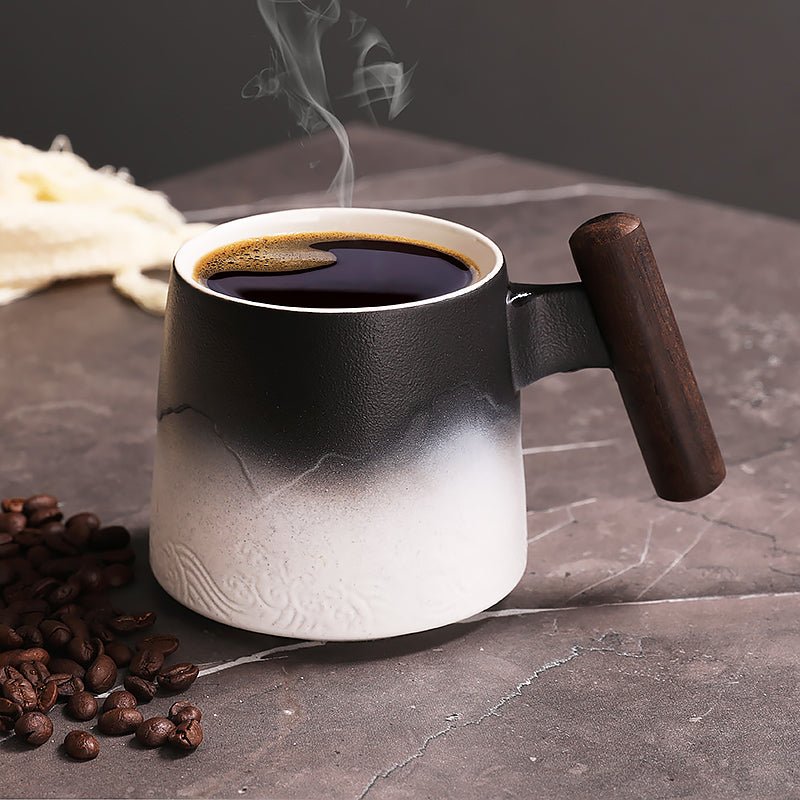
Coffee Mug Care Tips to Make Your Mug Last Longer
Learn practical coffee mug care tips that help protect glaze, prevent stains, and keep your favorite mug in good shape for everyday use.
Weiterlesen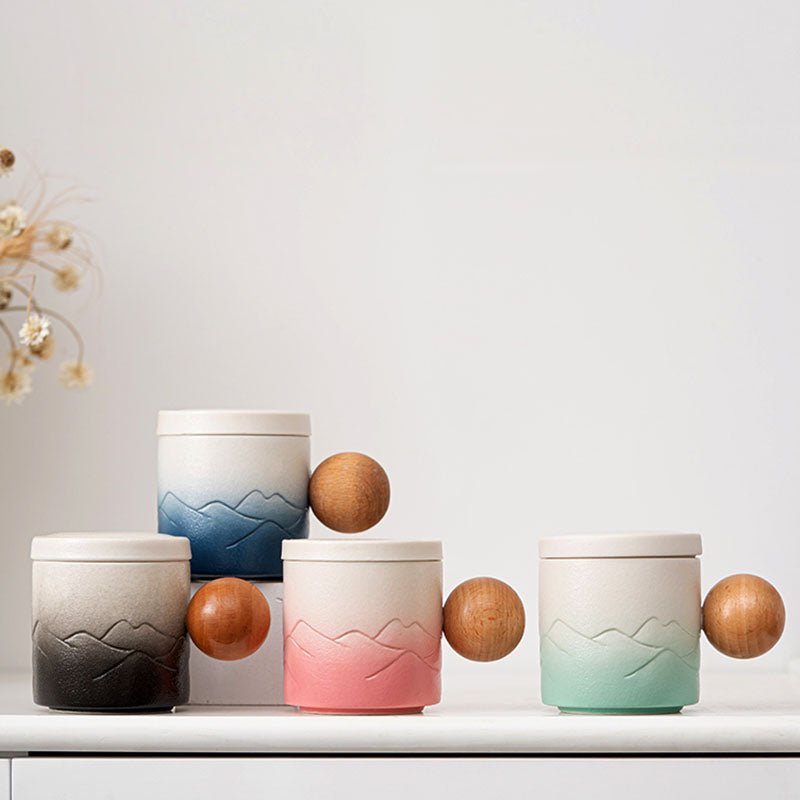
Steel Coffee Mug Buying Guide for Daily Use and Gifting
A steel coffee mug should feel solid in the hand, hold heat long enough for a real desk break, and clean up without fuss. Here is how we help shoppers choose the right one for daily use or gifting.
Weiterlesen
Hinterlasse einen Kommentar
Diese Website ist durch hCaptcha geschützt und es gelten die allgemeinen Geschäftsbedingungen und Datenschutzbestimmungen von hCaptcha.